Delivering safety, stability, and rapid behavioral care

Loudoun County Crisis Receiving and Stabilization Center
This new facility expands access to urgent behavioral health care, easing pressure on emergency departments and providing a safe, timely alternative for individuals experiencing acute crises. The design responds to rising community needs with spaces that support calm, clarity, and connection.
CLIENT
Loudoun County Government
LOCATION
Leesburg, VA
SIZE
20,500 SF
portfolio main image

Overview

Coordinated care, centered on safety

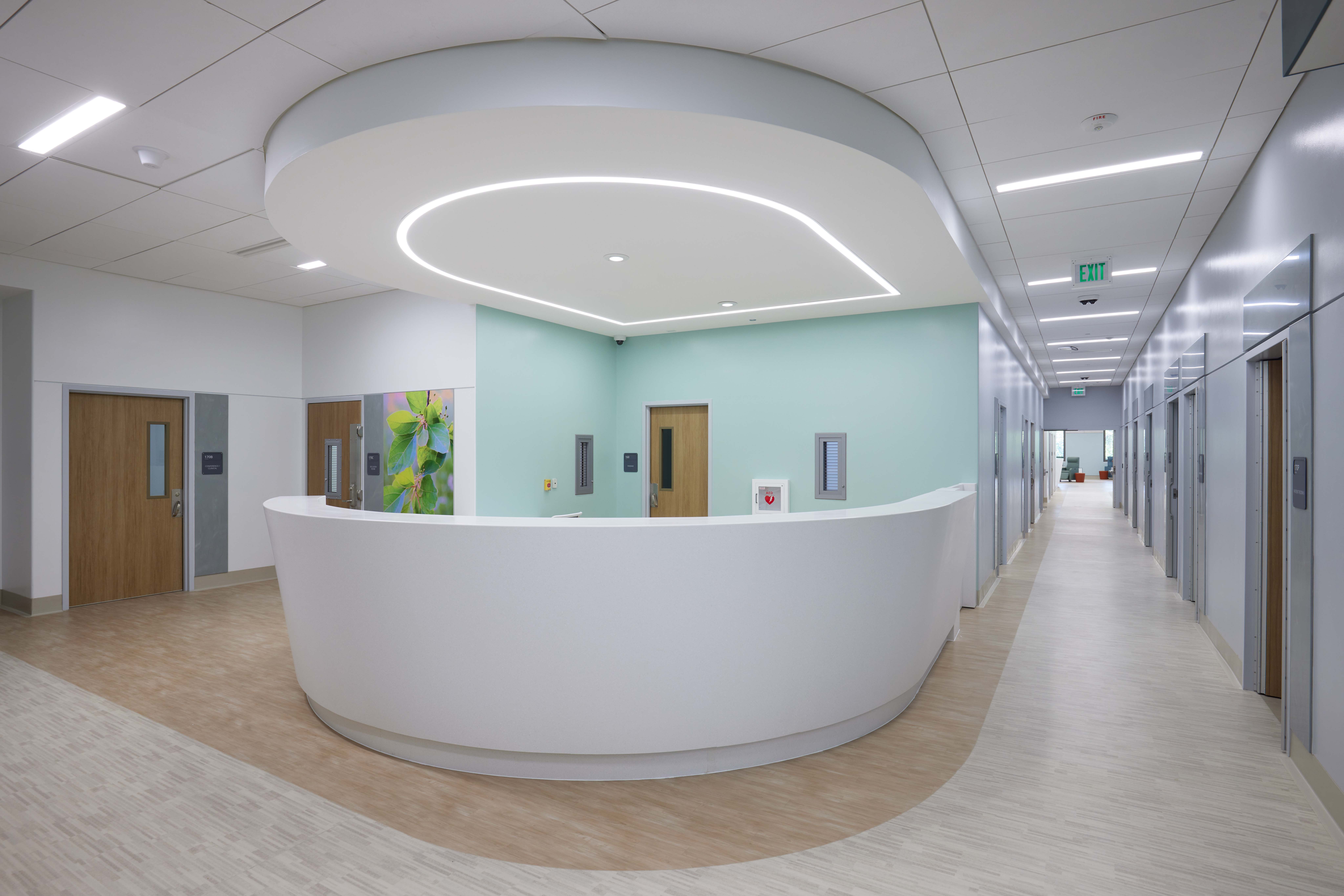
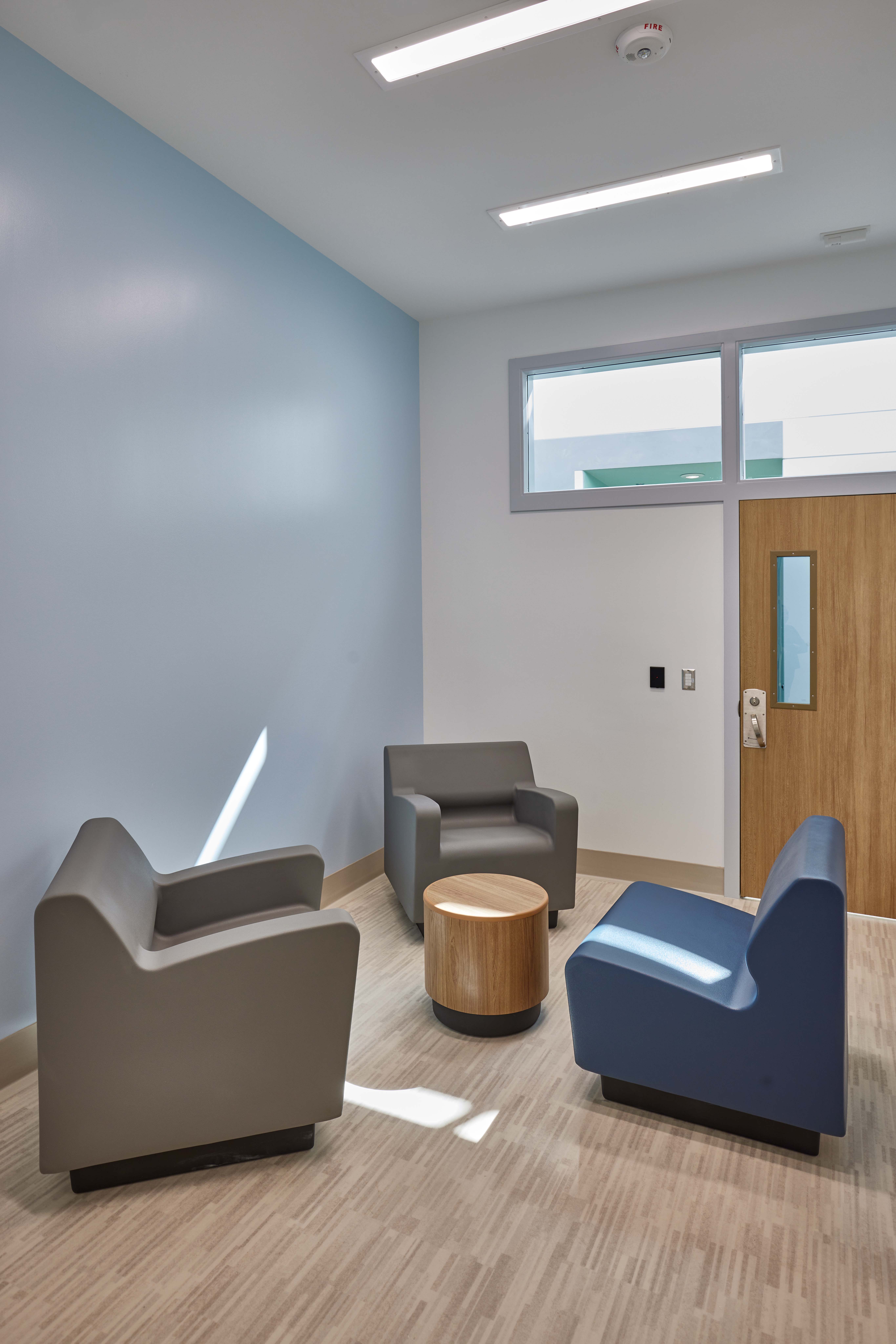
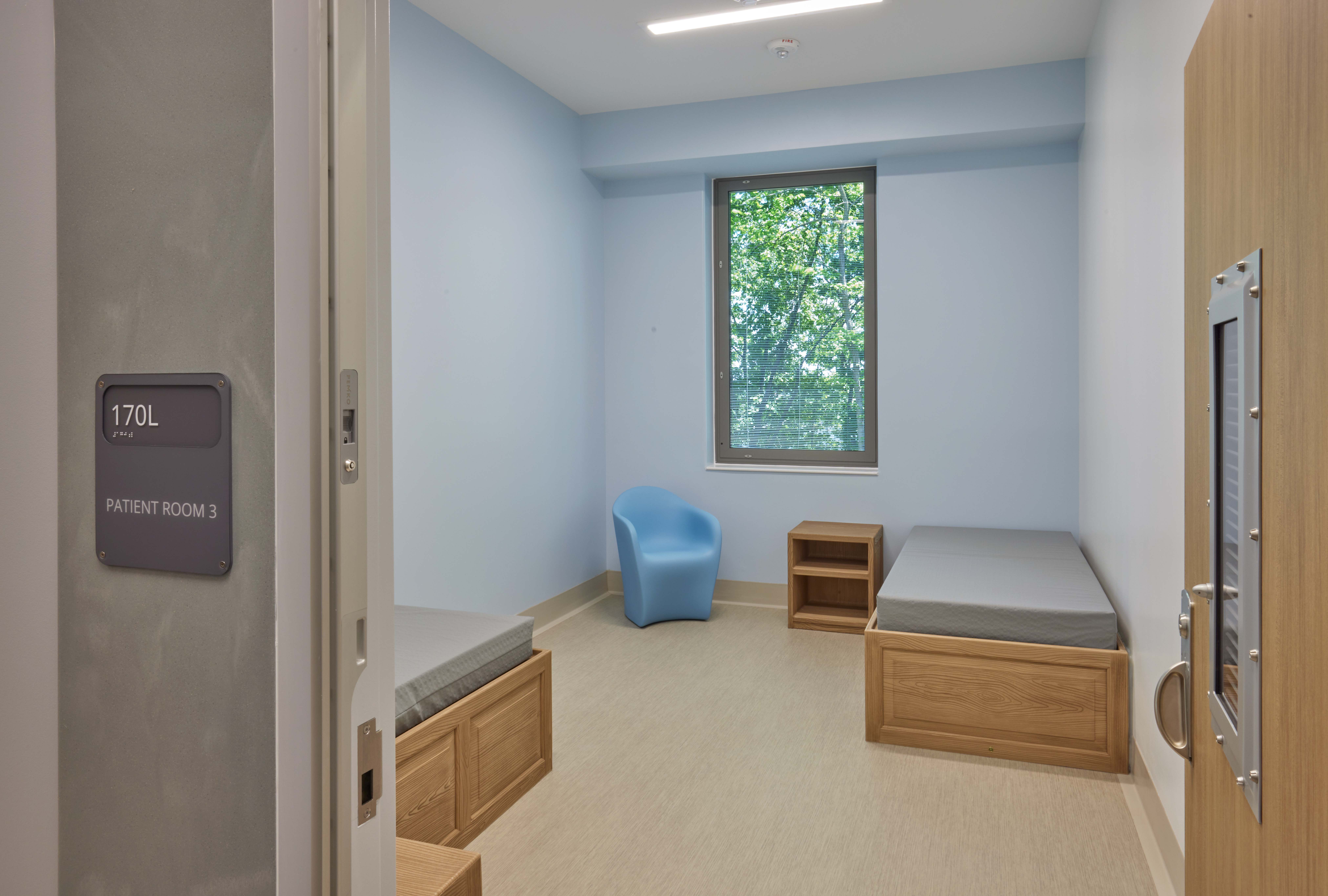
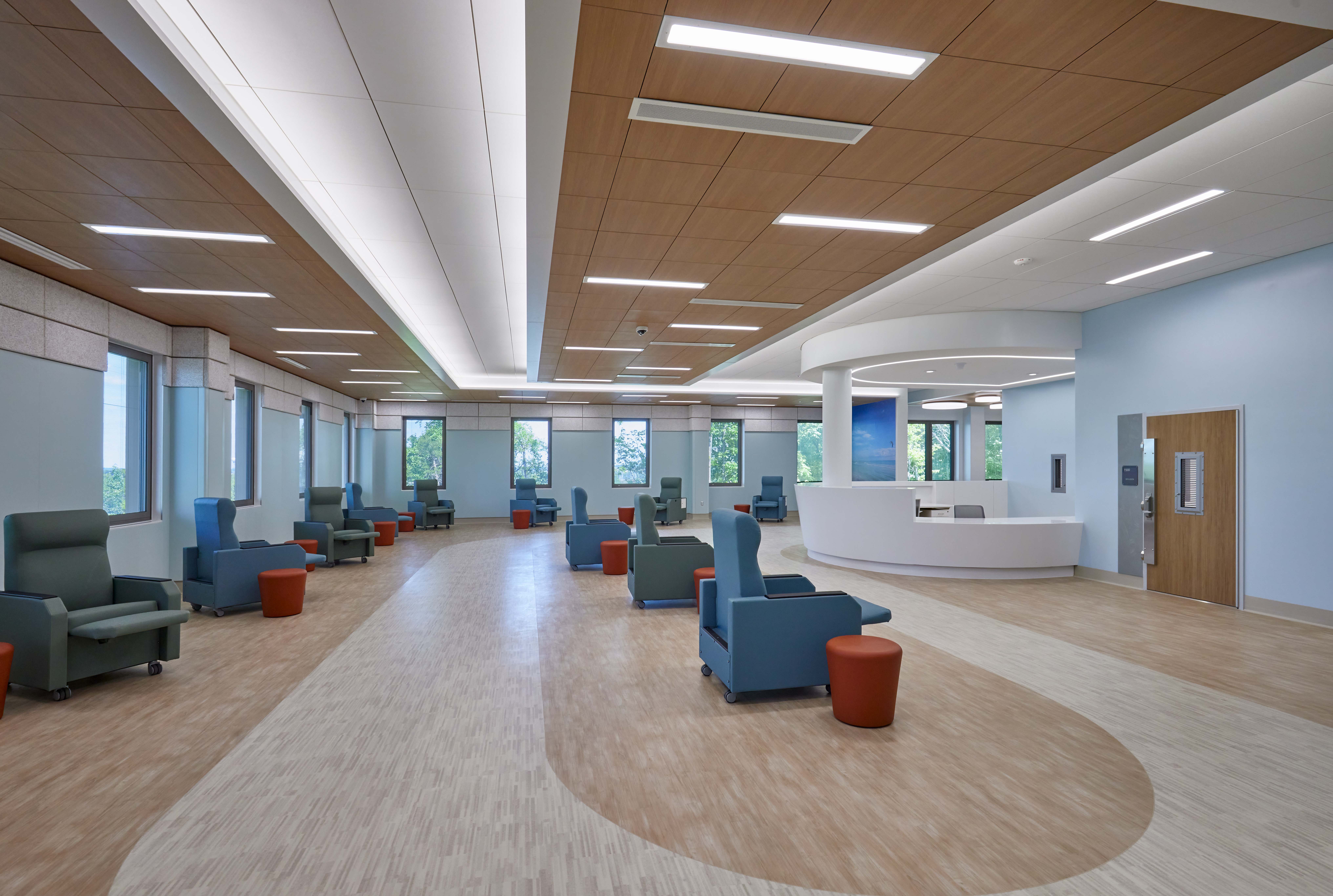
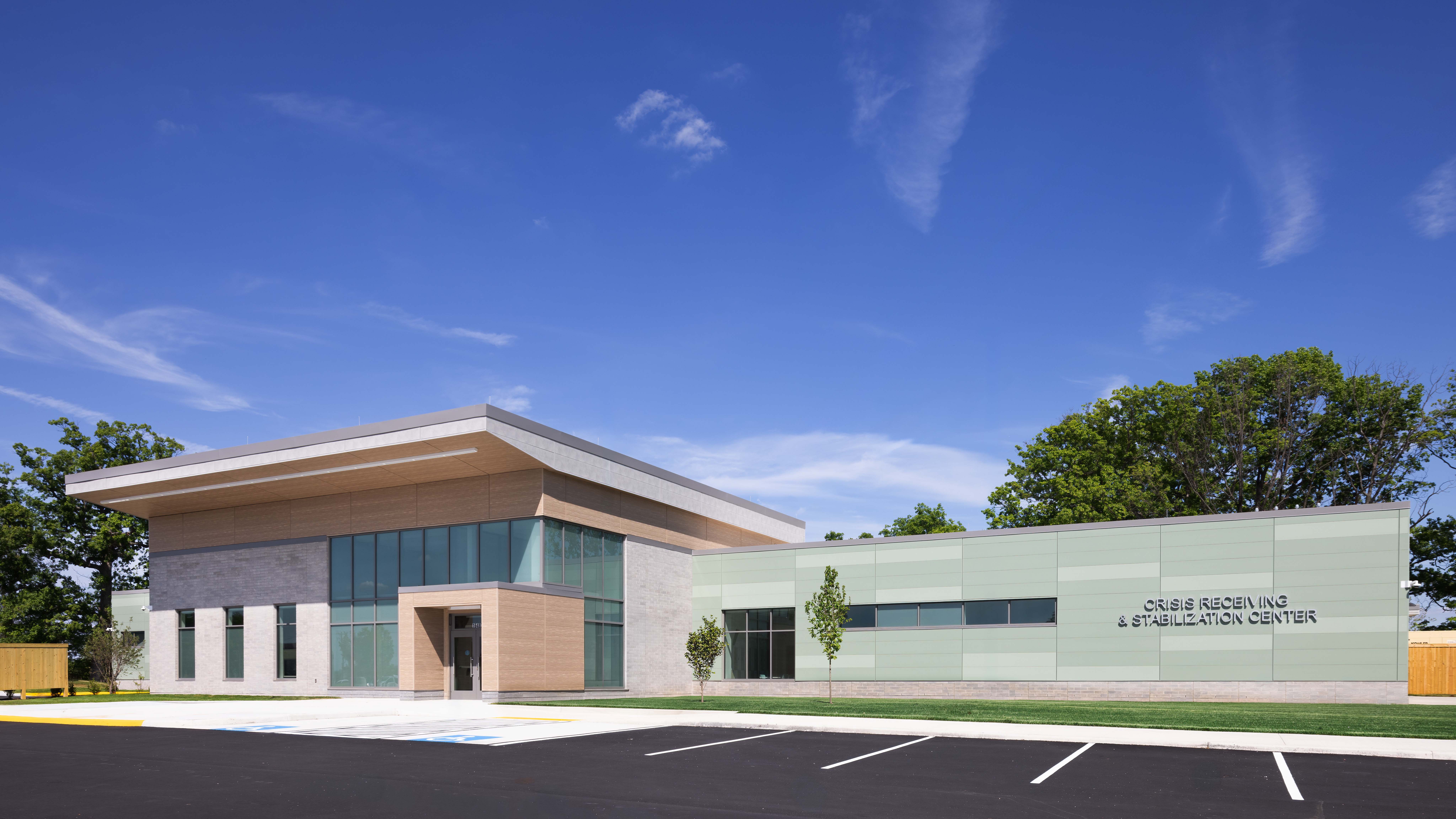
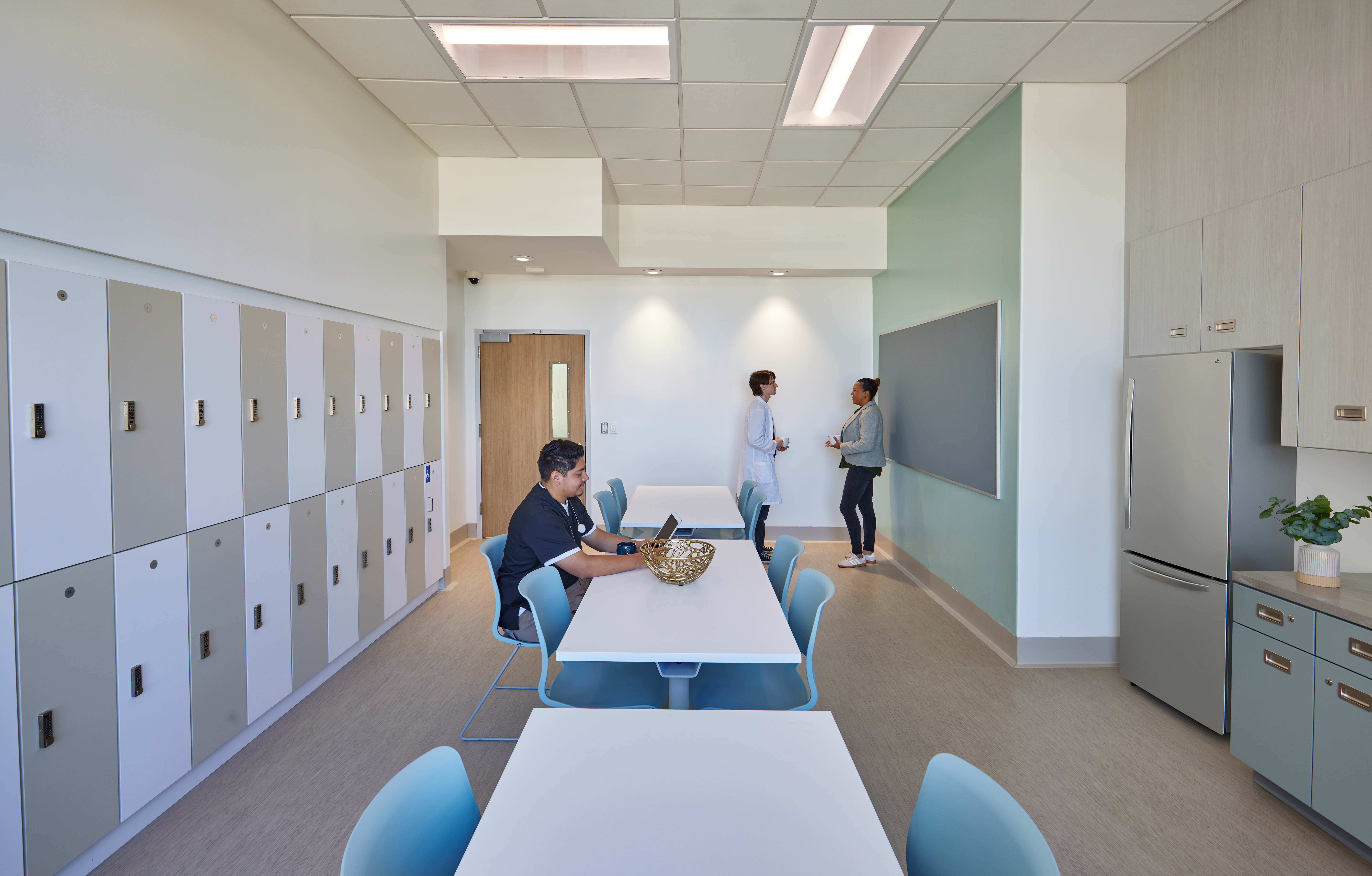
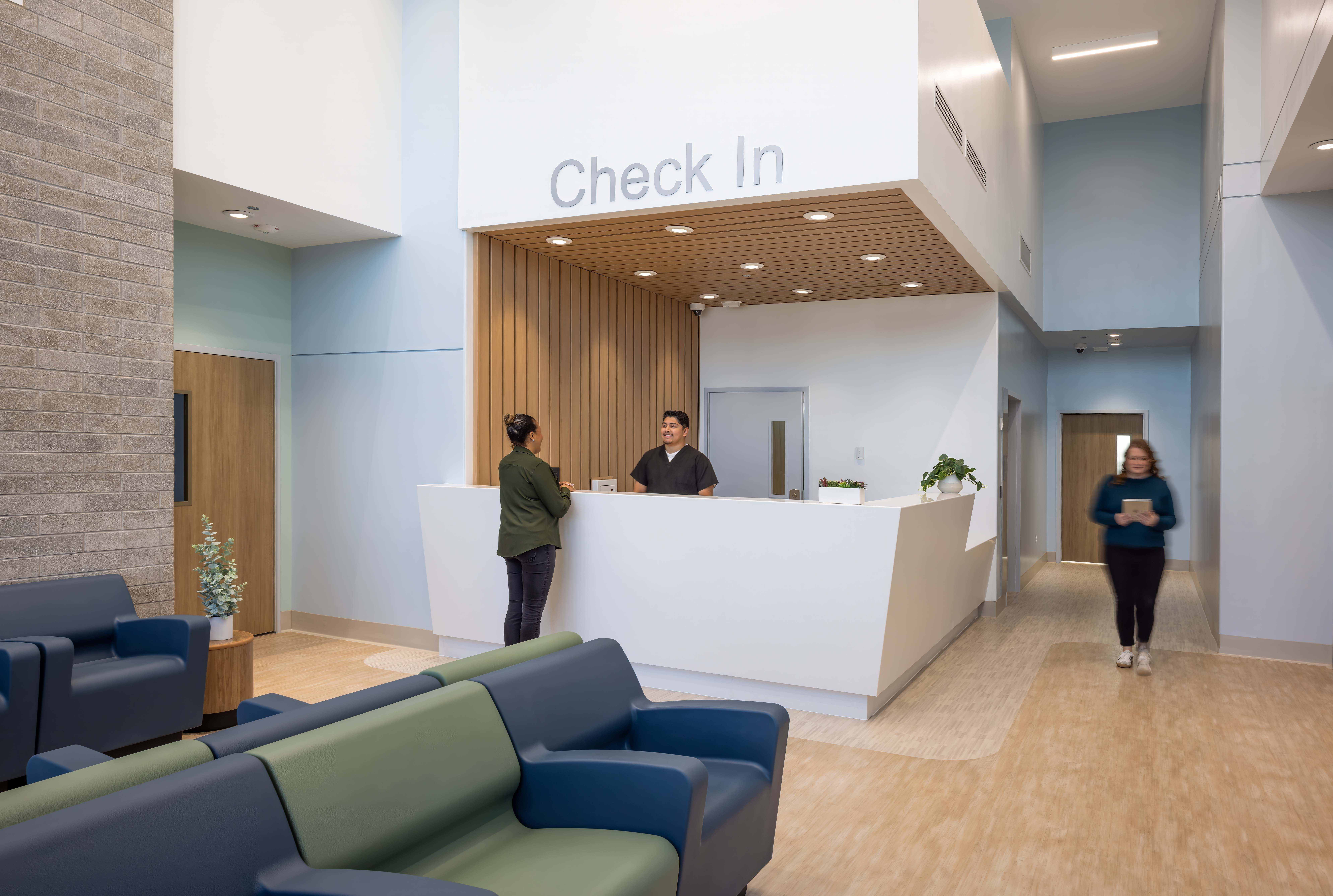
The Loudoun County Crisis Receiving and Stabilization Center strengthens community-based behavioral health care by creating a dedicated, safe, and therapeutic alternative to emergency departments and law enforcement settings. The facility brings together a 23-hour assessment unit, 10-bed stabilization unit, and 16-recliner crisis receiving area, supported by an on-site urgent care clinic and expanded clinical and staff spaces. Purpose-built circulation separates public, clinical, and law-enforcement pathways to ensure clarity and safety at each arrival. Natural light, open sightlines, and calming materials promote dignity while reinforcing clinical oversight. The design reflects deep coordination among the County, operators, and clinicians to right-size the program, align workflows, and meet licensing expectations for a facility type still emerging nationwide. Together, these decisions create a highly adaptable model that strengthens local crisis response and increases access to immediate, compassionate care. This project was designed in partnership with Grimm + Parker.

Tagline image

Designing safety into every step

The expanded program adds 6,000 SF for key components, including a dedicated law-enforcement entry, secure storage, and urgent care. Clear sightlines, ligature-resistant materials, and open layouts reduce risk while fostering a welcoming environment for patients, staff, and first responders.
Tagline image
Tagline image
quote image

A model advancing crisis response

Crisis stabilization facilities remain an emerging building type, yet their community impact is immediate and measurable. By diverting individuals in crisis from emergency rooms and jails, this center reduces strain on healthcare and public safety systems while delivering care in the right setting. Early collaboration among the County, clinical operators, and designers ensured that every element—from patient flow to staff safety—was right-sized for operational reality. This project demonstrates how local investment, integrated partnerships, and thoughtful planning can create a scalable model for behavioral health, offering communities a clearer, safer path through moments of acute need.

23

hour assessment unit

10

bed stabilization unit

16

recliner crisis receiving area
quote image

bg imageText Link