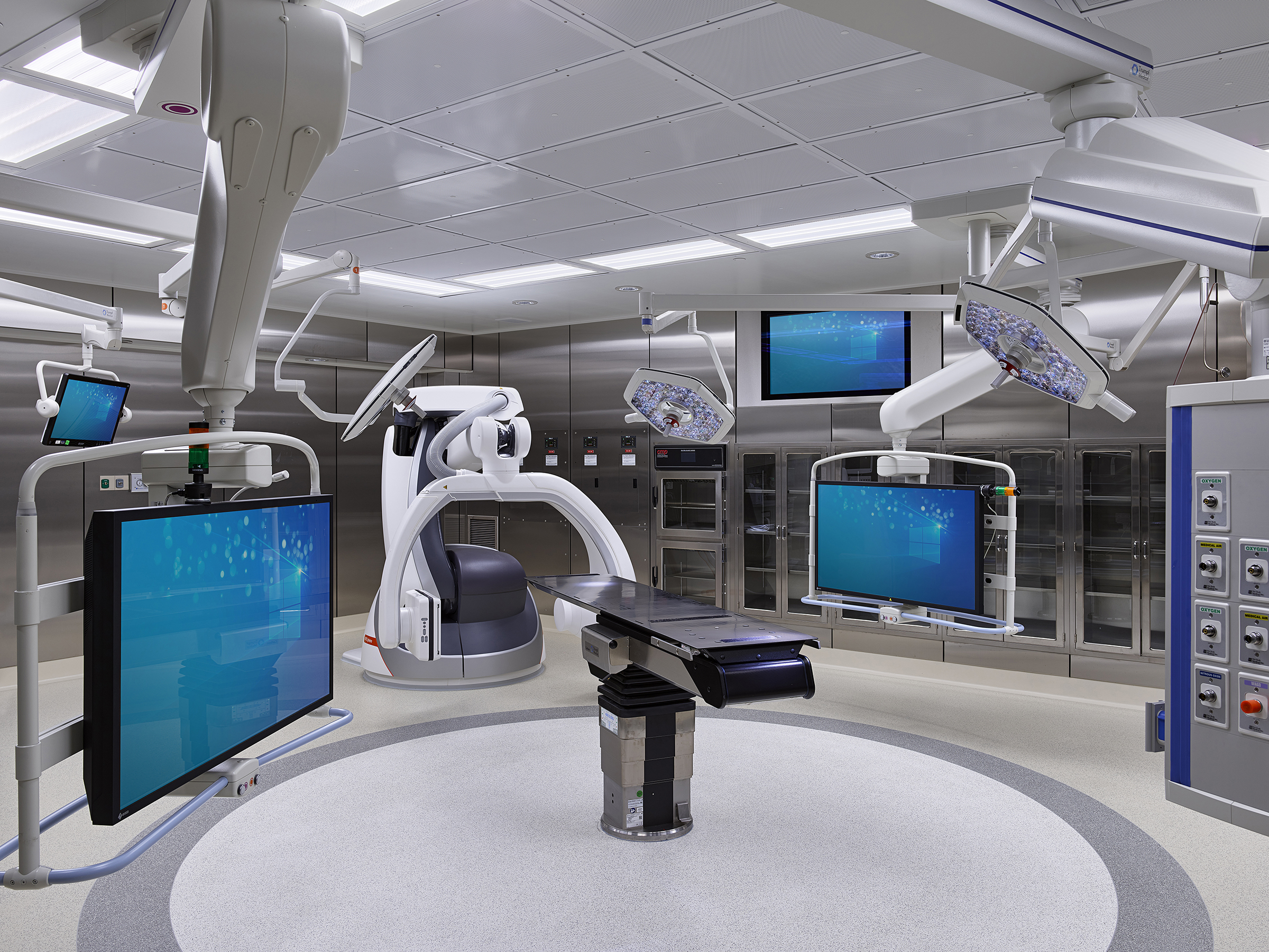
Let's Connect
We are ready to talk healthcare design with you.
Thank you! Your submission has been received!
Oops! Something went wrong while submitting the form.

In our firm’s earliest days, development fueled by the Hill Burton Act laid the foundations of our modern healthcare system, bringing access to hospitals and clinics to communities across the nation. In the decades since, as healthcare itself has changed, the practice of healthcare design and Wilmot Sanz as a firm have evolved alongside it, shifting from simply increasing capacity and access to creating environments that improve operational efficiency, support caregivers, and embrace the connection between the built environment and patient outcomes.
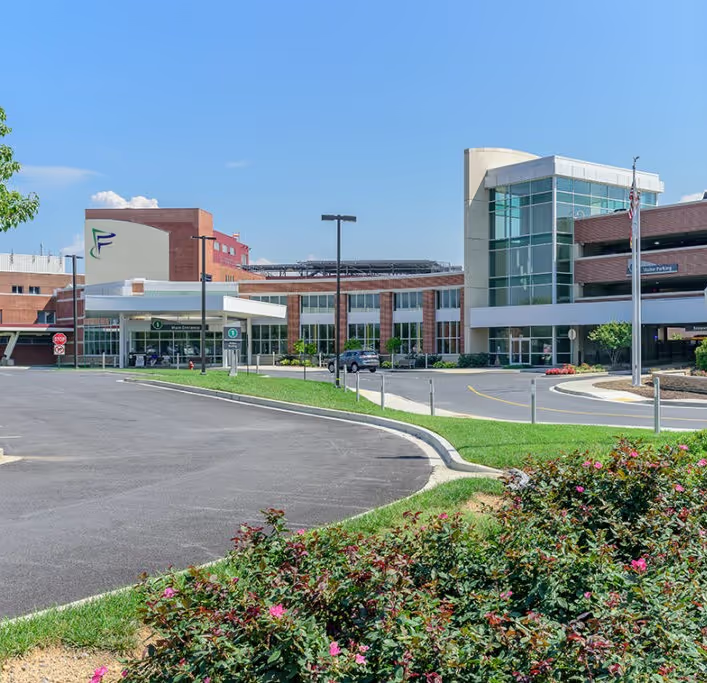
The firm’s first major healthcare project was a bed tower and emergency department expansion at Arnot Ogden Medical Center. More than 40 years later, we continued to partner with the hospital, designing dozens of projects, including a vertical expansion of that same original building.
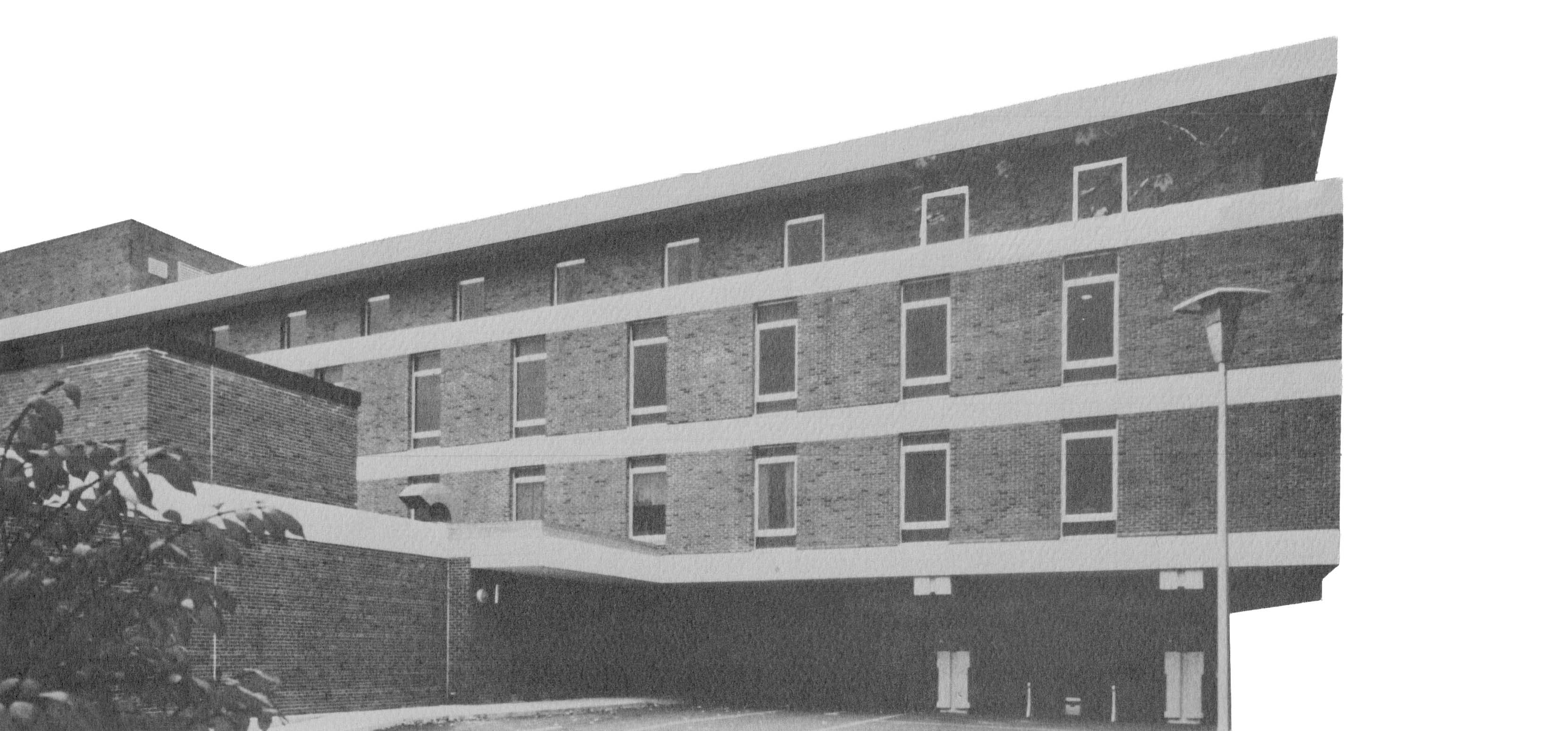
This journey with our first client echoes through our relationships with institutions across the region – excellent client service begets decades-long partnerships spanning projects from imaging equipment upgrades to complex renovations and transformational additions to new, freestanding hospital and ambulatory care campuses.
Growing from humble roots to one of the largest specialized healthcare design studios in the nation, we continue to crest exciting new horizons in healthcare design and expand our talented team across architecture, interior design and medical planning.
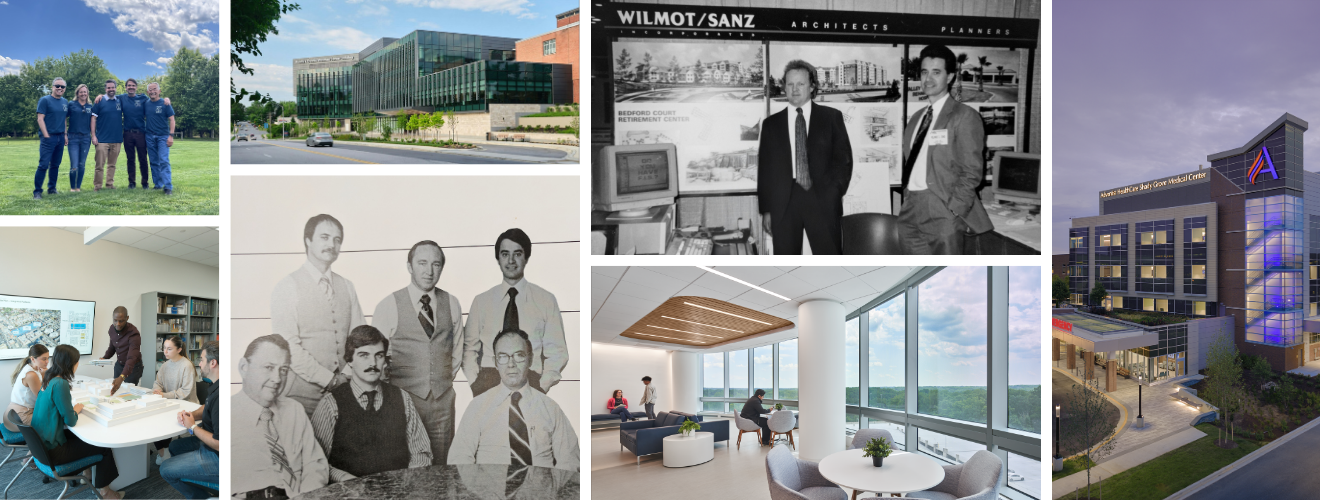
Wilmot Sanz is committed to a singular purpose: advancing healthcare through thoughtful design. While our history is an important part of who we are, our focus has always been on what we can help our clients achieve today. We've grown alongside the healthcare systems we serve, continually adapting to new technologies, evolving models of care, and the changing needs of patients, caregivers, and communities. Our mission remains unchanged—to design dynamic spaces that elevate the healthcare environment.
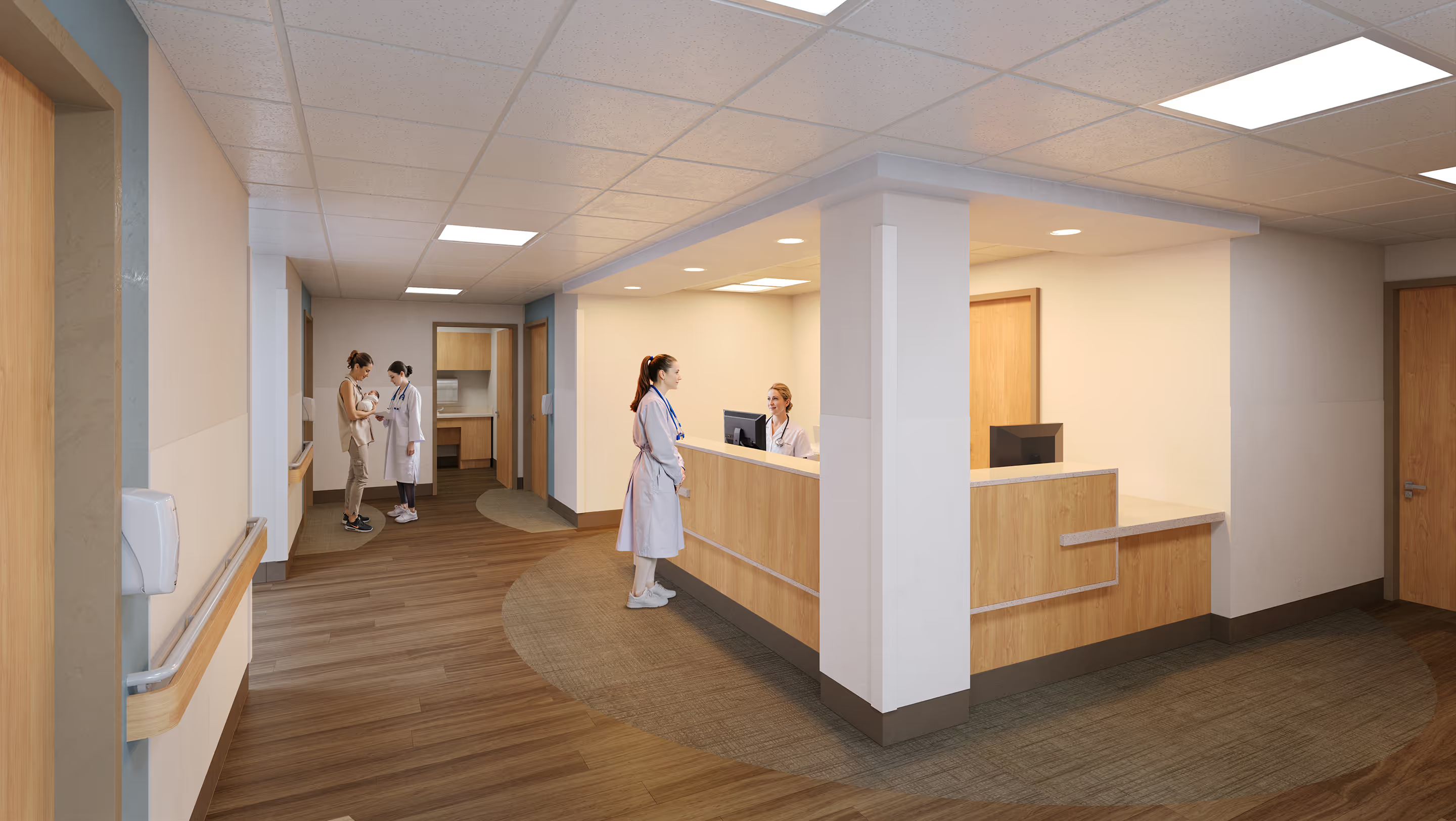
Our expertise extends far beyond individual projects. It is built on decades of lessons learned, trusted partnerships, and an unwavering commitment to better healthcare design. Healthcare projects are among the most complex building types, requiring thoughtful collaboration, clear communication, and a thorough understanding of clinical operations. From master planning and replacement hospitals to complex renovations completed within occupied facilities, every project benefits from the collective knowledge of our multidisciplinary team dedicated exclusively to healthcare.
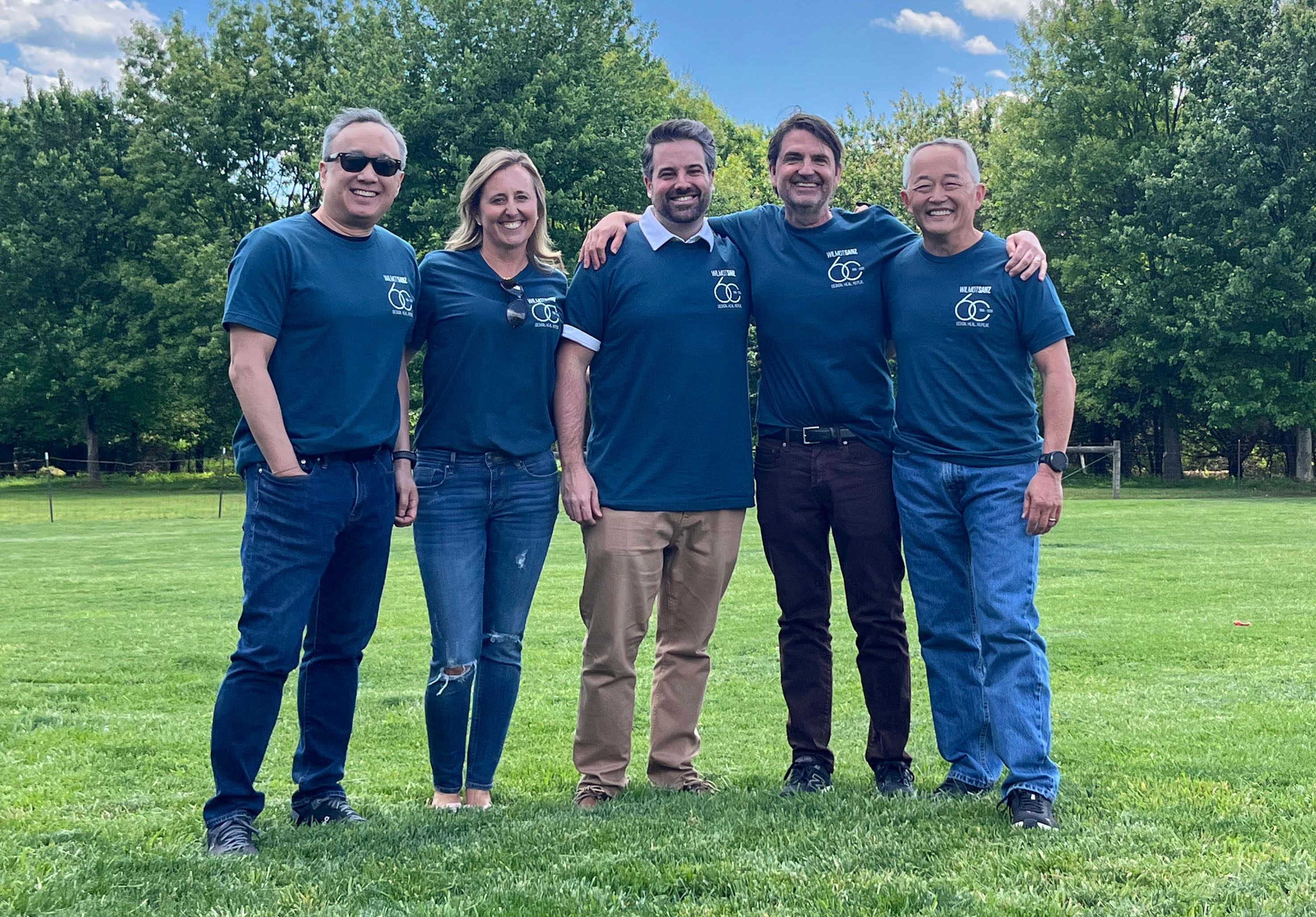
We believe exceptional client service begins with listening—understanding each organization's mission and long-term vision before translating those insights into spaces that perform today while remaining adaptable for tomorrow. This collaborative approach has allowed us to become more than a design consultant; we strive to be a trusted extension of our clients' teams. Led by five Partners, our team is strong, committed, and ready to help shape your built environment.
Many of our greatest accomplishments cannot be measured by square footage or project value—they are reflected in the relationships we've built over generations. We are privileged to continue serving healthcare institutions that have entrusted us with their campuses for decades, helping them expand services, modernize facilities, and respond to the ever-changing needs of their communities.
Healthcare continues to evolve at an unprecedented pace, and so do we. By embracing new technologies, advancing evidence-based design, and continually investing in our people we're not simply looking back on what we've accomplished—we're focused on what's ahead.
The buildings we design may change over time, but our commitment to the people who use them—and the clients who trust us—will continue to define the next chapter of our story.
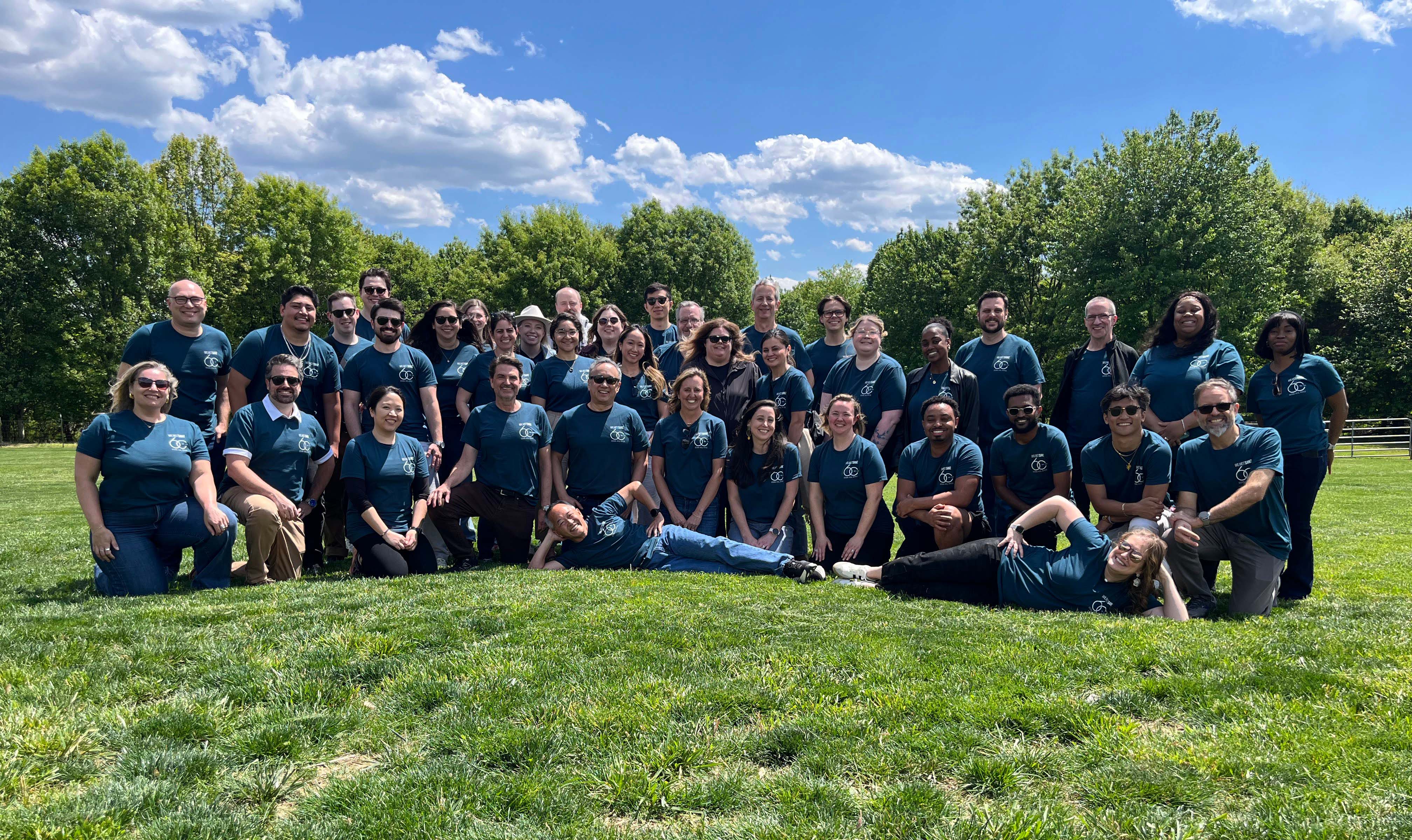
As we imagine healthcare in the coming years, it's clear that advances in technology, patient care, and the built environment will fundamentally reshape how healthcare facilities are designed. We asked several of Wilmot Sanz's leaders to share their perspectives on the innovations, trends, and design principles they believe will define the future of healthcare.
Jim Curran, Design Director
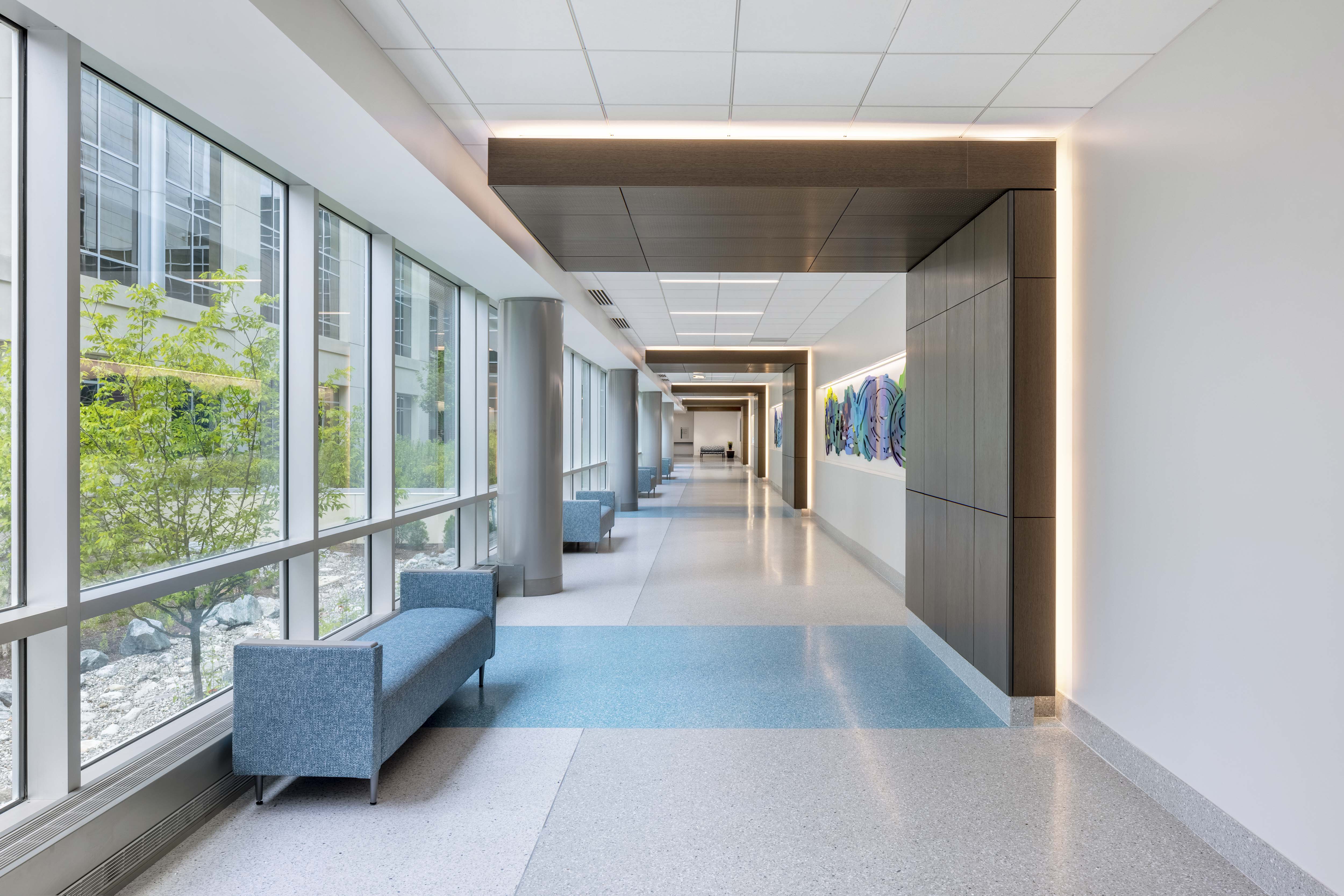
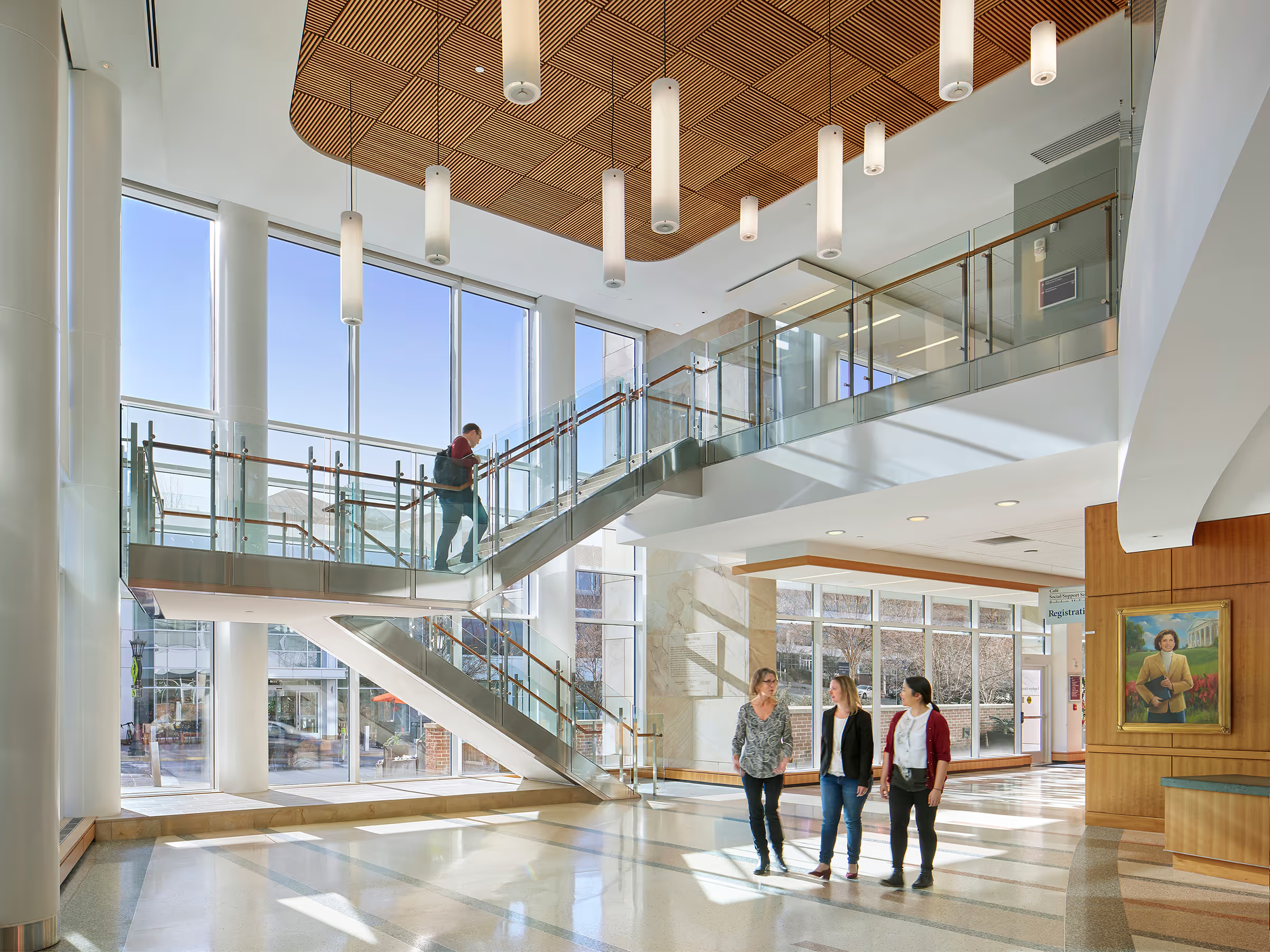
"Designing for the long-term lifespan of a healthcare facility means planning for the short-term pivots of changing technologies and care delivery. Generous structural grids, floor-to-floor heights, and modular systems all contribute to the physical adaptability. However, the true measure of long-term success is how a building serves the human spirit. Abundant natural light, expansive views, and integrated landscapes will create places where patients find comfort and staff want to be."
Gabryela Passeto, Sr. Medical Planner
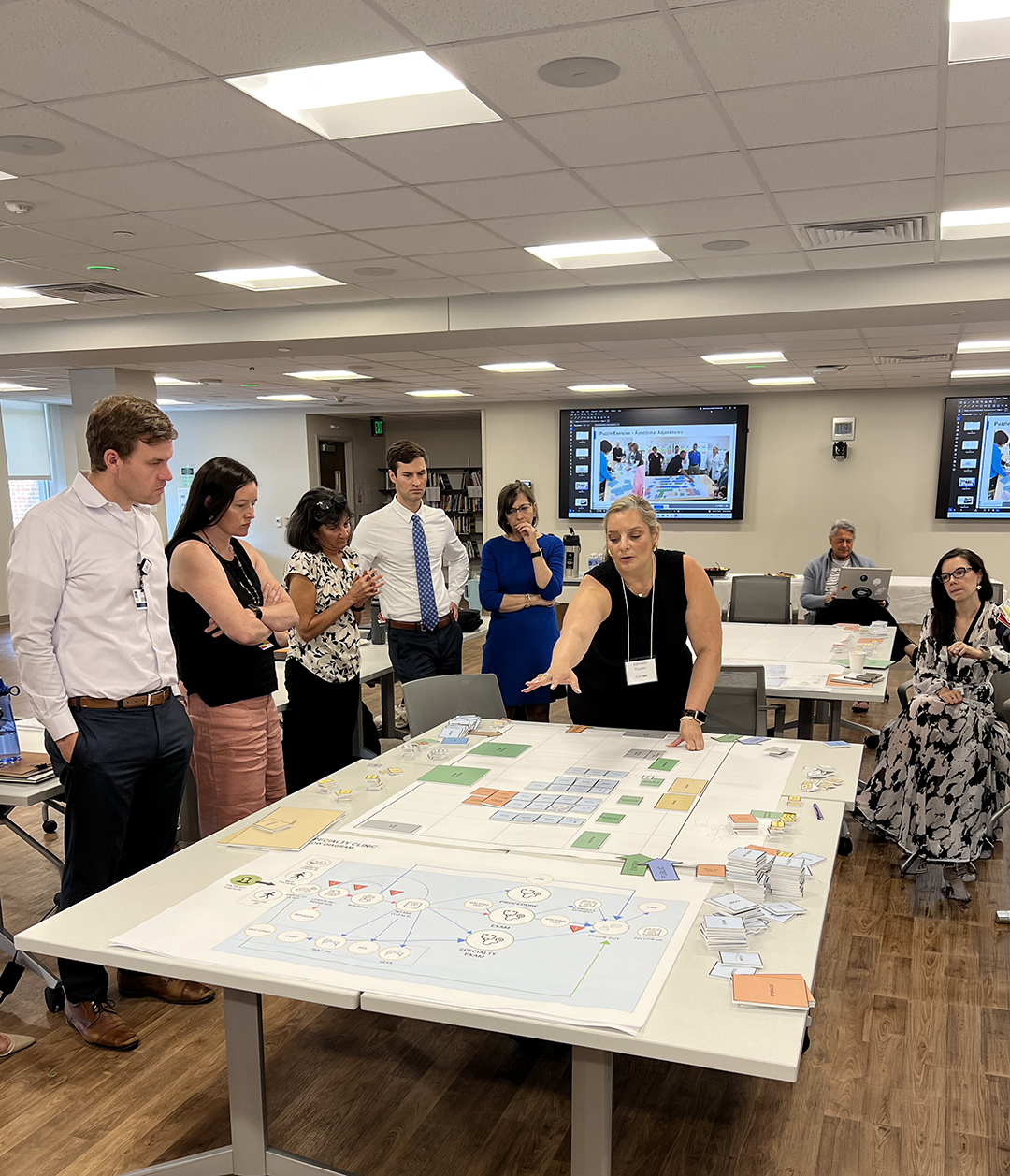
"I'm encouraged by how much more collaborative healthcare planning has become. Bringing clinicians, facilities teams, patients, and designers together early leads to stronger decisions and more effective healthcare environments. At the same time, data has become an essential part of the process—as meaningful analysis that informs design decisions. As healthcare costs continue to rise, using evidence and data-driven insights helps organizations make smarter investments while creating spaces that better support patients, caregivers, and staff."
Josh Baumgardner, Project Manager
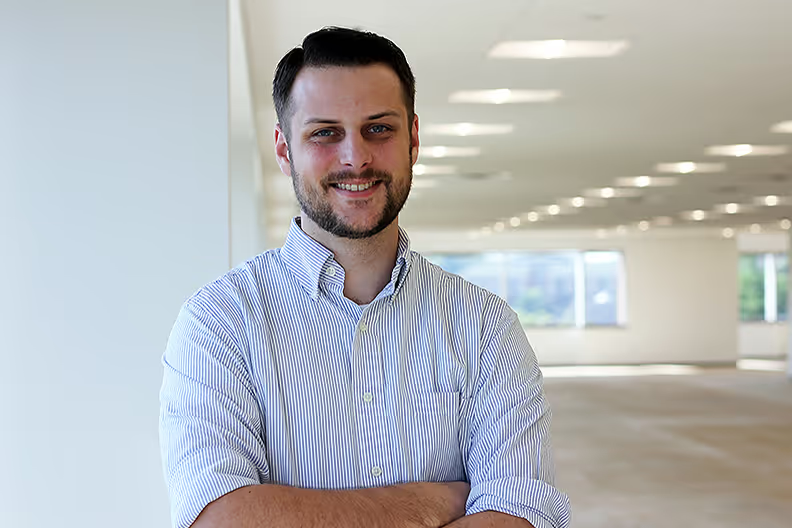
"Tech tools help us solve problems earlier - from digital modeling, virtual mock-ups, LEAN planning, and integrated project delivery. What will we have in 60 years helping us be more efficient, I am excited to find out.”
Marie Sheehan, Sr. Architect
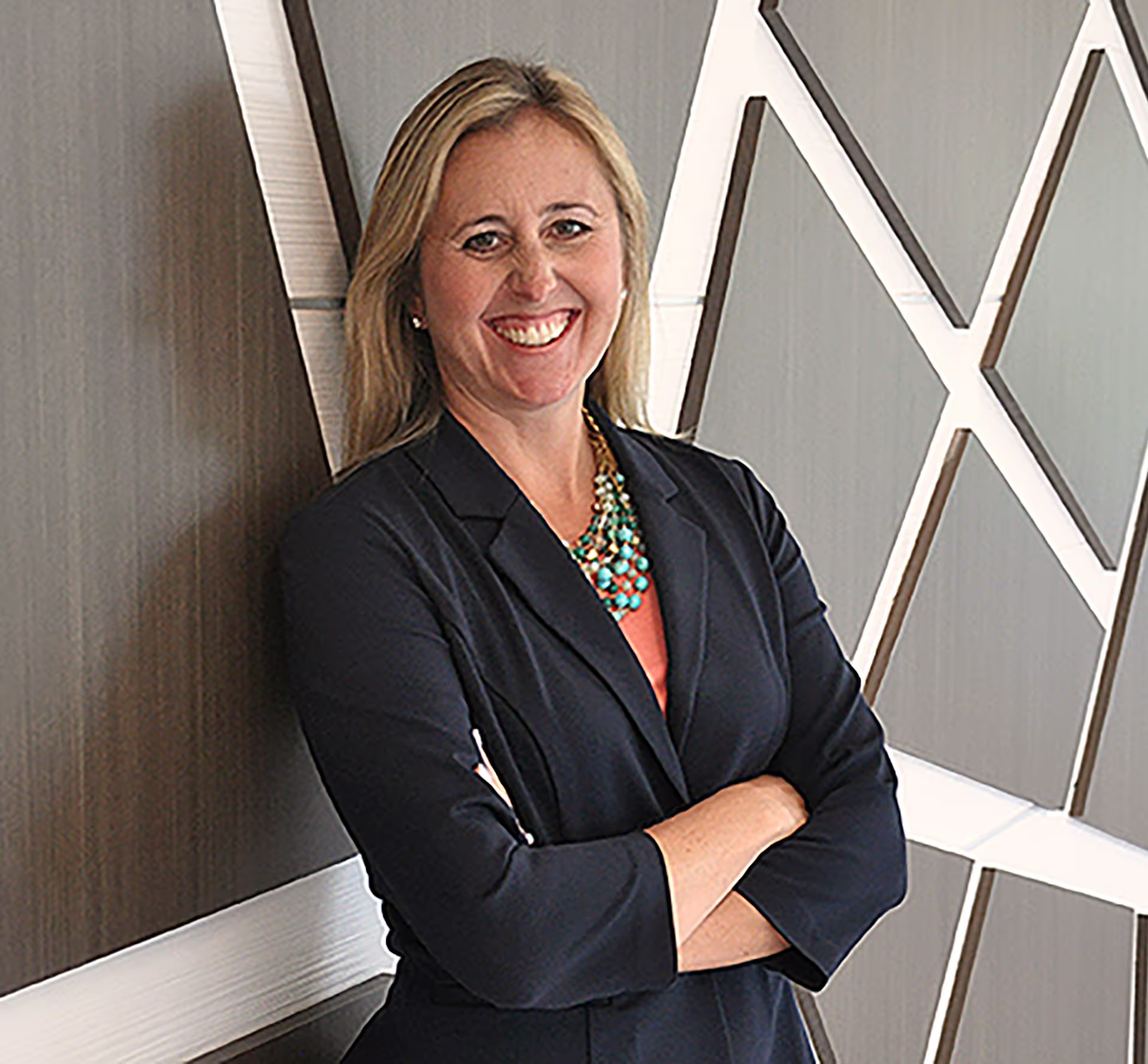
“I imagine family care spaces feeling much more like hospitality than hospitals. Families will have greater flexibility, better accommodations for partners, and environments that support bonding while still providing immediate access to advanced care when needed."
Kristen DelGandio, Interior Design Director
“Patients will expect environments that feel personalized from the moment they arrive. Lighting, media, artwork, room controls—even sensory experiences—could all adapt to the individual, creating spaces that promote continuous healing.”
As we look beyond 2026, we see a future where patient care and healthcare design continue to evolve in remarkable ways. Advances in technology, artificial intelligence, robotics, and data-driven care will transform not only how patients receive care, but also how healthcare environments are planned, designed, and experienced.
At Wilmot Sanz, we embrace that future with curiosity and purpose. Whether it's expanding our reach across the country, leveraging emerging technologies to deliver smarter design, deepening our healthcare expertise, or helping clients navigate an increasingly complex healthcare landscape, we remain committed to creating environments that improve care for generations to come.
Sixty years of specialized healthcare experience have shaped who we are today, but our greatest opportunity lies in helping our clients design the next generation of environments where better care happens every day.