Let's Connect
We are ready to talk healthcare design with you.
Thank you! Your submission has been received!
Oops! Something went wrong while submitting the form.


Healthcare environments are meant to be places of healing. Yet across the country, incidents of verbal and physical violence in hospitals and clinics are on the rise—impacting not only patients, but also the nurses, physicians, and staff who dedicate their lives to care.
From emergency departments and behavioral health units to outpatient clinics and administrative offices, healthcare workers face an alarming increase in aggression and threats. The causes are complex—rooted in social and economic disparities, behavioral health crises, workforce shortages, and systemic pressures—but the impact is immediate and deeply human.
While health systems alone cannot solve the root causes of violence, thoughtful design can play a powerful role in mitigating risk, supporting awareness, and protecting both patients and caregivers.
Healthcare settings present unique safety challenges. The same openness that encourages healing can also create vulnerabilities. Long wait times, stress, confusion, or fear may escalate emotions in already sensitive situations. At the same time, administrators and designers must balance security, accessibility, and compassion—ensuring that protective measures don’t compromise care or create barriers to healing.
The challenge lies in addressing safety without sacrificing humanity.
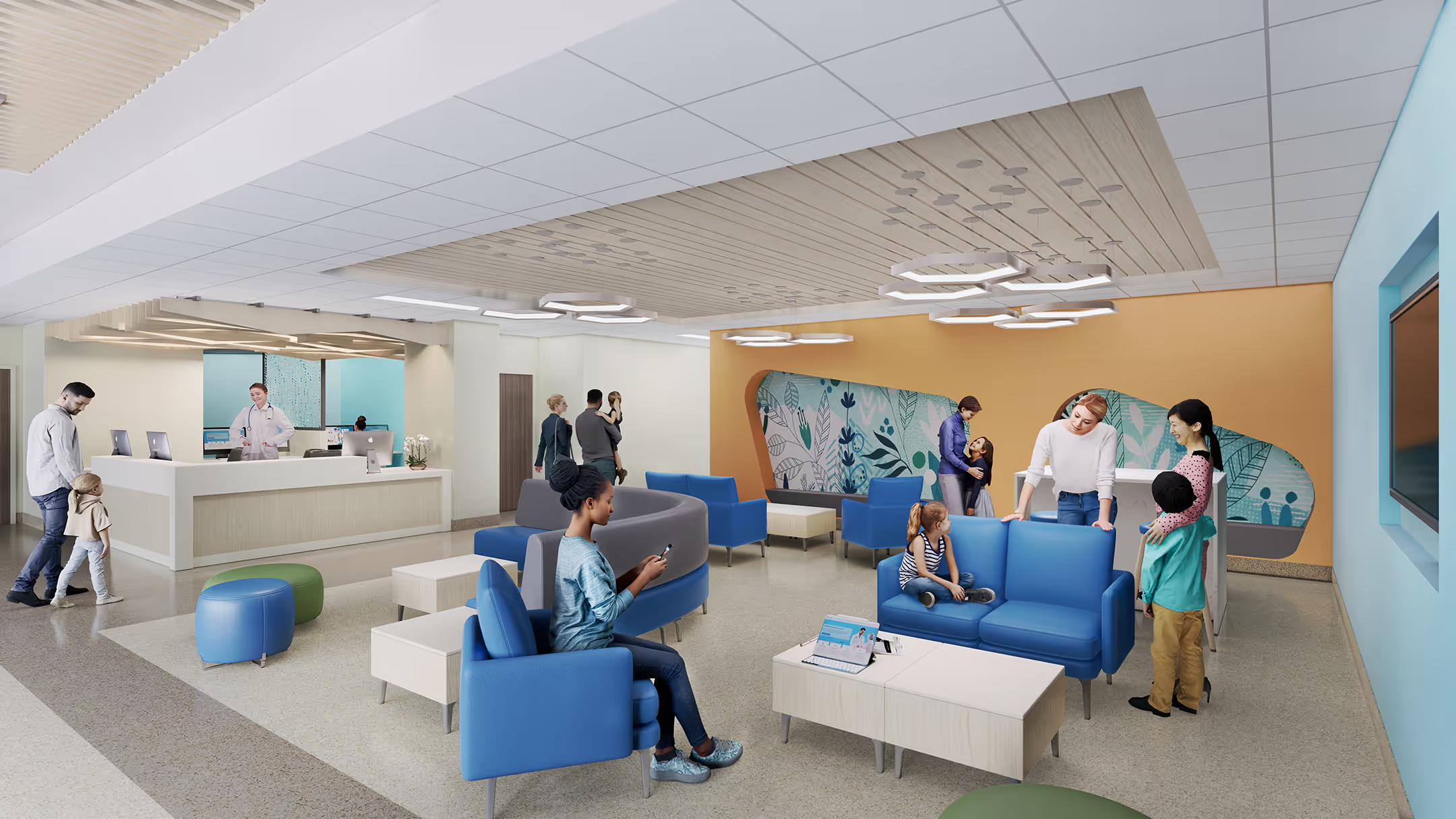
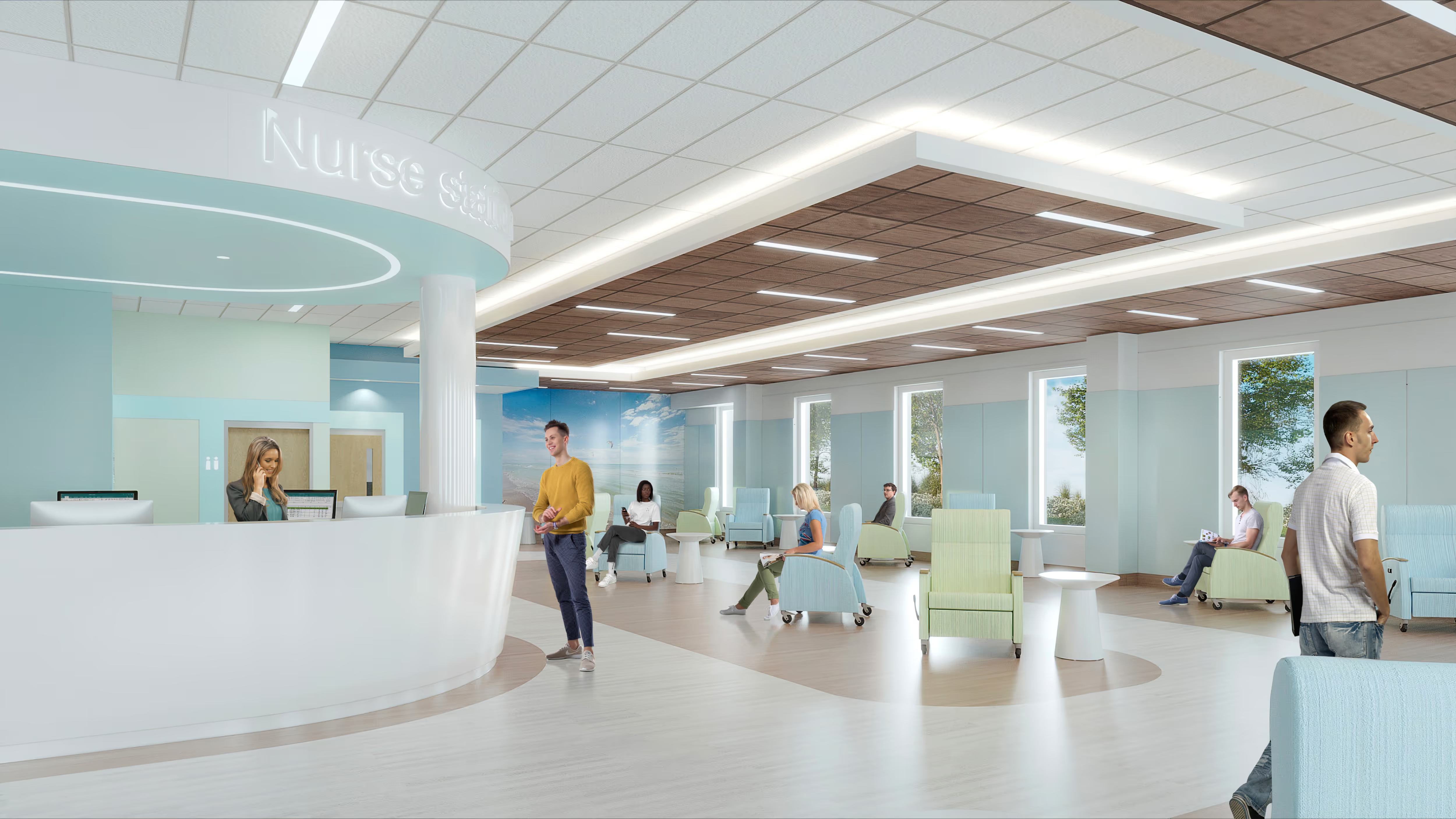
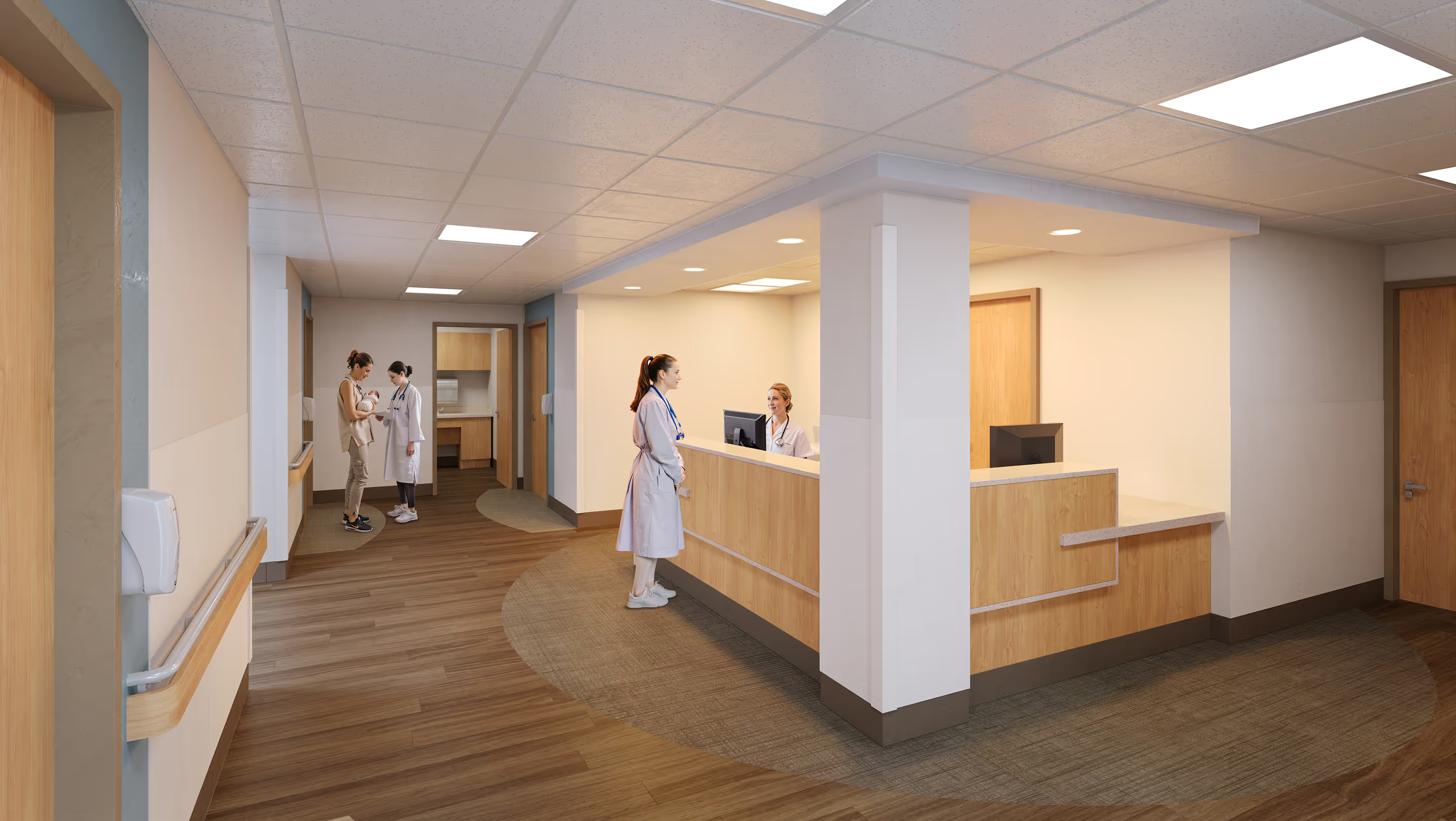
Design has the ability to influence behavior, encourage de-escalation, and foster trust. By studying how people move, wait, and interact within a space, designers can anticipate potential points of tension and create environments that diffuse rather than intensify stress.
Design Strategies for Safer Healthcare Environments
Designing for safety requires a multidisciplinary approach, integrating operations, technology, and architecture to create a seamless system of prevention and support.
Some of the most effective strategies include:
Each of these strategies reinforces the same goal: to design spaces that promote calm, awareness, and readiness, rather than fear or reaction.
Safety in healthcare is not just about control—it’s about empowering care. The best solutions balance security measures with empathy, supporting the emotional and psychological needs of both patients and staff.
For caregivers, feeling secure allows them to focus on providing high-quality care. For patients, a welcoming environment reduces fear and promotes trust. When both needs are met, hospitals and clinics function not as fortresses, but as safe havens—places where people can heal with dignity and confidence.
Creating safer healthcare spaces requires collaboration across disciplines—administrators, clinicians, designers, and security professionals—working toward a common goal. It means combining policy, technology, and design into a unified strategy that anticipates challenges before they occur.
By focusing on evidence-based planning, environmental awareness, and staff preparedness, healthcare organizations can develop environments that not only protect but also heal.
At Wilmot Sanz, we believe that safety and compassion are not competing priorities—they are inseparable. The spaces we design must protect those who care for others while honoring the humanity of every person who enters them.
As the healthcare industry continues to evolve, the call to address violence within care environments has never been more urgent. Architecture can—and should—play a leading role in that change.
By integrating design thinking, empathy, and innovation, we can create environments that minimize harm, foster trust, and ensure that everyone who steps into a healthcare facility feels safe, supported, and seen.
Together, we can stop the violence—and design spaces where healing can truly begin.