Let's Connect
We are ready to talk healthcare design with you.
Thank you! Your submission has been received!
Oops! Something went wrong while submitting the form.

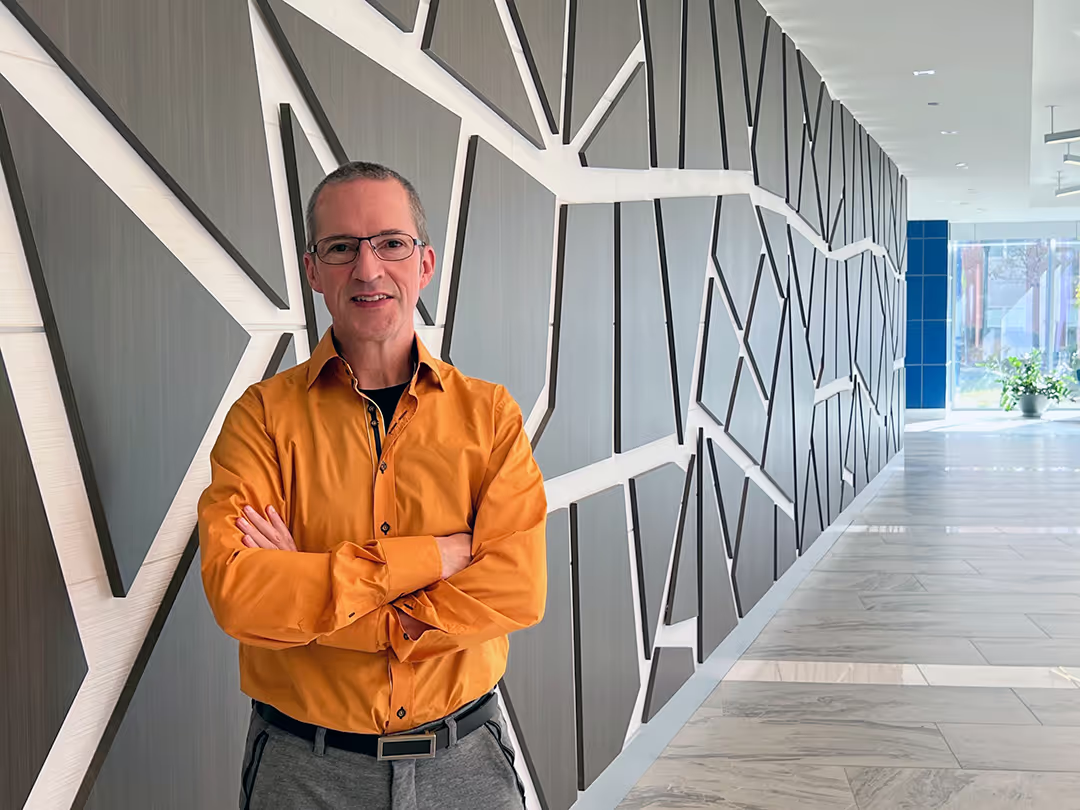
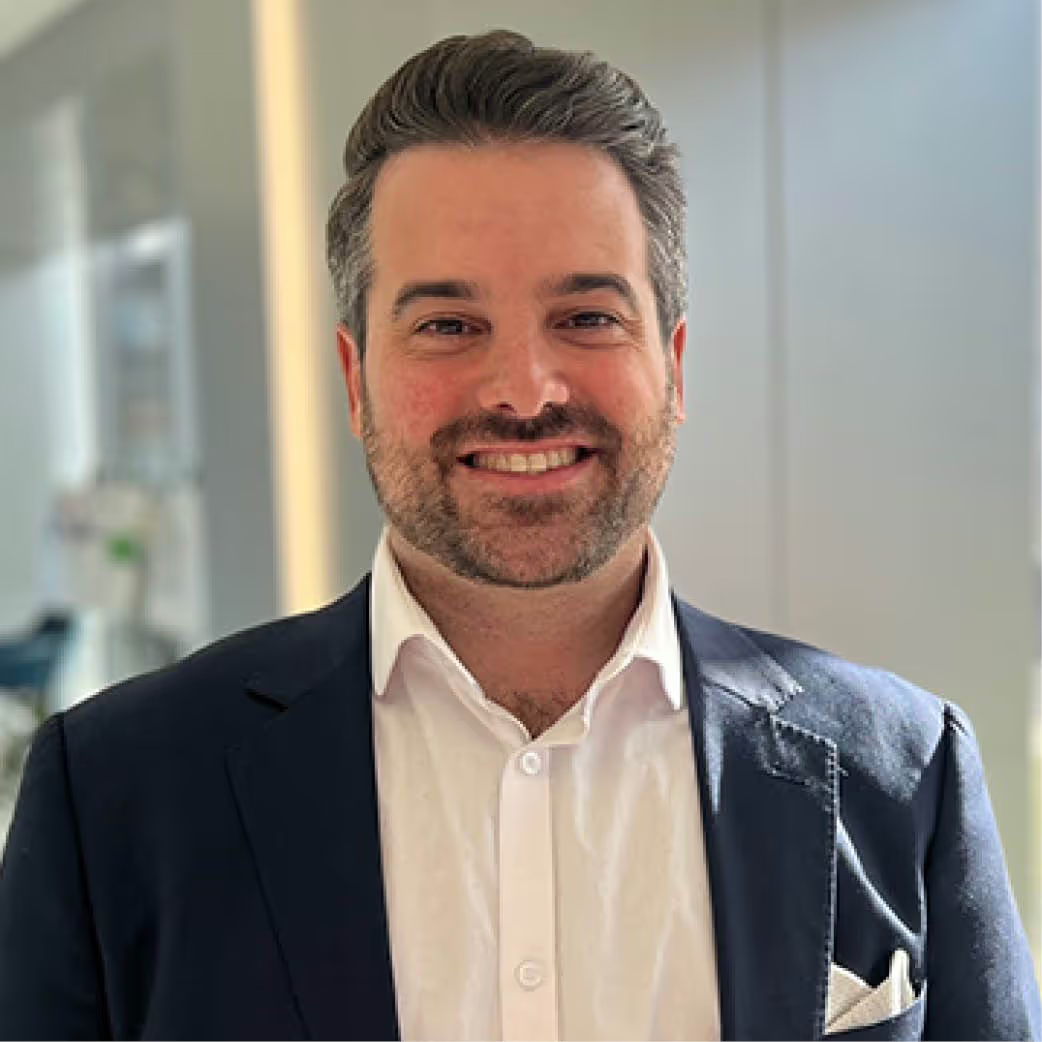
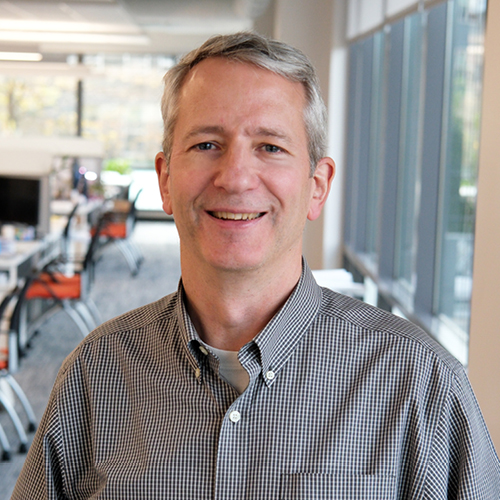
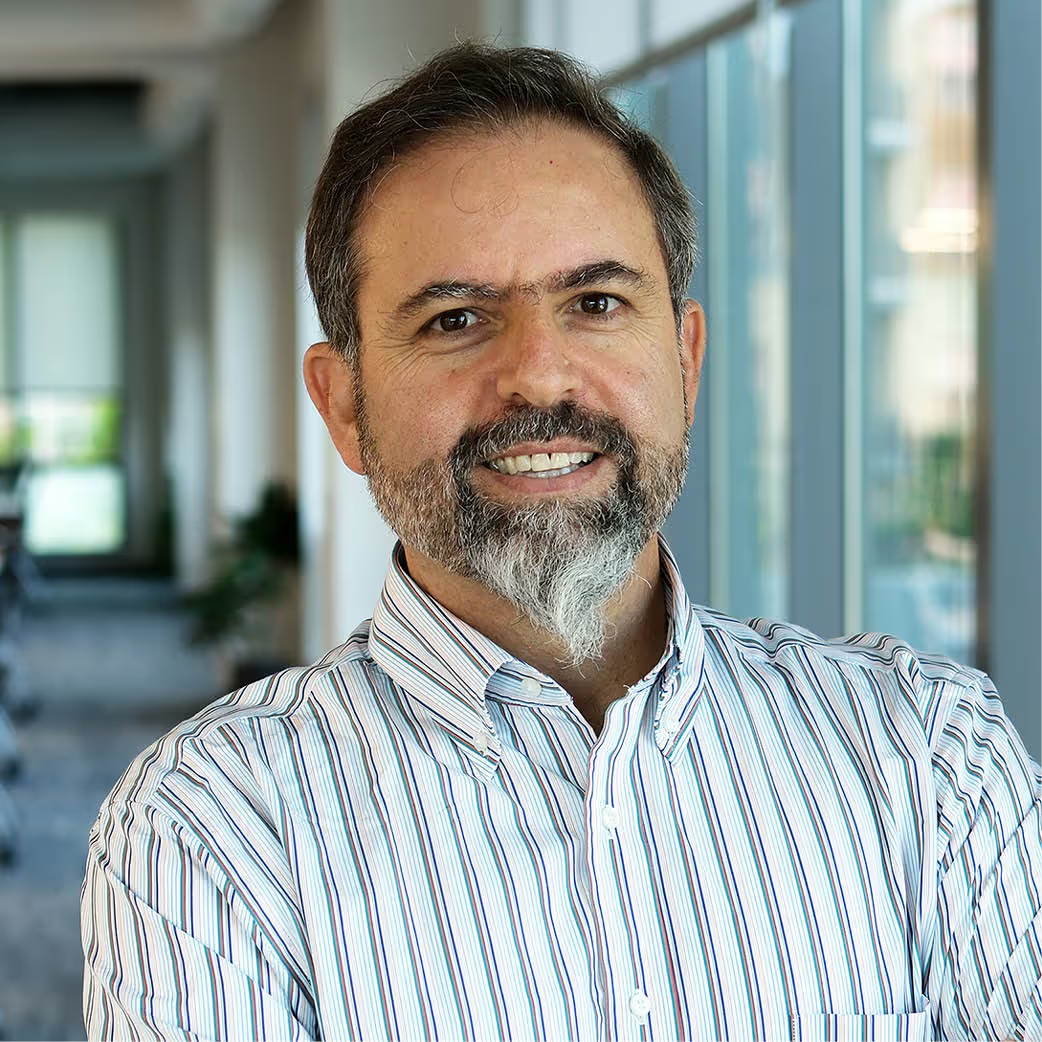
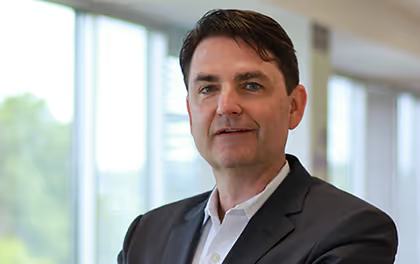
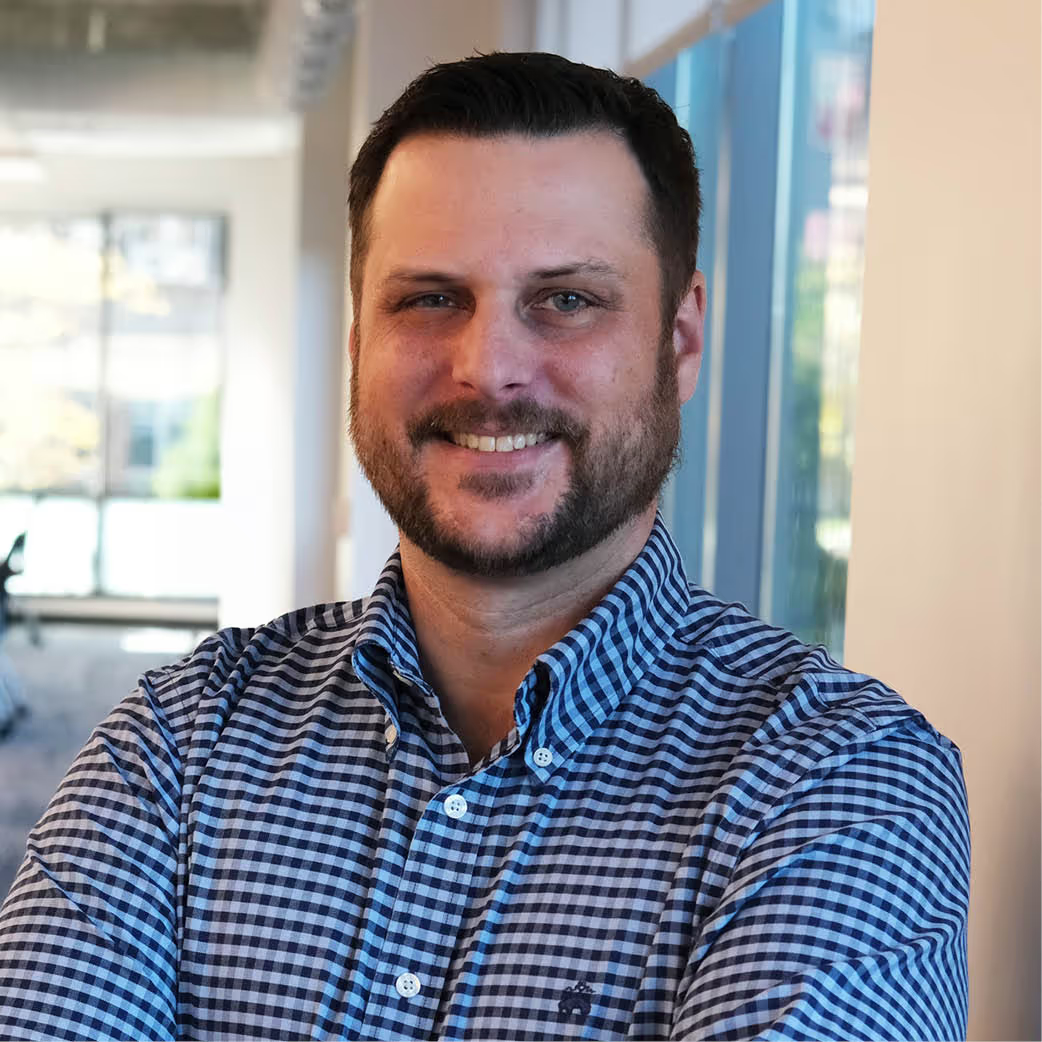
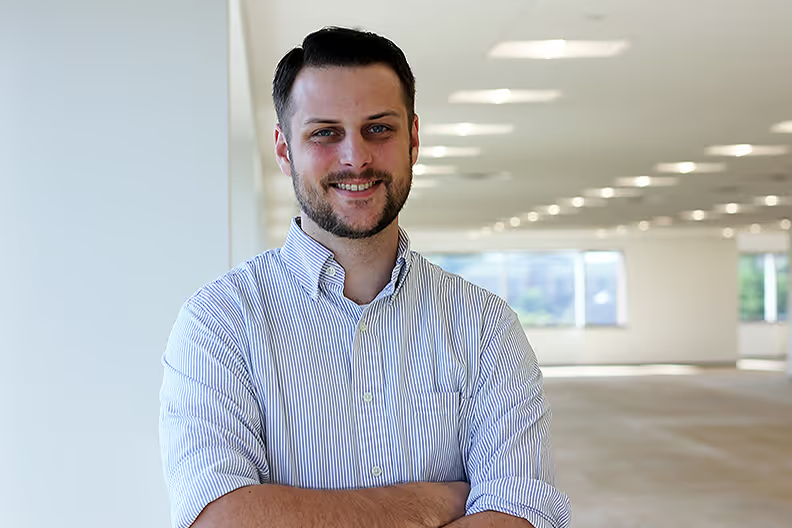
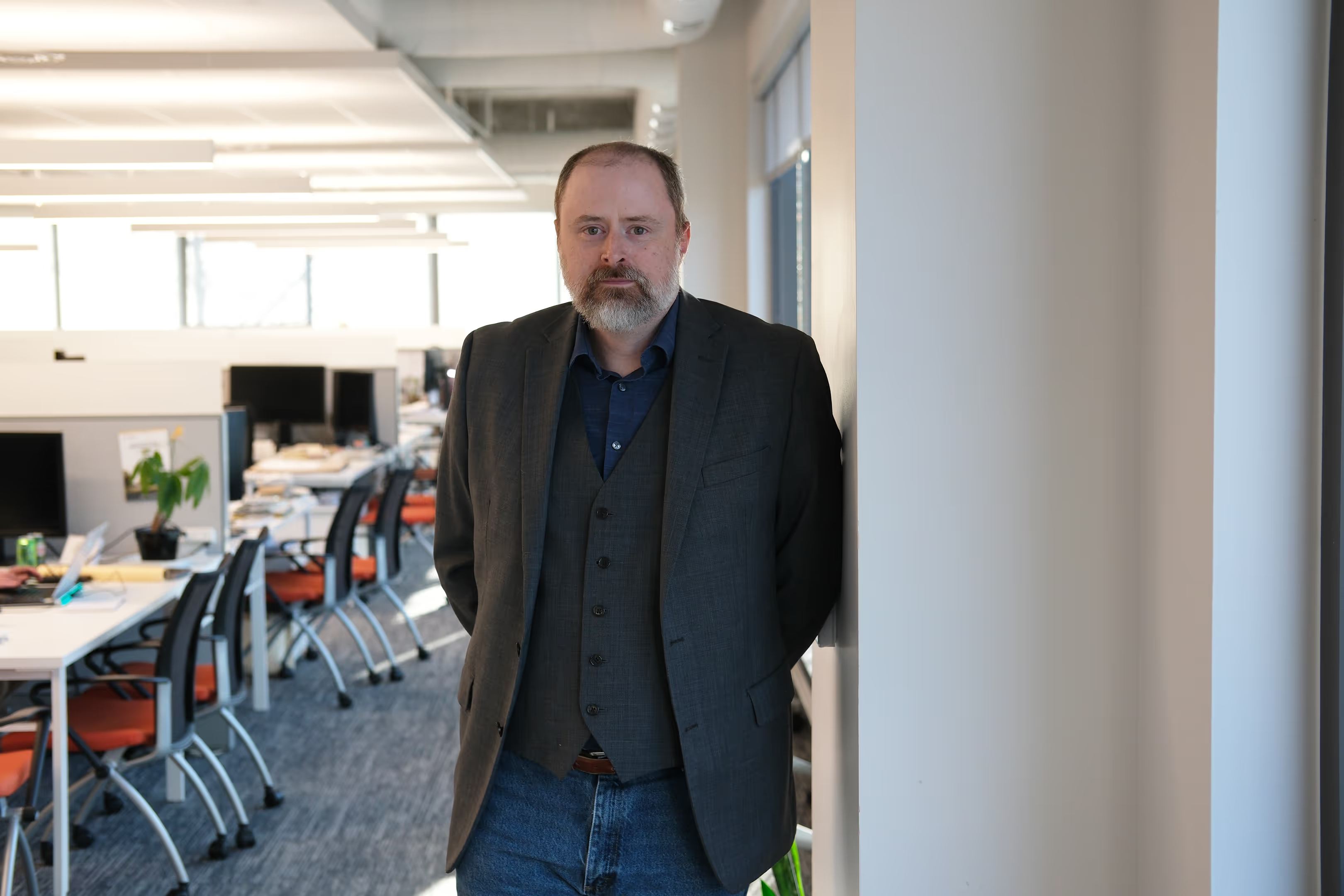
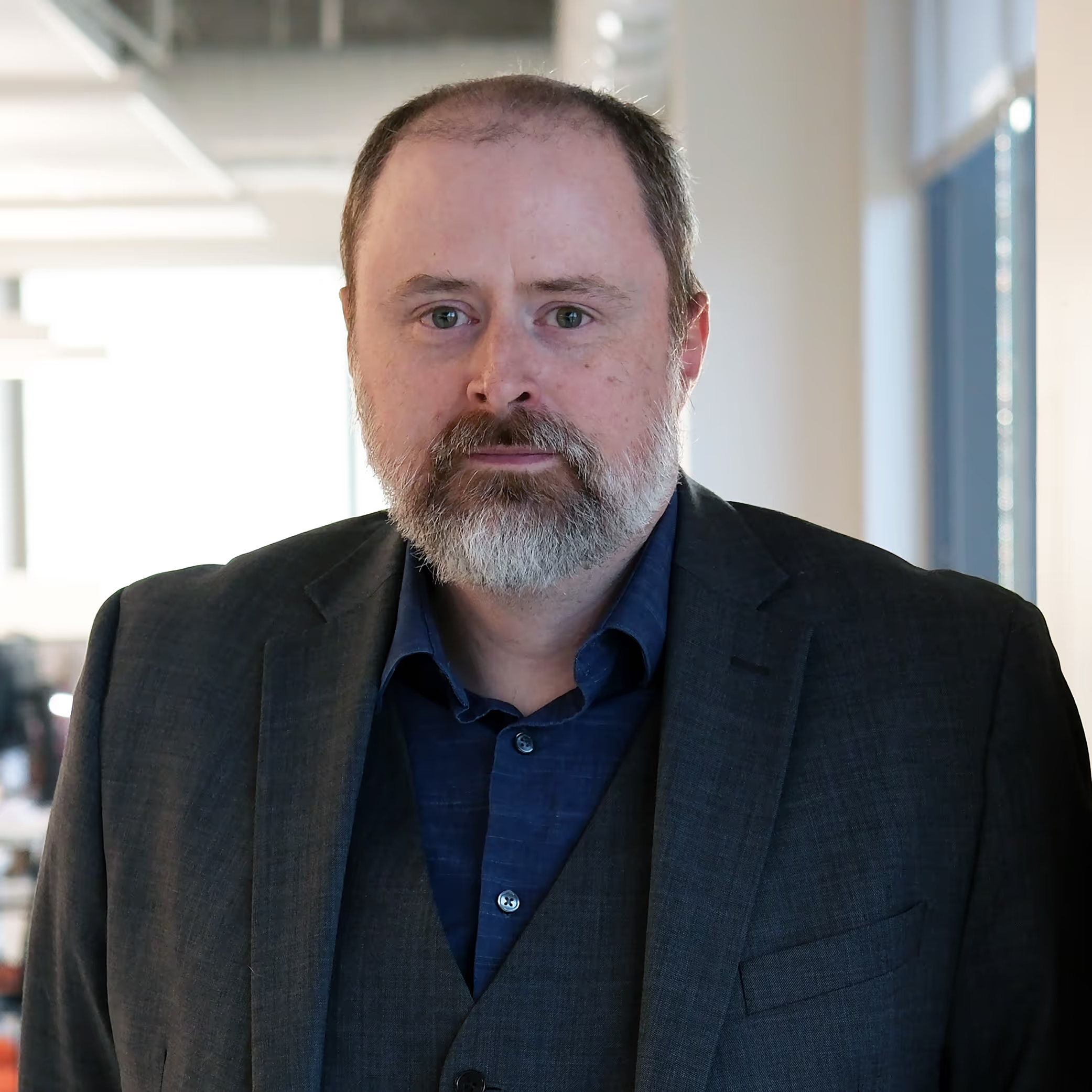
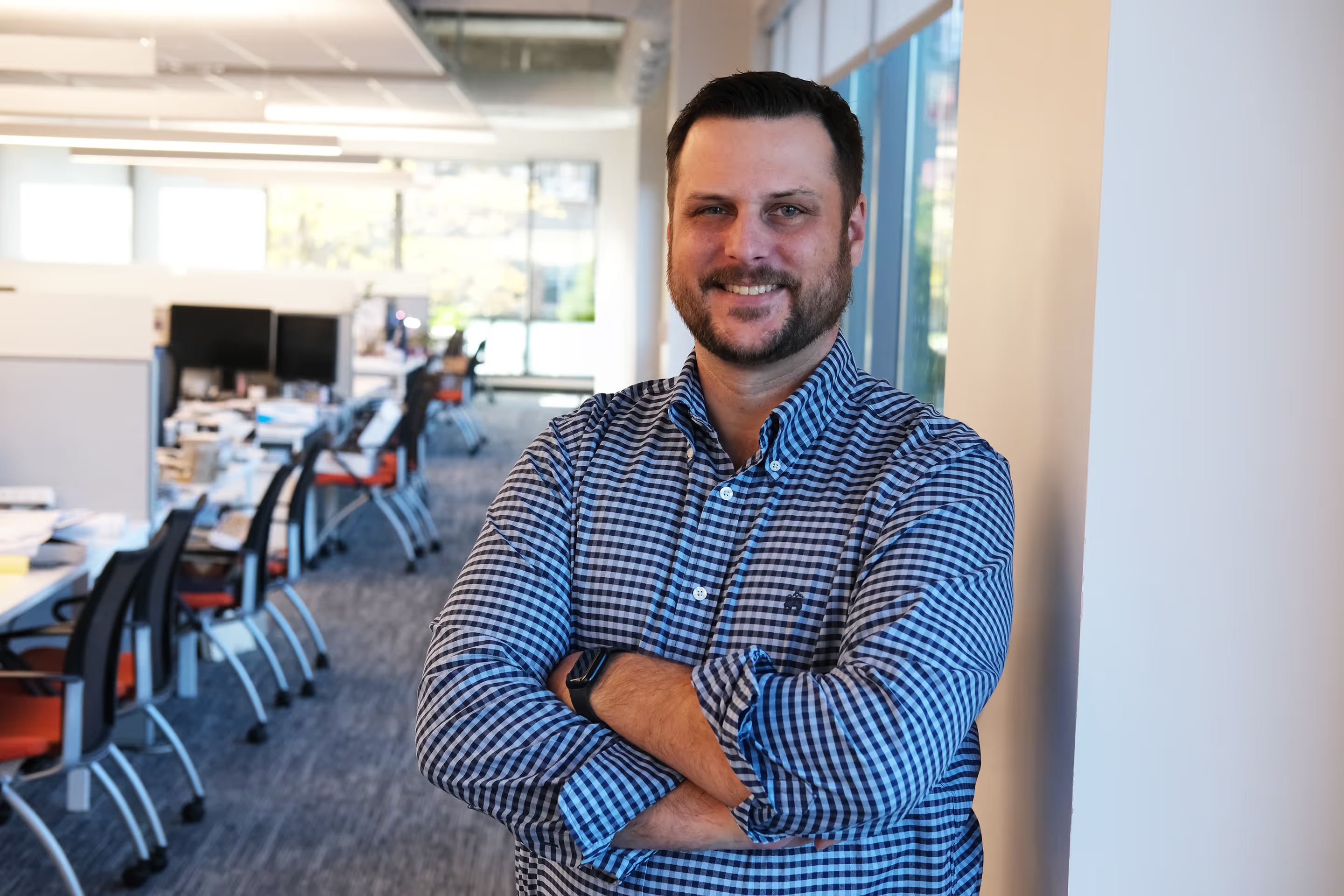
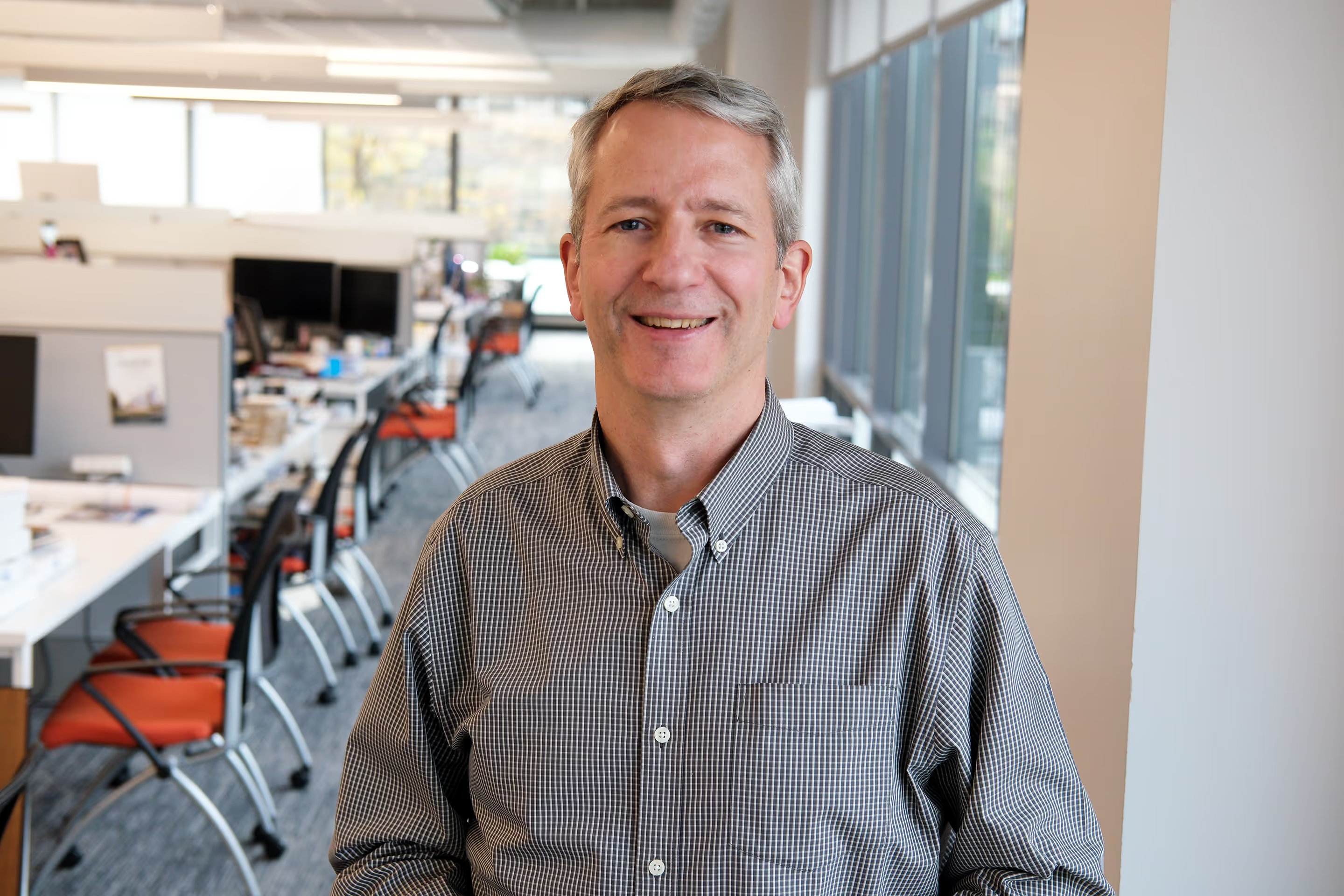
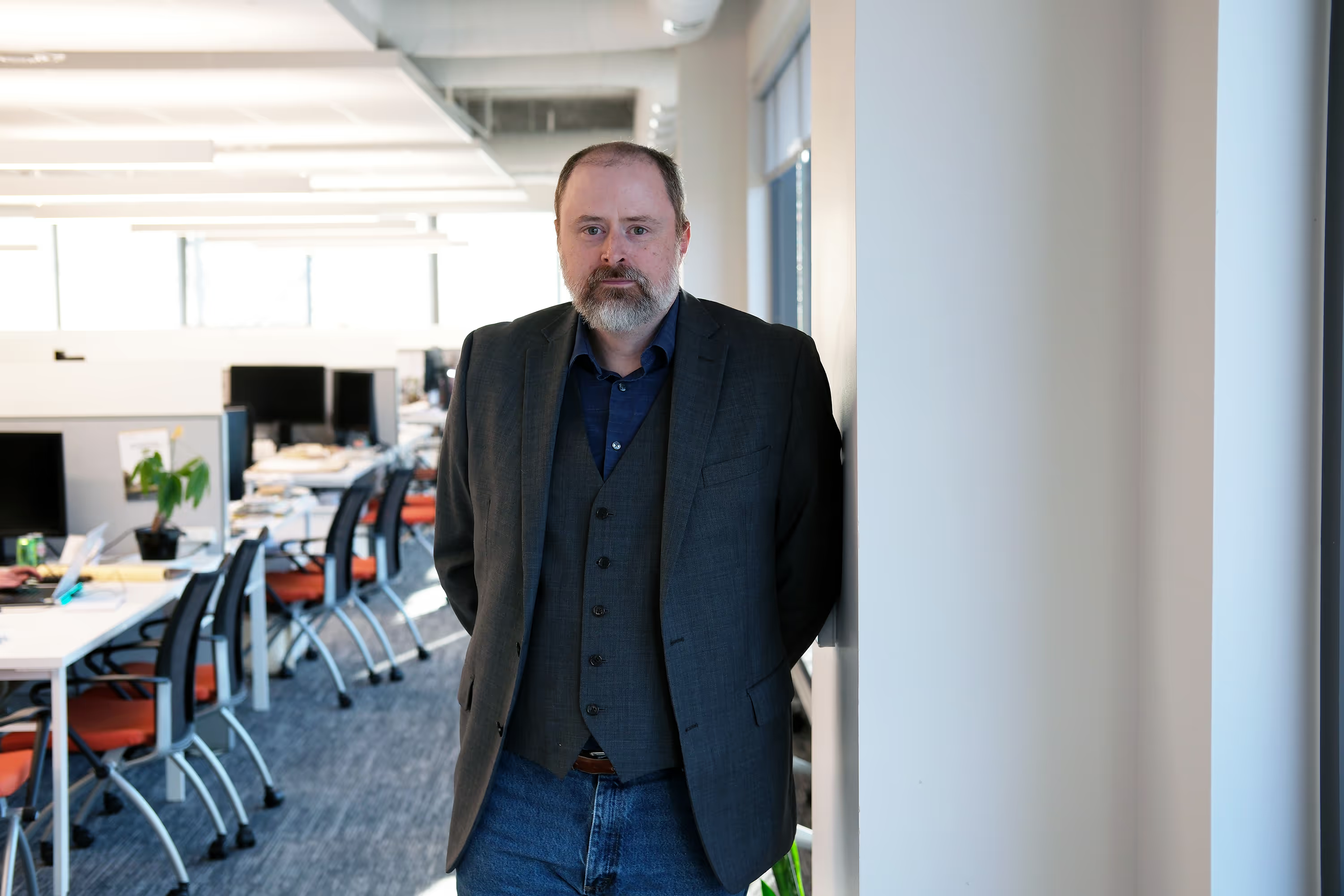
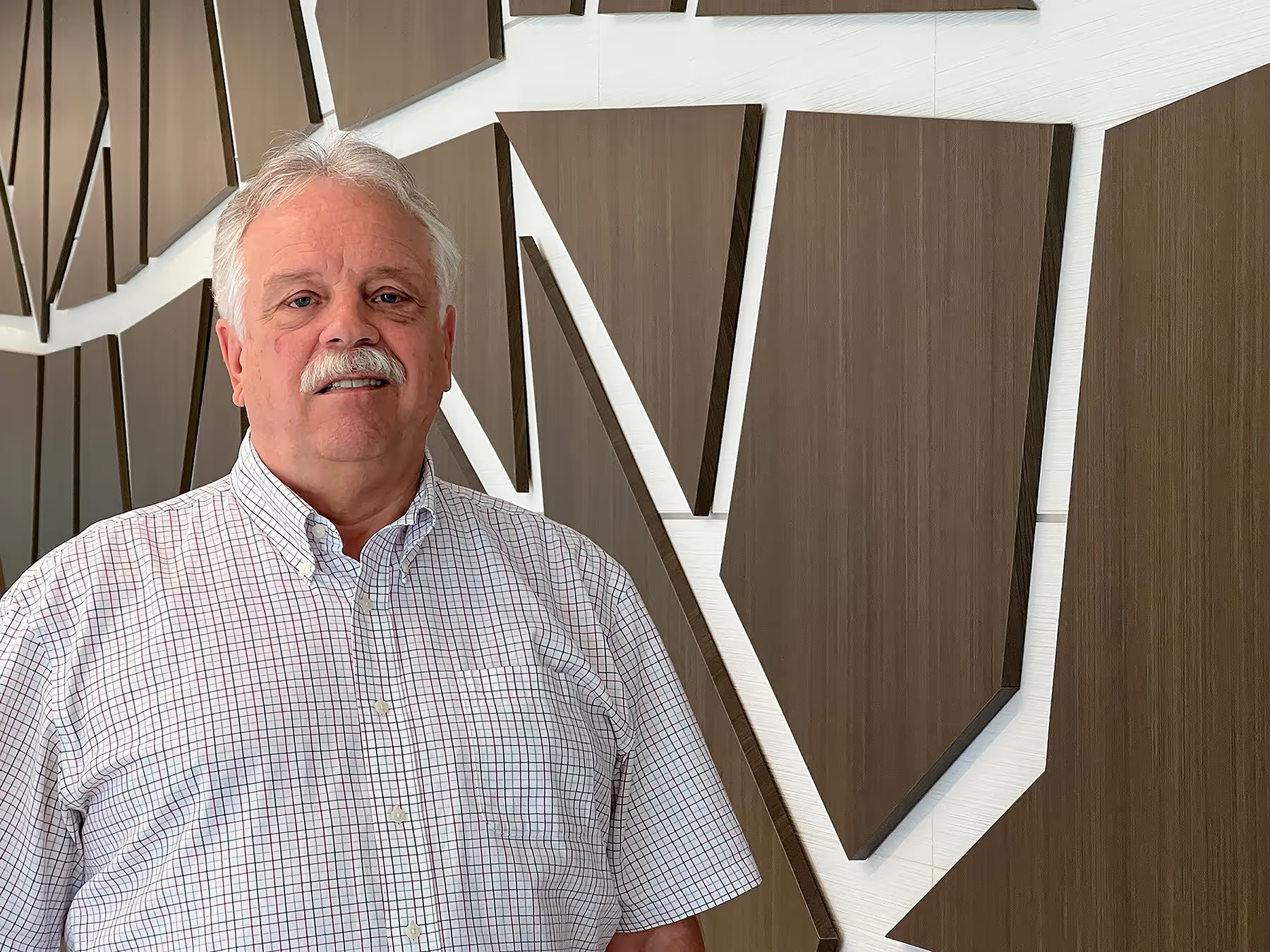
We are thrilled to welcome Tim Moran to Wilmot Sanz as a Senior Designer—a role that beautifully matches his rare blend of technical precision, artistic sensibility, and deeply human-centered curiosity. Tim’s path to architecture has never been a straight line, and that winding journey is exactly what makes his perspective so compelling.
So he pivoted—first to Art History and German, discovering a love for craft, culture, and visual language. But a future built solely on art history didn’t feel like a lifelong profession either. It was during his junior year that everything clicked: architecture offered the perfect intersection of technical rigor and artistry. That realization led him to pursue his Master of Architecture at Yale, a decision that cemented the foundation for the designer he is today.
Tim joins the firm as a newcomer to the world of healthcare design. During his interviews—particularly in conversations with firm Partner and Design Director, Jim Curran—what stood out most was the human-centered nature of the work.
In commercial architecture, Tim noted, much of the design process revolves around serving developers and well-funded clients. But healthcare? Here, the priorities shift.
“We’re designing for patients and caregivers,” he shared.
“It feels different—better. More meaningful.”
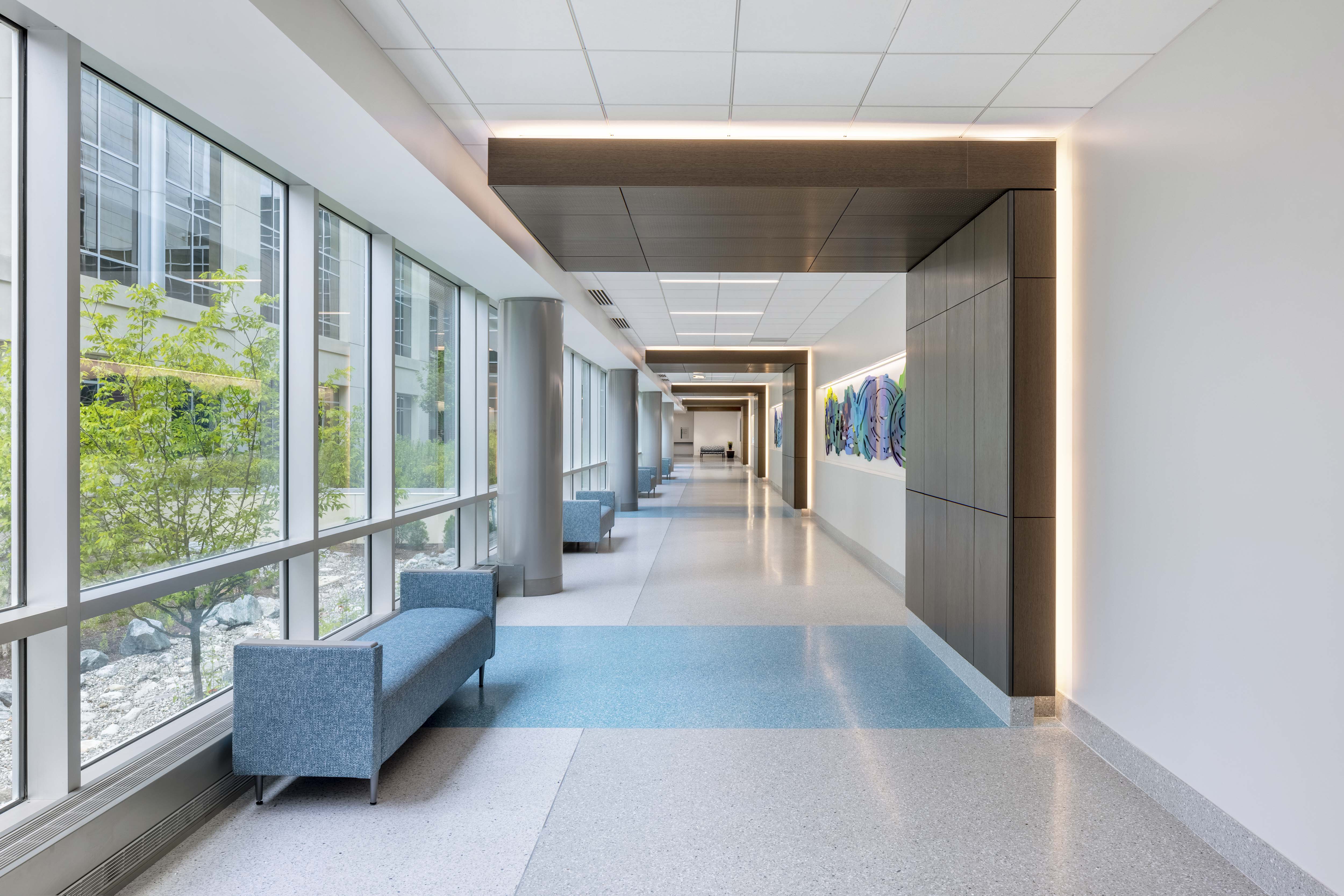
Tim is most inspired by the opportunity to design spaces that are truly user-oriented. For him, great healthcare architecture requires care and compassion long before a building is constructed. It begins with careful thinking about how people move, work, recover, and simply exist within a space.
He is energized by the challenge of creating environments where intention, empathy, and function all align—spaces that serve real people in meaningful ways.
When he’s not designing, Tim is often outdoors—hiking or doing something far less expected: glider flying.
He flies fiberglass gliders with fixed wings and enclosed canopies, launching from two clubs in the DC area. A typical soaring day begins at the Front Royal airport, where gliders are towed to roughly 3,000 feet before the real adventure begins.
From there, it’s all about reading the sky: finding thermals, following the dark-bottomed cumulus clouds where rising air gathers, listening to the variometer’s beeps as the glider catches lift, and drifting quietly through the atmosphere.
A thermal might be brief—you pop up, glide out, sink a bit, and search again—but that’s part of the beauty. It’s meditative, technical, and awe-inspiring all at once.
Sometimes he lands back at the airport. Sometimes in a field. Either way, it’s always an adventure.
Tim brings with him a unique mix of disciplined thinking, artistic depth, and a genuine desire to design environments that matter. His curiosity, humility, and passion for user-focused architecture make him an exciting addition to our healthcare-focused team.