Let's Connect
We are ready to talk healthcare design with you.
Thank you! Your submission has been received!
Oops! Something went wrong while submitting the form.

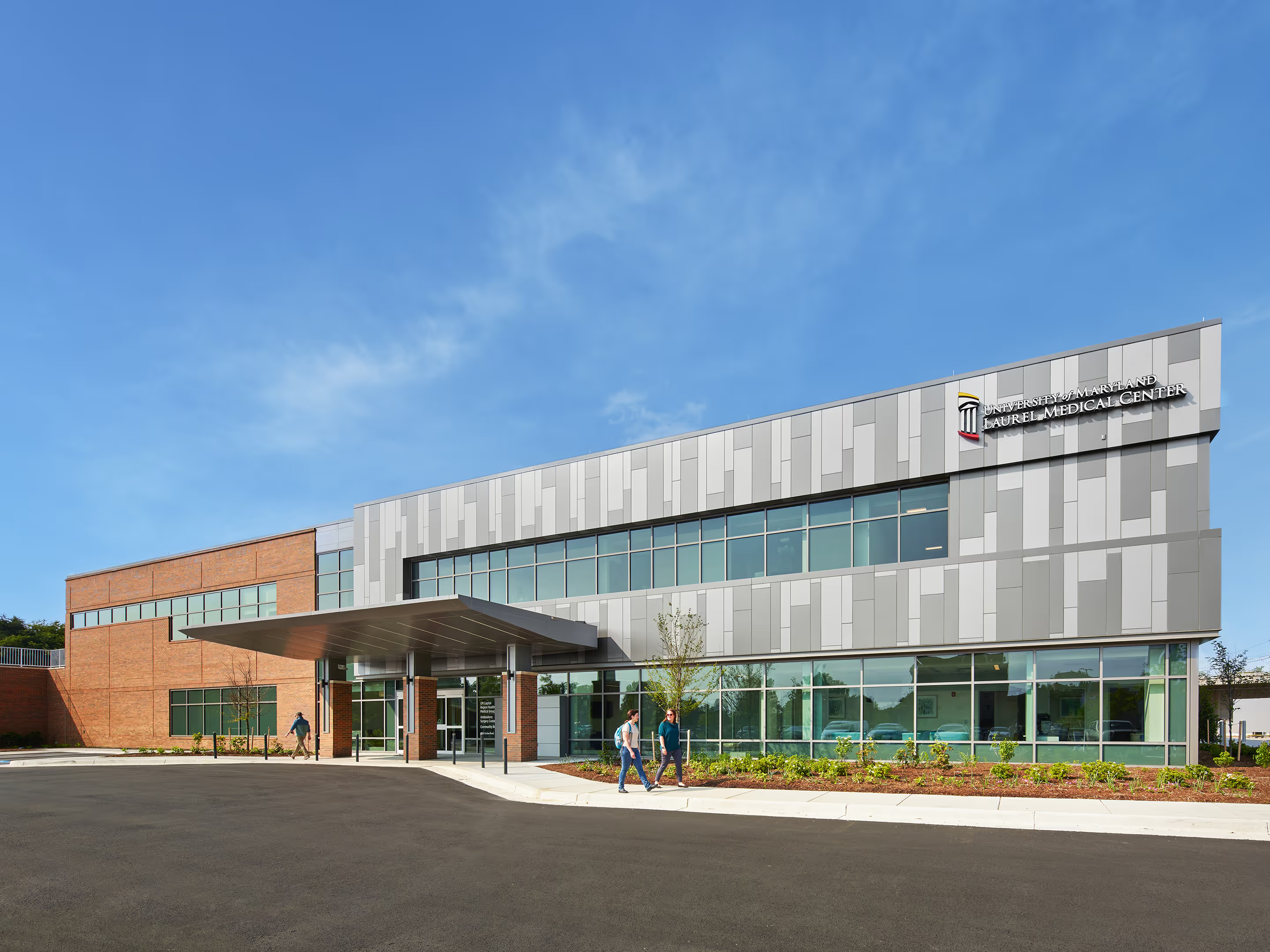
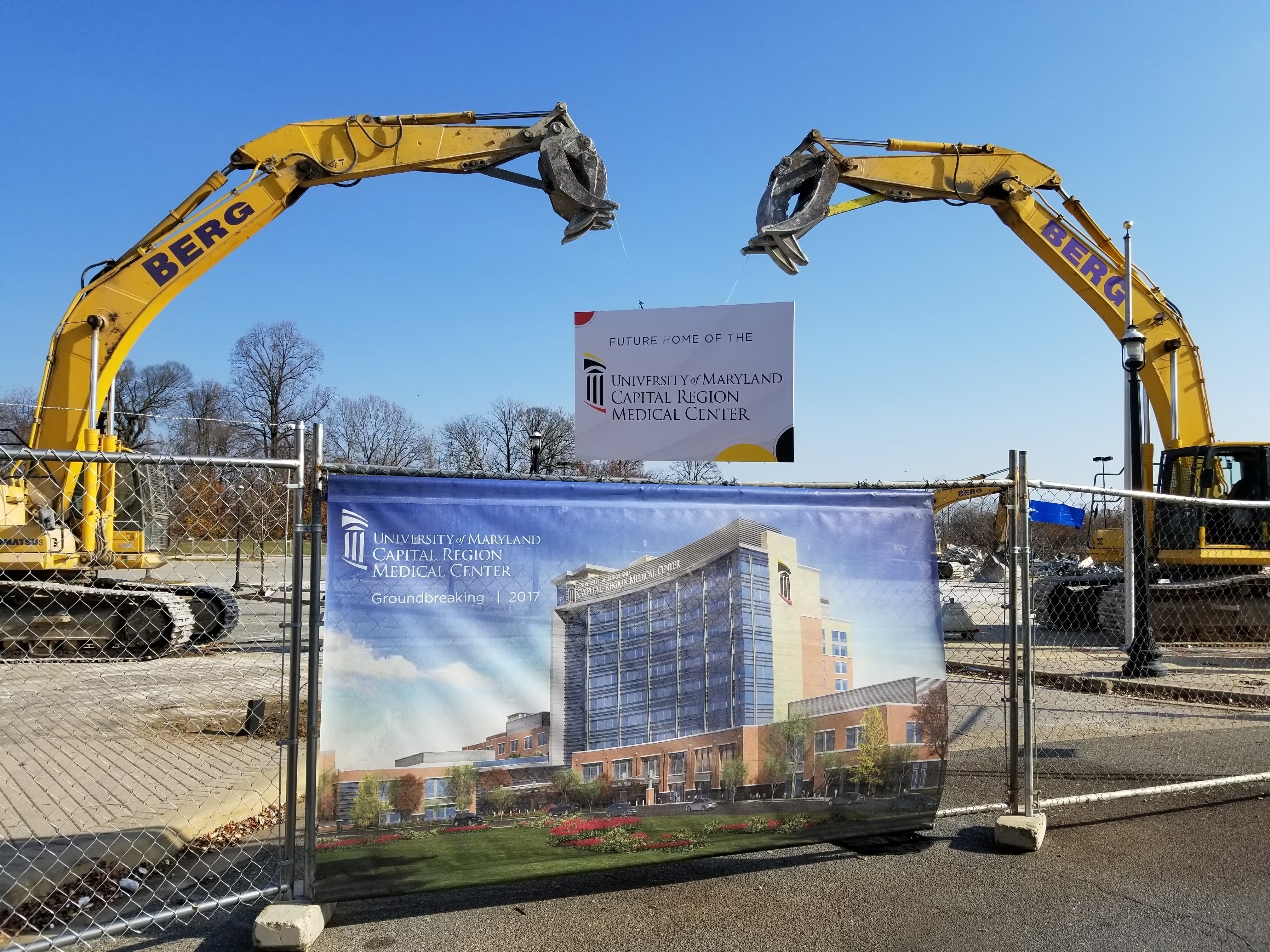
In 2019, the University of Maryland Capital Region Health (UM Capital) began an ambitious effort to reimagine the Laurel Regional Hospital campus—shifting its focus from inpatient care to a modern, community-based model centered on outpatient services and preventive wellness. This transformation reflects the evolving needs of patients and the health system’s broader vision to deliver accessible, efficient, and patient-centered care throughout Prince George’s County.
While patients requiring high-acuity or specialized inpatient services are served by the flagship Regional Medical Center in Largo, maintaining a strong presence in Laurel ensures that essential care remains close to home. The new Laurel Medical Center provides the community with a full spectrum of outpatient and emergency services designed for convenience, safety, and comfort.
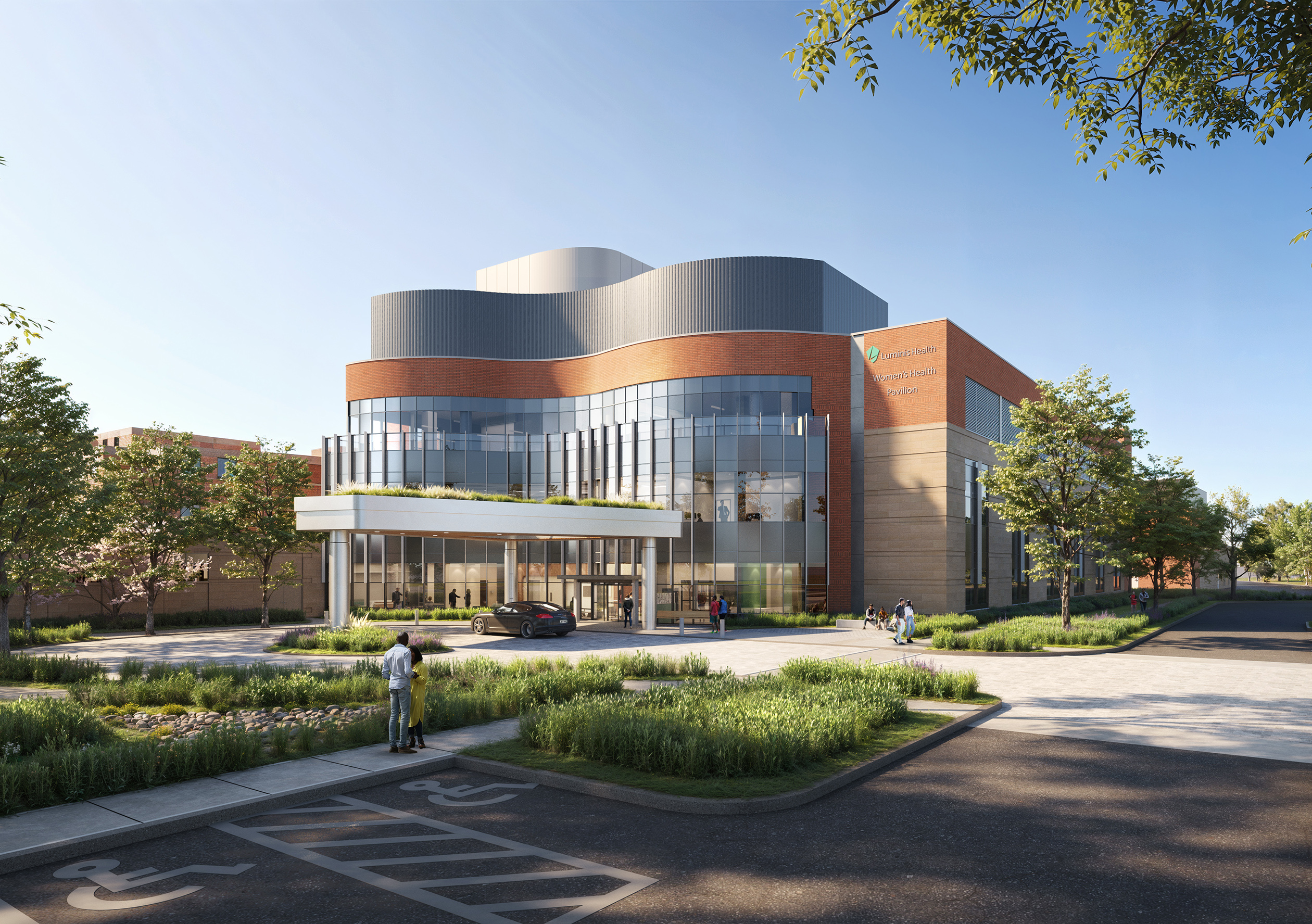
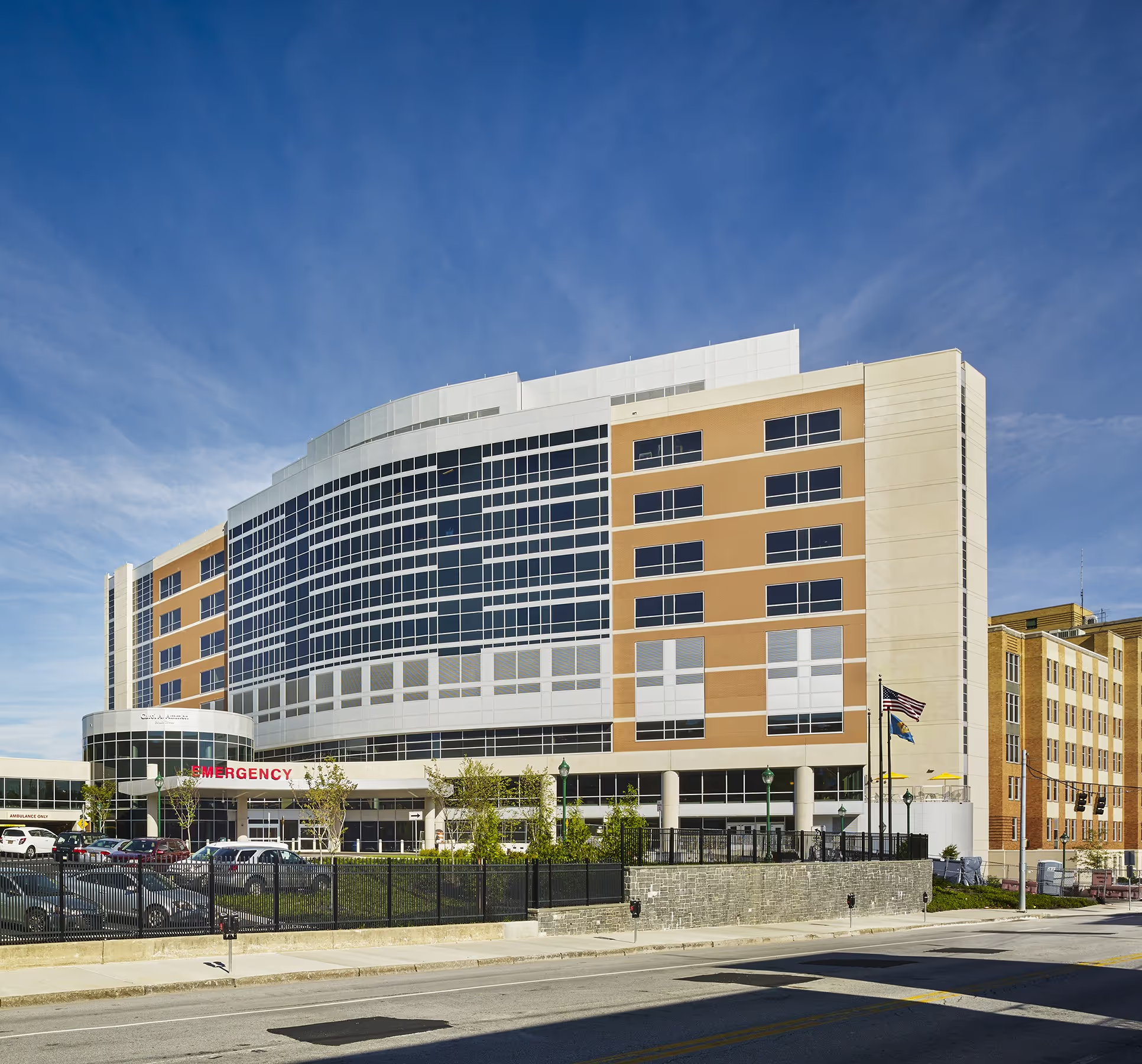
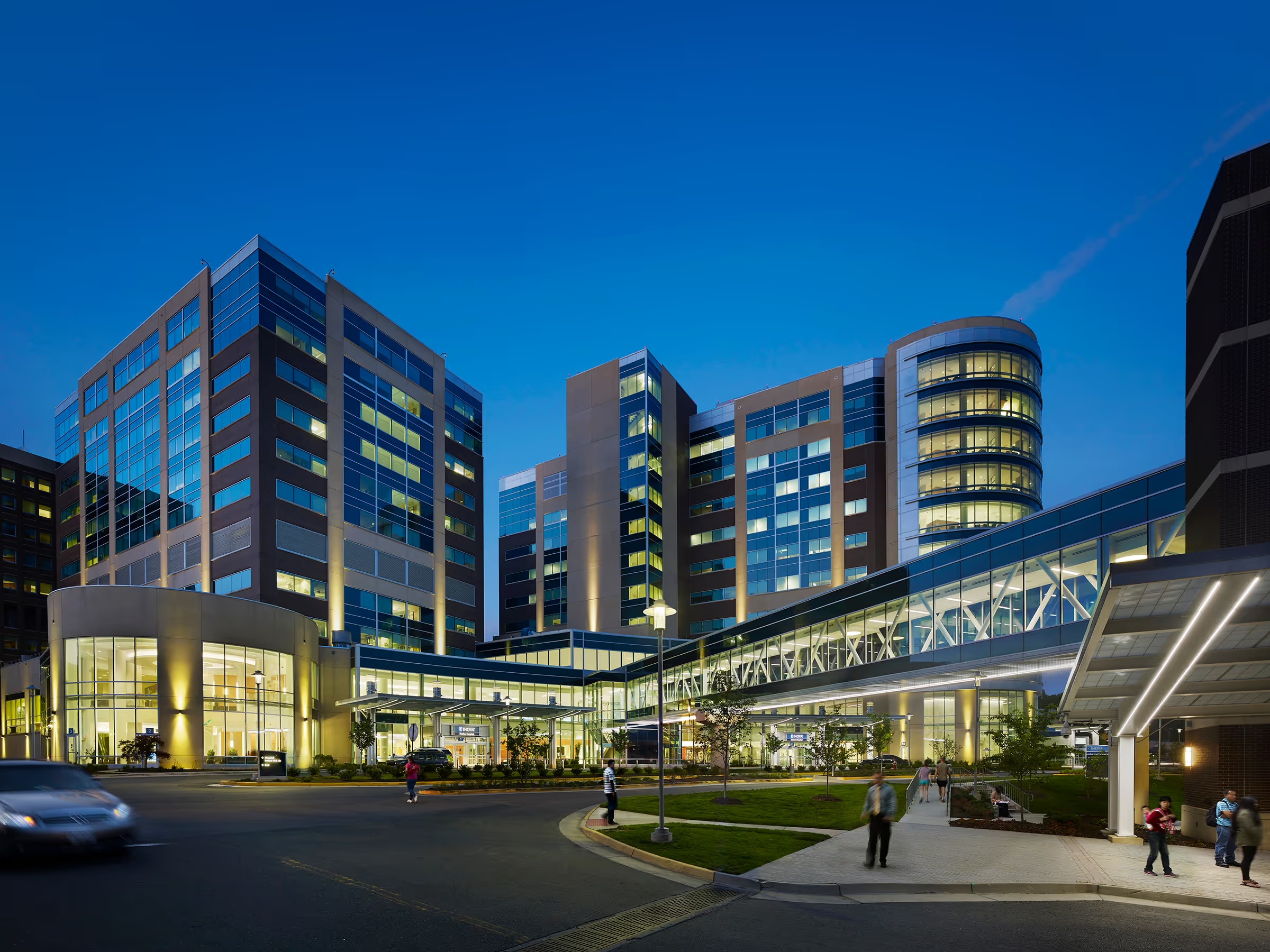
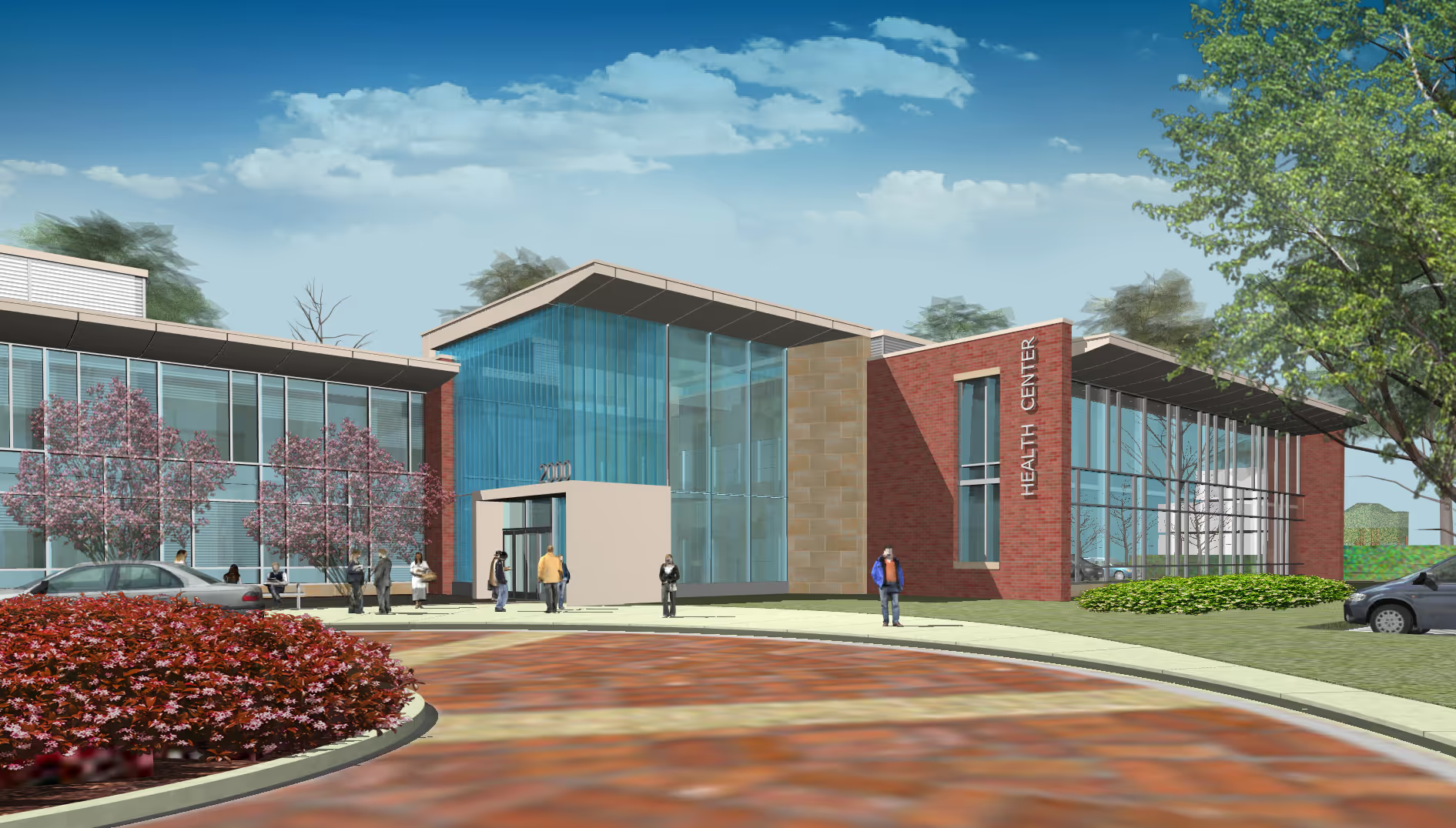
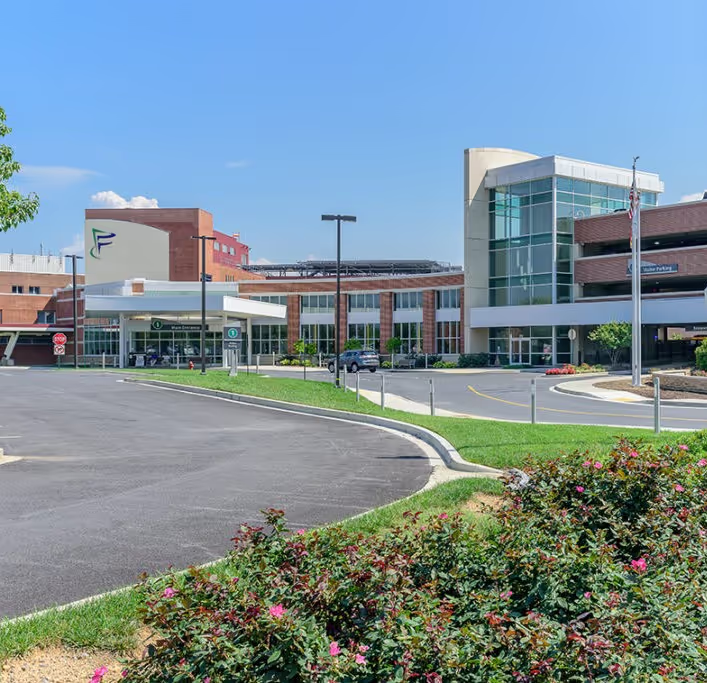
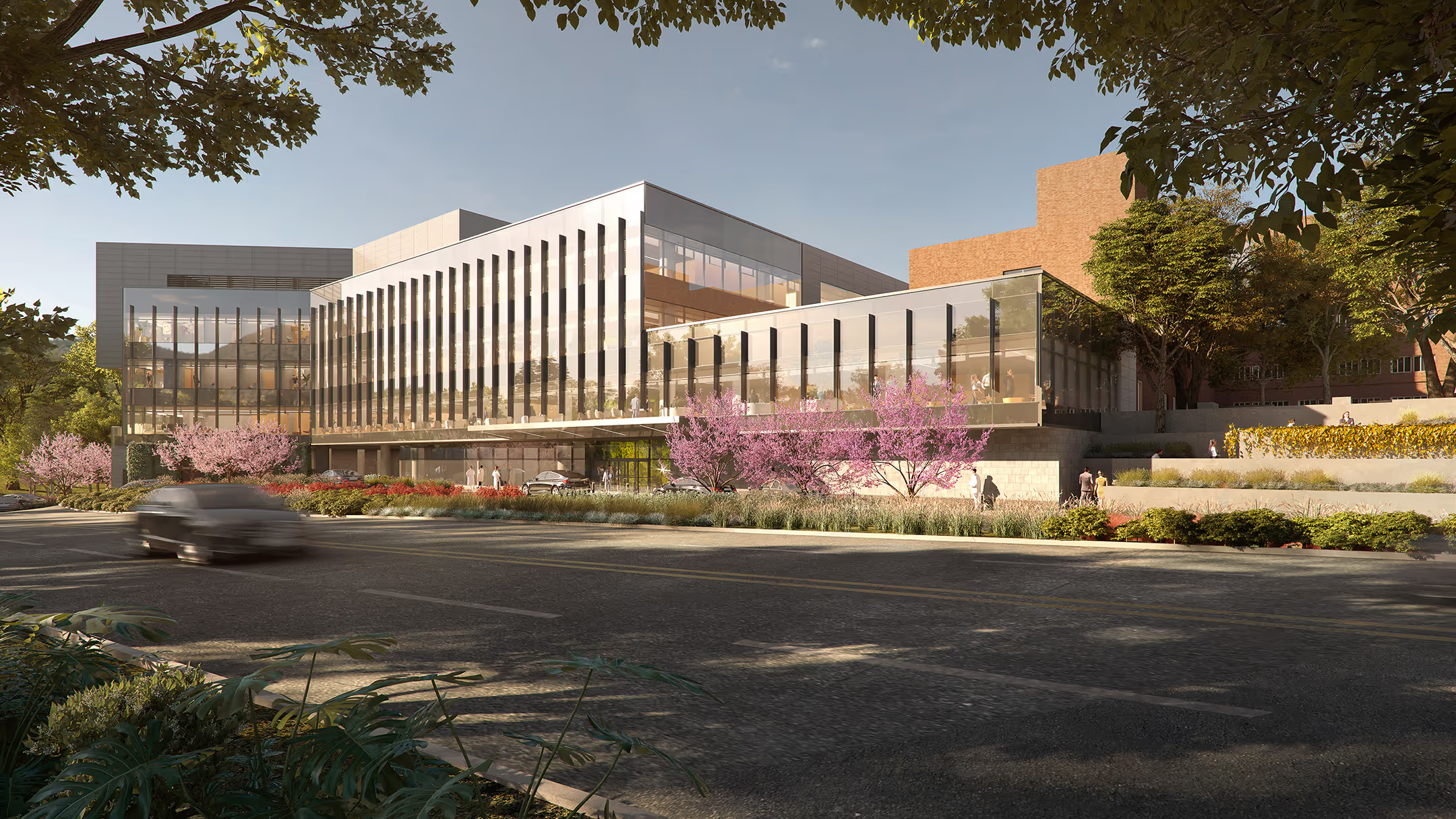
Designed by Wilmot Sanz, the 84,000-square-foot facility spans two floors and is set on a lush, park-like campus that welcomes patients and families with a sense of calm and connection. The new medical center brings together a range of essential services under one roof, including primary and specialty care, behavioral health, outpatient surgery, imaging, and 24/7 emergency care.
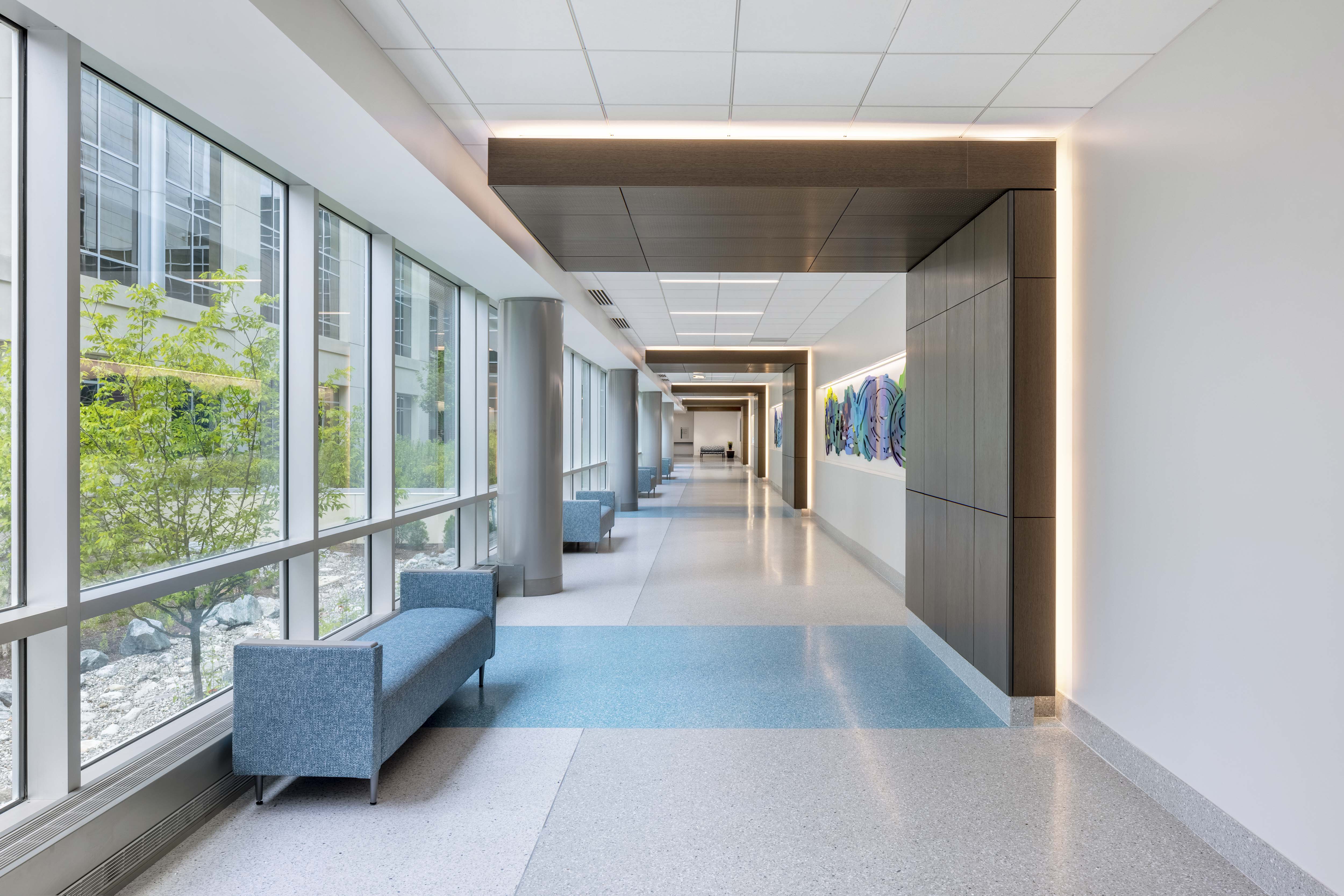
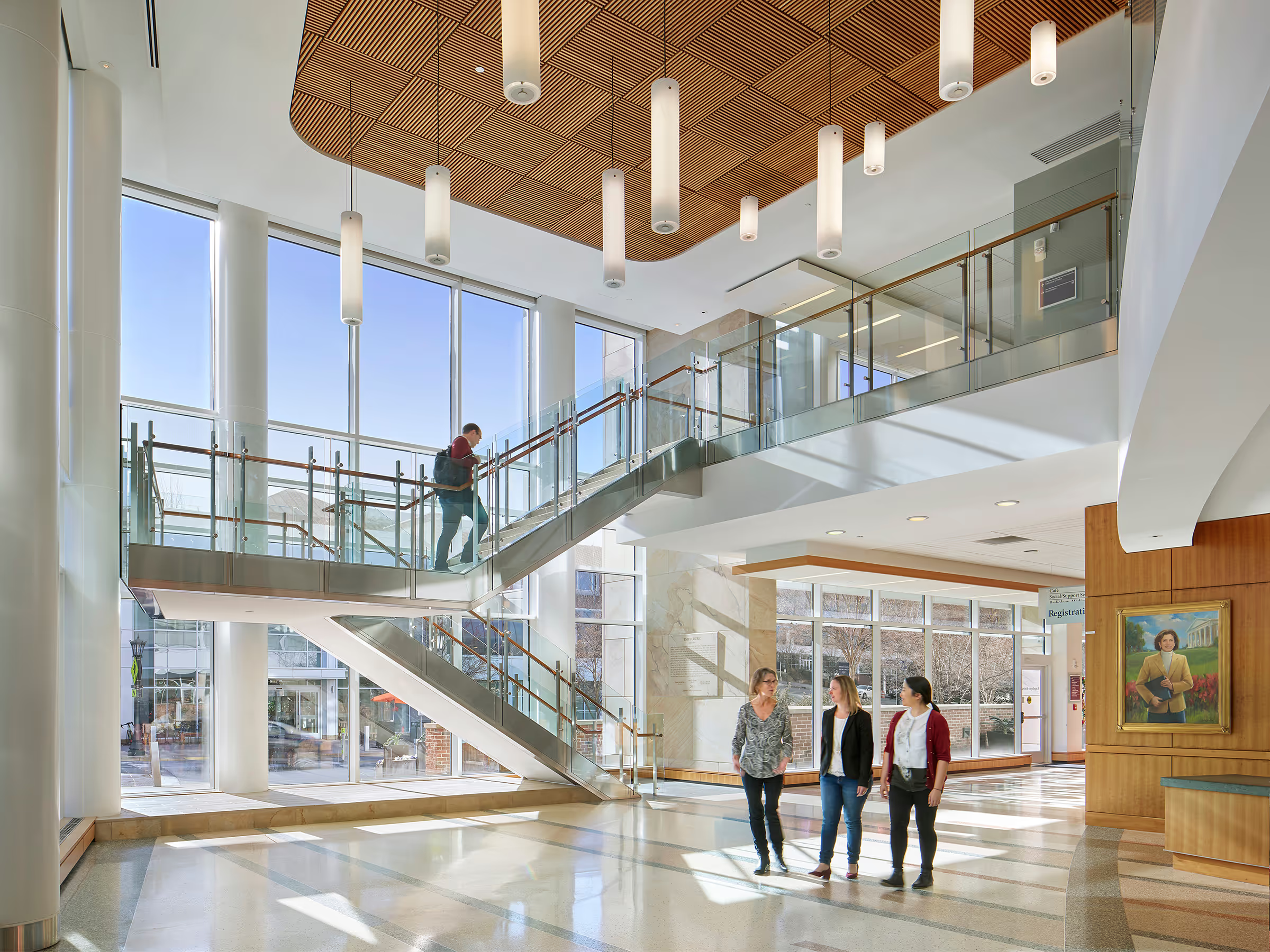
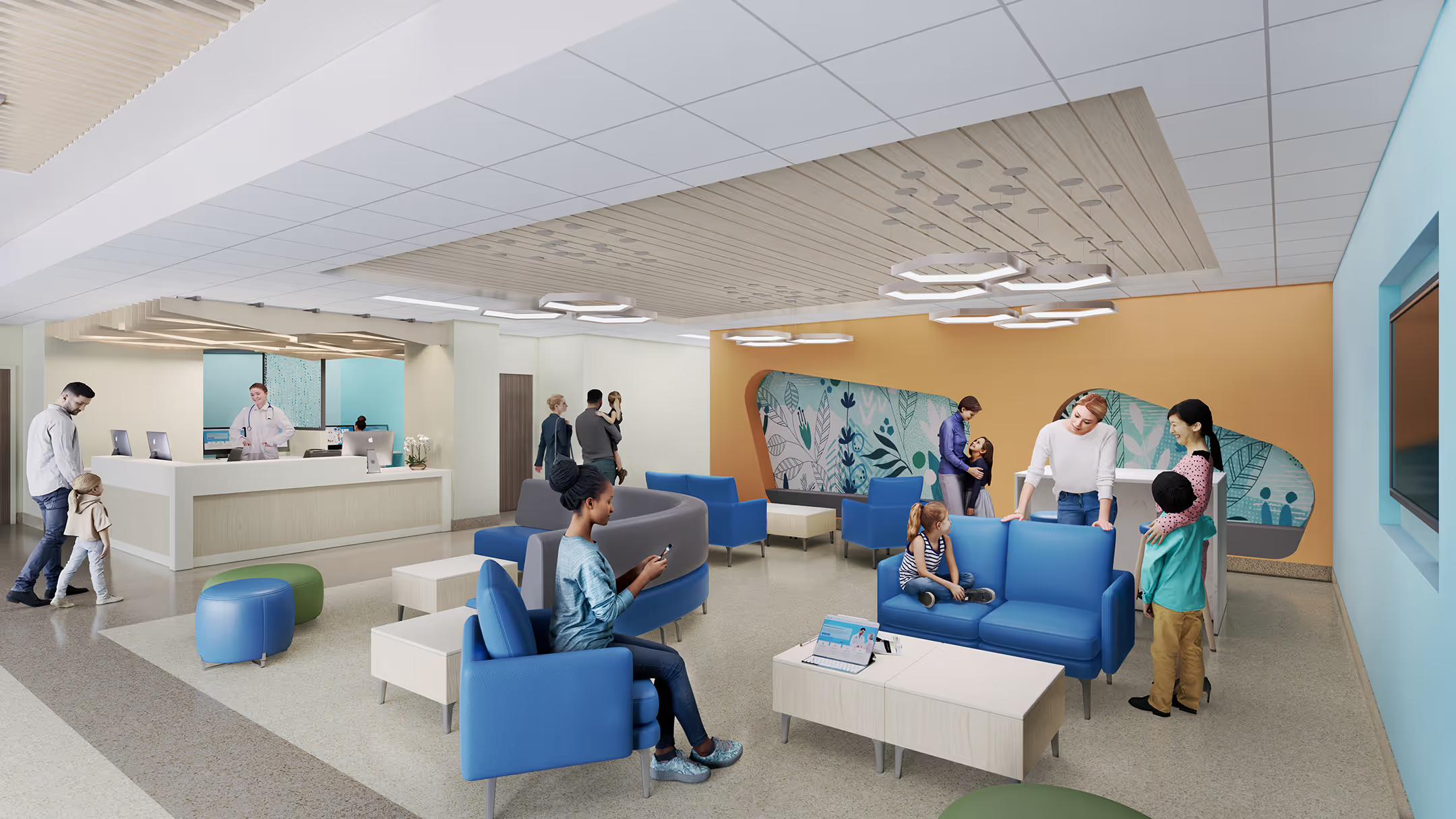
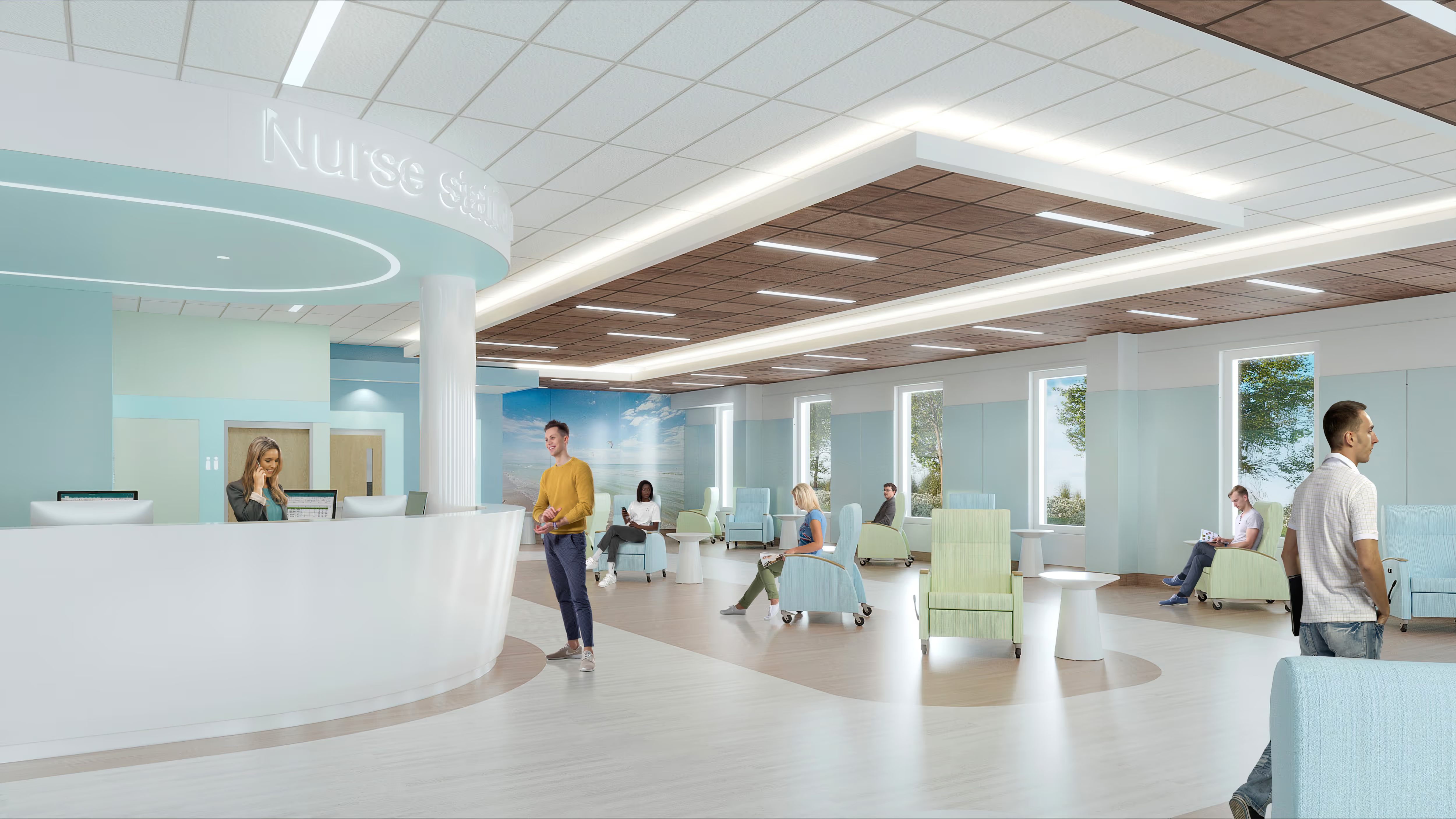
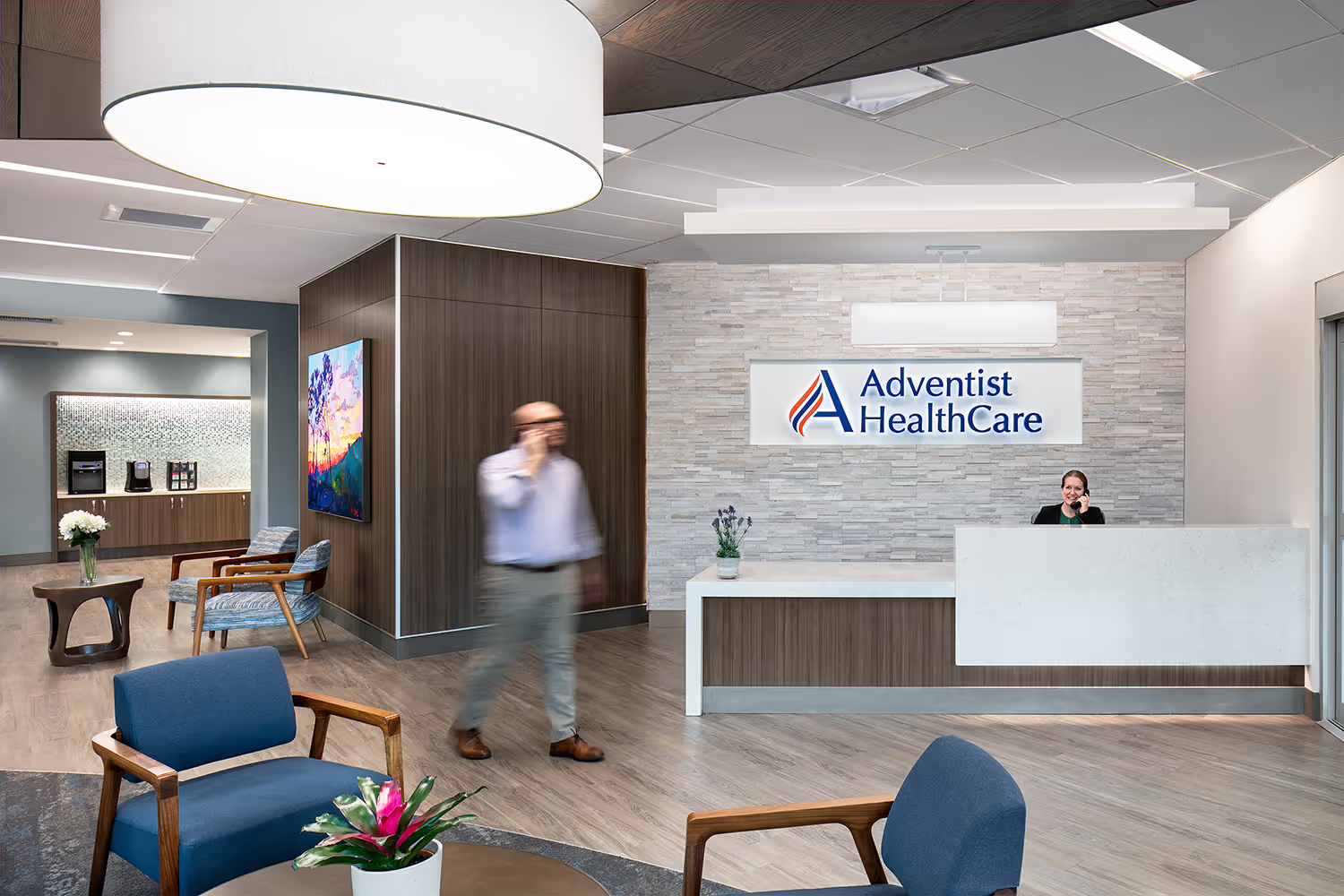
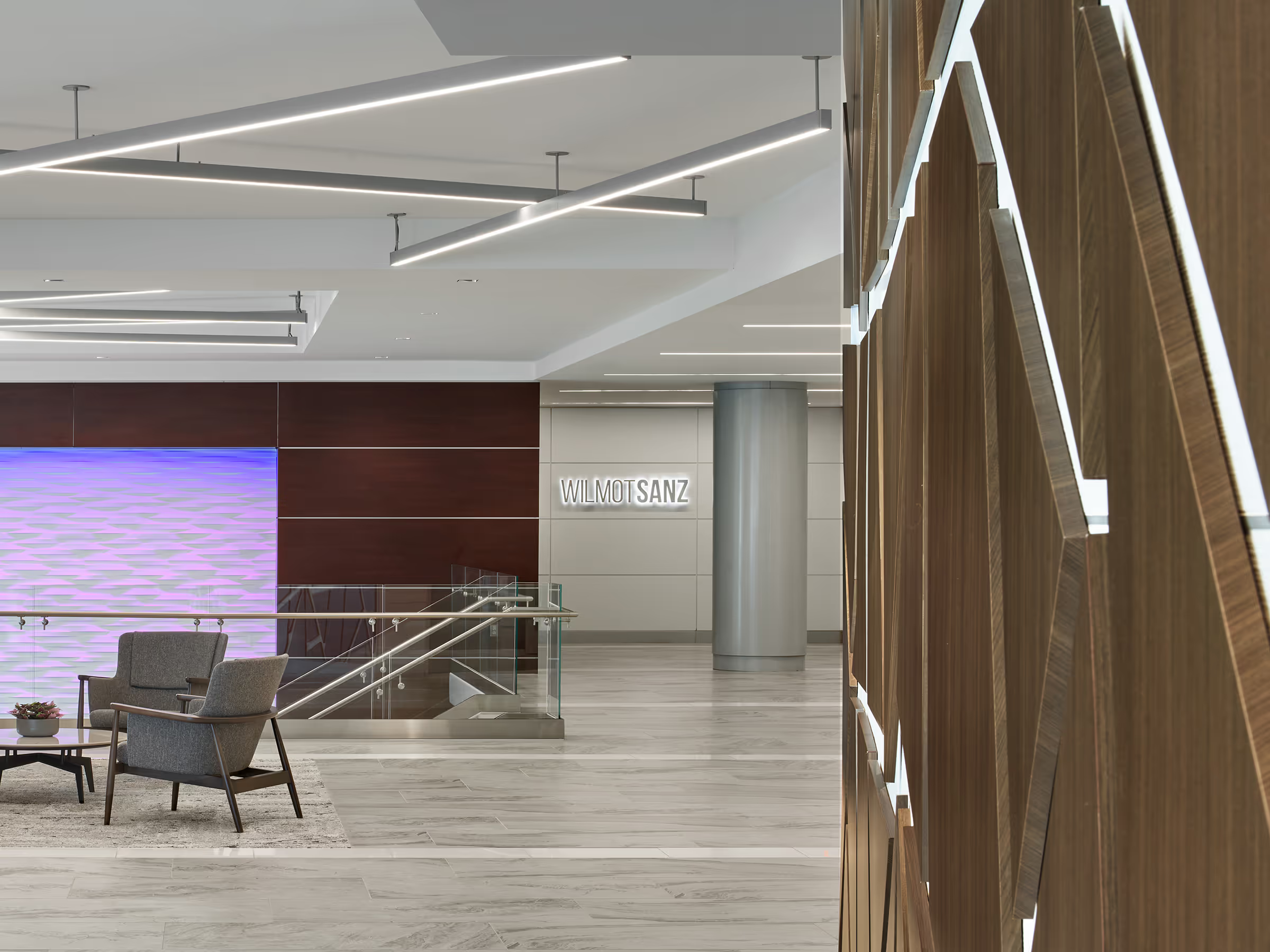
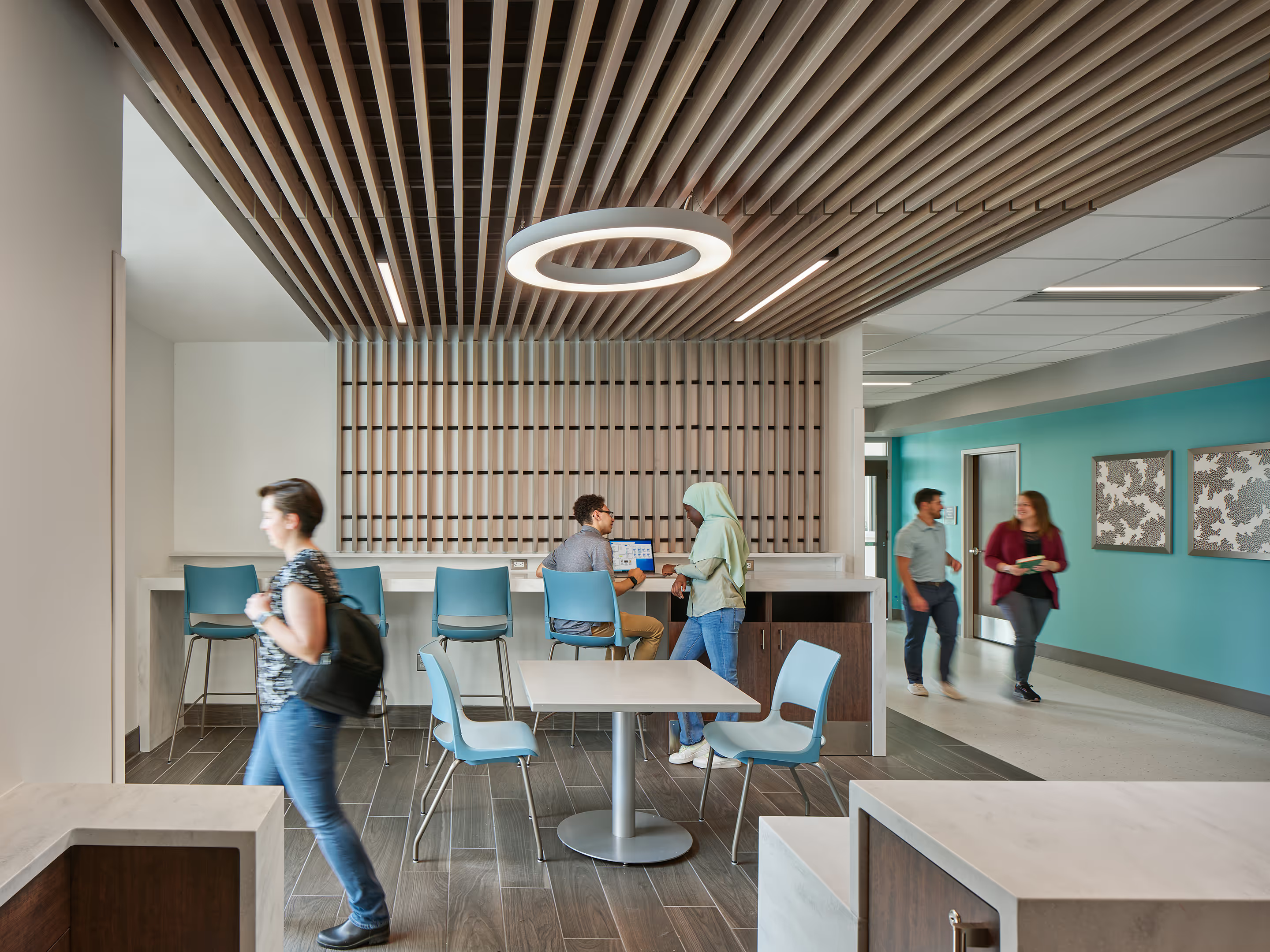
Upon entering the light-filled main lobby, patients are greeted by warm, inviting interiors that balance efficiency with comfort. A grab-and-go café offers healthy refreshments, while open waiting and touchdown areas create opportunities for rest, privacy, and connection.
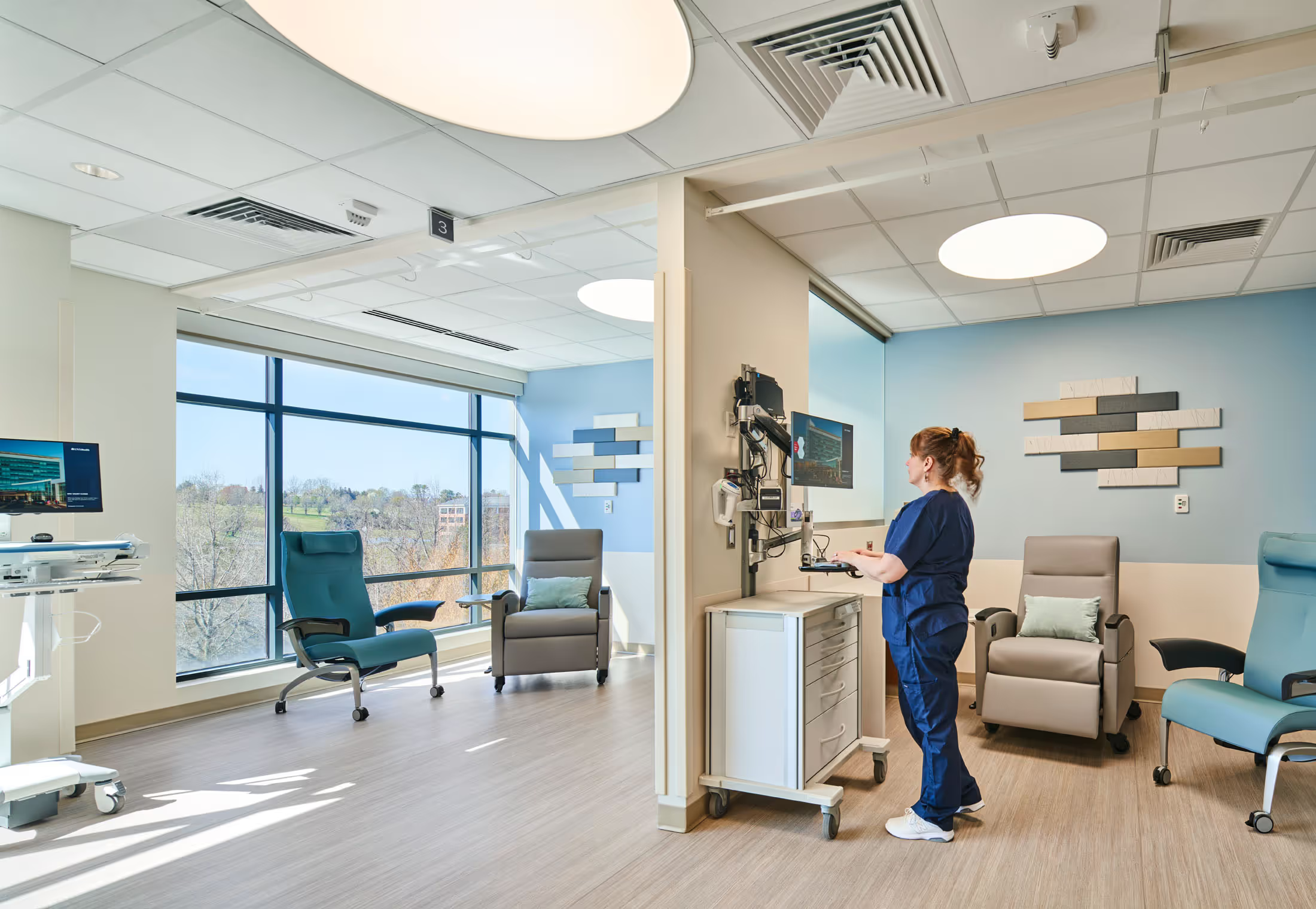
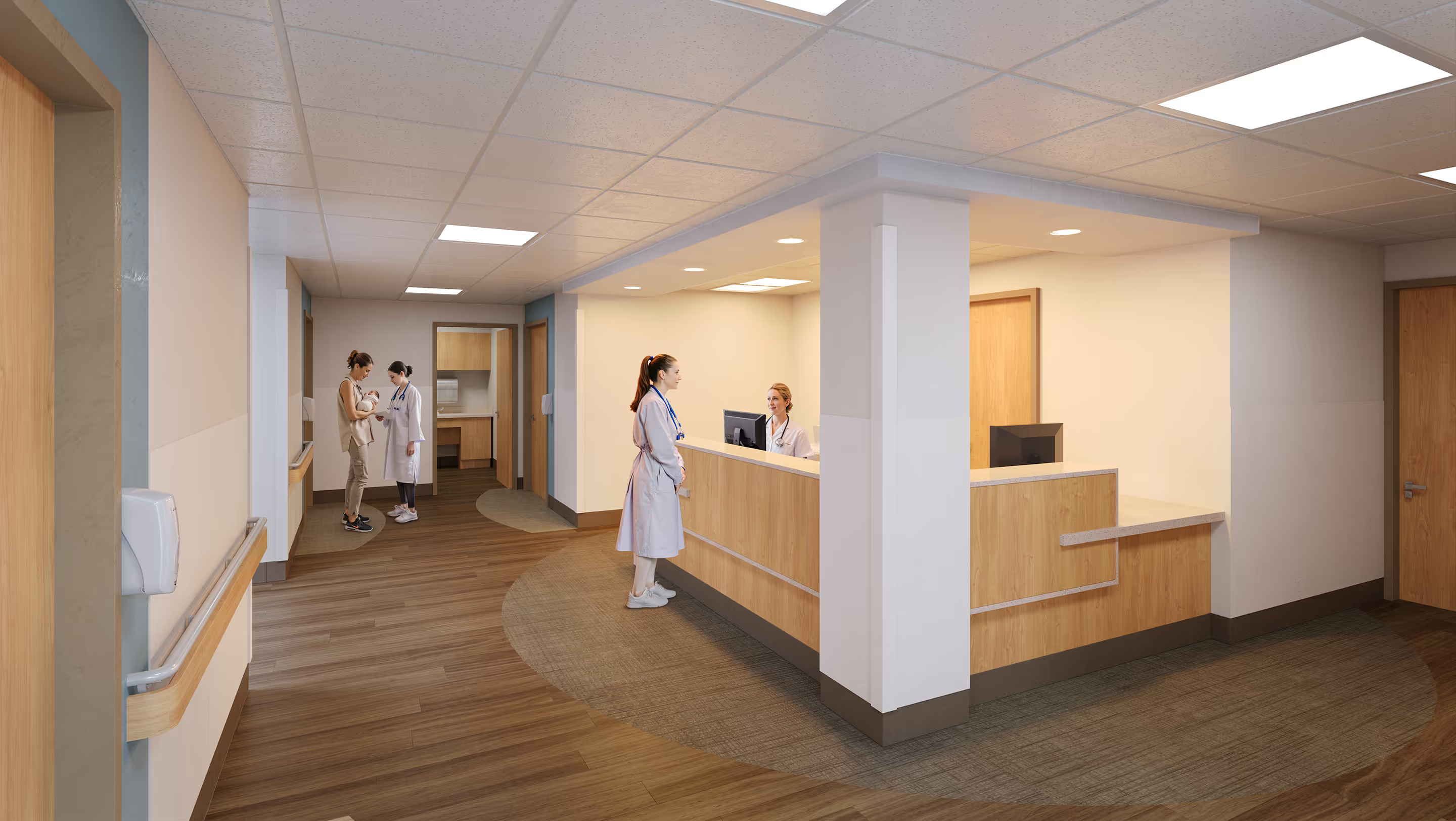
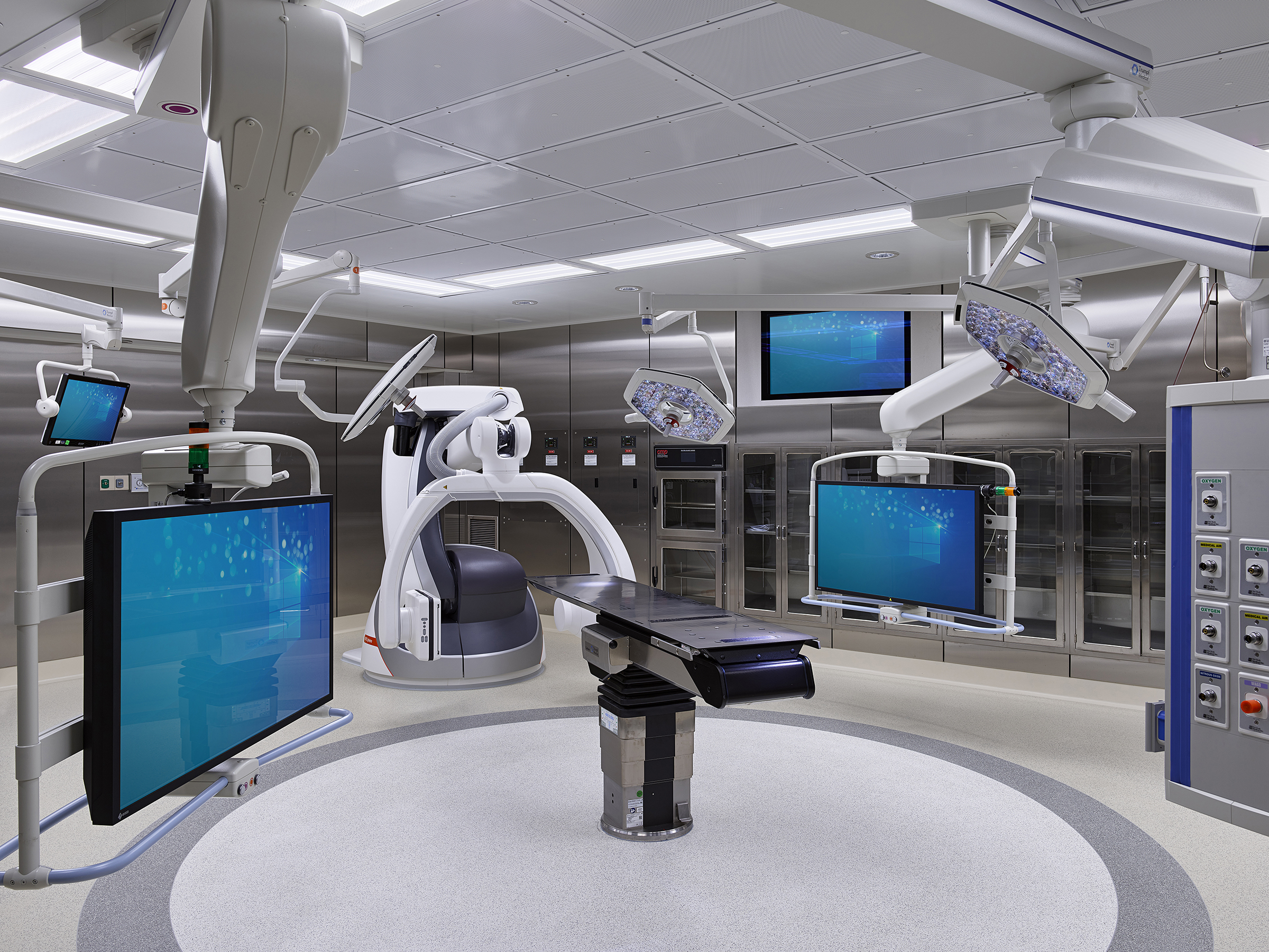
The first floor houses a surgery center and specialty physician offices, including internal medicine, obstetrics/gynecology, maternal-fetal medicine, pulmonary medicine, and pain management. Each space was thoughtfully planned to streamline patient flow, reduce stress, and enhance coordination among providers.
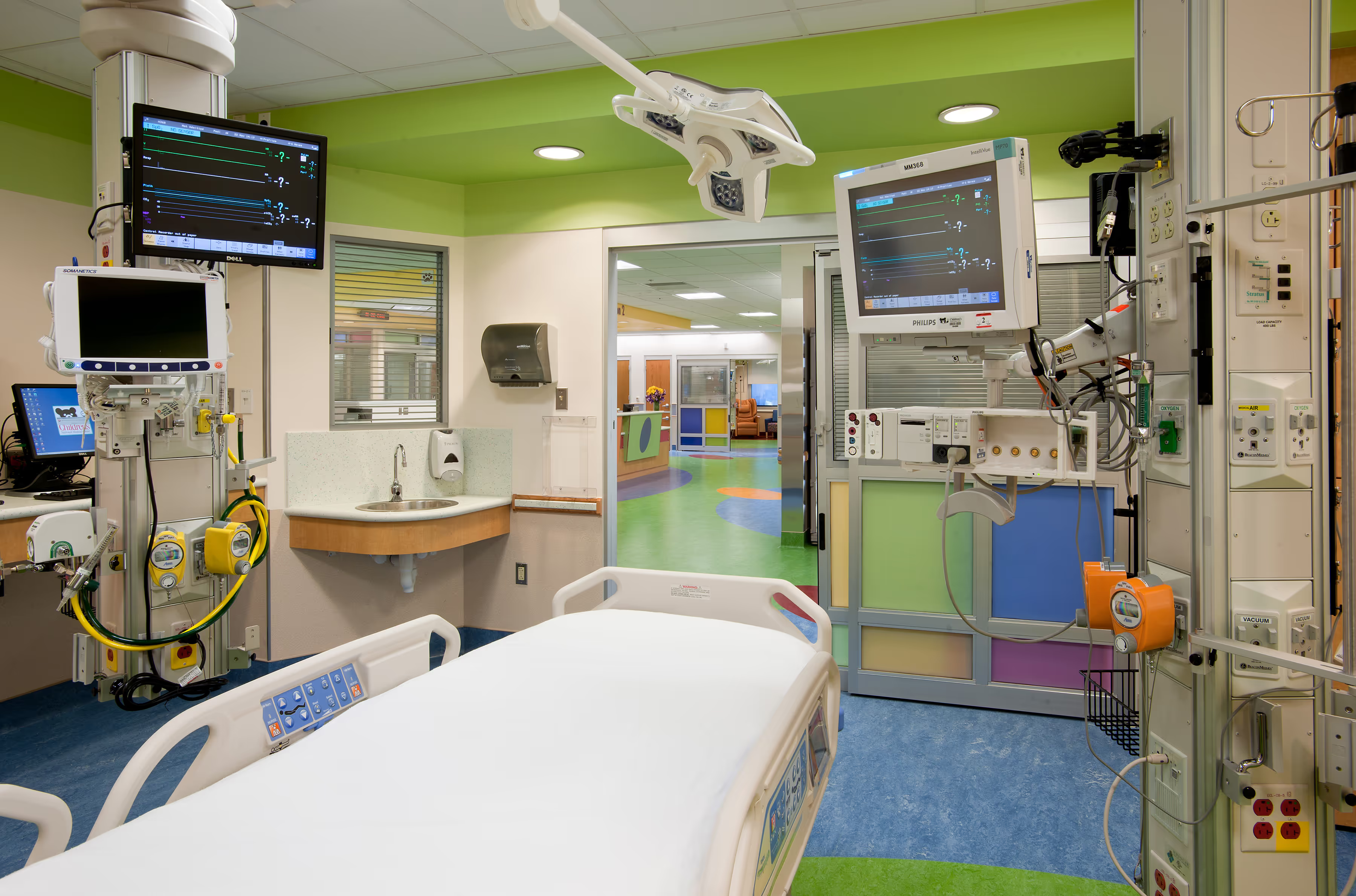
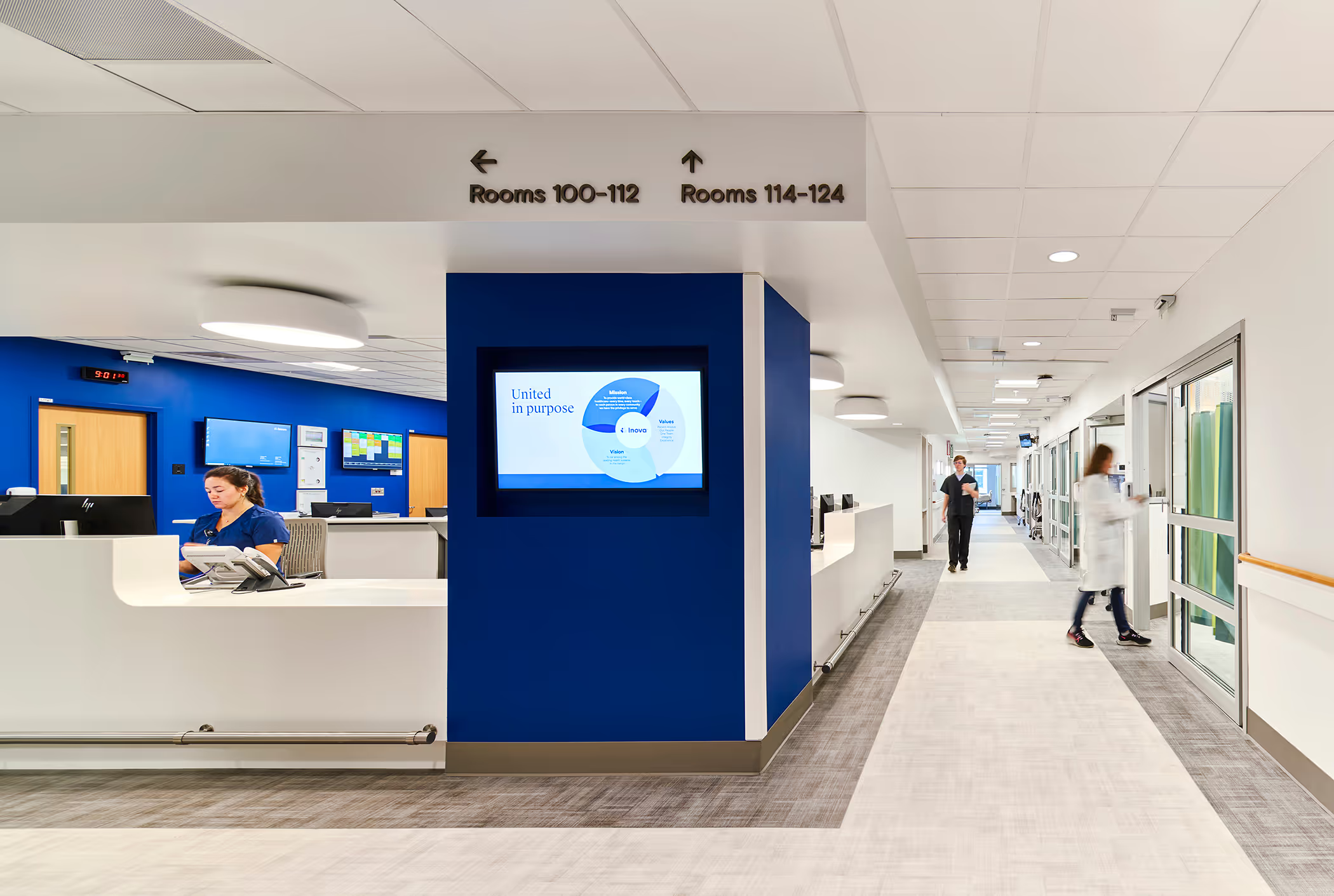
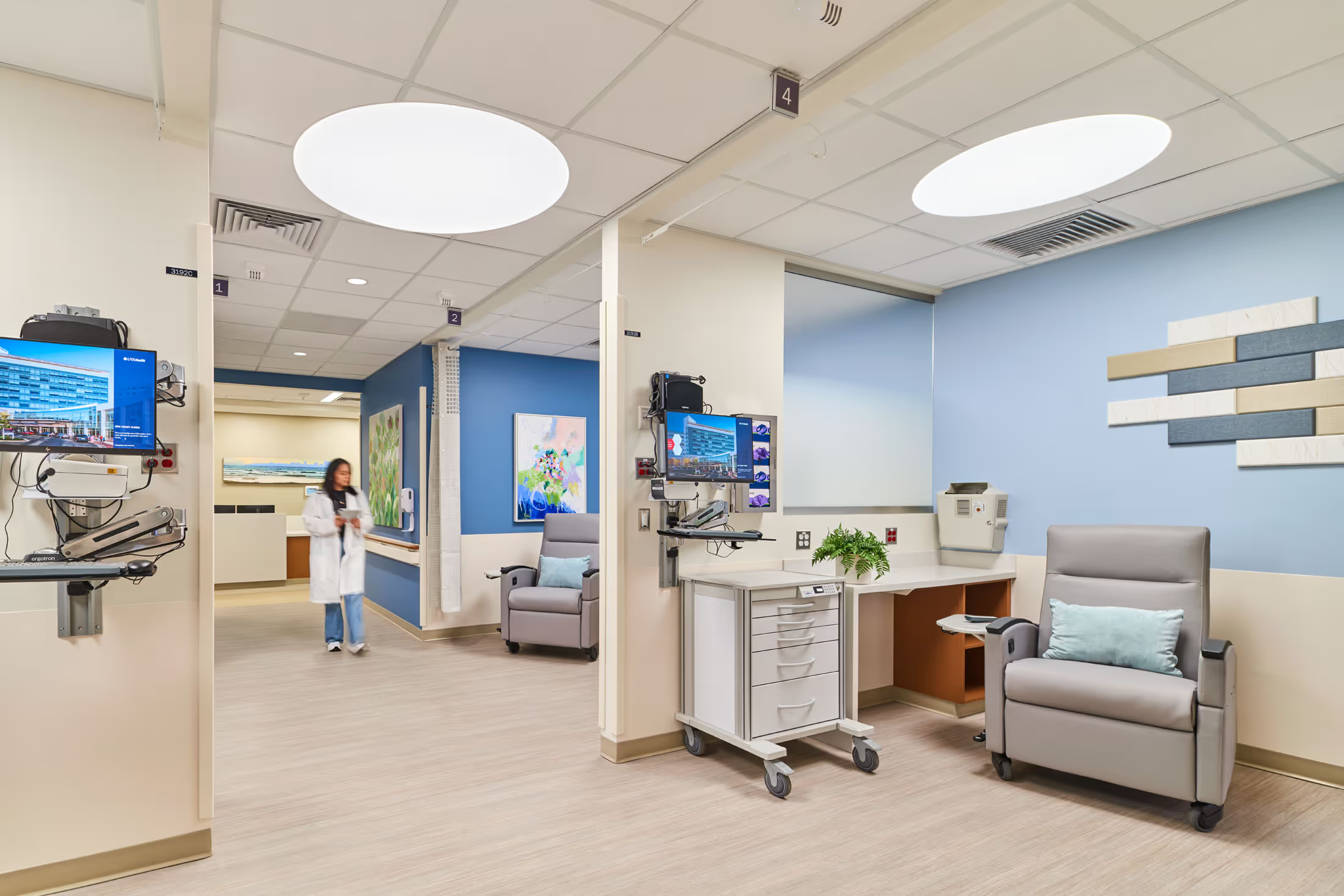
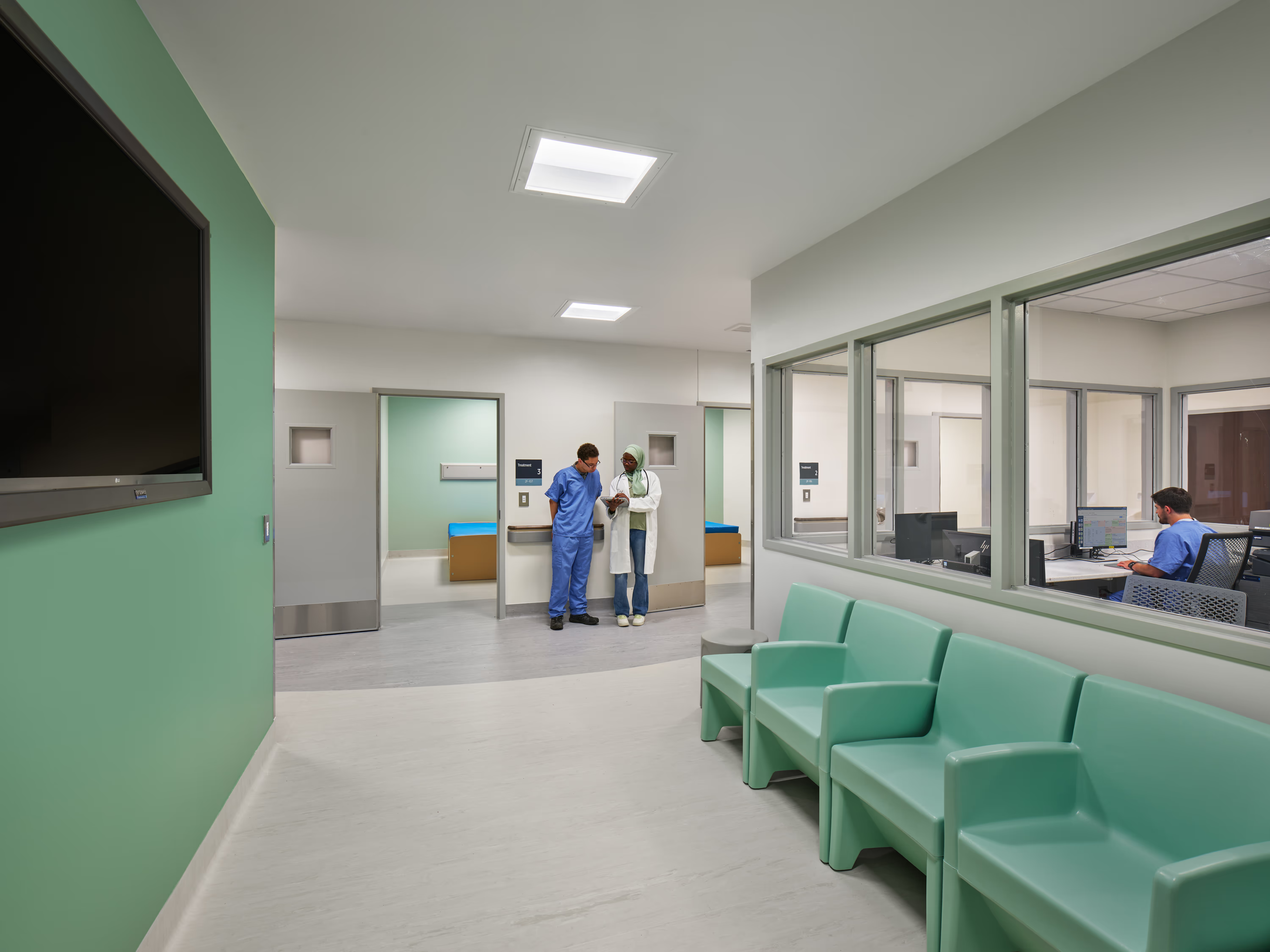
To meet the community’s emergency care needs, the medical center features a new 20-bed Emergency Department (ED) designed for rapid assessment and treatment. Adjacent to the ED, a 10-bed observation unit provides extended monitoring for patients who need additional evaluation before discharge or transfer.
These critical areas were designed with efficiency, safety, and patient dignity in mind—offering clear circulation for staff, direct sightlines for caregivers, and private treatment areas that support both patient privacy and infection control.

Recognizing the vital role of mental health in community wellness, the Laurel Medical Center integrates behavioral health services throughout the facility. Within the ED, dedicated behavioral treatment areas provide a safe and calming environment for patients experiencing crisis, while an outpatient behavioral health clinic supports ongoing counseling, rehabilitative care, and recovery programs.
By co-locating behavioral health within the broader continuum of medical services, UM Capital ensures that care is both integrated and stigma-free, aligning with national best practices for whole-person health.
Beyond its clinical program, the Laurel Medical Center represents Phase I of a multi-year campus transformation—a long-term investment in creating a comprehensive health and wellness destination for the Laurel community.
The facility’s design reflects Wilmot Sanz’s commitment to human-centered healthcare environments, where architecture not only supports medical excellence but also fosters comfort, dignity, and connection.
With this milestone, University of Maryland Capital Region Health continues its mission to bring exceptional care closer to the communities it serves, ensuring that every patient—whether seeking routine care, emergency treatment, or behavioral health support—finds the help they need, right in their own backyard.