Let's Connect
We are ready to talk healthcare design with you.
Thank you! Your submission has been received!
Oops! Something went wrong while submitting the form.

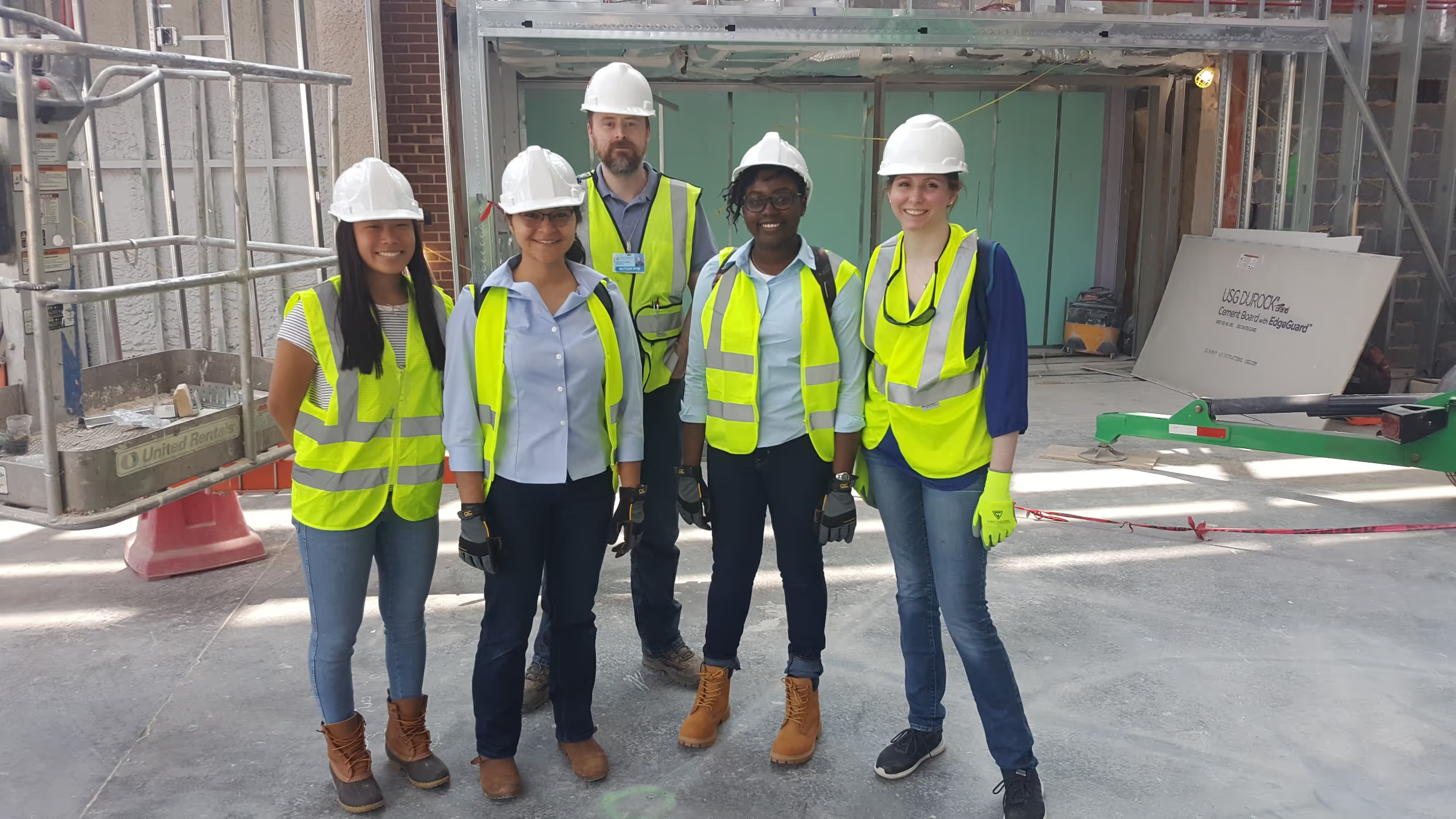
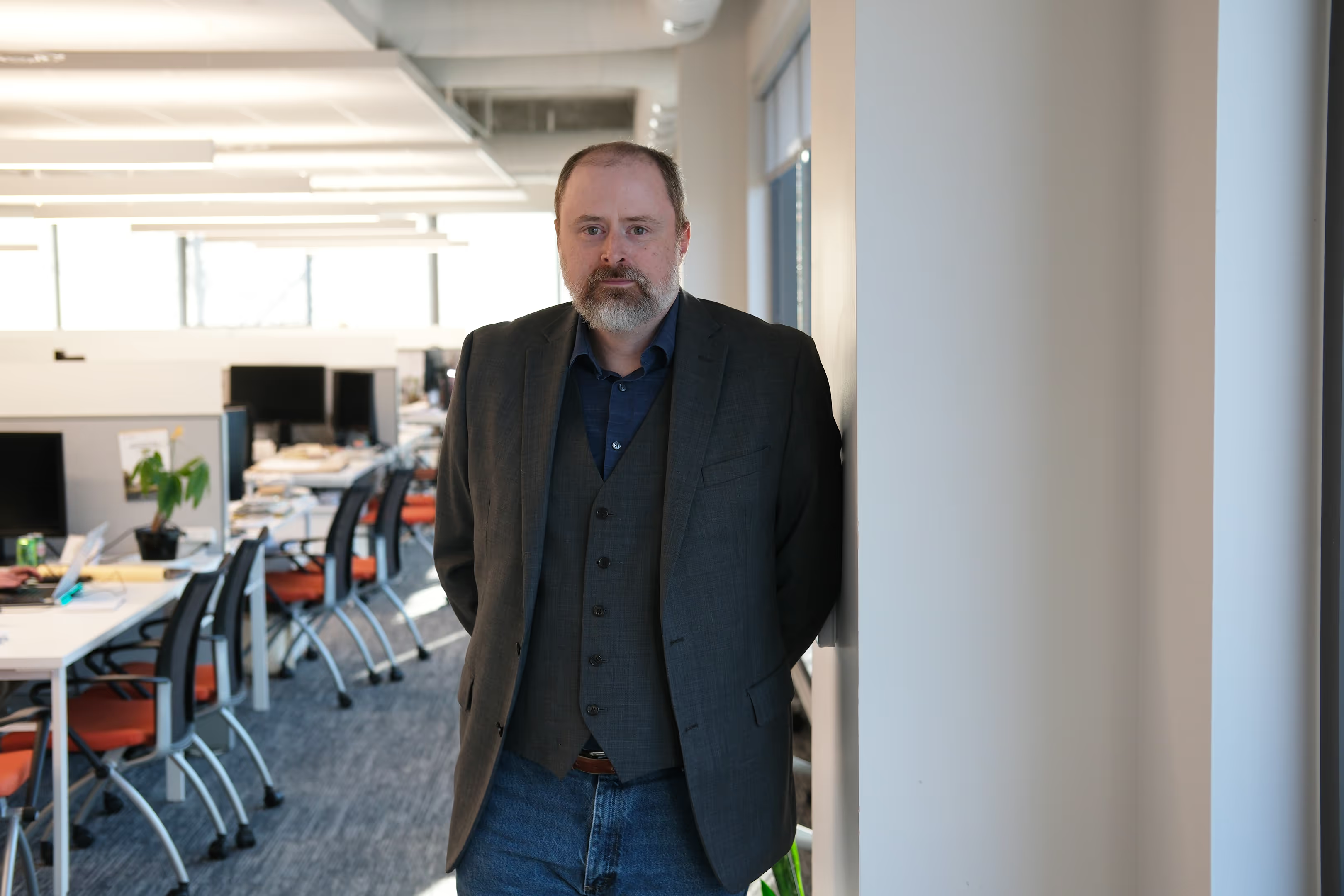
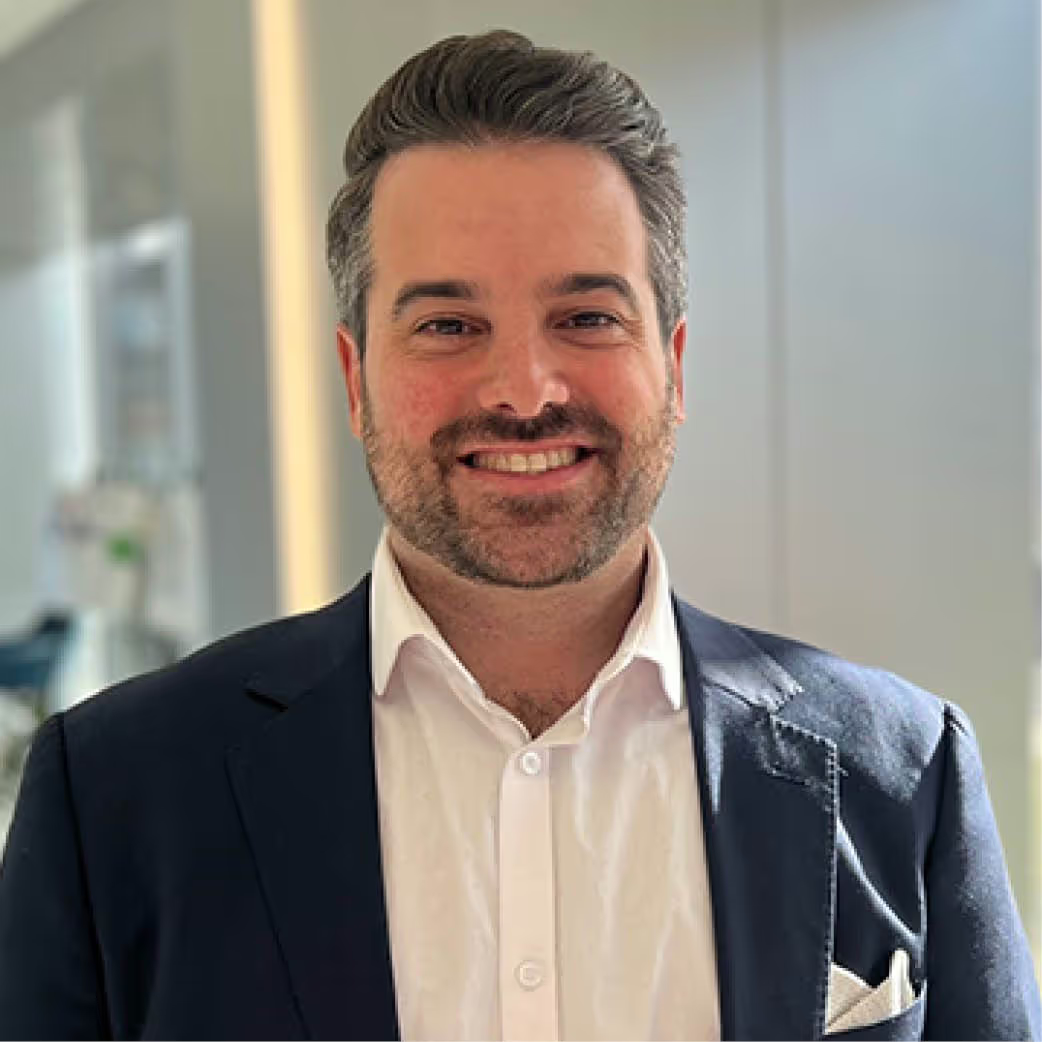
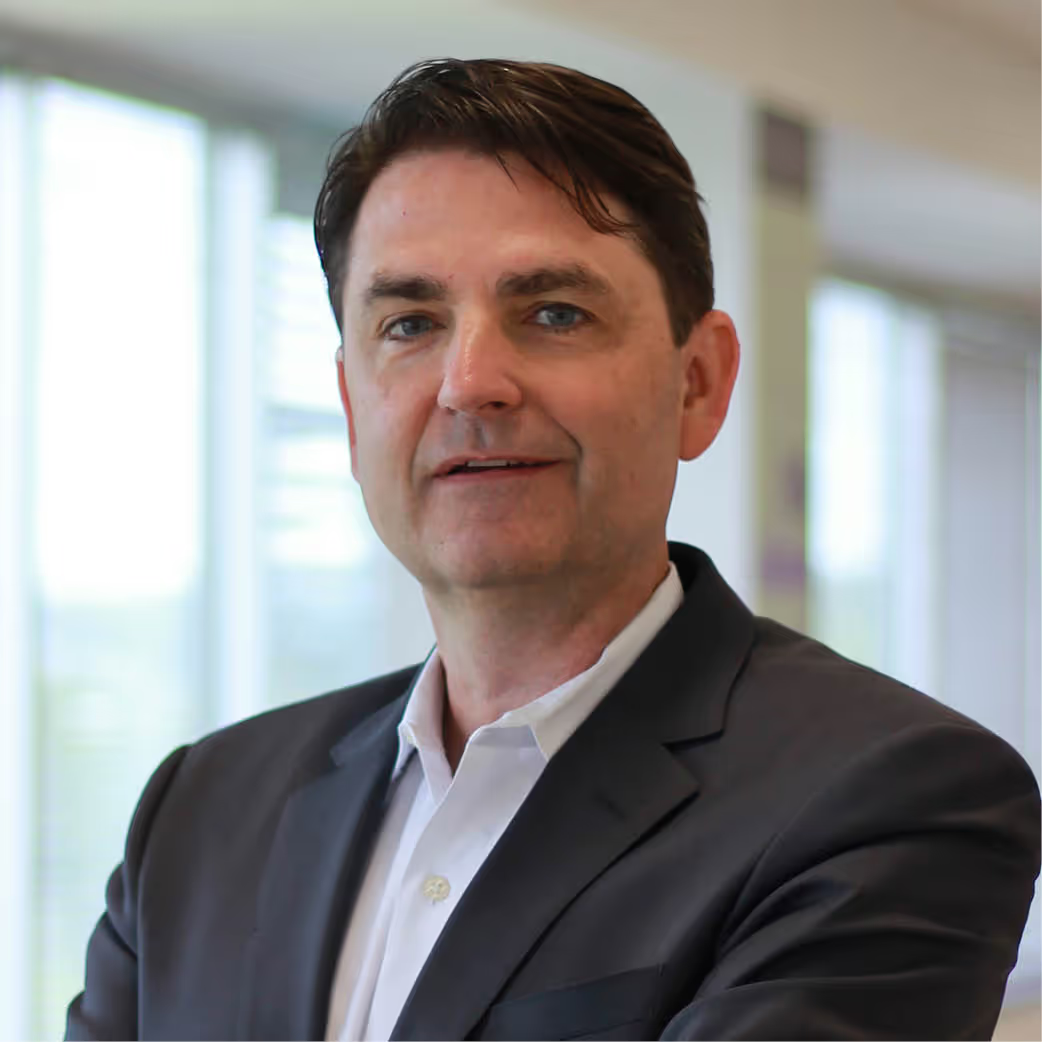
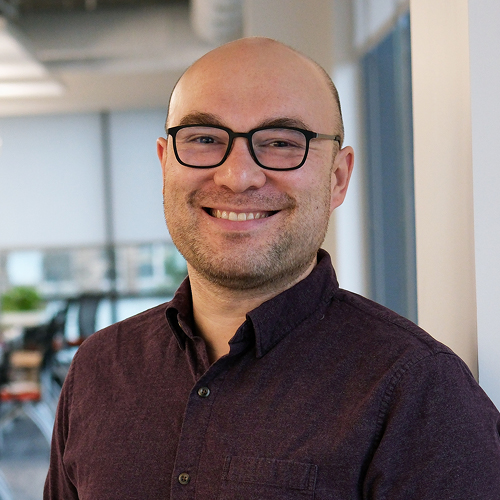
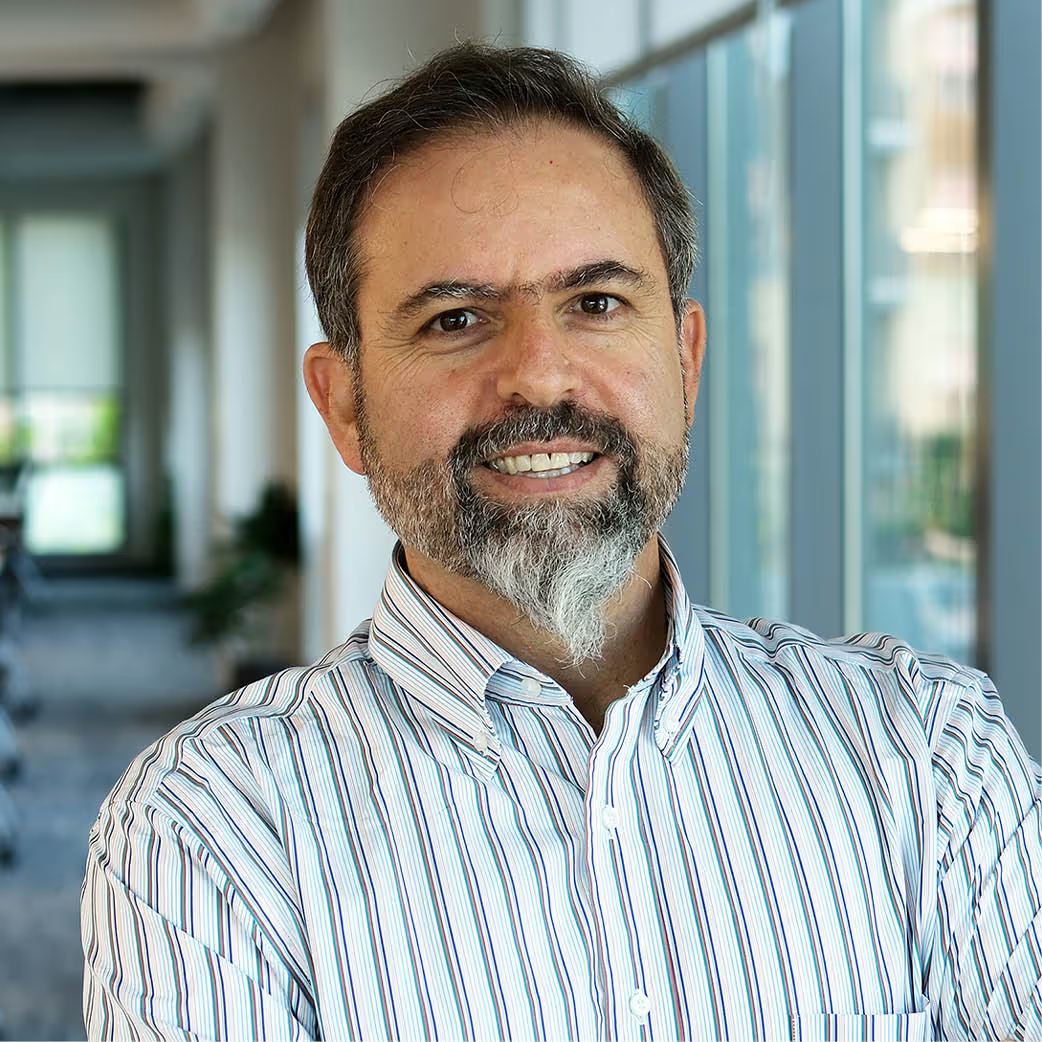
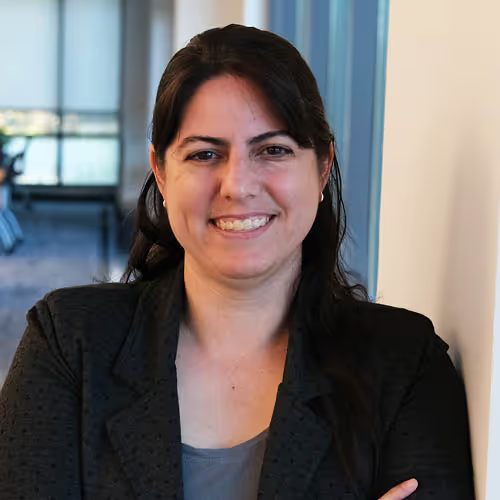
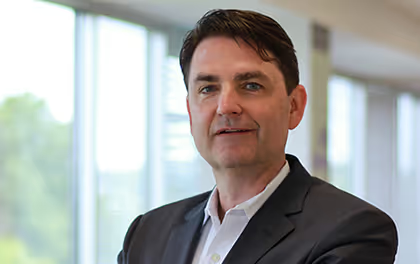
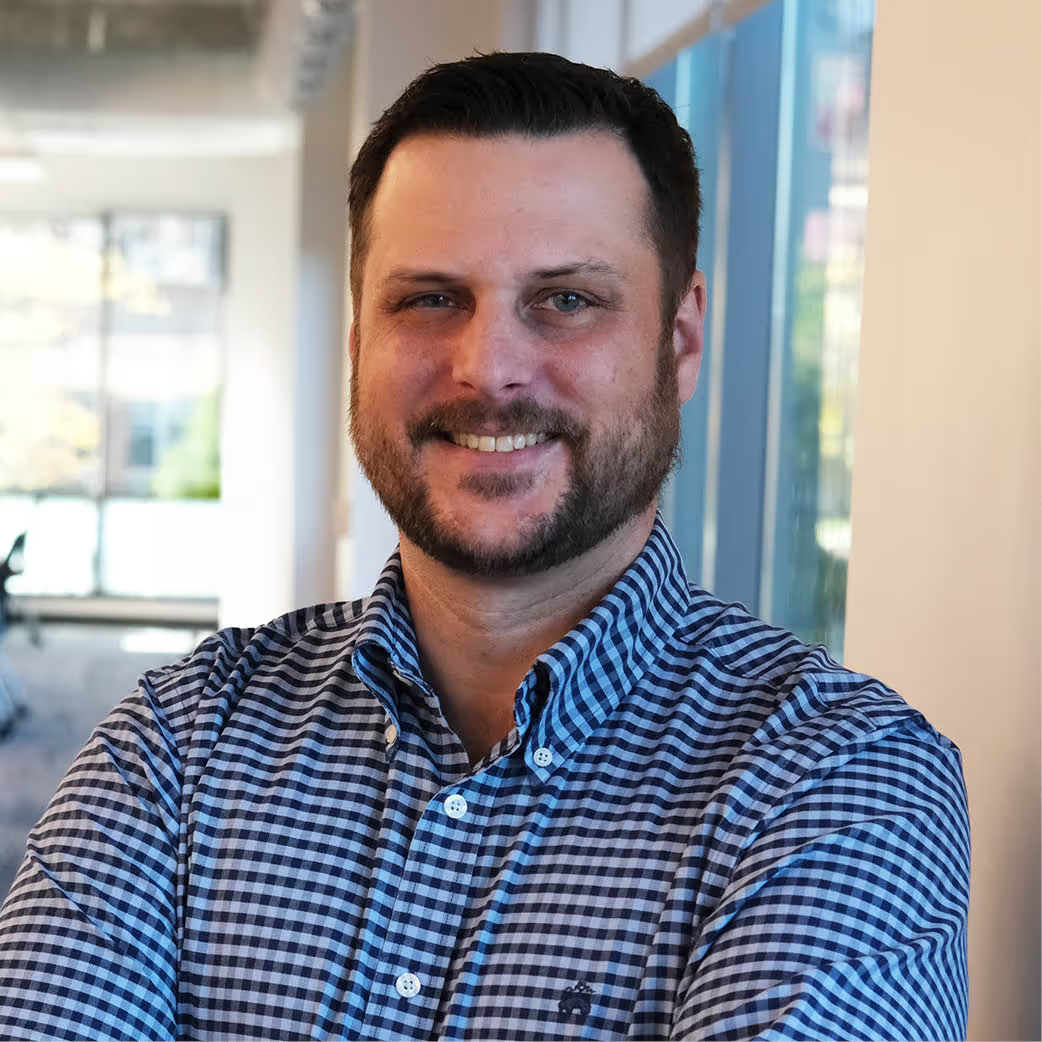
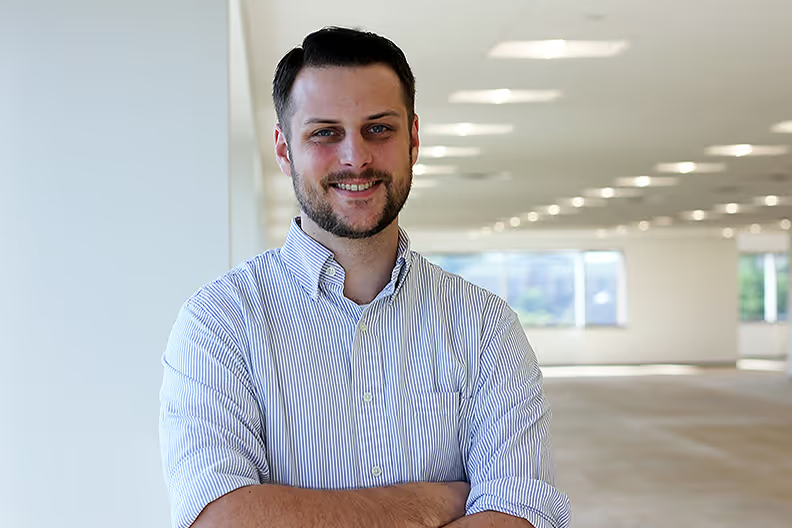
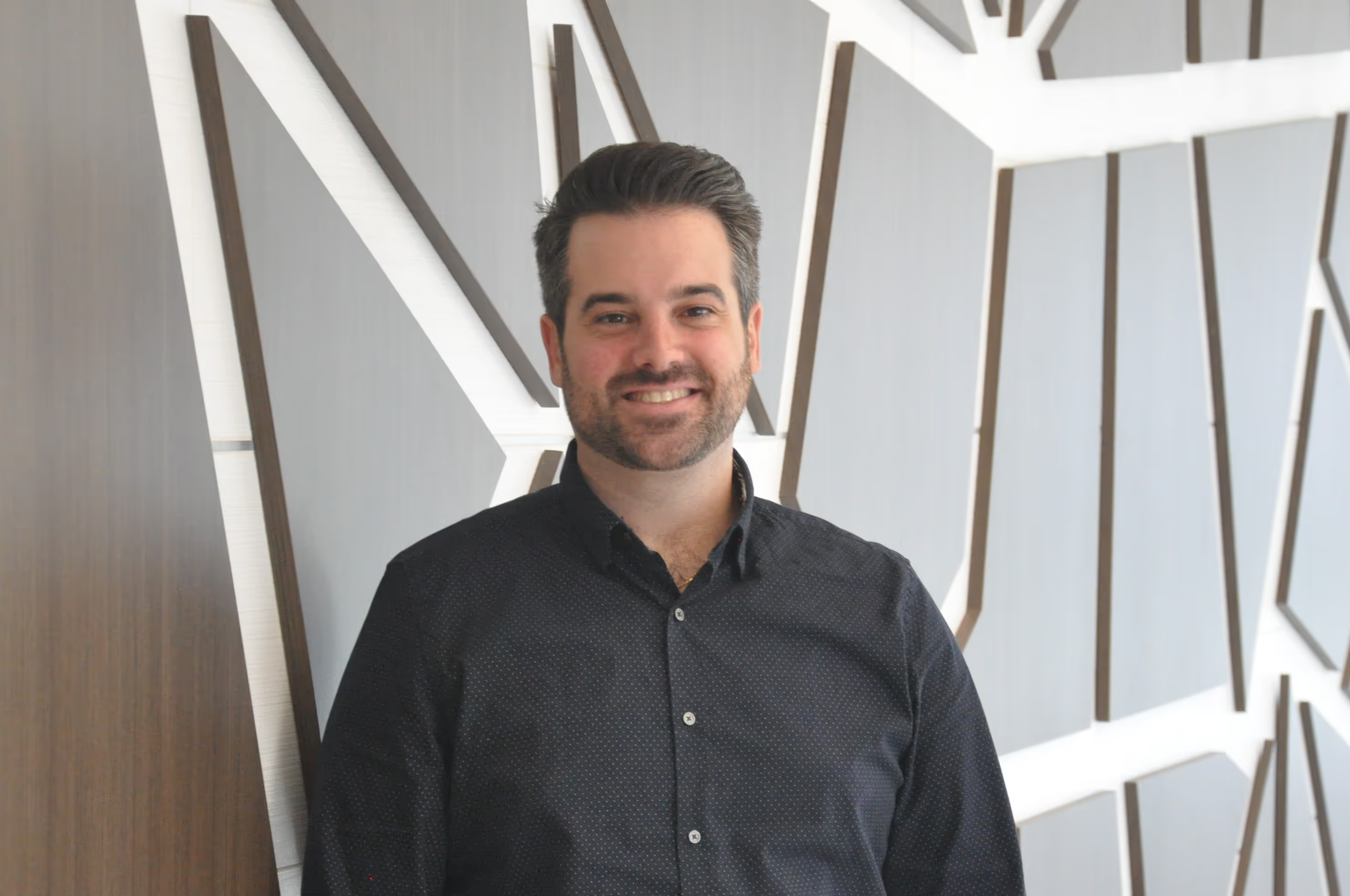
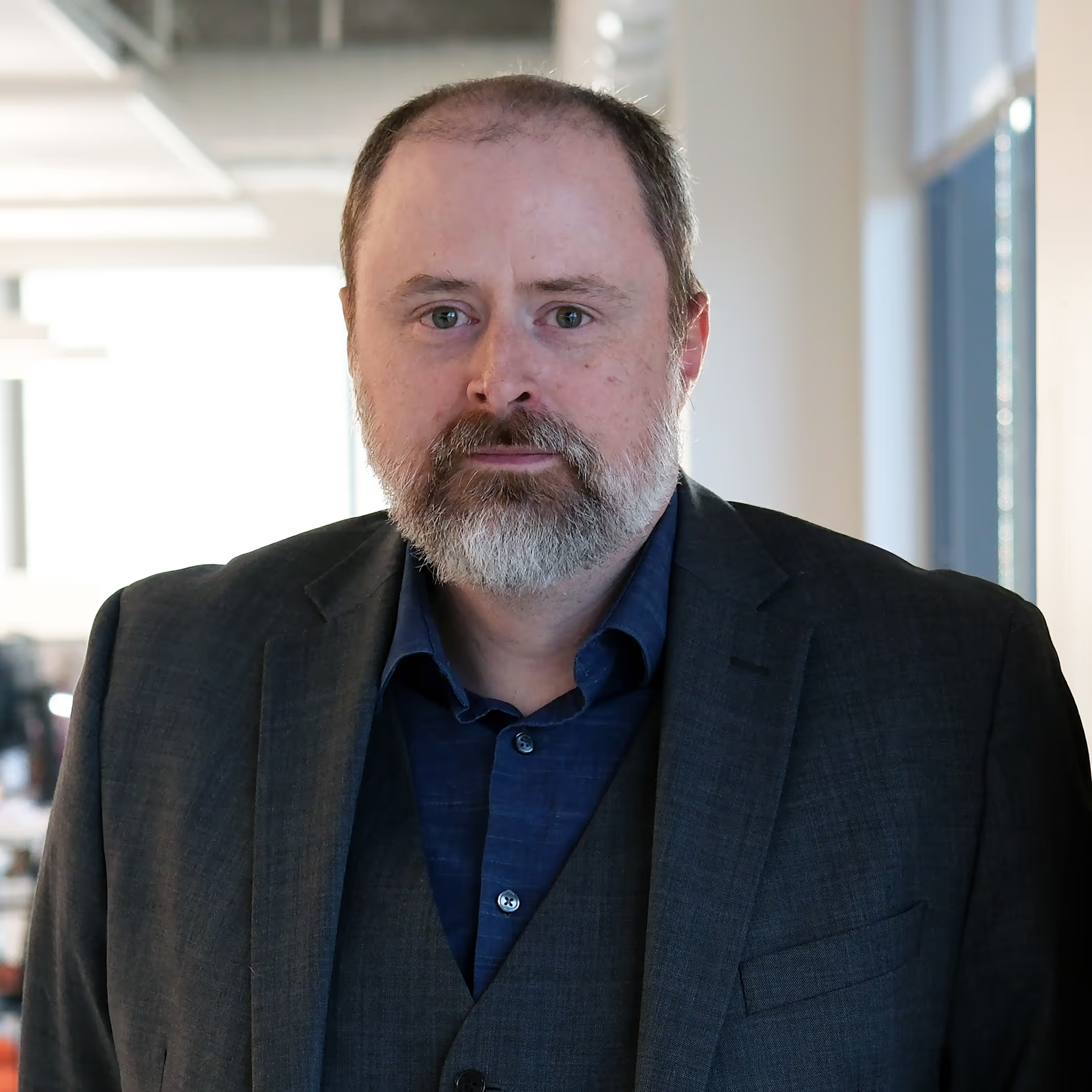
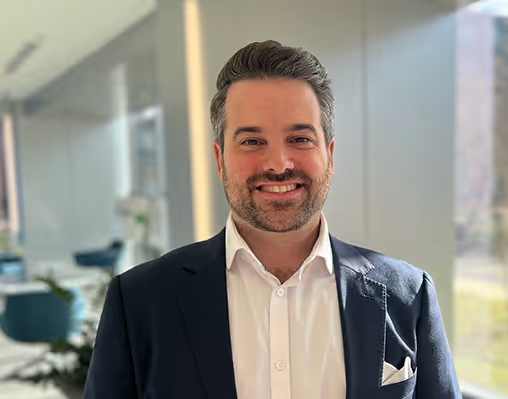
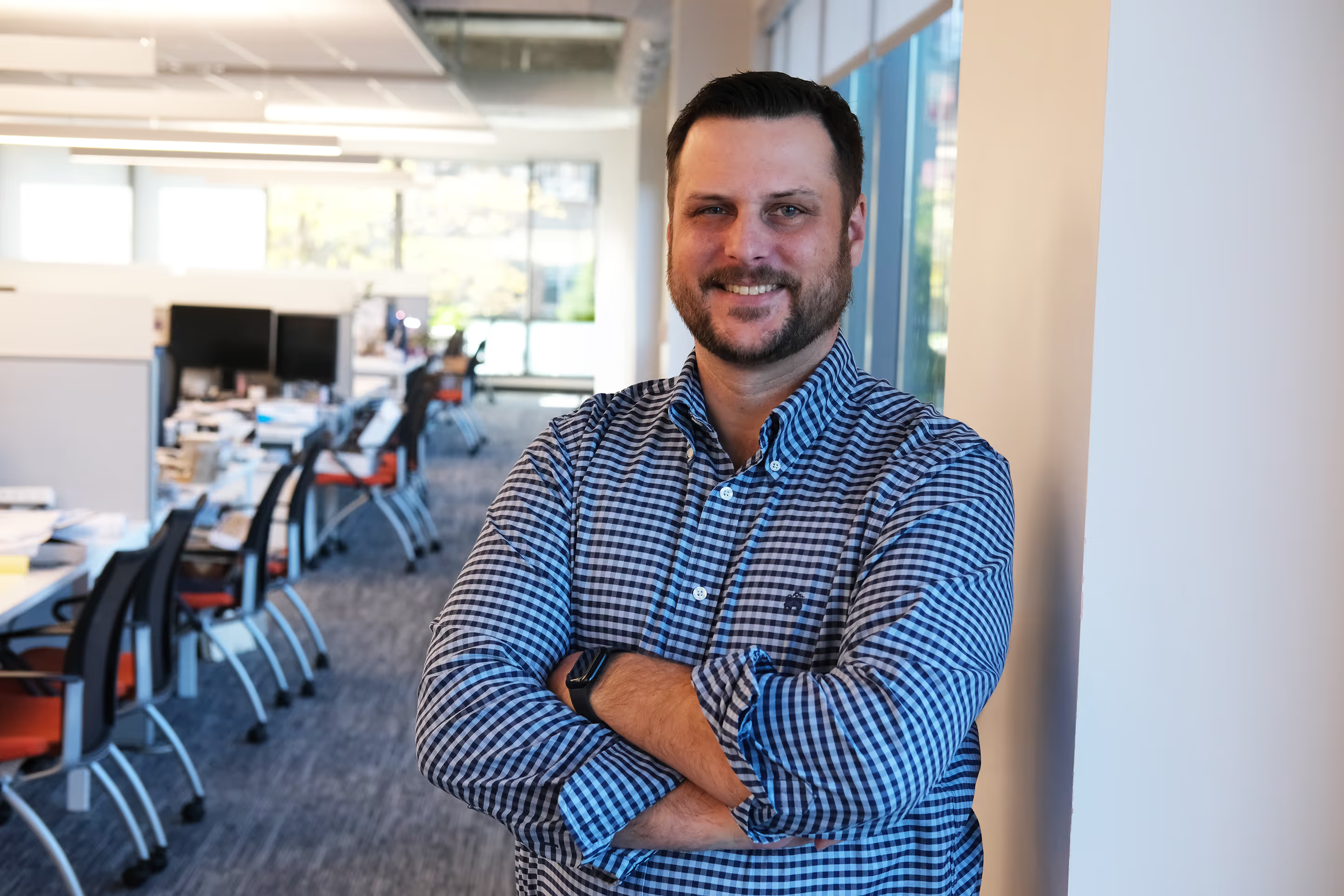
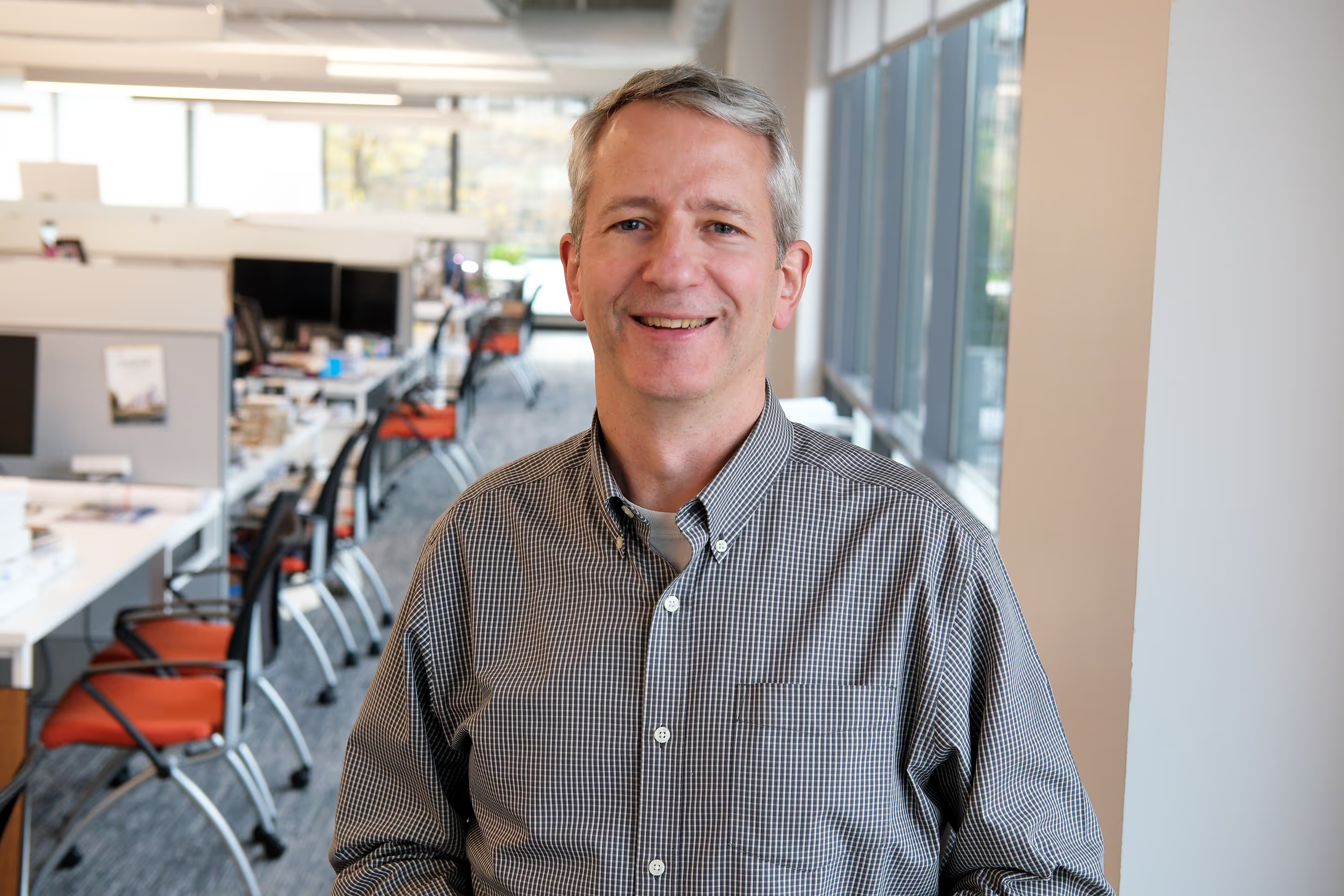
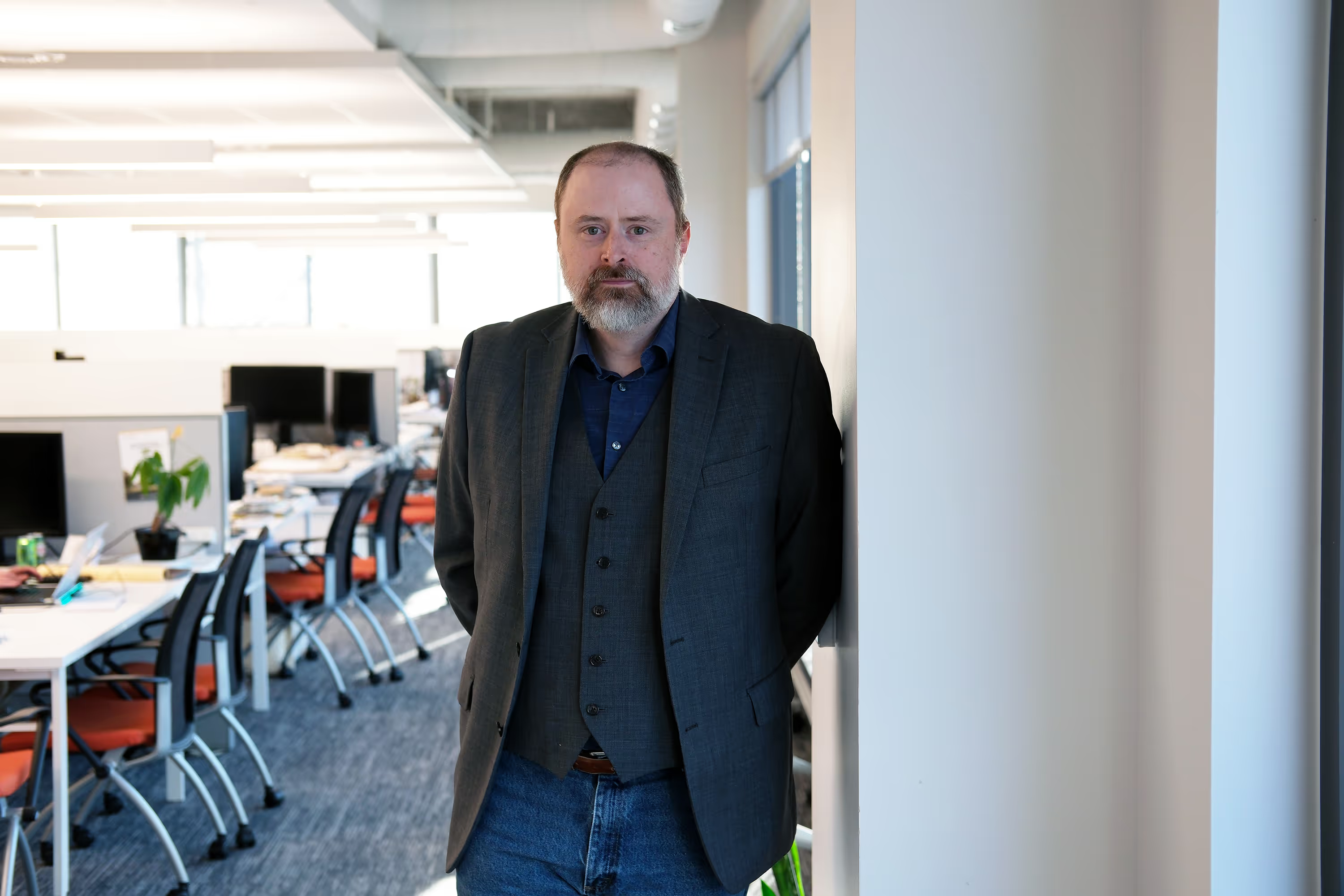
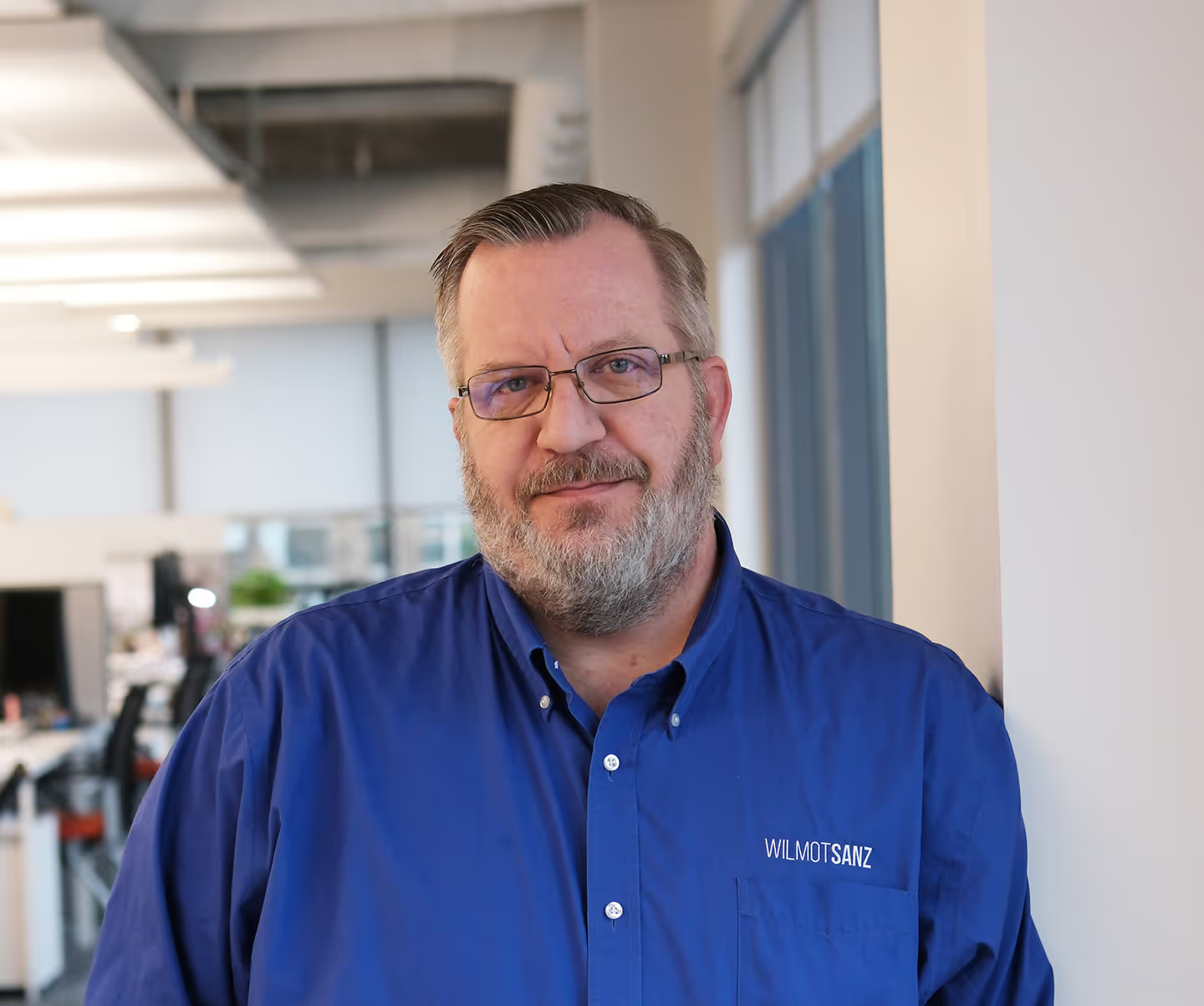
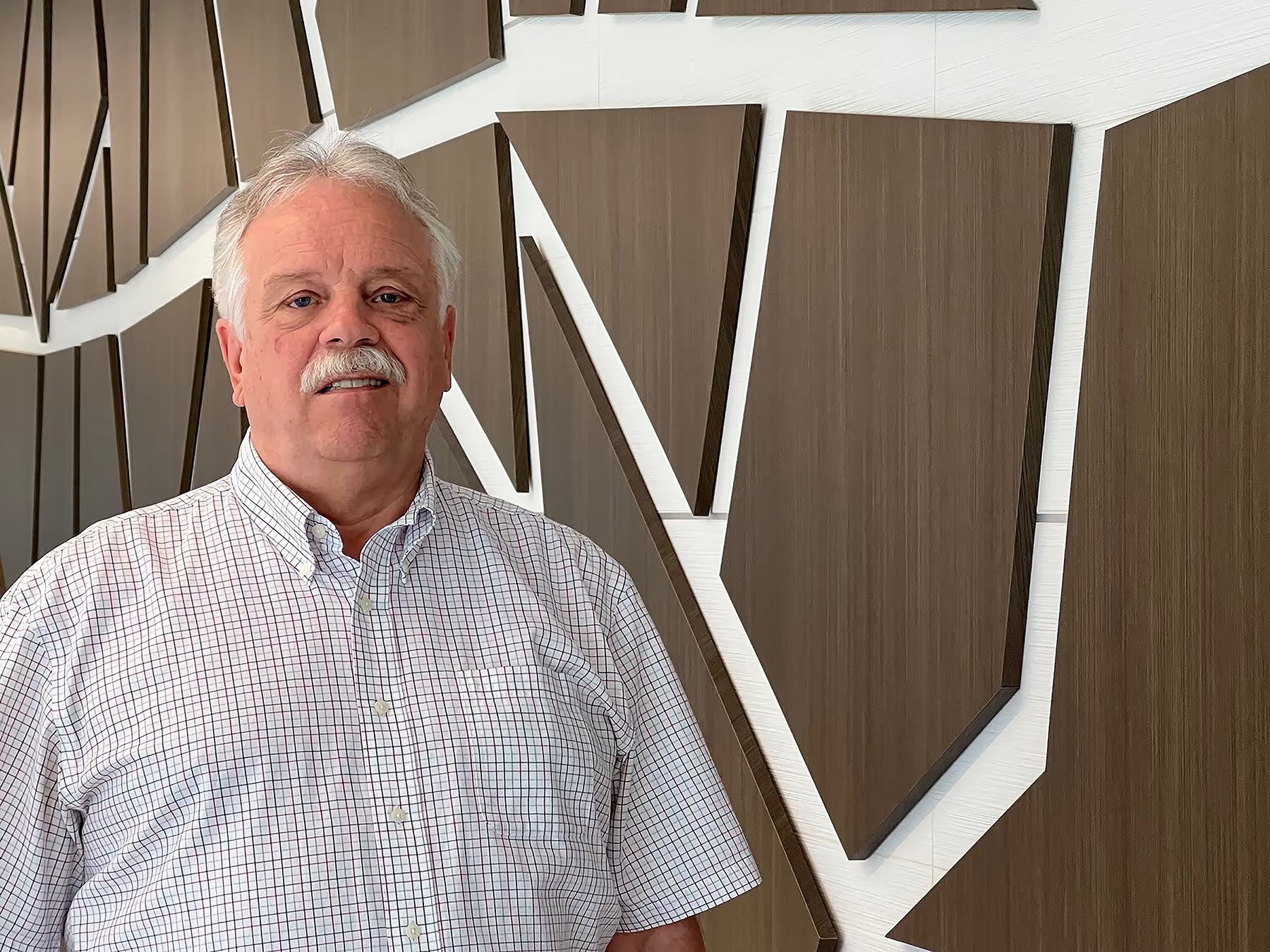
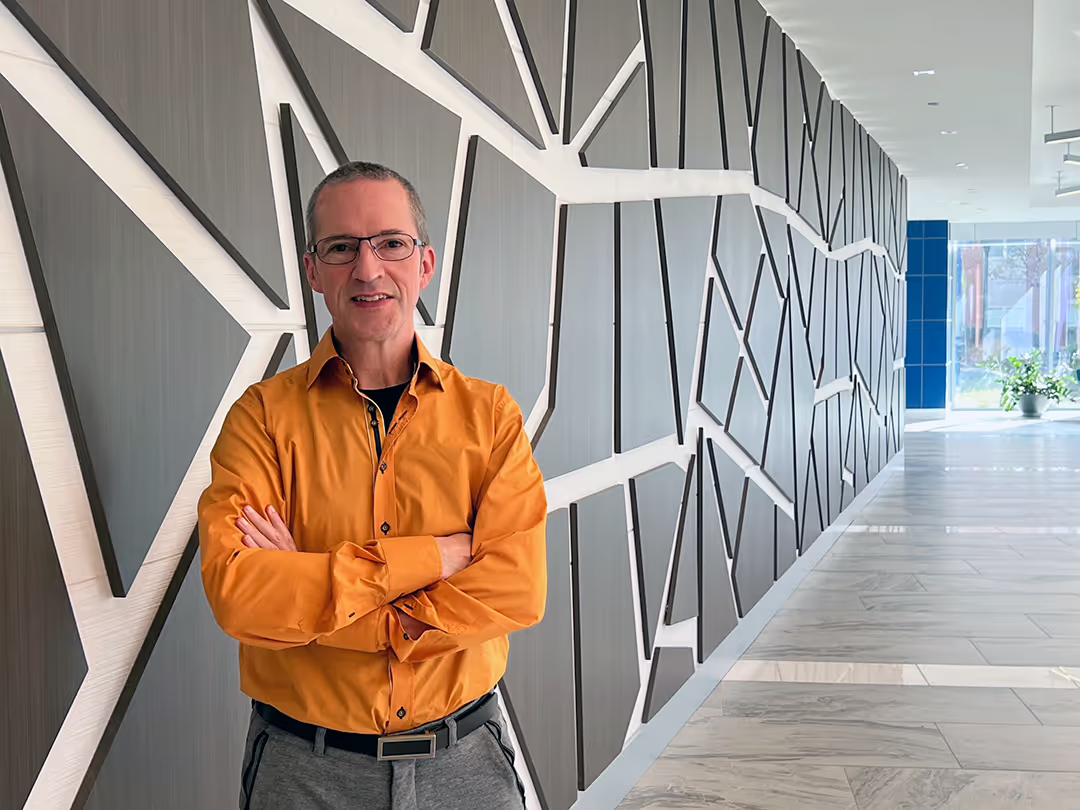
At Wilmot Sanz, we believe that healthcare design is about more than buildings—it’s about people. Few exemplify that mindset better than Matt Ryan, one of our talented project managers whose career in architecture is guided by a passion for community impact, technical excellence, and collaborative leadership.
From navigating complex renovations to modernizing essential facilities in his own backyard, Matt brings creativity, curiosity, and precision to every project he touches. We sat down with Matt to learn more about his journey, what excites him about healthcare architecture, and how his passions outside the office uniquely shape his perspective.
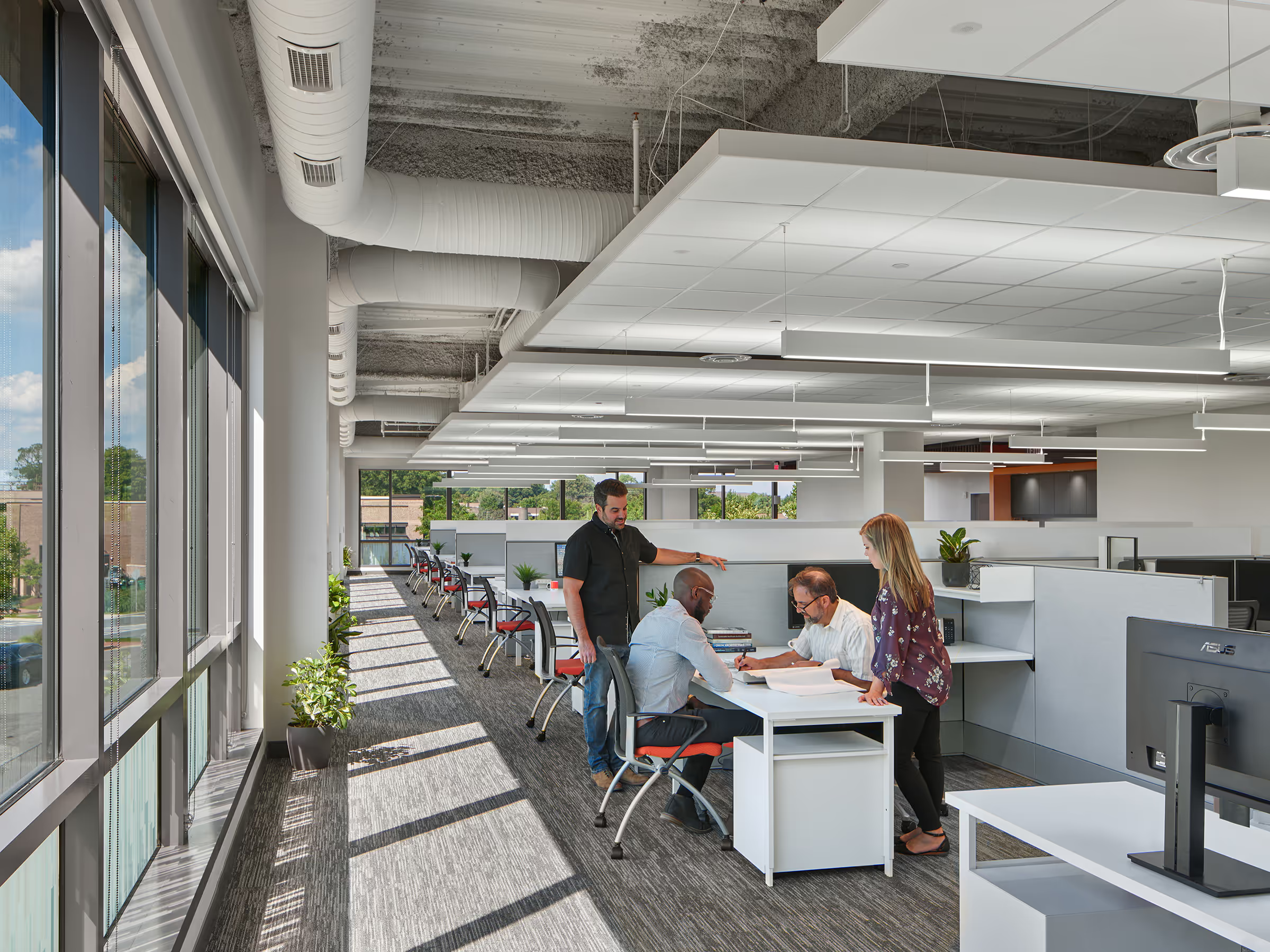
“I typically work on complex hospital renovations and additions—projects that require a high level of coordination, flexibility, and creative problem-solving.”
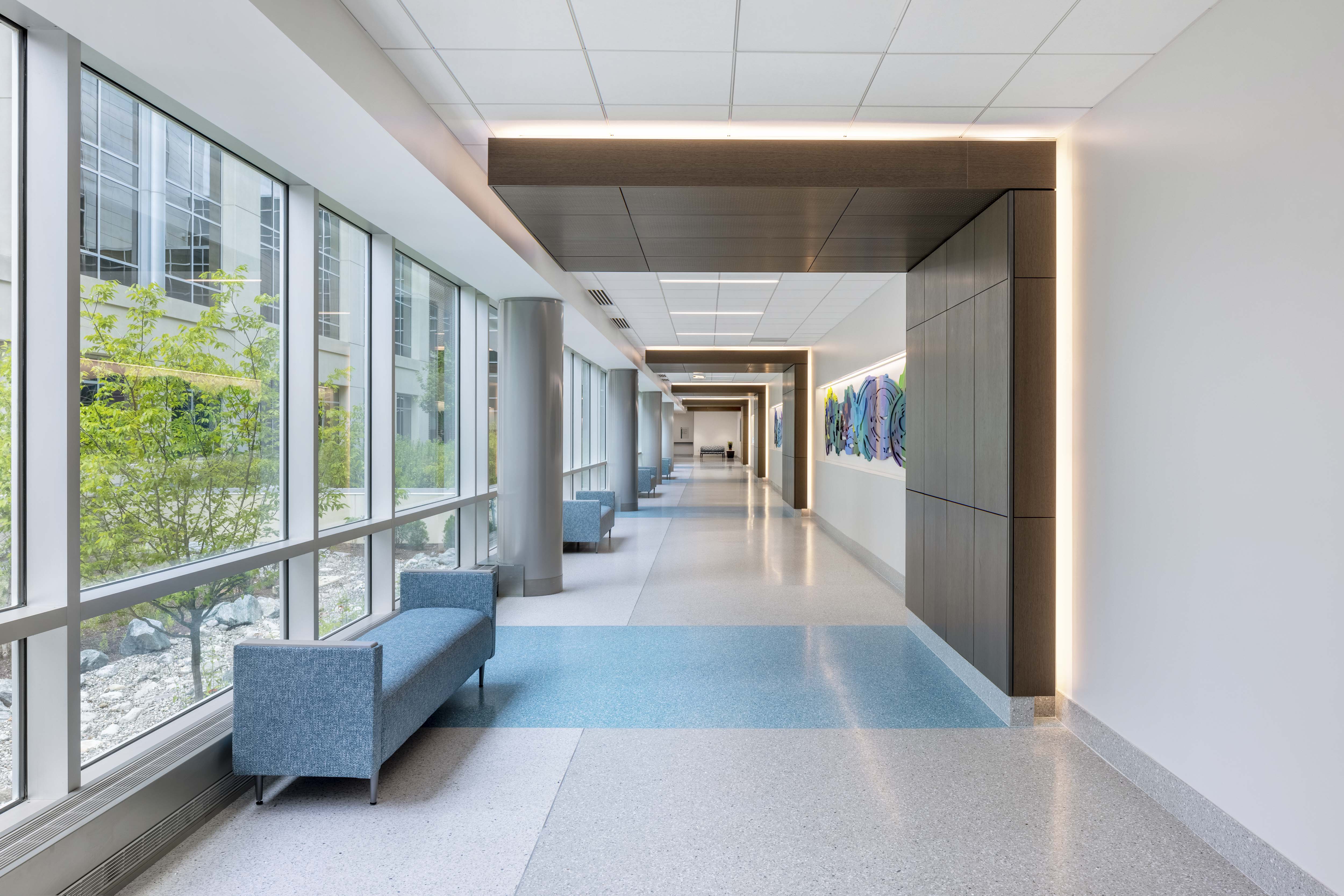
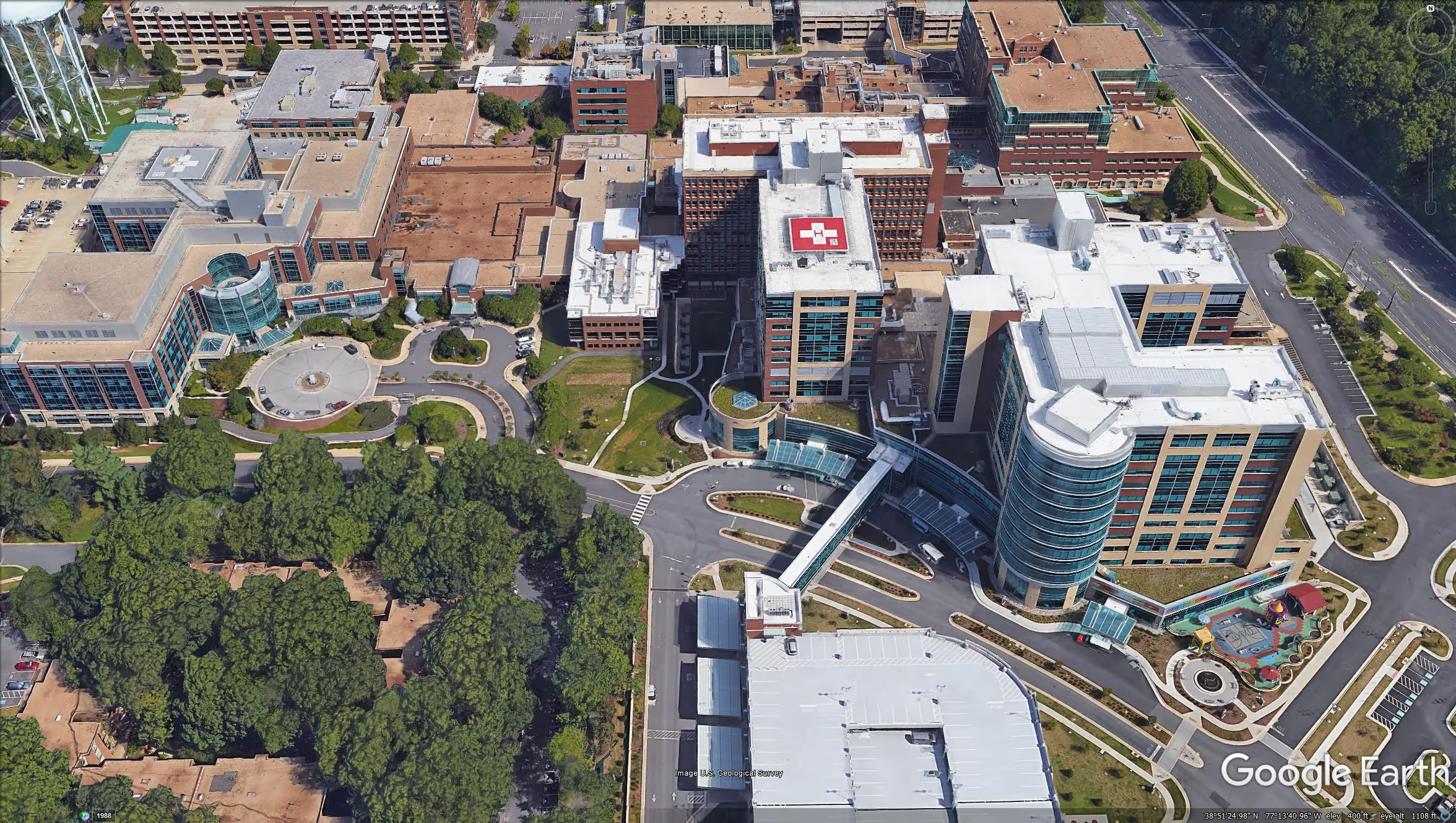
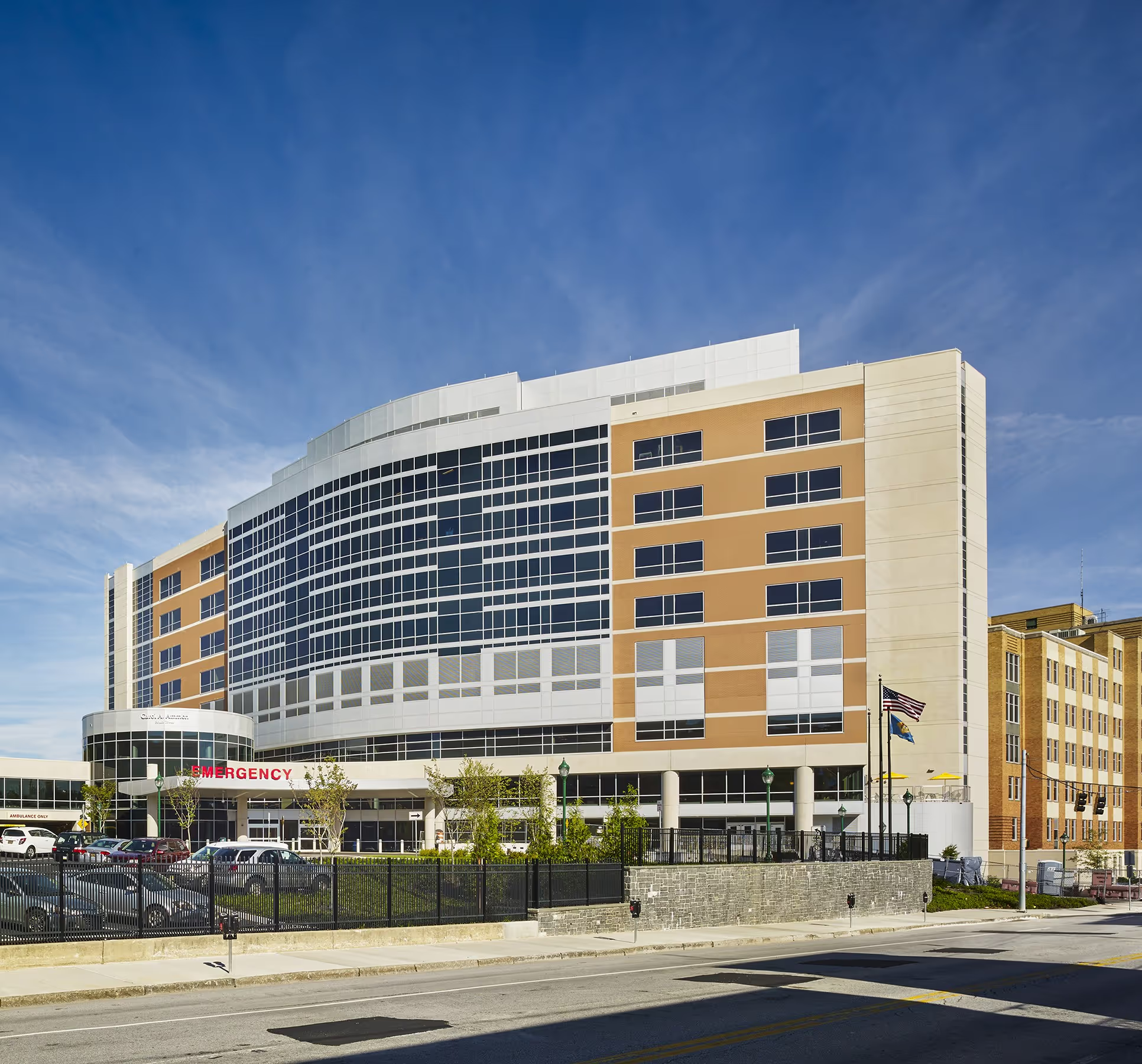
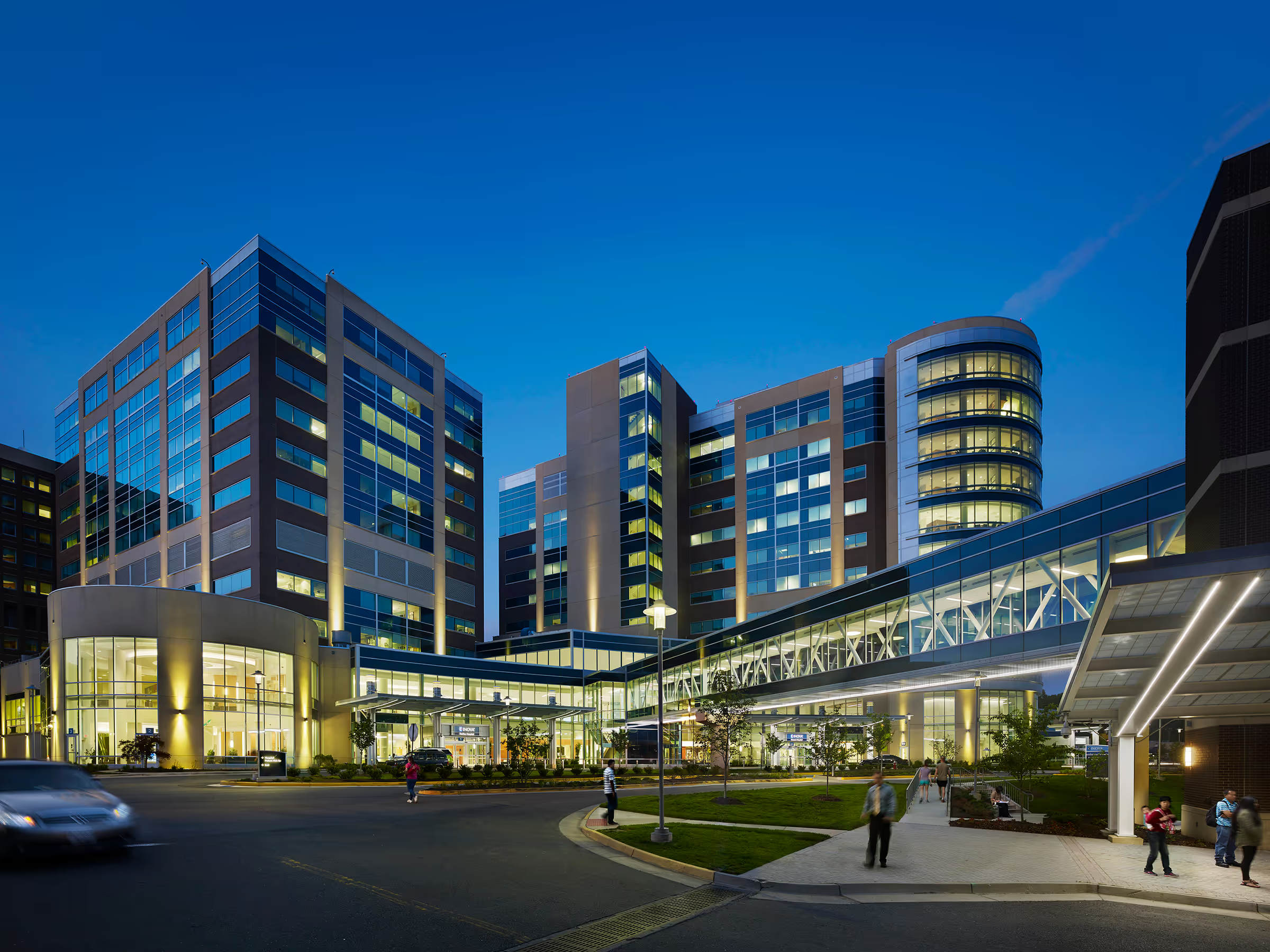
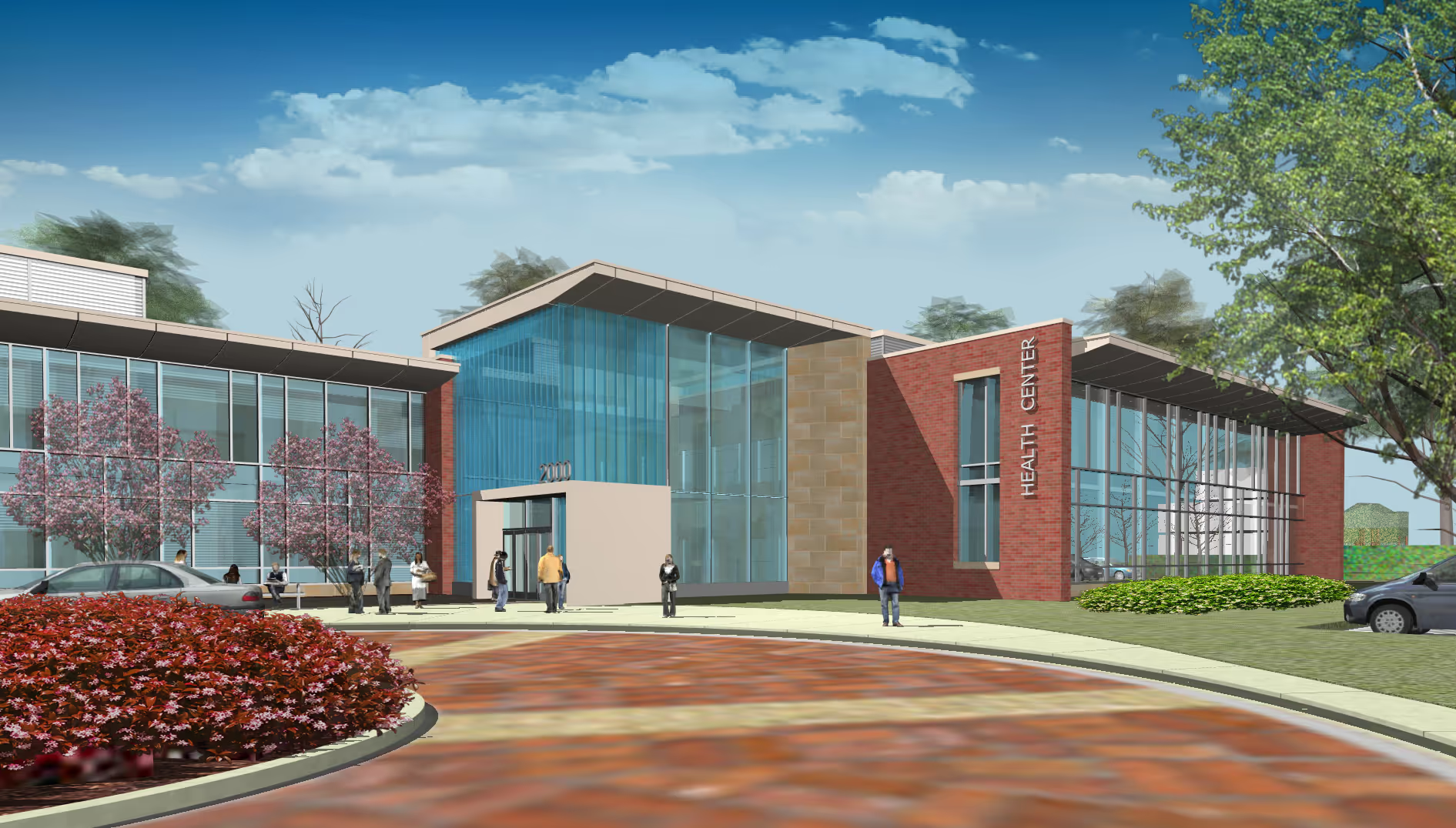
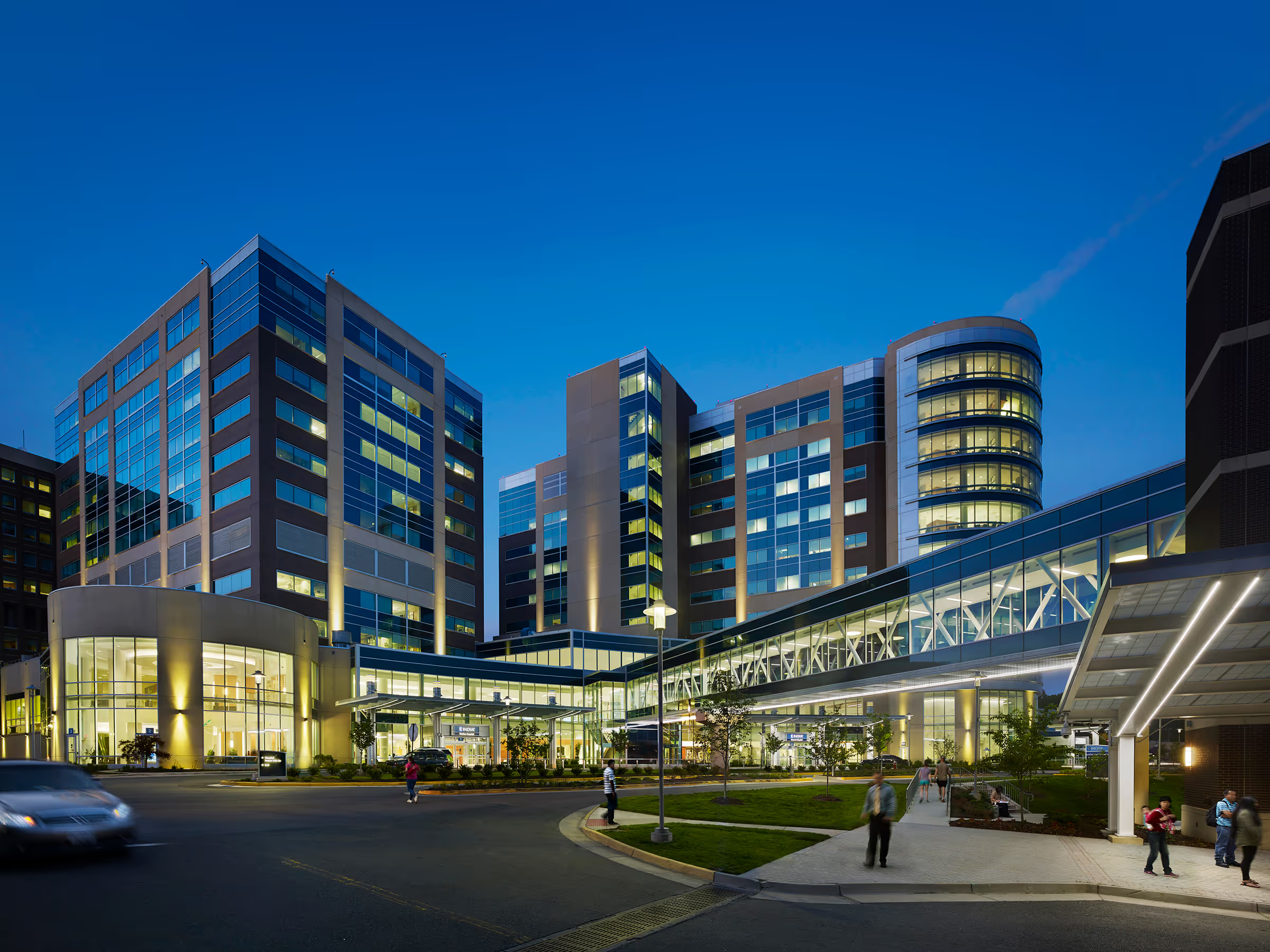
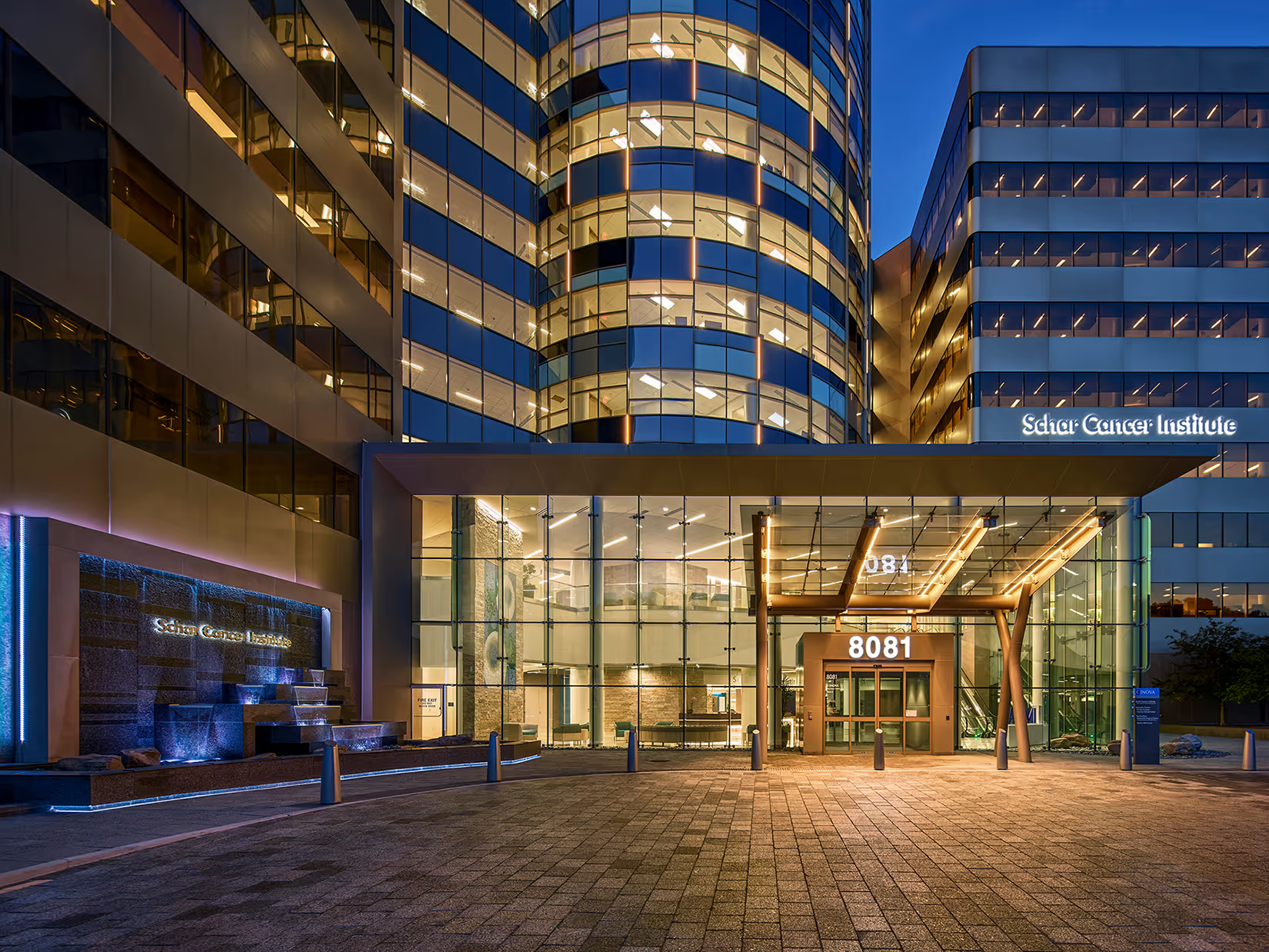
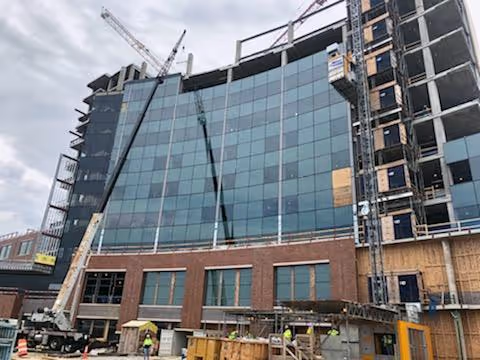
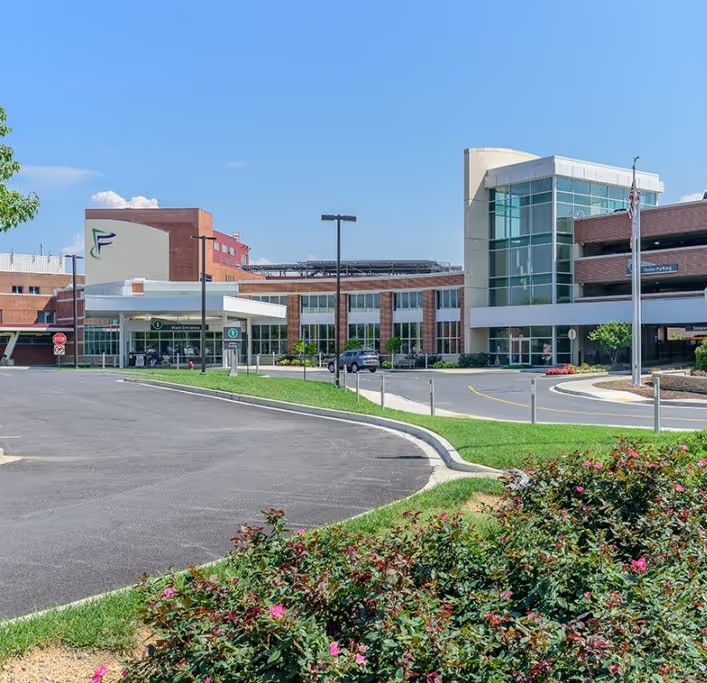
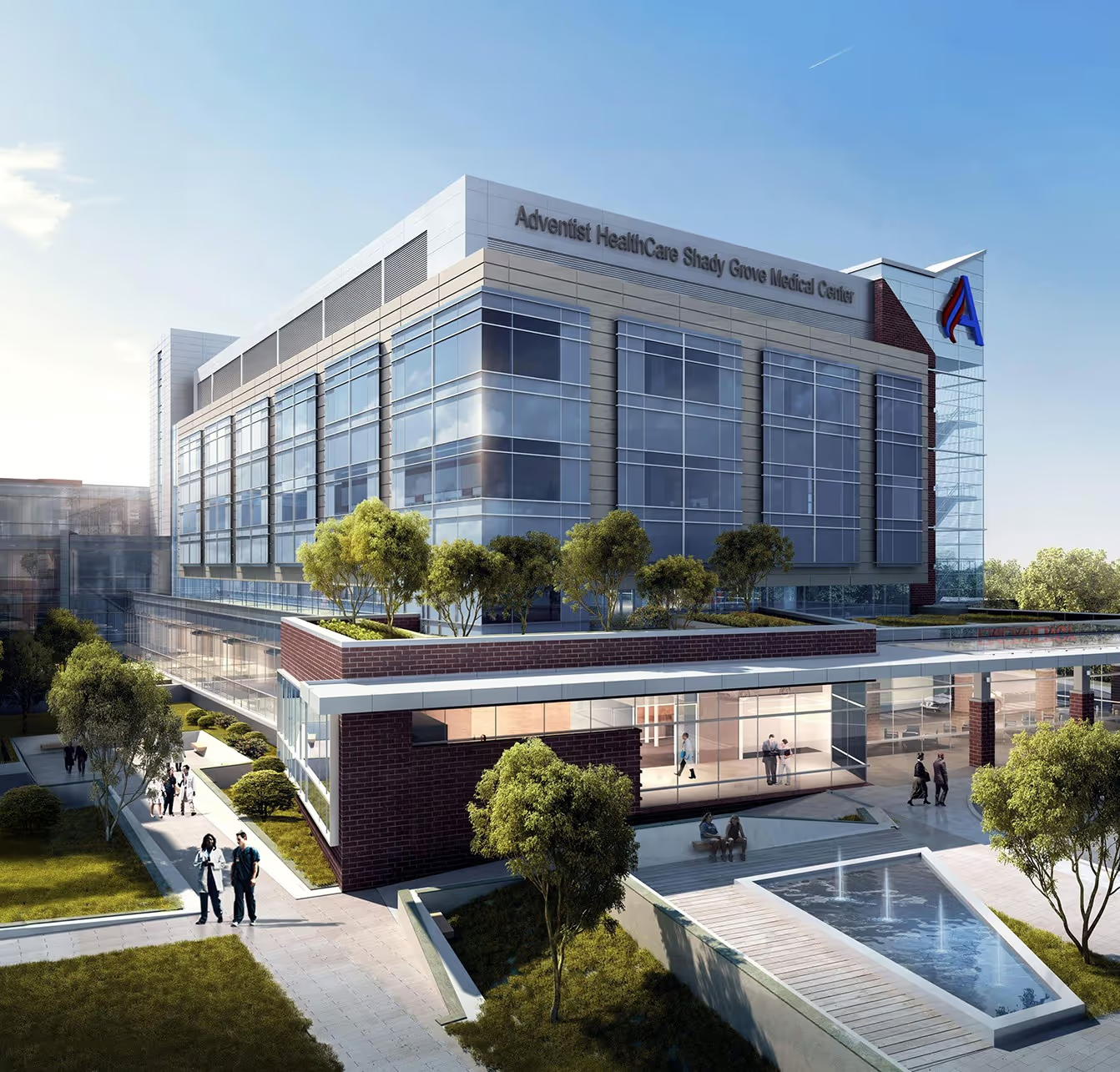
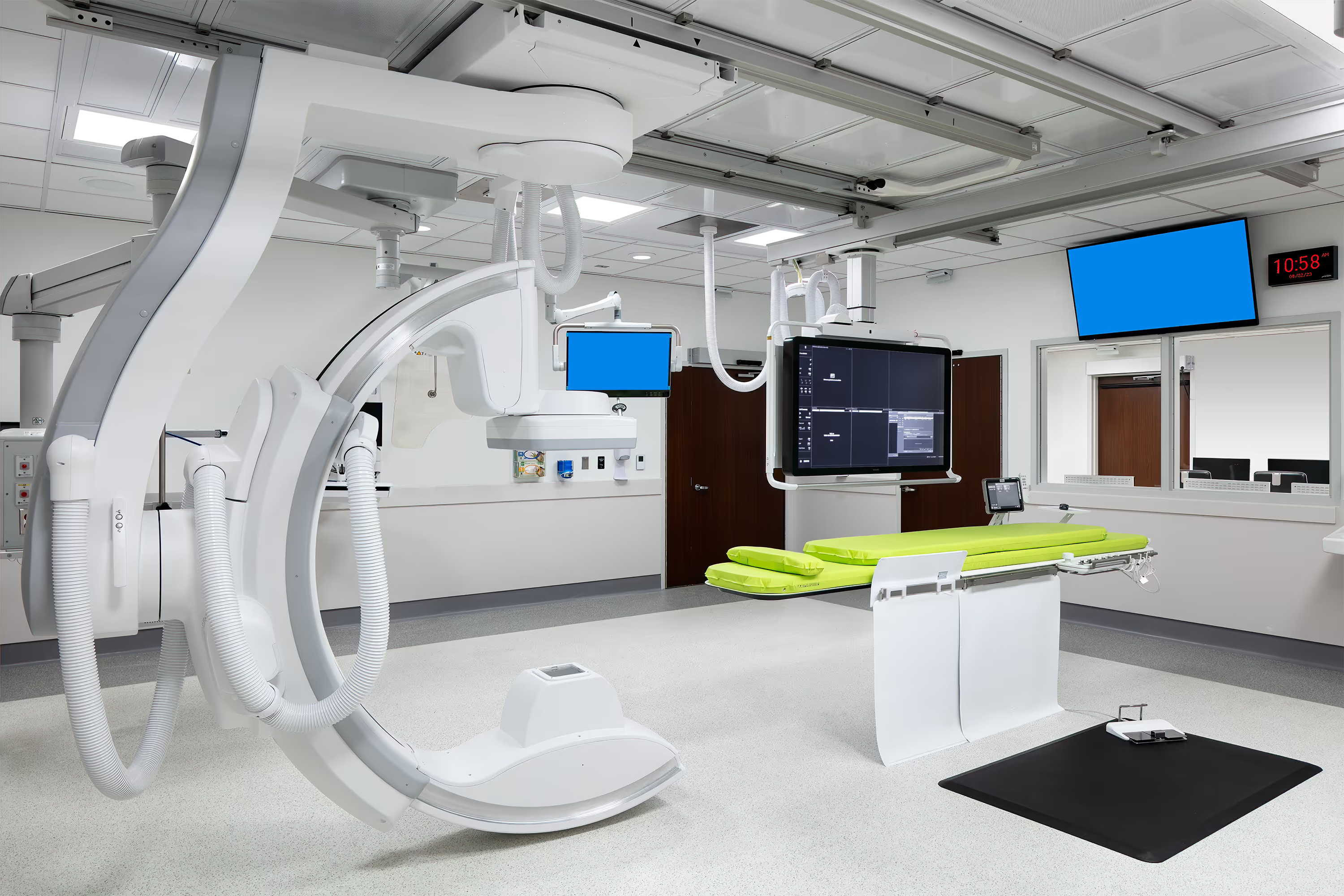
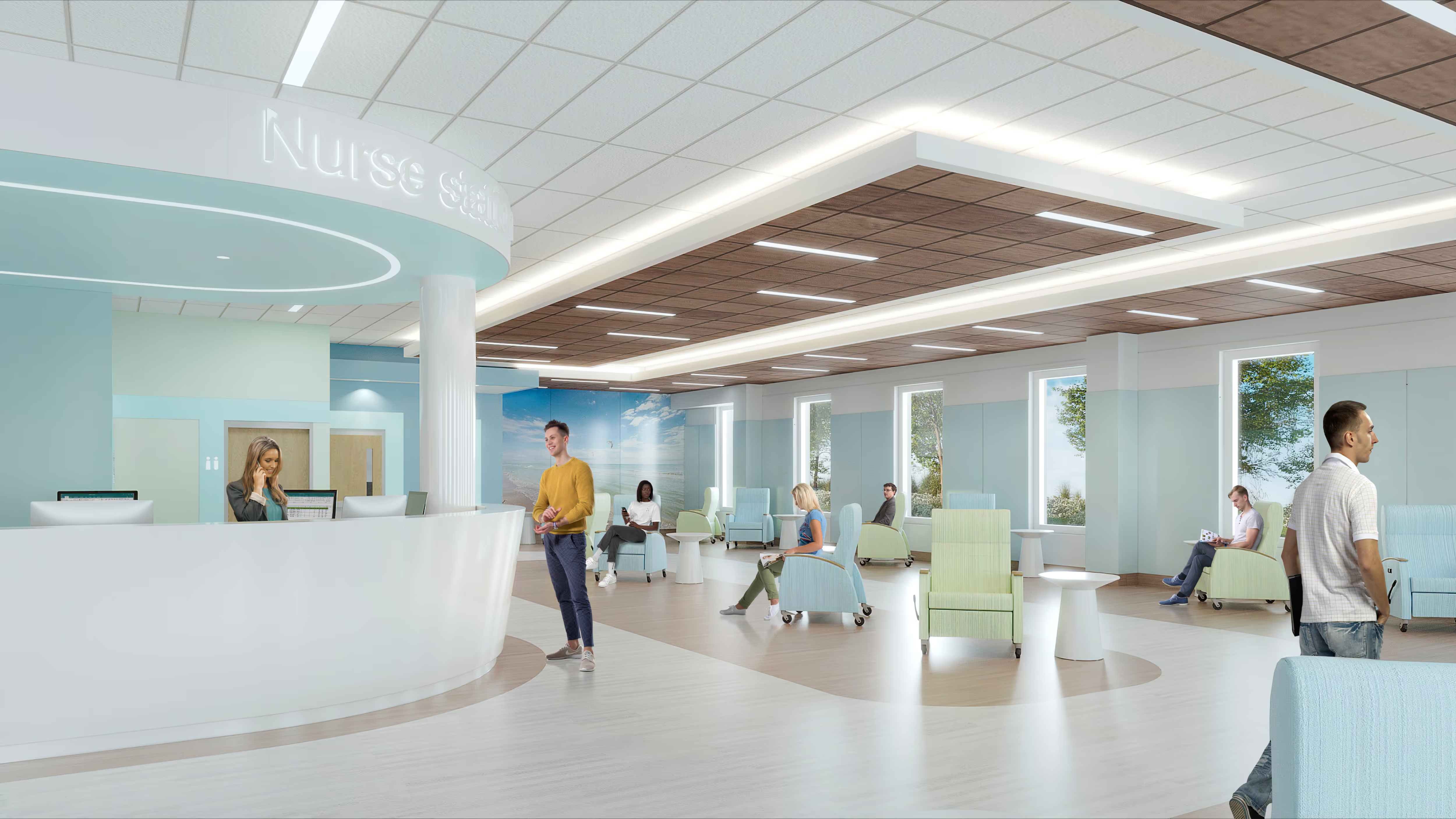
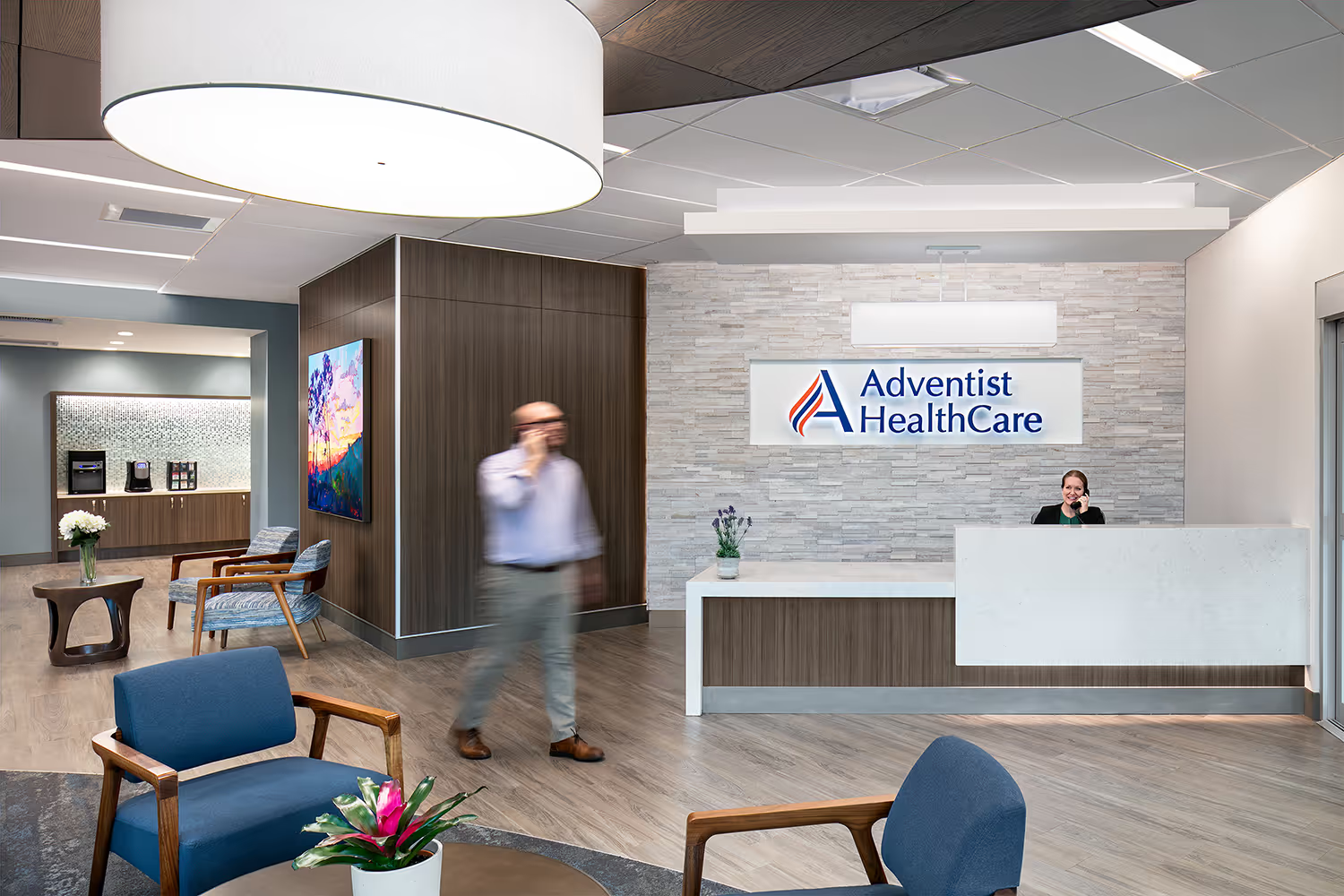
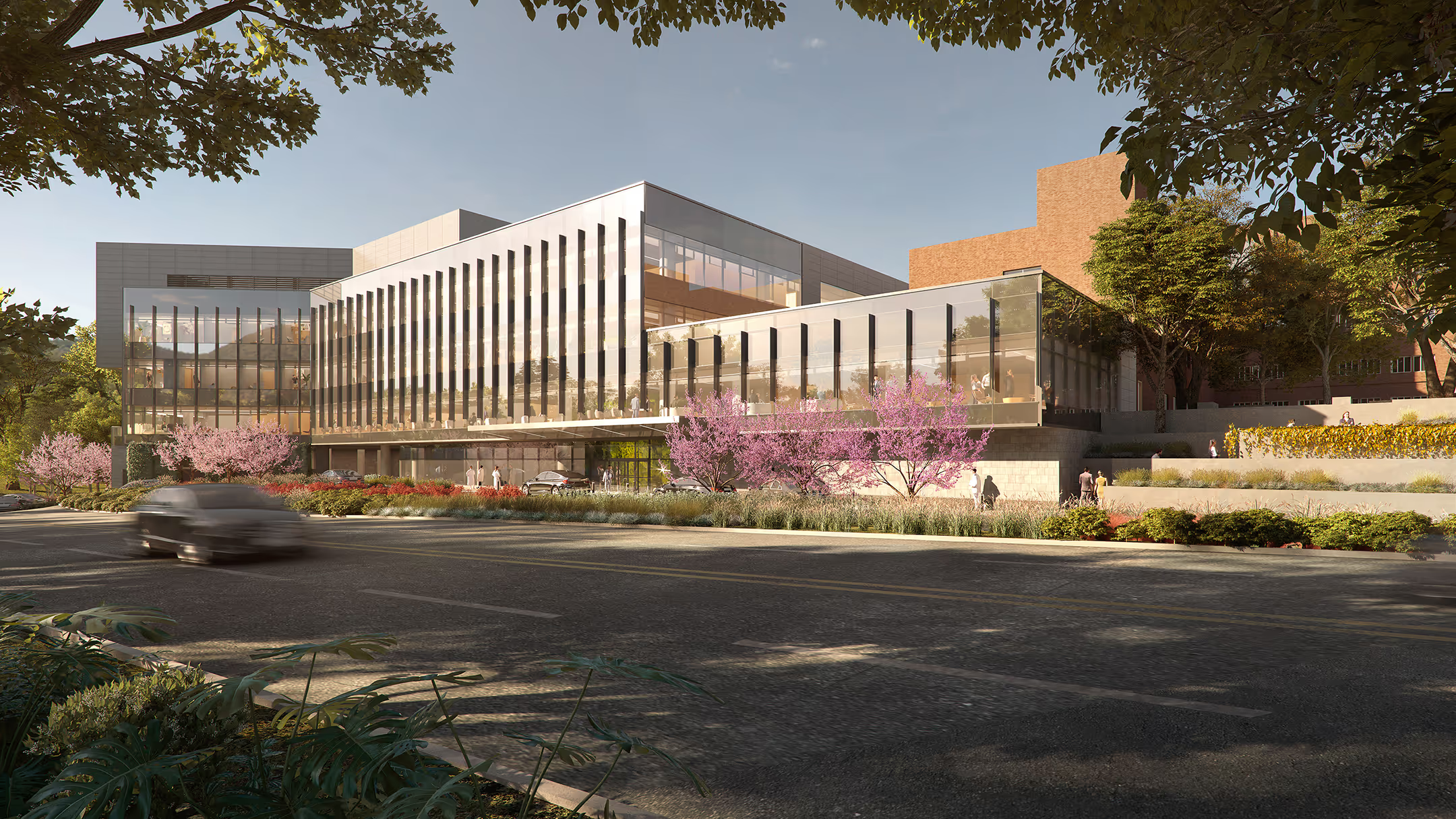
Matt specializes in phased hospital expansions and interior renovations—work that demands not only technical skill but also empathy for those who occupy the spaces during construction. His recent project leadership includes major expansions at Adventist HealthCare Shady Grove Medical Center and Suburban Hospital | Johns Hopkins Medicine, both located in Montgomery County, Maryland.
“It’s incredibly rewarding to modernize facilities that are delivering care to our own communities. With these large-scale projects, you don’t just support staff—you transform how care is delivered, improve patient experiences, and leave a lasting impact on public health.”
“With renovations, you're almost guaranteed to uncover unforeseen conditions. Even straightforward additions can be like putting together a 1,000-piece puzzle with no picture on the box. It takes constant communication between stakeholders and a lot of patience and creativity to work through it all.”
In Matt’s experience, it’s often the behind-the-scenes effort that determines a project’s success. This mindset—rooted in discipline and humility—was forged during his time in the U.S. Air Force, where he learned the importance of diligence, coordination, and accountability.
“I’ve always loved to draw and understand how things are built. As a kid, one of my favorite toys was LEGO. I was drawn to careers that were both creative and technical.”
After the Air Force, Matt pursued a degree in architecture at The Catholic University of America, where he developed a fascination with hand-drafted architectural drawings—a skill that connected his artistic background to the precision of technical design.
“My professor introduced me to Wilmot Sanz, and I just happened to fall into healthcare design. But once I was in it, I realized how incredibly meaningful and rewarding the work could be. I can’t imagine working in any other sector.”
“Montgomery County has its own set of complex regulatory requirements. The key to success is building strong relationships with the permitting agencies and engaging early to resolve potential issues. That kind of proactive coordination can make or break a project.”
Matt’s deep familiarity with local codes and his collaborative approach with AHJs (Authorities Having Jurisdiction) have made him a go-to leader for navigating jurisdictional complexity—especially on multi-phase healthcare campuses.
“When you work on a large project, you don’t just design for the staff—you engage the community. You hear their concerns, build relationships, and become part of the story. It’s a chance to create something lasting—not just for now, but for future generations.”
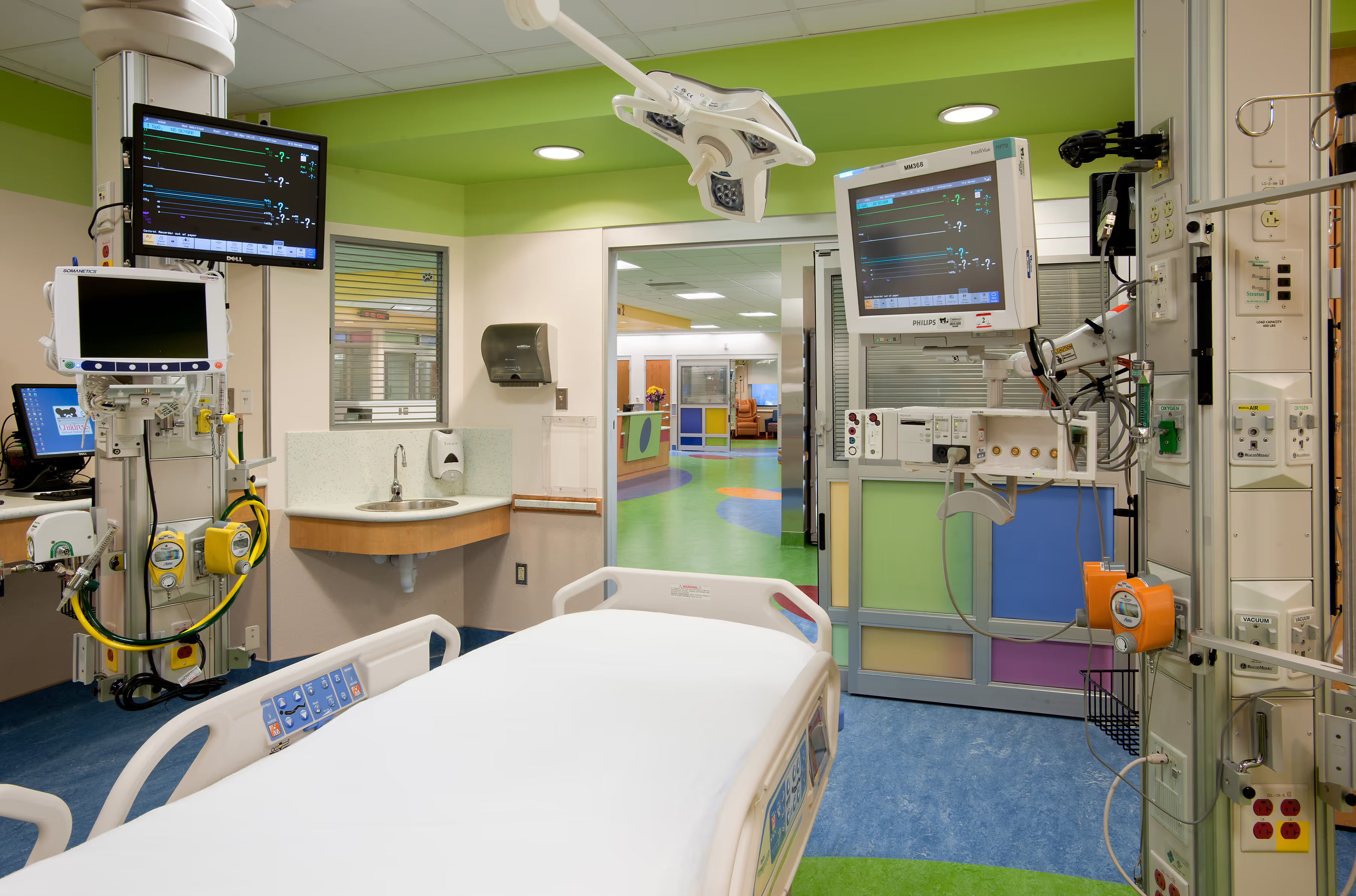
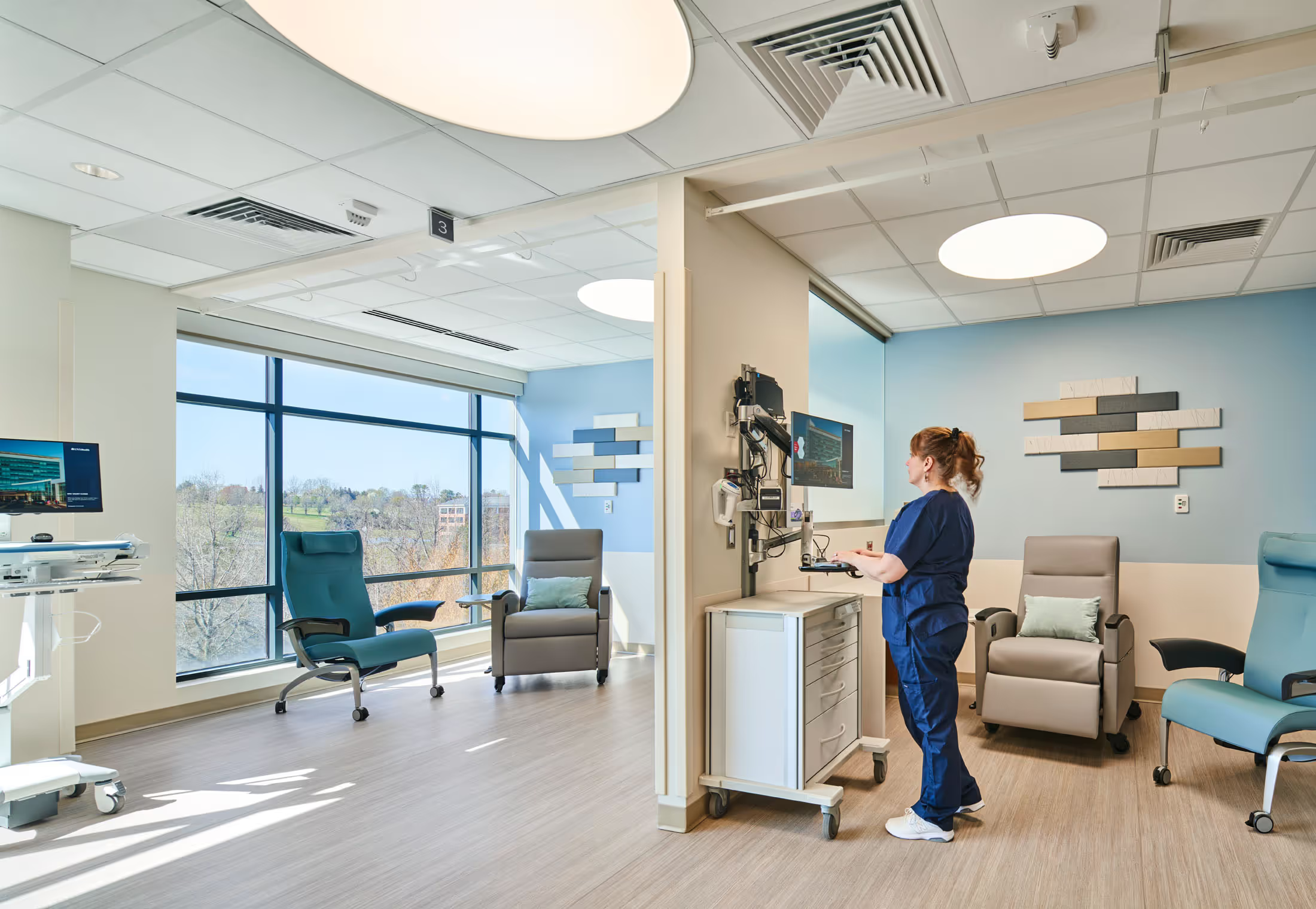
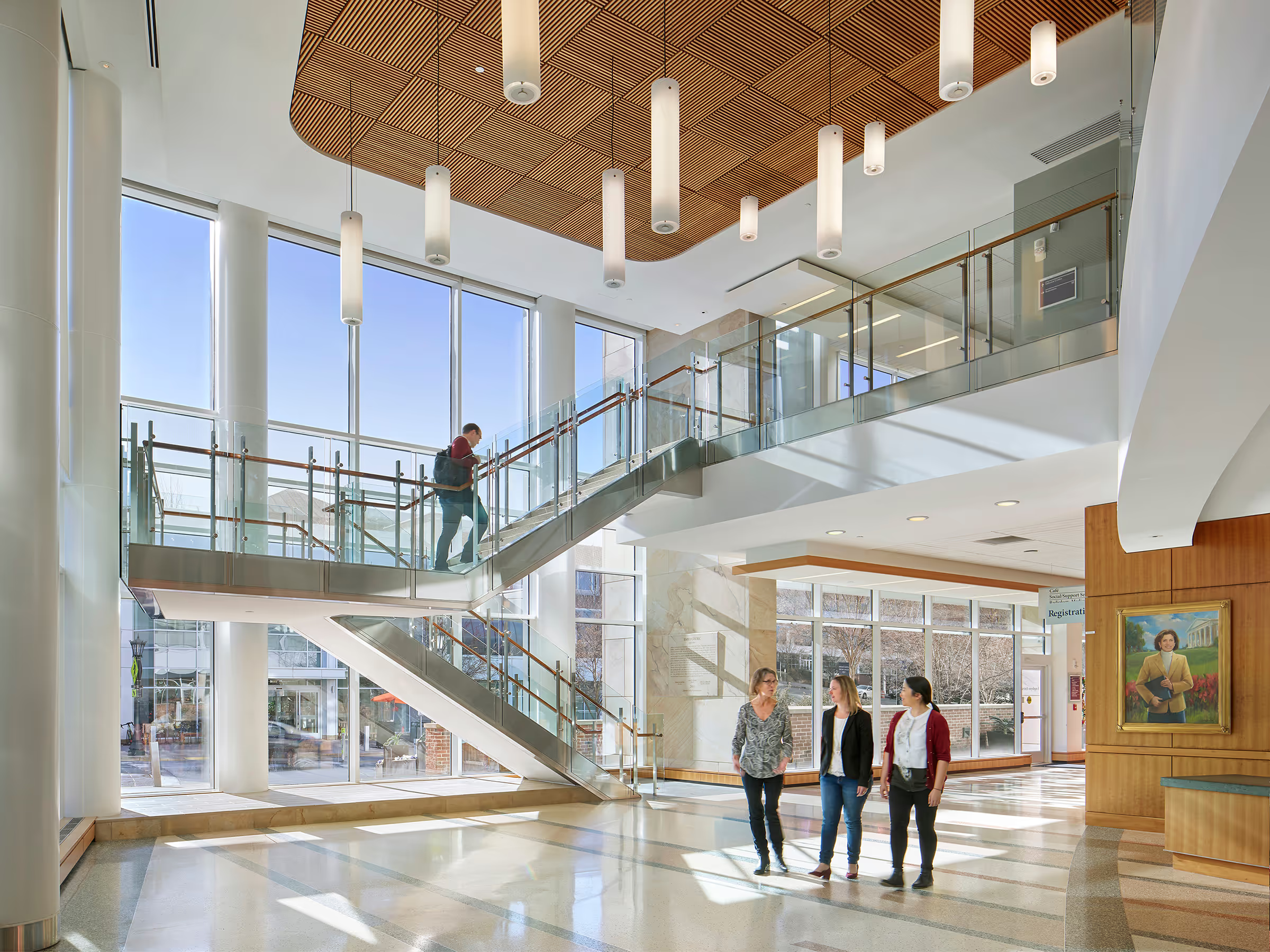
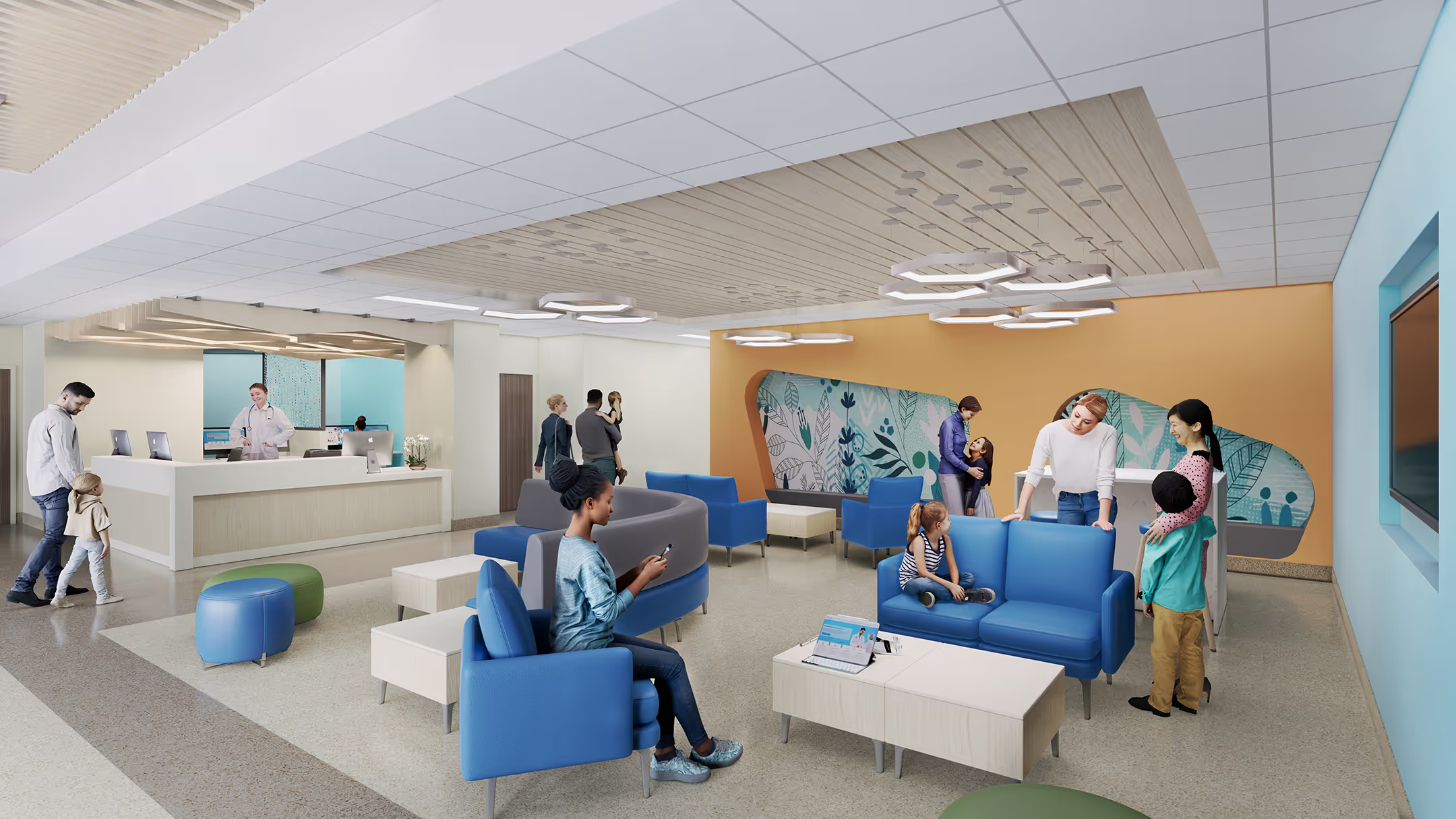
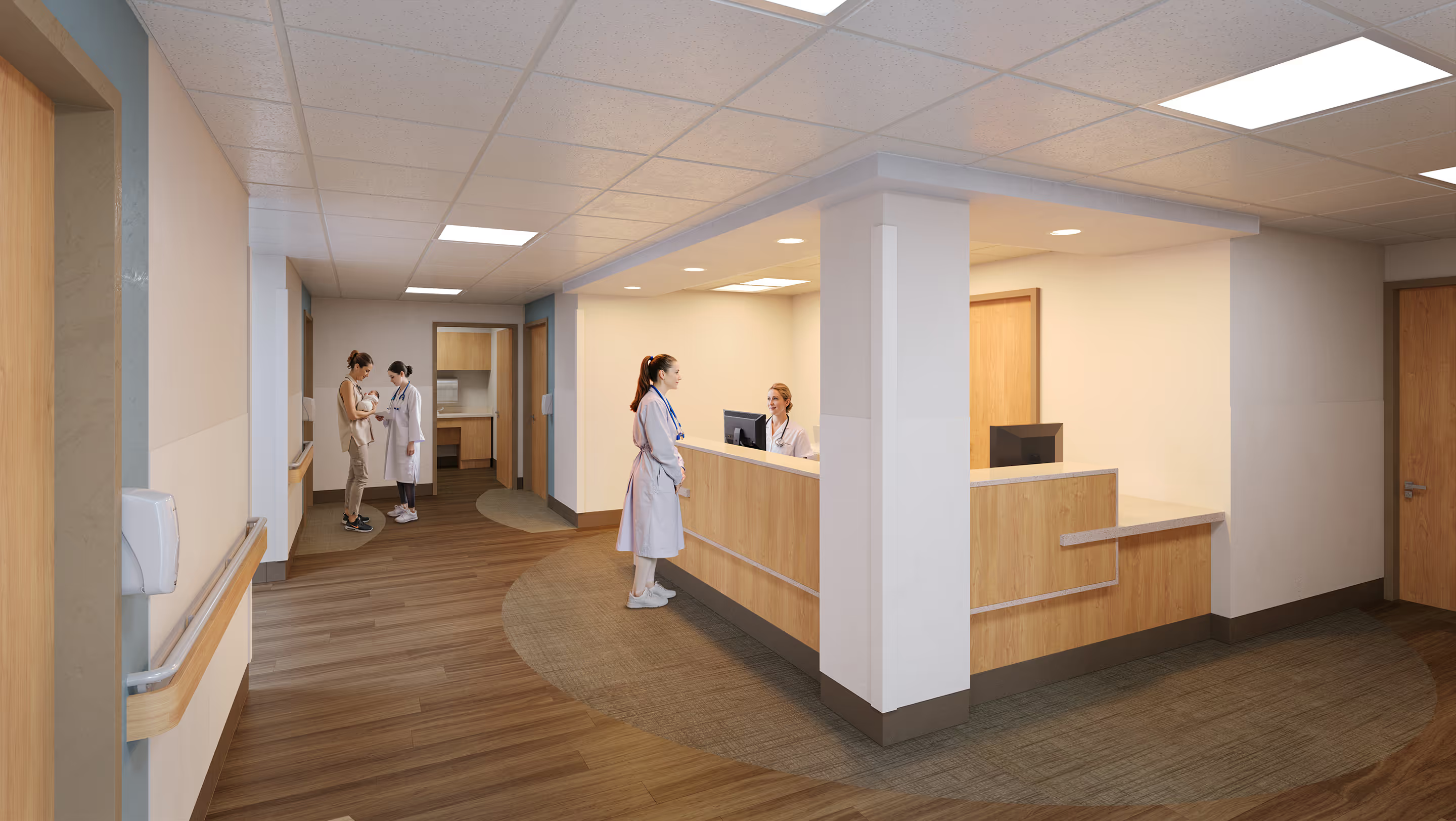
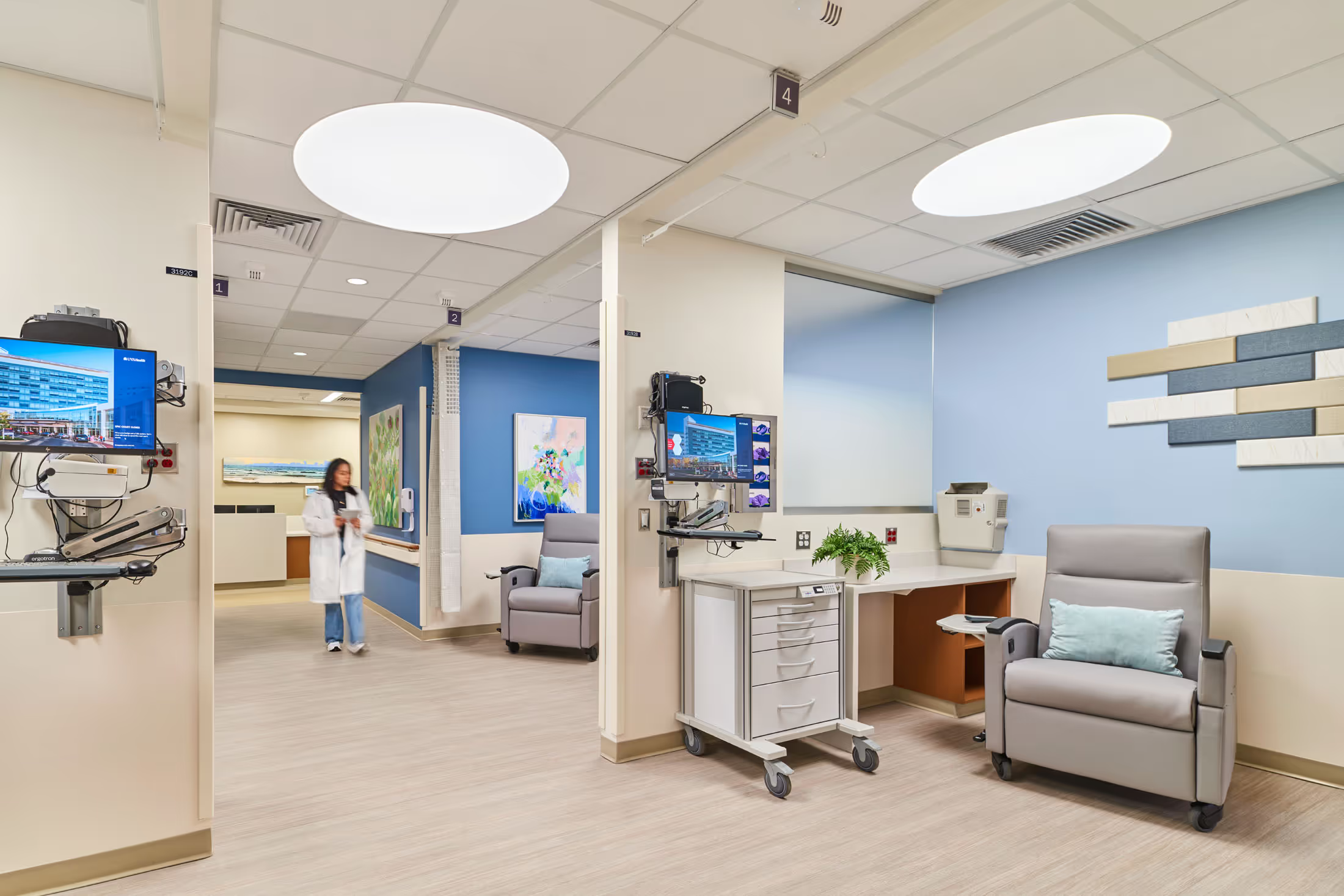
Matt shared that many of the hospitals he works on have outdated infrastructure, especially in patient areas. Redesigning these spaces means more than aesthetic improvement—it means larger, safer, more comfortable rooms, better infection control, and spaces that empower caregivers and uplift patients.
“I’m a huge nerd! I love Star Trek, Star Wars, gaming, hiking, reading, and working on model trains. I also enjoy diving into classic literature—Plato, Socrates, Ovid. Oh, and I’ve been known to sneak onto the occasional construction site tour!”
His hobbies may be diverse, but they all reflect a common thread: attention to detail, curiosity, and a love for systems that tell a story—whether it’s a model train landscape or a healthcare campus.
As a project manager, Matt is shaping some of the region’s most impactful healthcare environments. But beyond titles or technical drawings, it’s clear that what drives him is something deeper: a belief in the power of design to improve lives—patient by patient, building by building.
“Architecture is how I contribute to the world around me. I see each project as a chance to build something that outlives me—and serves the people who need it most.”