Let's Connect
We are ready to talk healthcare design with you.
Thank you! Your submission has been received!
Oops! Something went wrong while submitting the form.


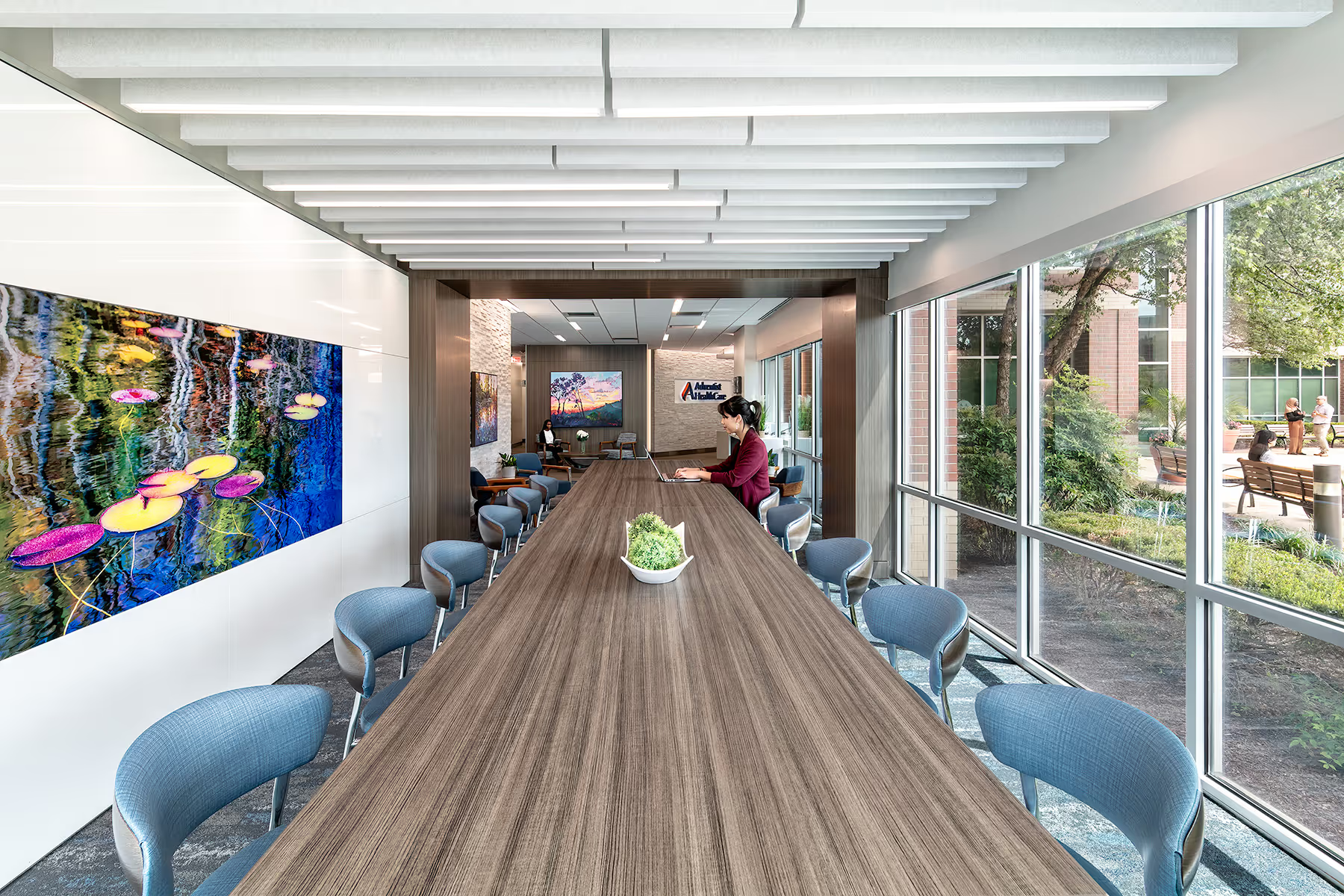
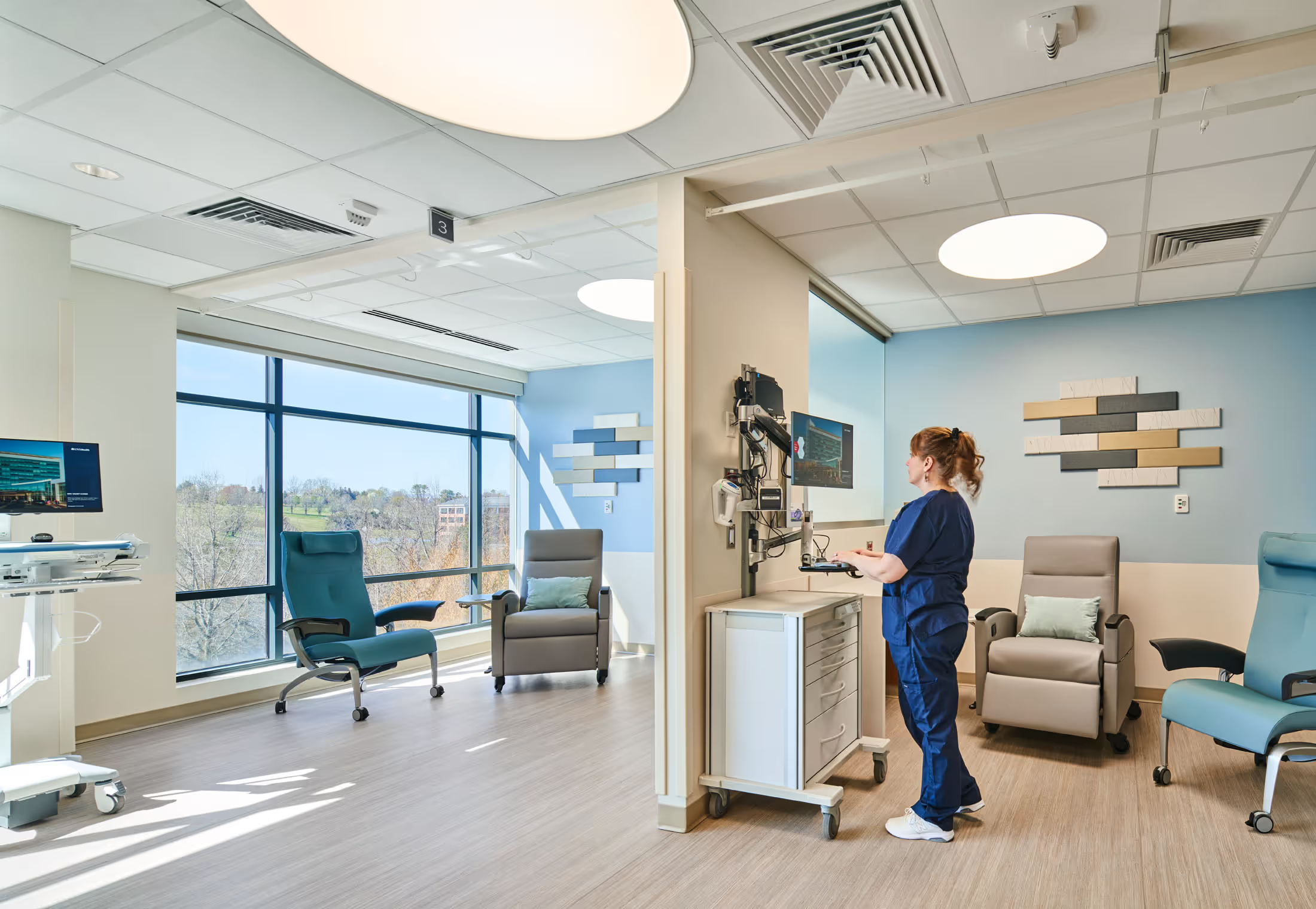
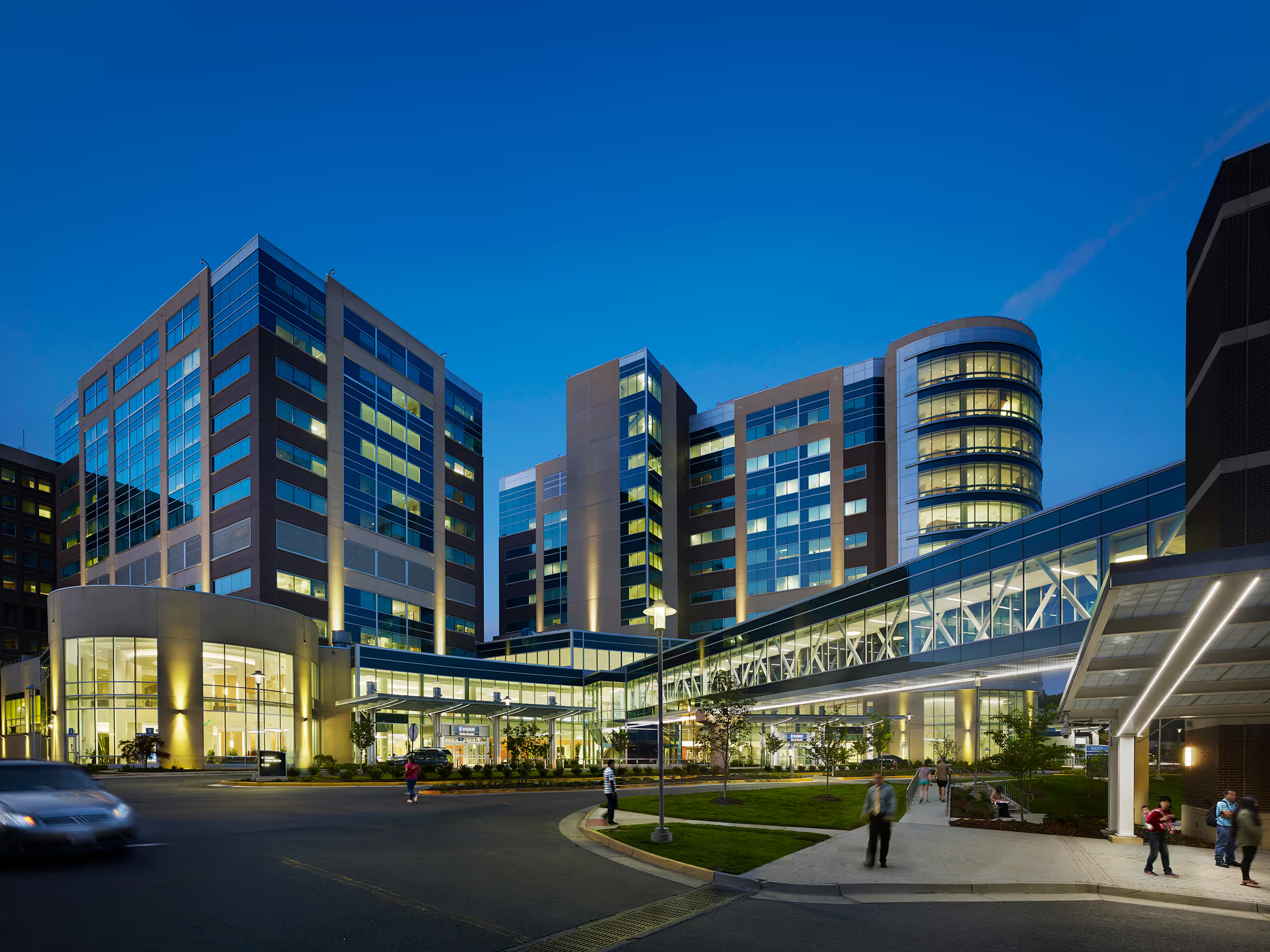
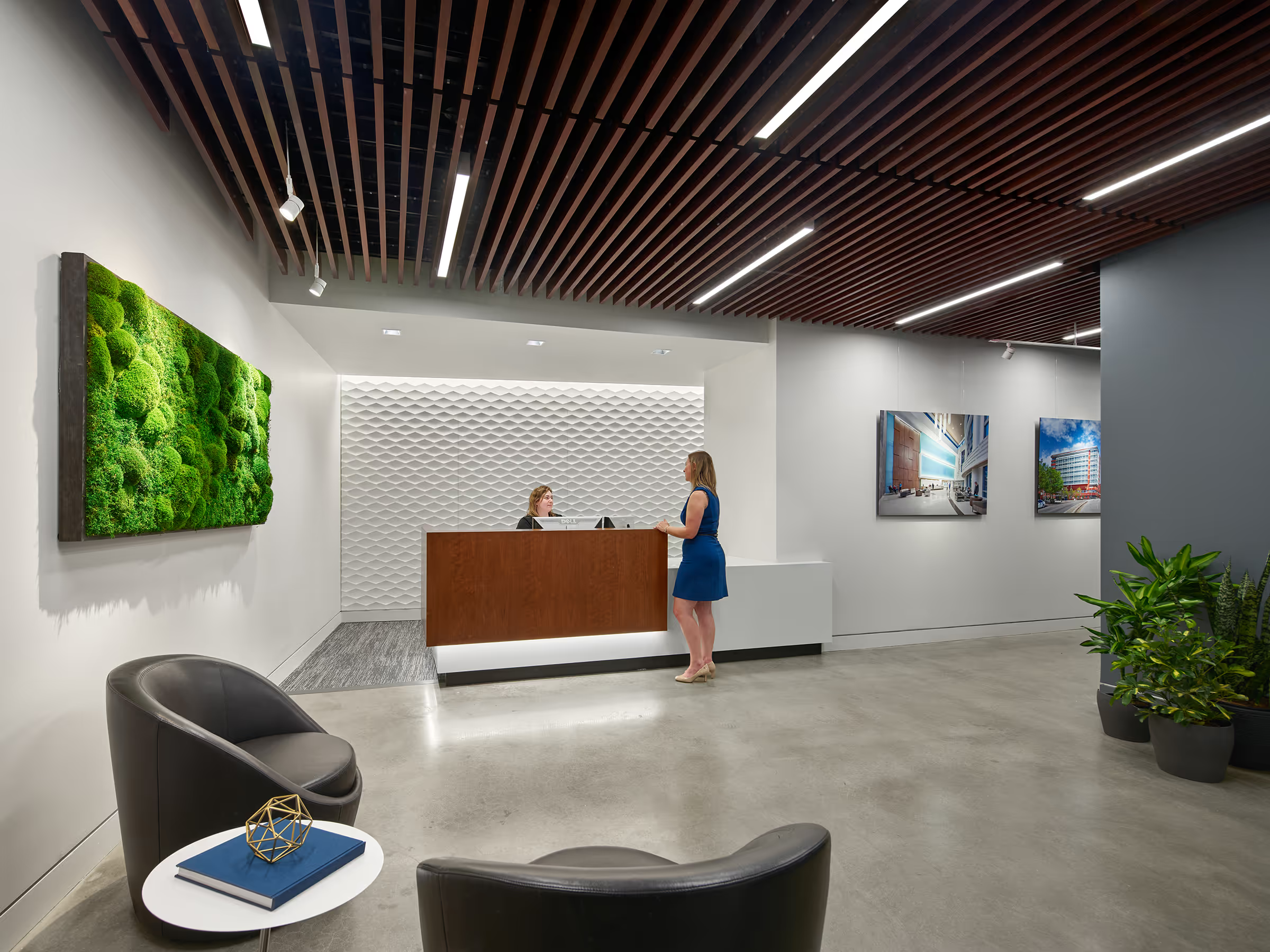
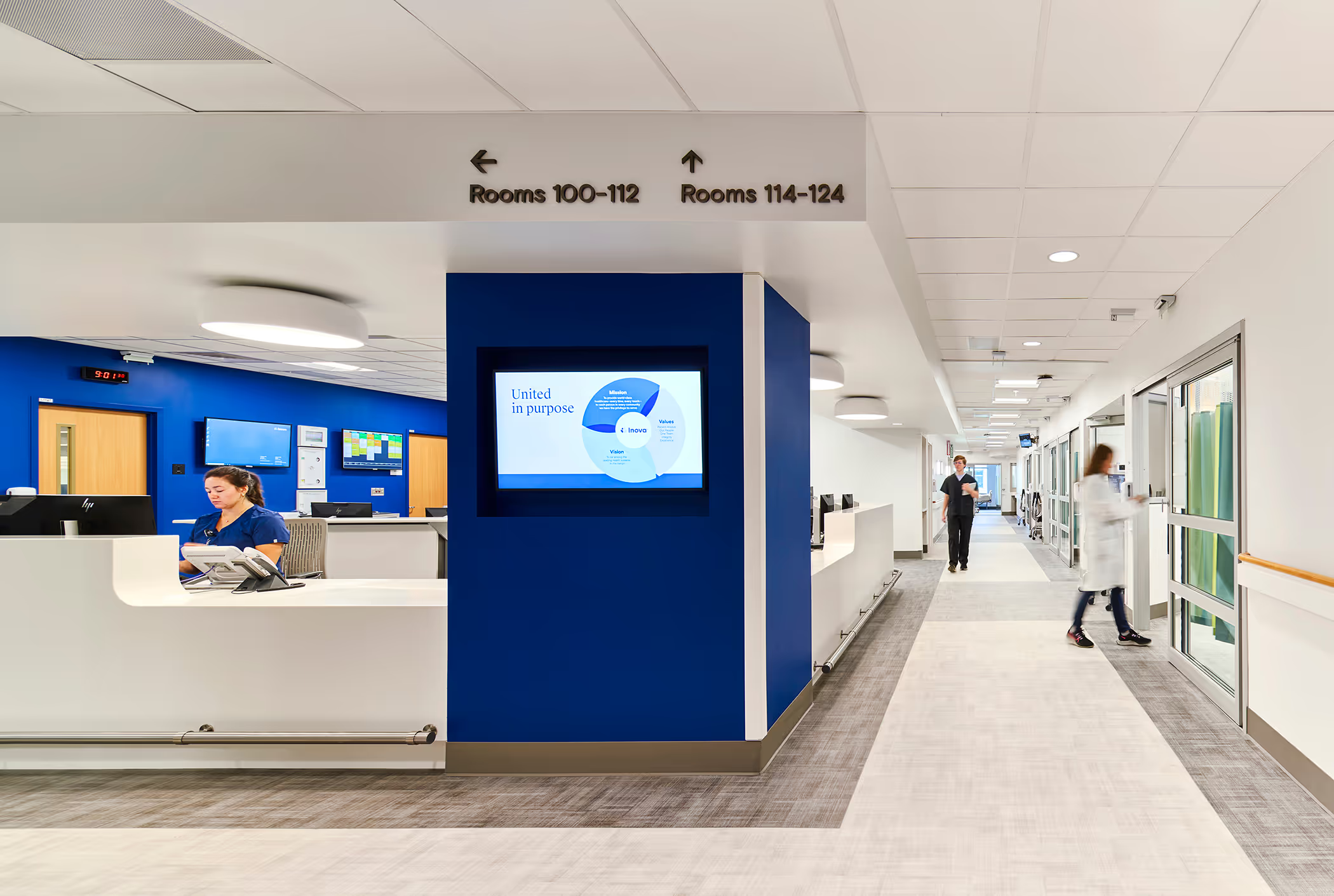
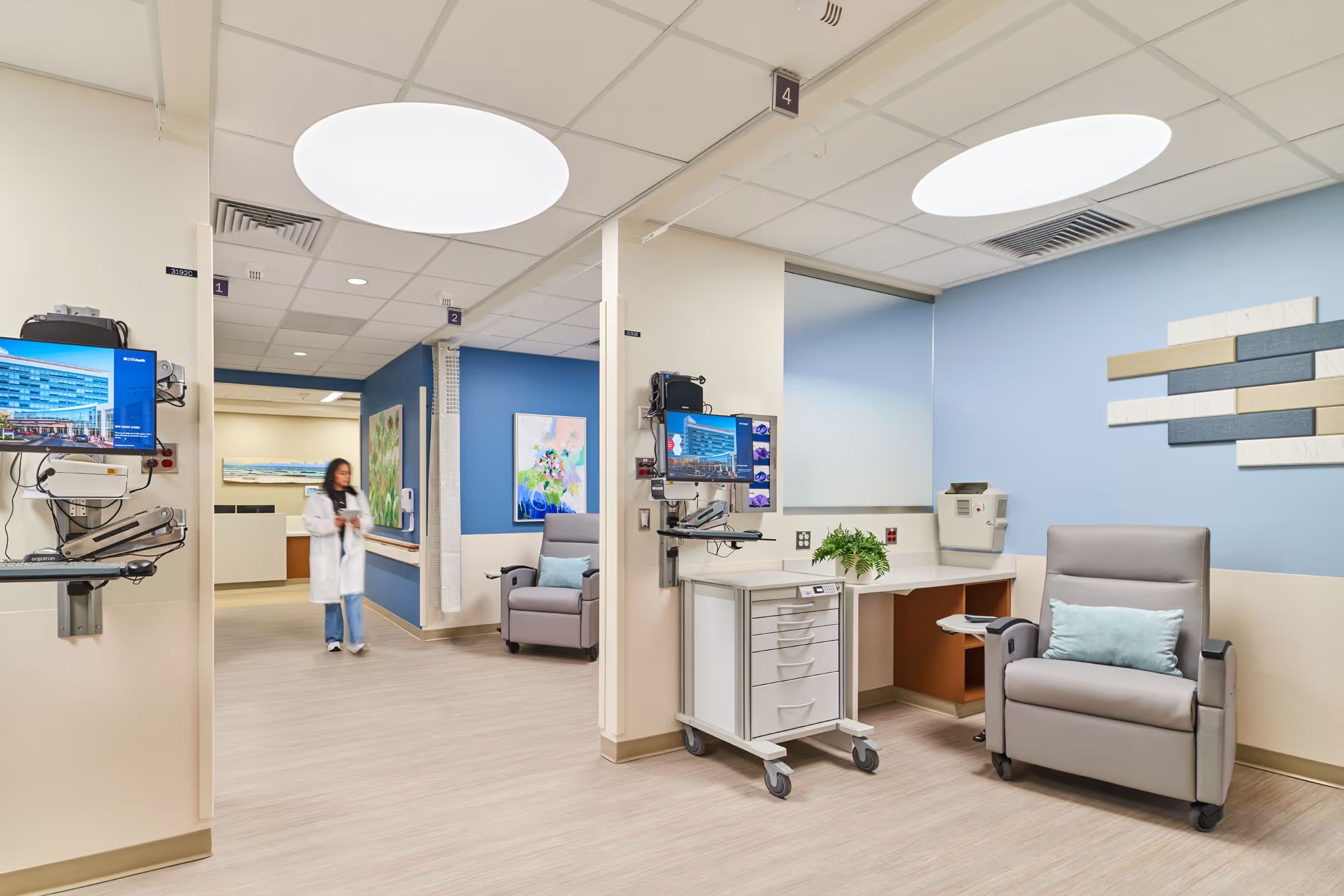
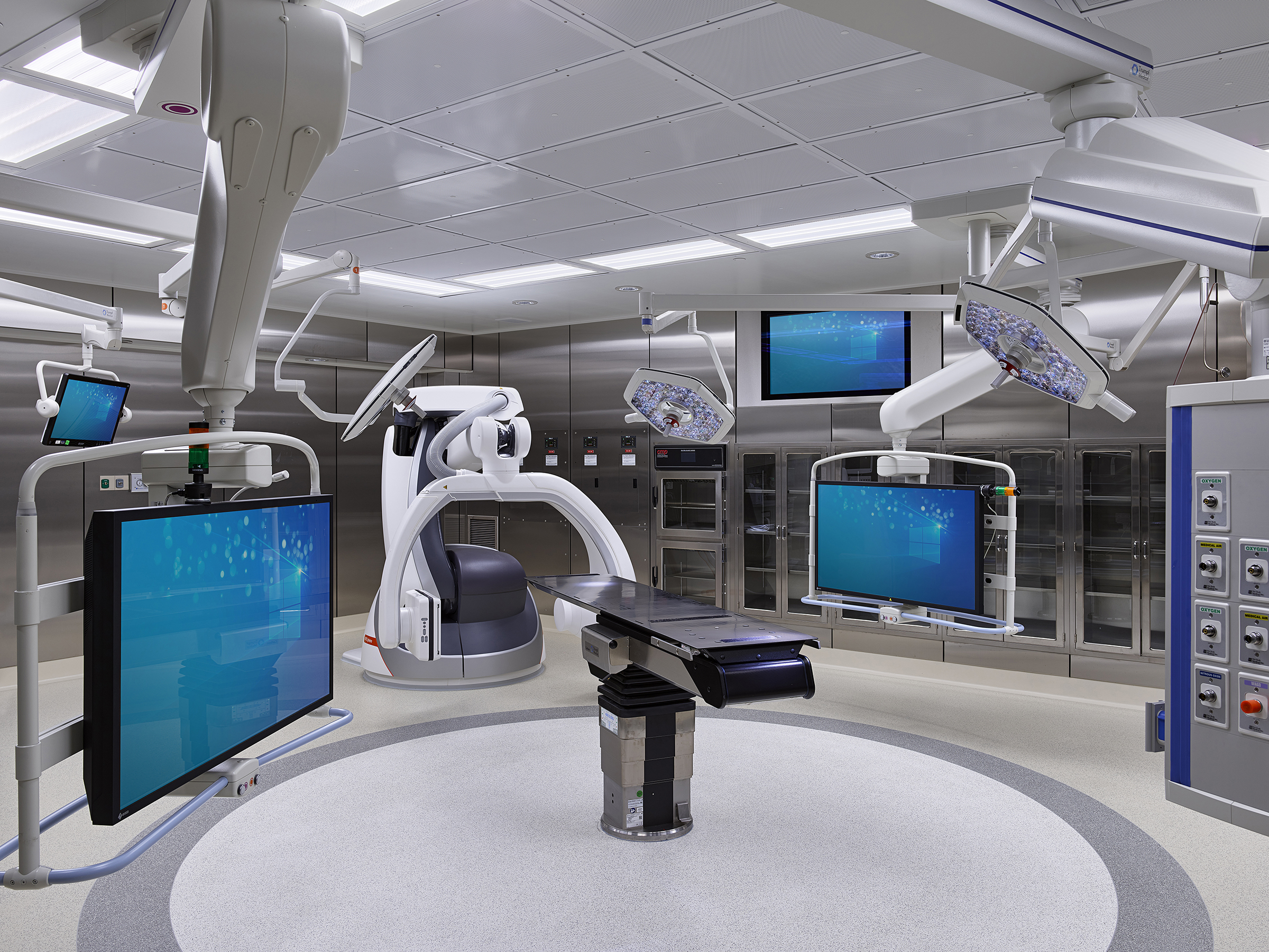
At Wilmot Sanz, interior design is far more than selecting finishes or choosing furniture. It is an integrated, iterative, and highly collaborative process that begins long before the first material is specified and continues through the final installation. From concept development to on-site surveys, from digital renderings to furniture testing, our interiors team works hand-in-hand with architecture and engineering to create spaces that elevate care, support staff workflow, and enhance the patient experience.
This is a closer look at how we design — and the rigor, creativity, and coordination behind every healthcare interior we deliver.
Every project begins with a concept grounded in mission, context, and user needs.
Designers sketch, test ideas, and develop visual frameworks using tools like Procreate, SketchBook, InDesign, and Enscape. Whether interpreting a client’s brand, connecting interiors with architectural expression, or expressing organizational values through space, the concept phase establishes a clear design narrative that guides future decisions.
Spatial diagrams, circulation studies, and value-based concept imagery help stakeholders visualize how people will move, gather, and heal within the space. These early graphics ensure the design aligns with functional needs and tells a cohesive story from the exterior inward.
For renovations and multi-phased improvements, the process begins on site.
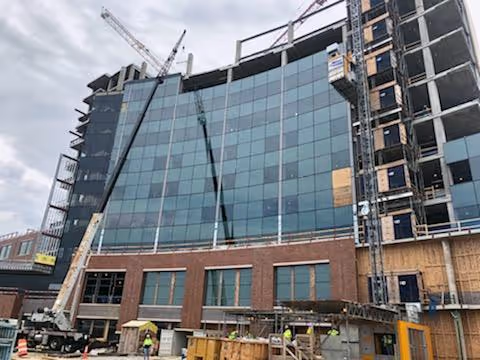
Using Newforma punch list tools, the interior design team conducts detailed surveys of existing conditions — evaluating flooring, wall protection, ceilings, lighting, durability, and infection control considerations. Each area is assessed and prioritized through a grading system, helping health systems make strategic decisions about what requires immediate attention and what can be addressed over time.
This insight is invaluable for clients with extensive campuses or aging facilities, where phased replacement and long-term standards matter.
Material selection is a highly technical and highly creative process.
Designers build layered palettes that consider:
Stone, metal panels, wood alternatives, resilient flooring, wall protection, and specialized healthcare finishes are arranged into curated palettes that balance aesthetics with performance. For clients with existing standards, designers translate systemwide guidelines into project-specific solutions; for clients building standards from scratch, we help create palettes that scale across multiple facilities.

As concepts mature, the interiors team develops detailed technical documents in Revit, including:
View templates and worksets ensure clarity and consistency across documents, allowing architecture and interiors to coordinate seamlessly. This is especially critical for healthcare environments where finish transitions, lighting controls, signage placement, and casework dimensions directly influence safety and performance.
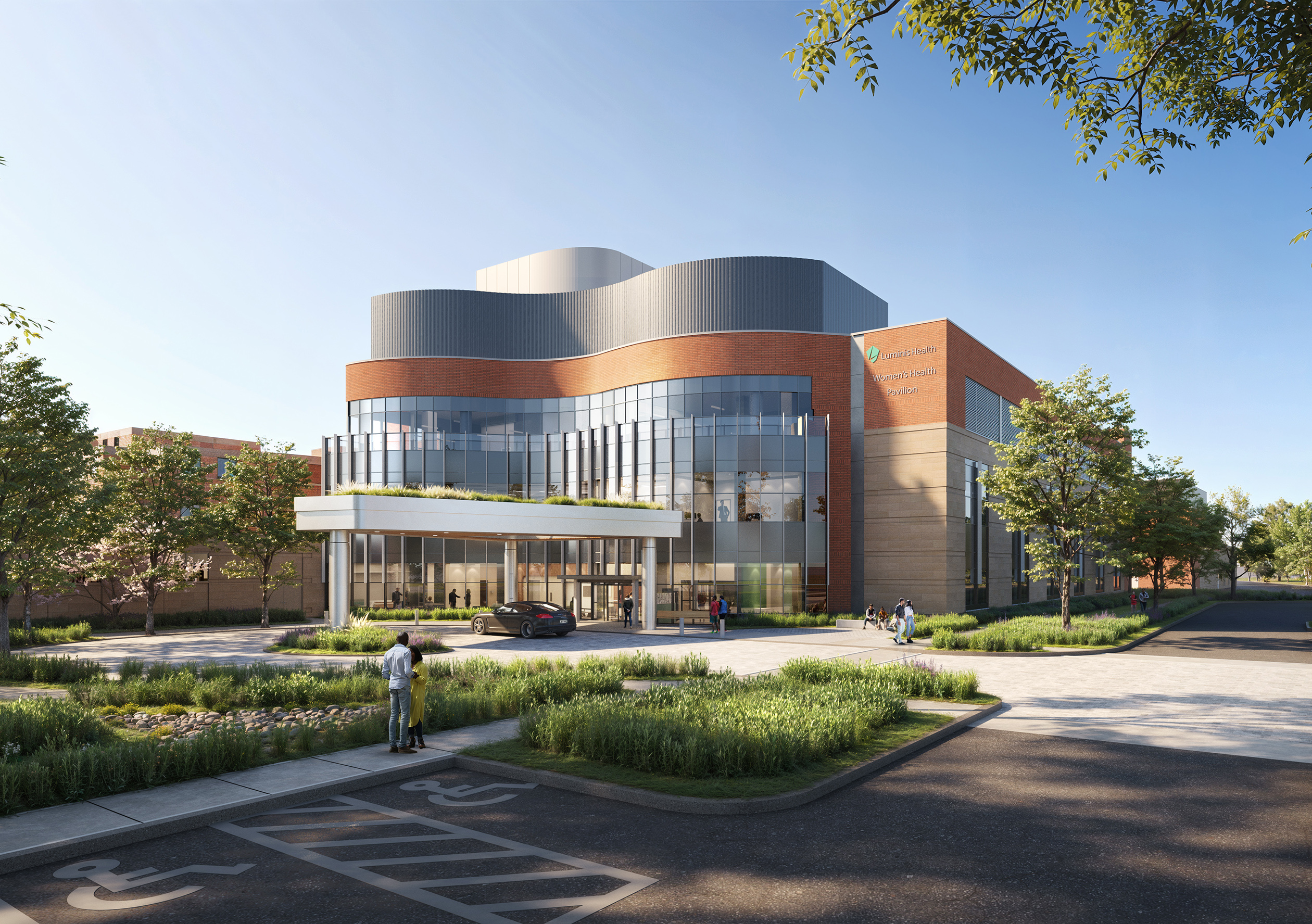
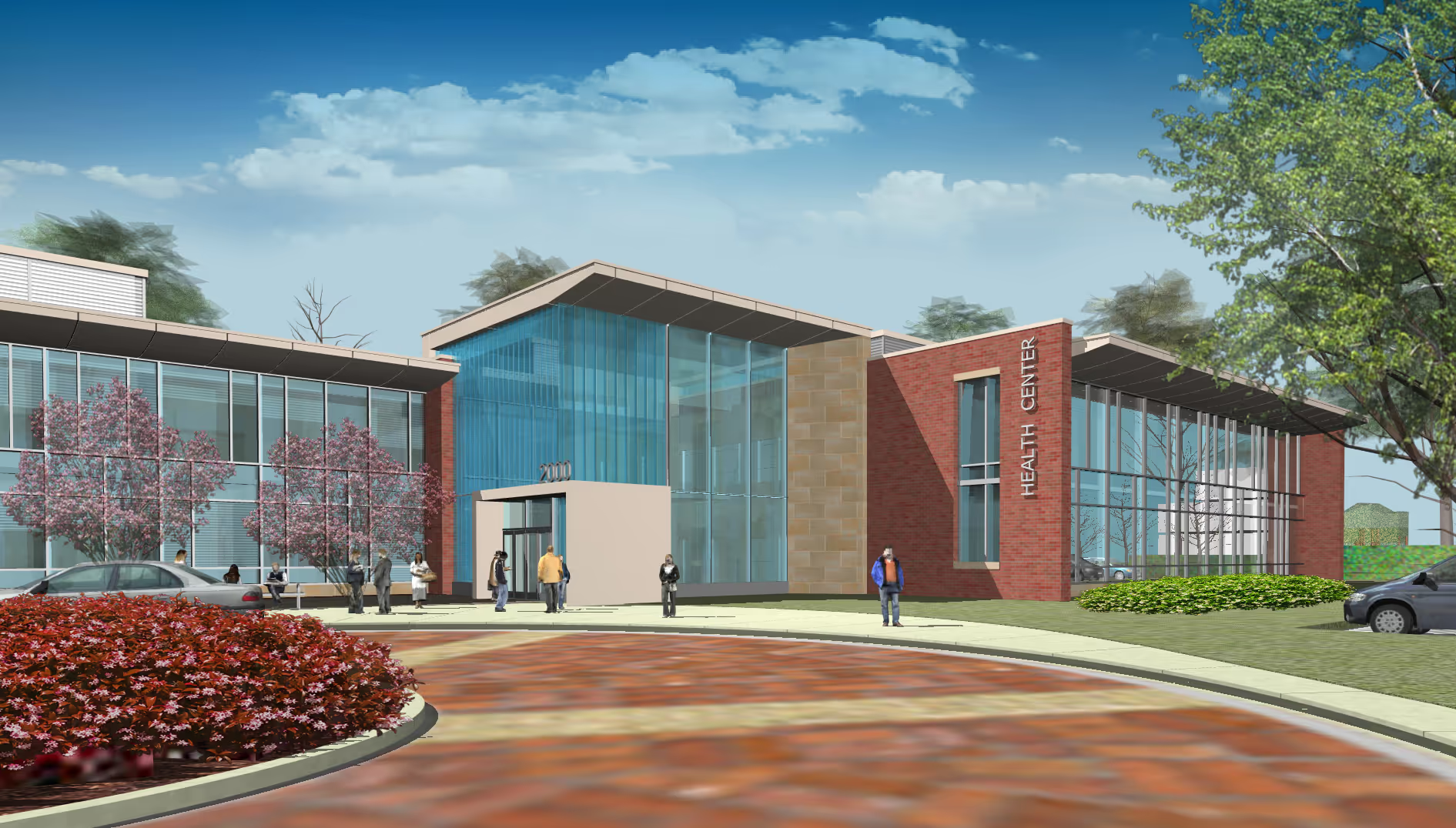
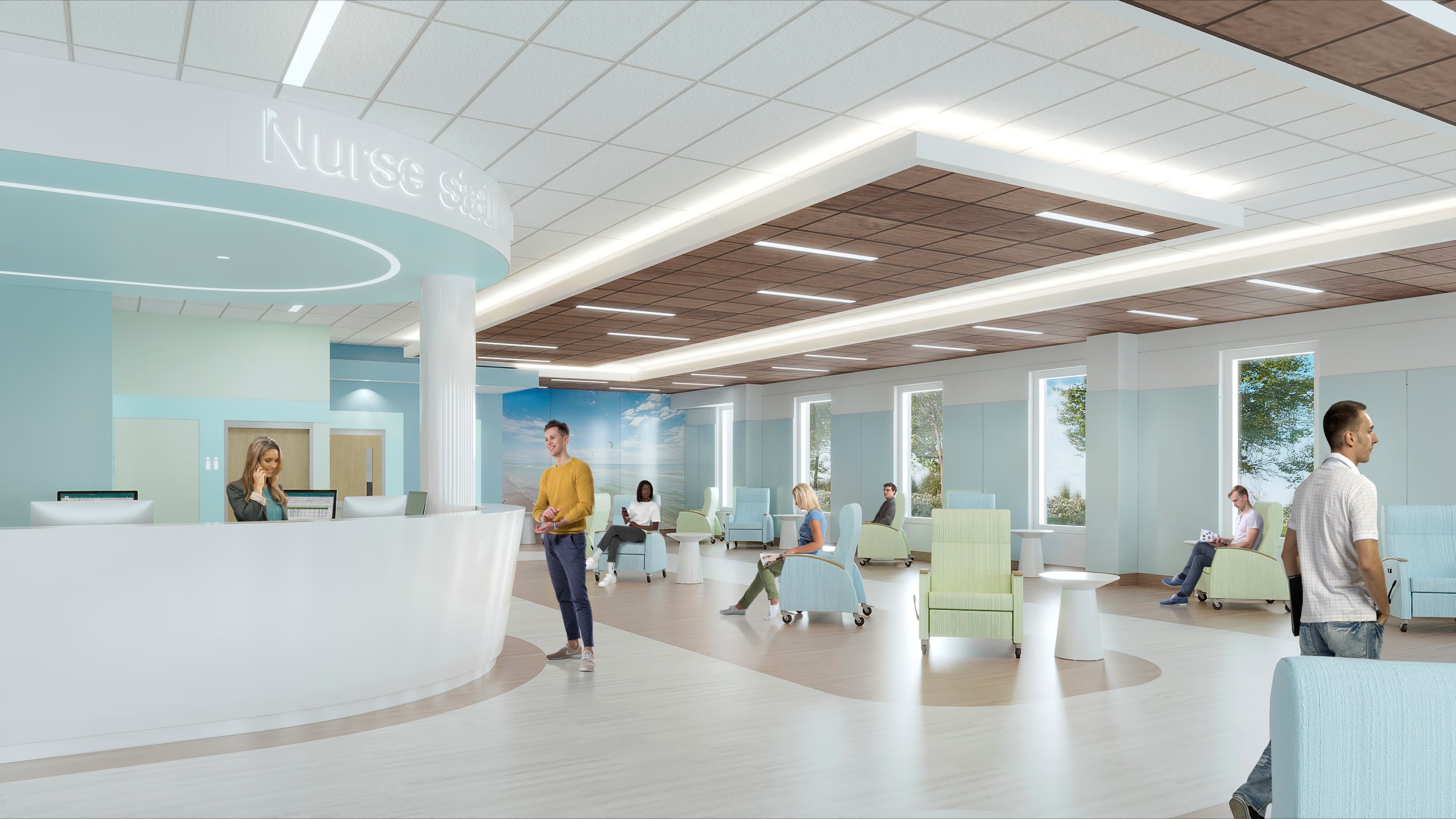
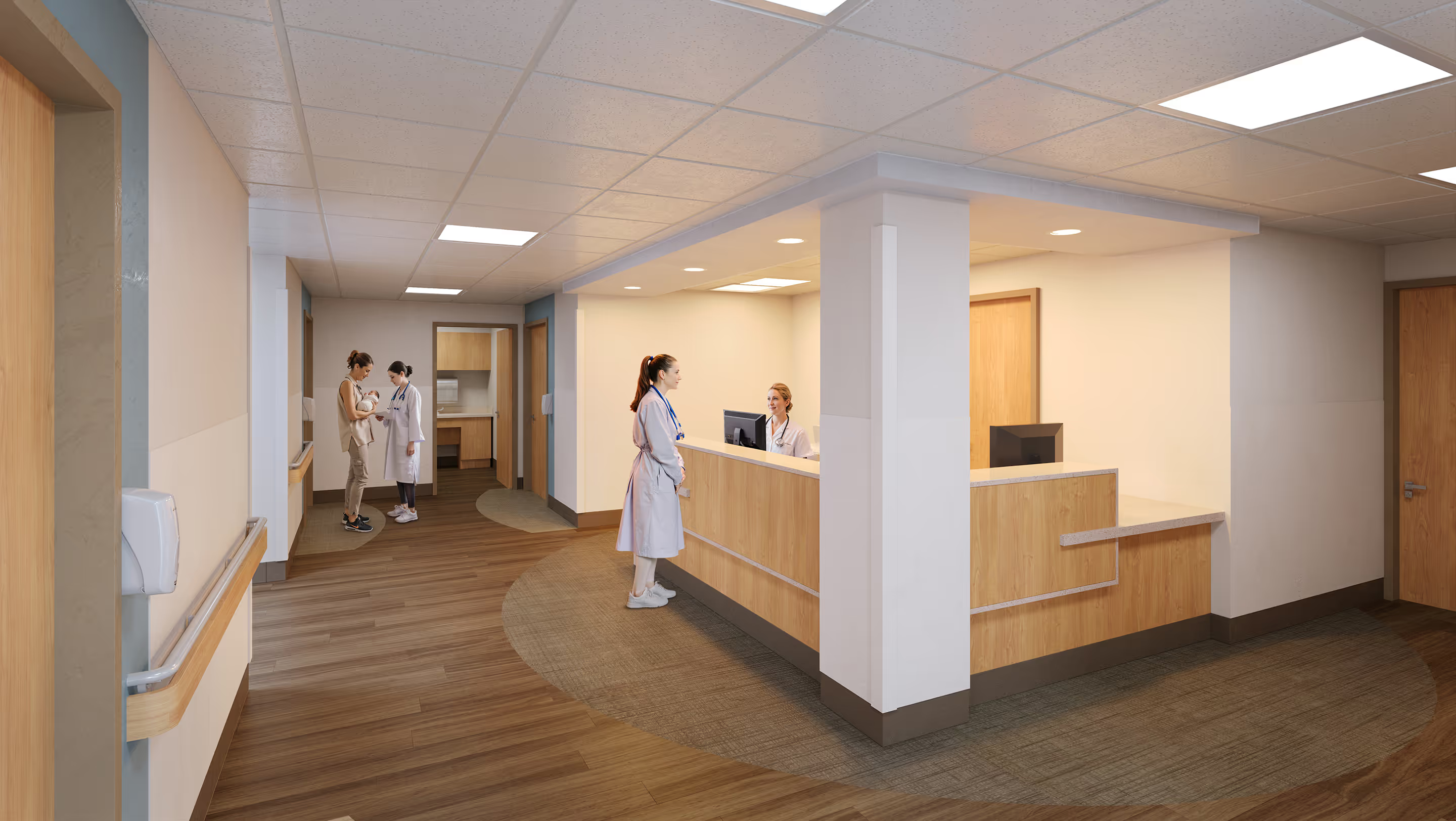
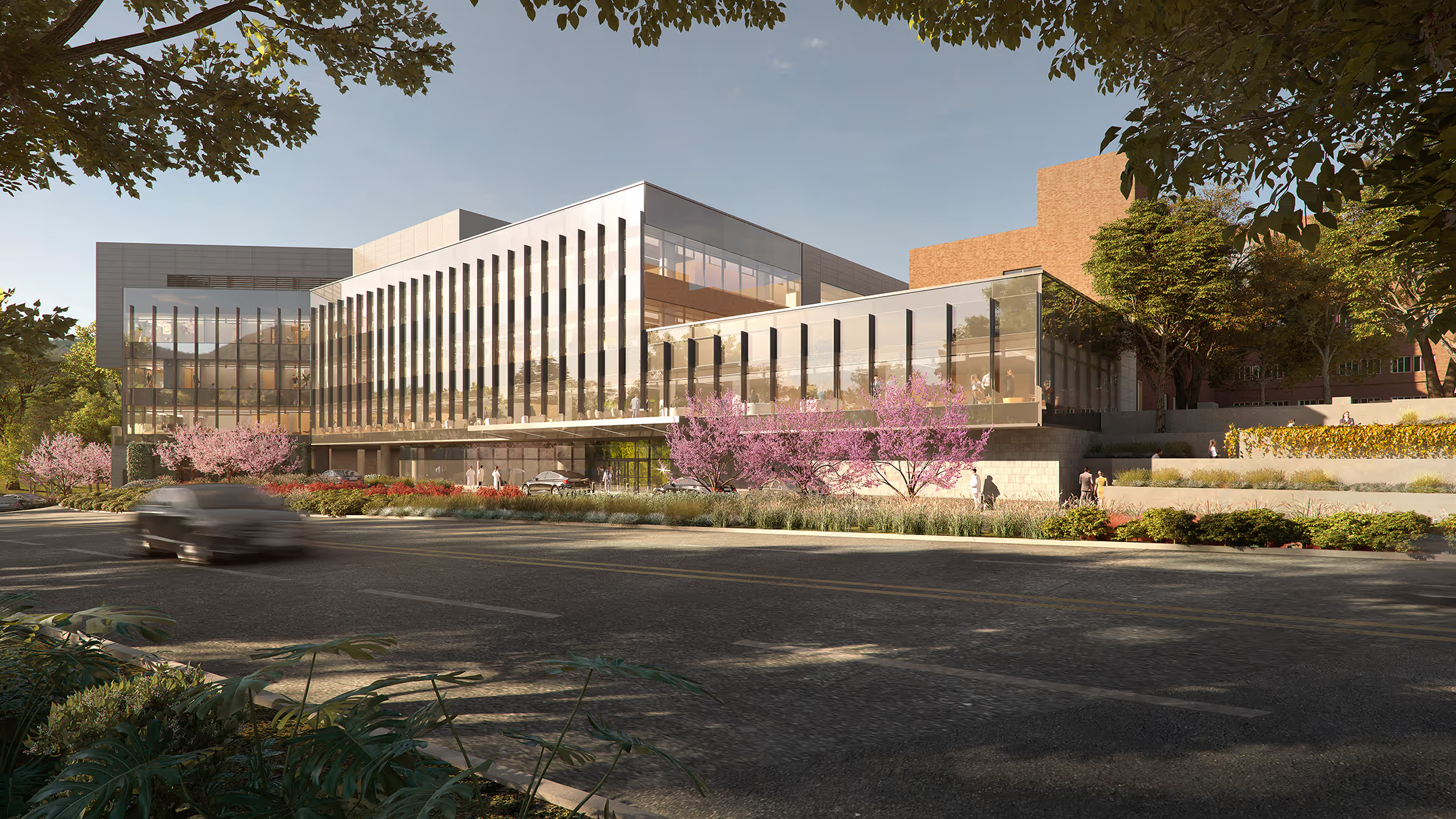
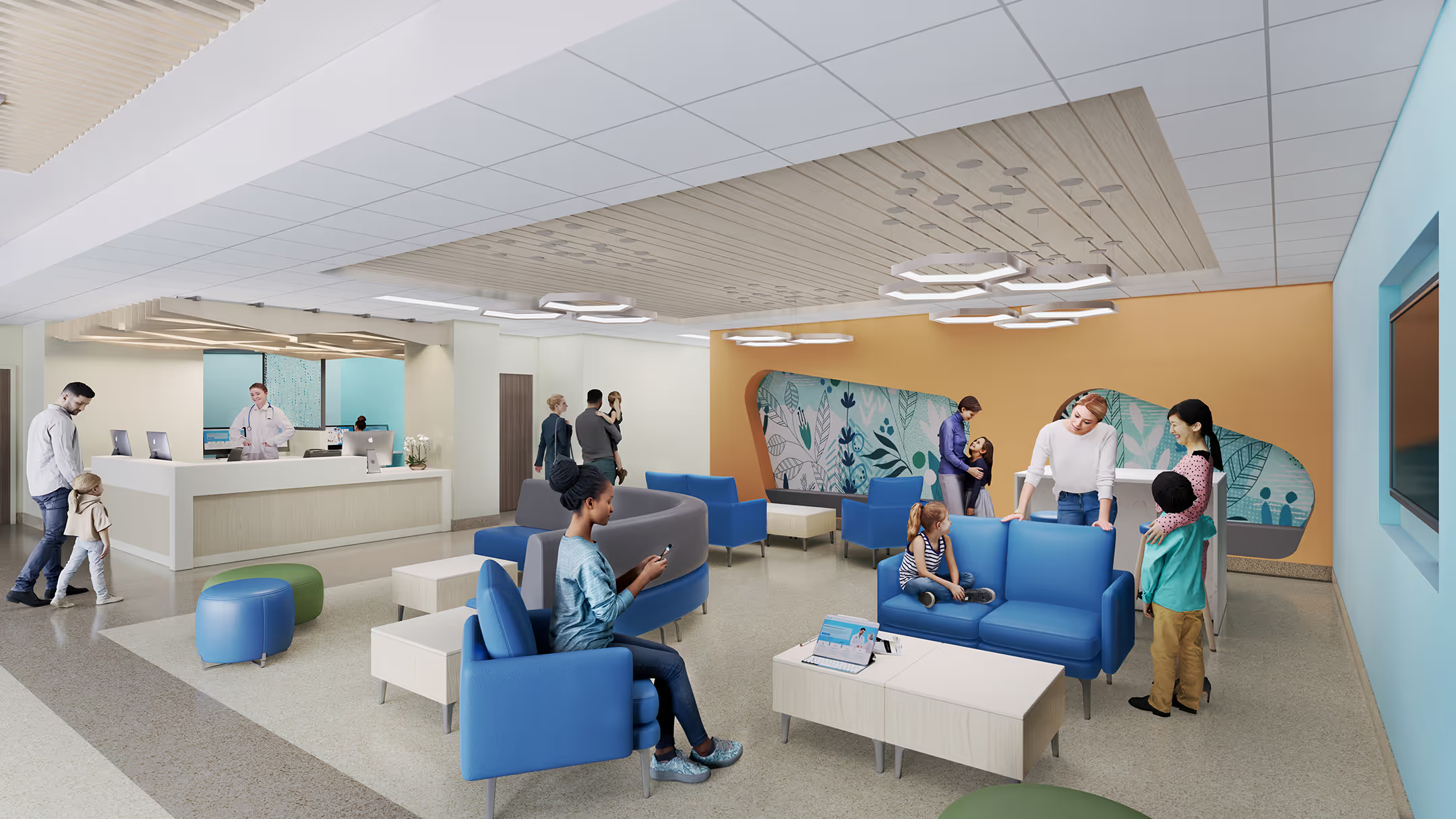
Today’s clients expect to see their spaces long before construction begins. The Wilmot Sanz interiors team uses Enscape within Revit to create accurate, immersive renderings — not only for client presentations, but also as internal quality checks.
This real-time visualization helps teams:
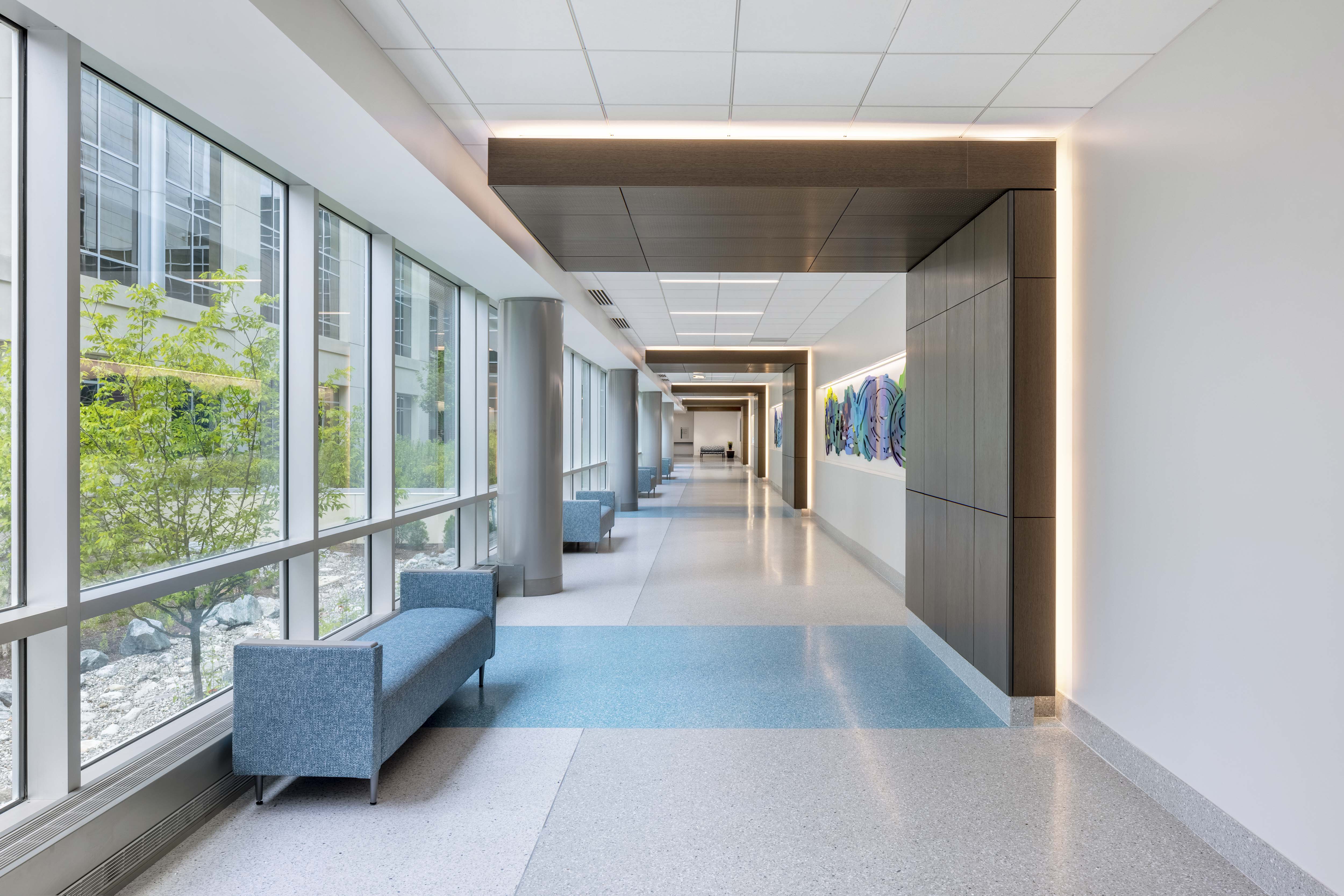
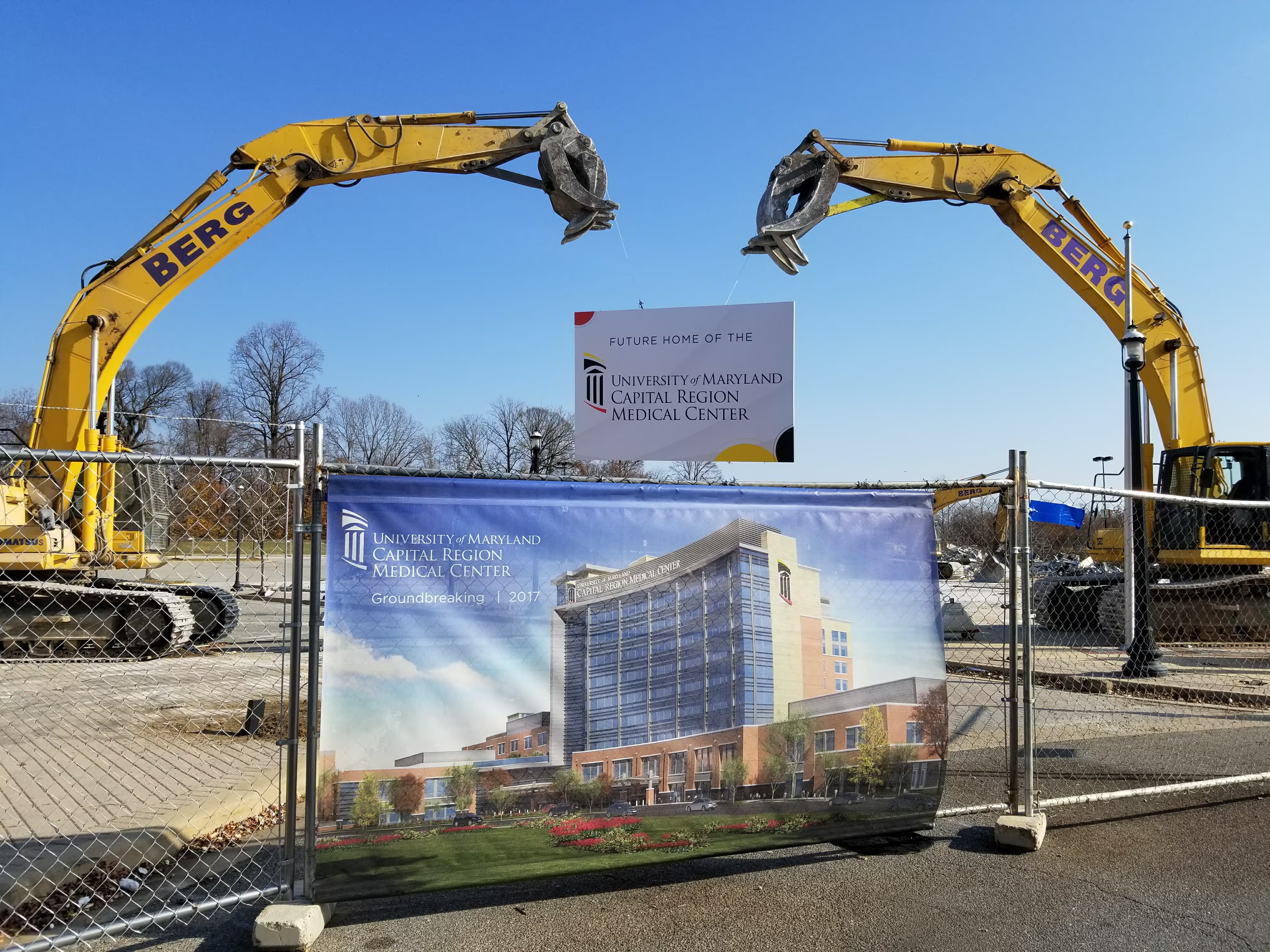
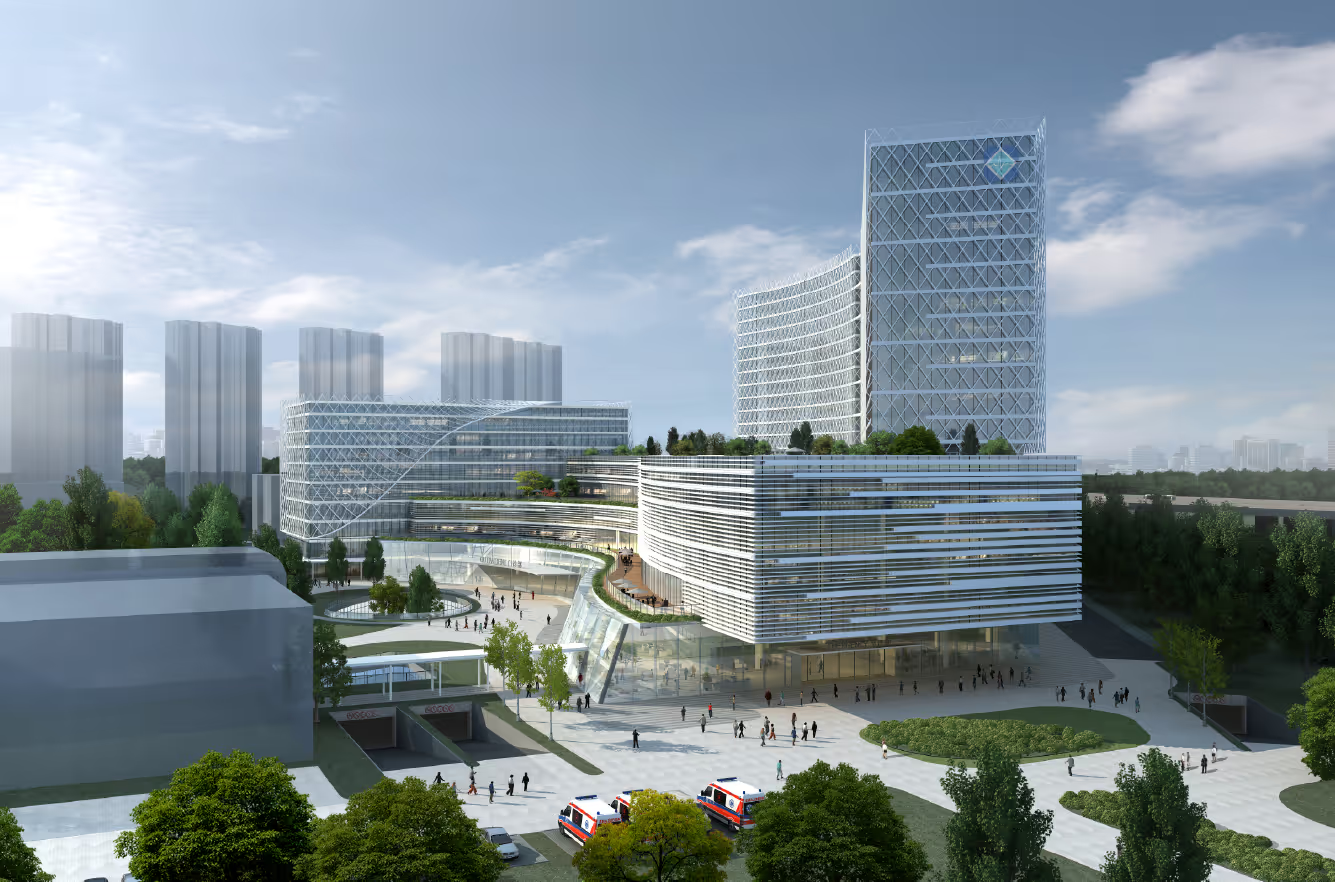
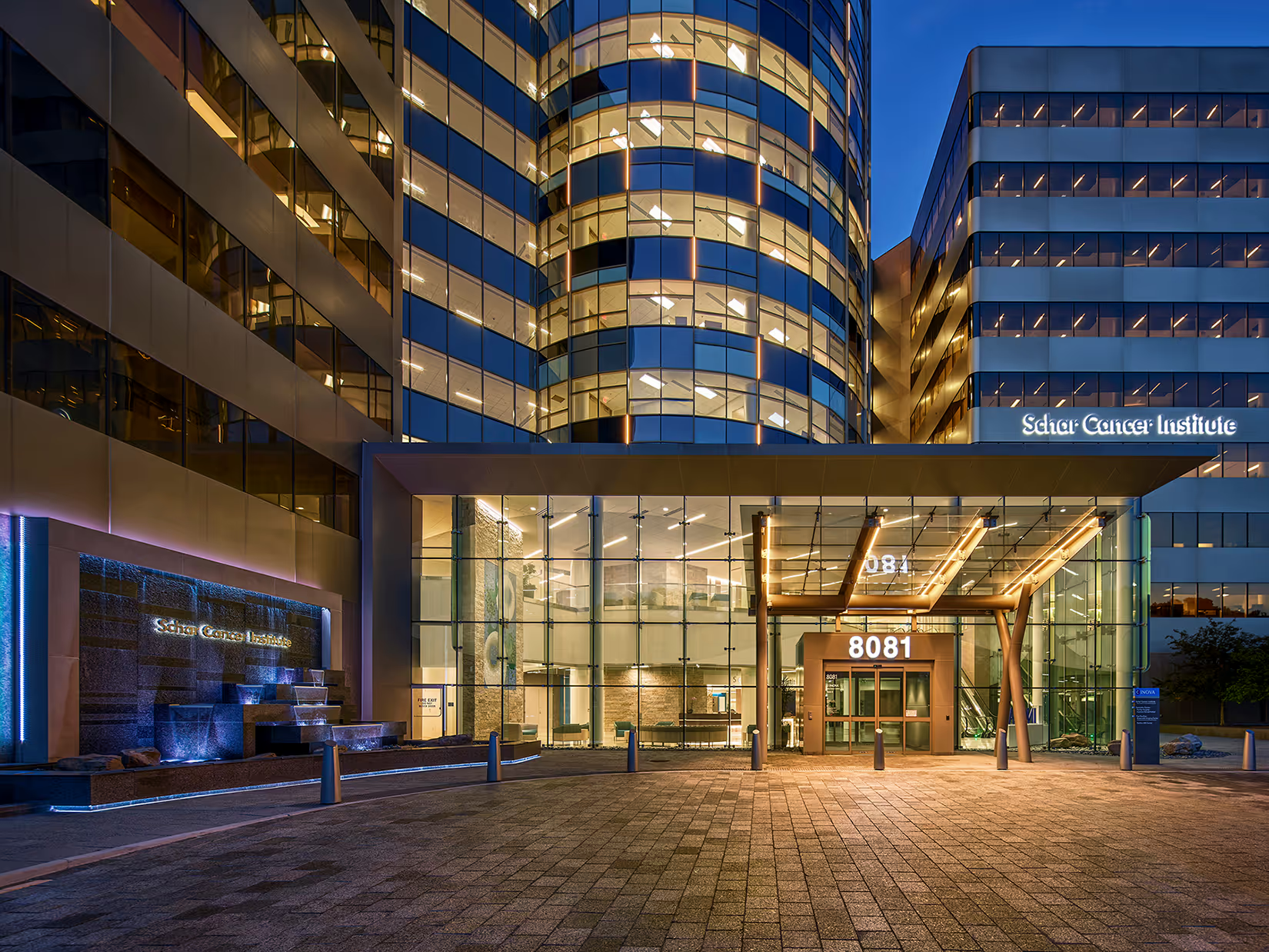
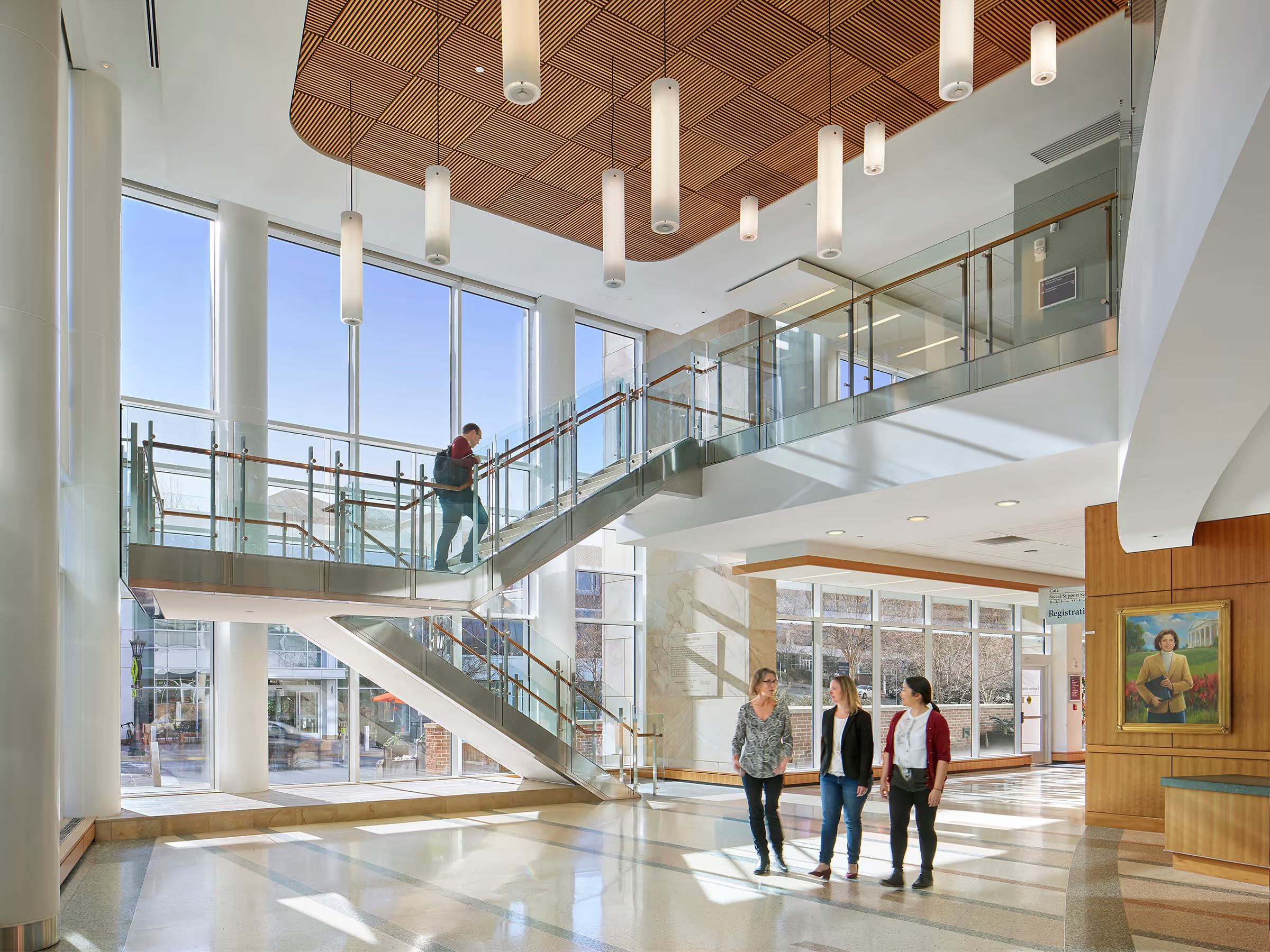
Side-by-side comparisons of renderings and final photography show how closely the visualization process mirrors reality — a testament to precise modeling and careful attention to detail.

Furniture selection is a rigorous process driven by user experience, cleanability, ergonomics, and operational workflow.
The team:
Furniture impacts everything — from infection control to staff efficiency — and the interiors team manages it with the same precision as any architectural system.
To keep designs fresh, relevant, and future-ready, the interiors team continually studies emerging trends in healthcare, workplace, and hospitality design. Recent takeaways include:
These insights inform design strategies that bring warmth, humanity, and innovation into clinical spaces.
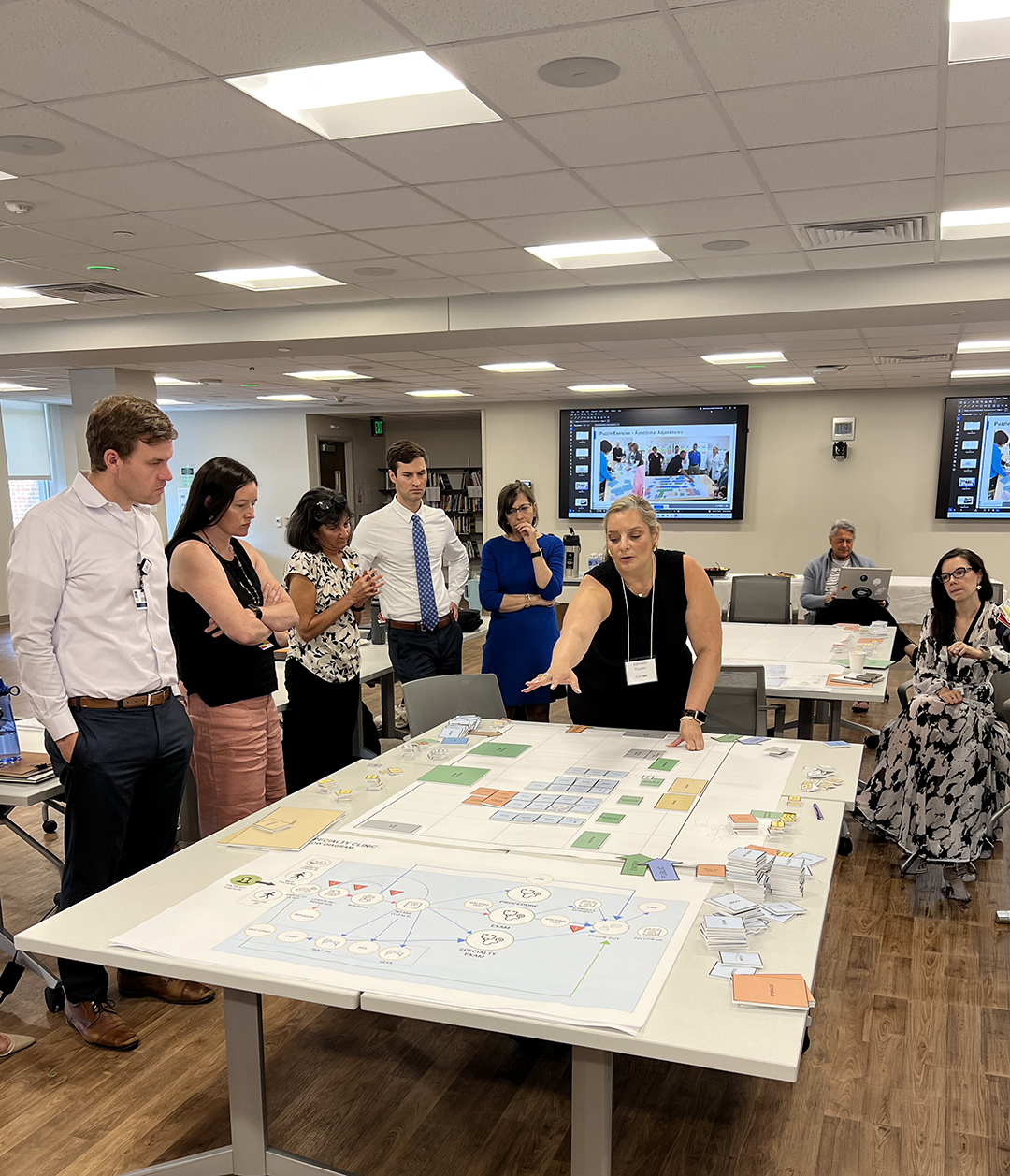
Across every project, one theme remains constant: collaboration.
Interior designers work closely with architects, engineers, consultants, and clients to ensure that every decision — from a ceiling grid to a corridor paint color — serves the project’s larger goals.
The process is meticulous. It is iterative. It is purposeful. And at its heart, it is about supporting the people who use these spaces every day.
At Wilmot Sanz, interiors are not an add-on — they are a critical part of designing environments that heal, calm, inspire, and endure.