Let's Connect
We are ready to talk healthcare design with you.
Thank you! Your submission has been received!
Oops! Something went wrong while submitting the form.


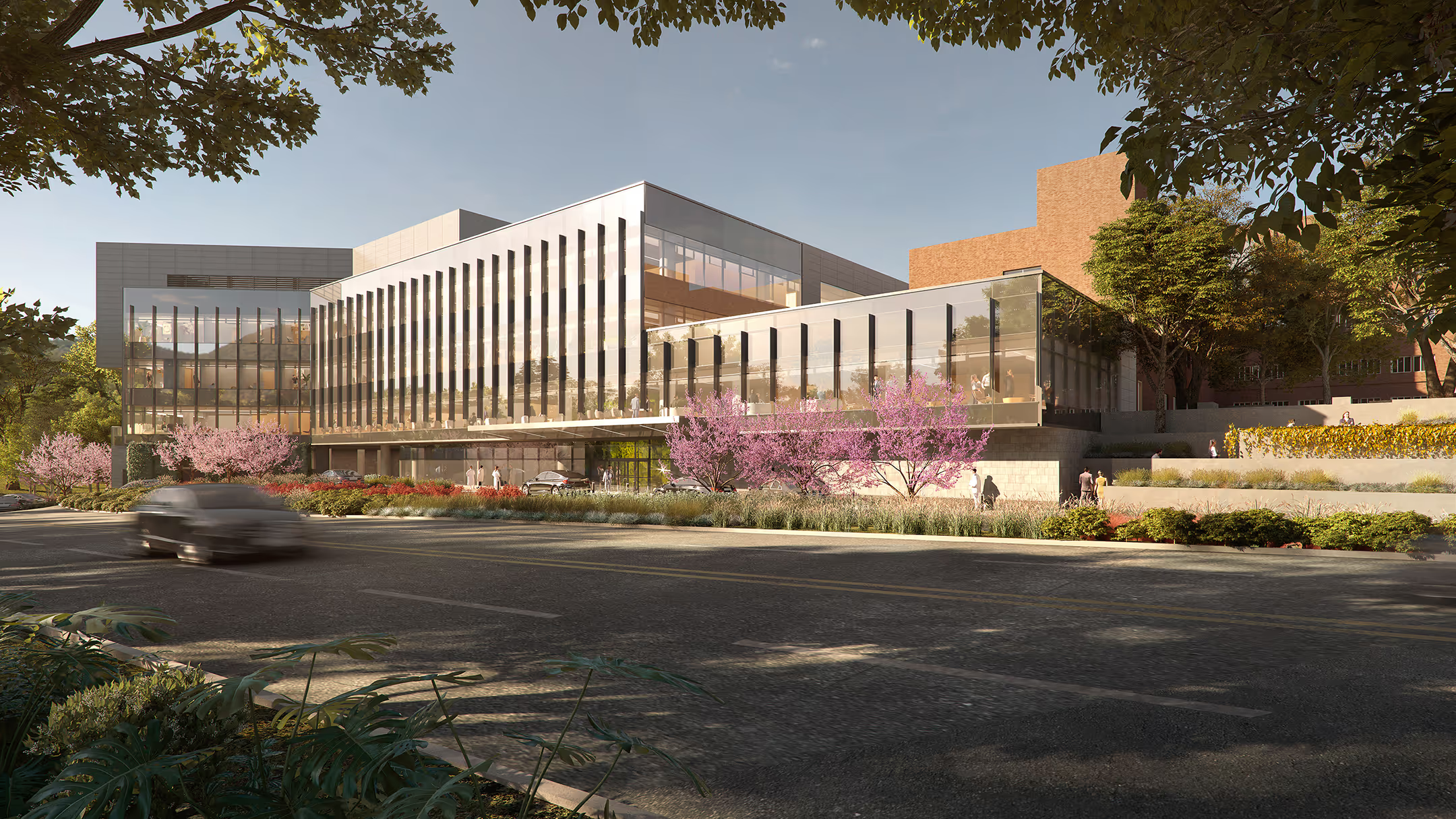
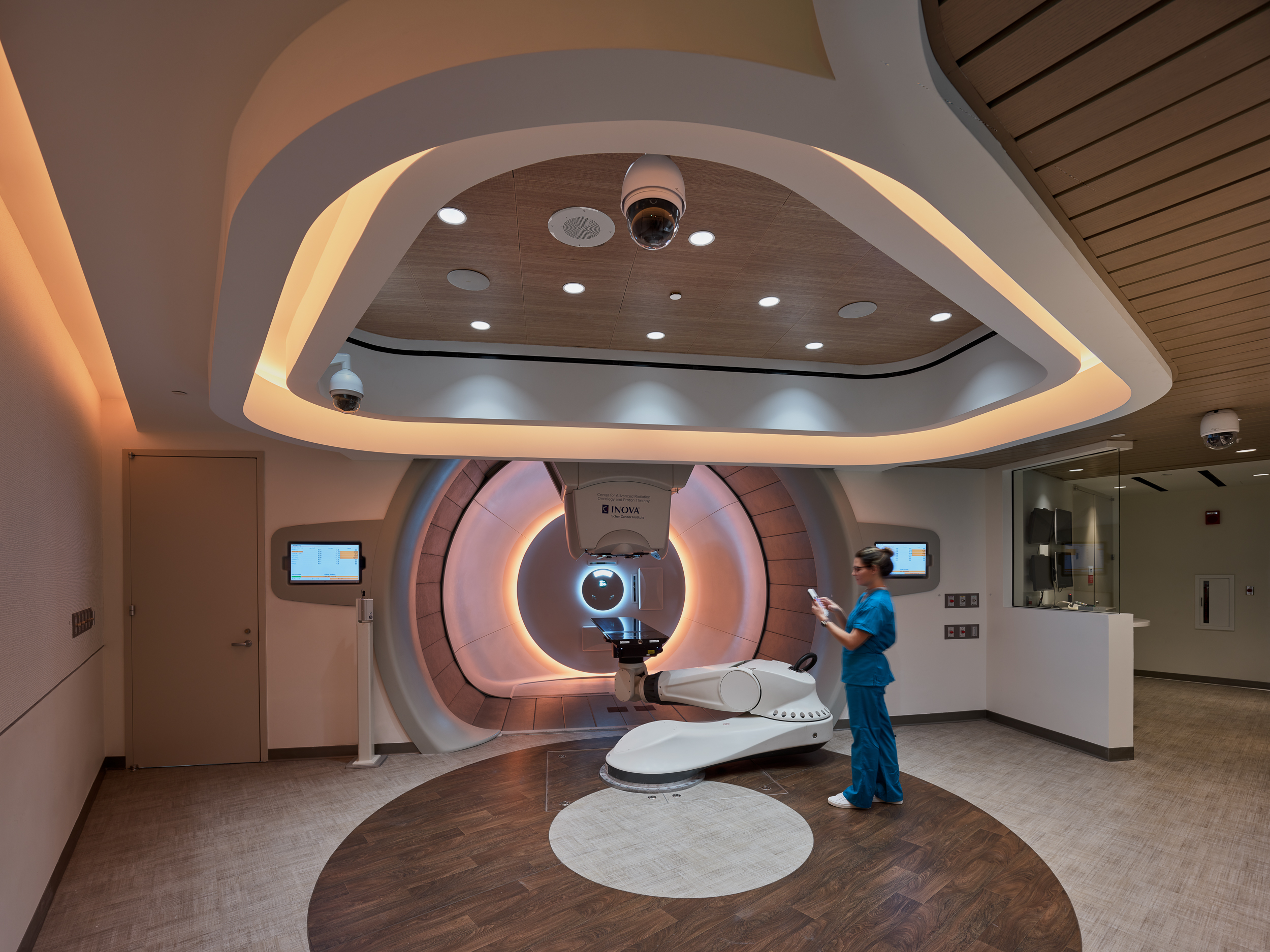
Designing a cancer center is one of the most complex and meaningful challenges in healthcare architecture. These facilities must balance the technical demands of advanced treatment, the emotional needs of patients and families, and the operational expectations of multidisciplinary clinical teams. At Wilmot Sanz, our work on developing a freestanding cancer center model illustrates how thoughtful planning can transform the patient experience from the moment they arrive to the moment they complete their care journey.
Cancer care is not one-size-fits-all. Patients vary widely in age, background, physical health, emotional state, and social support systems. These variations shape everything—from the comfort of infusion spaces to the clarity of information provided at check-in.
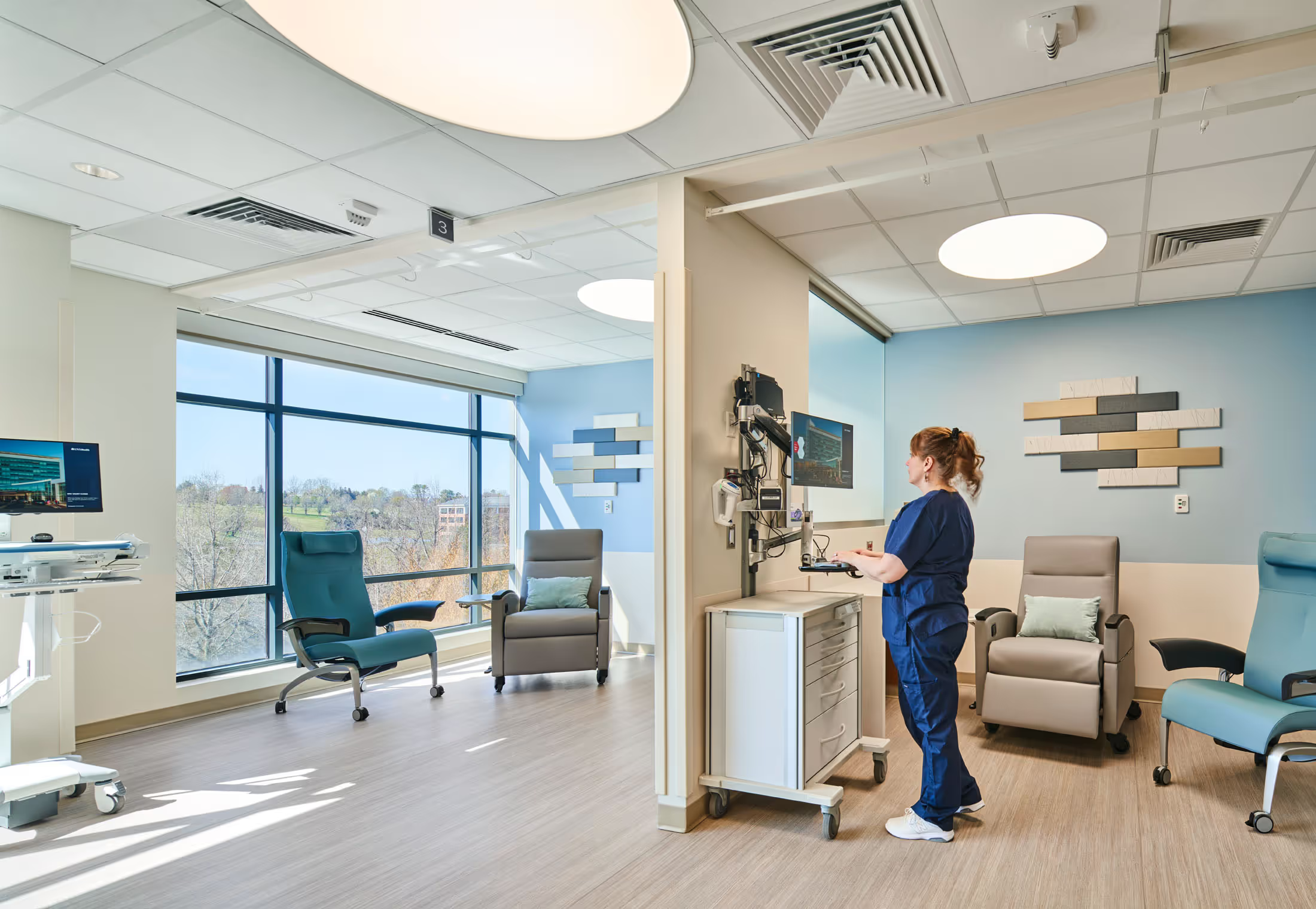
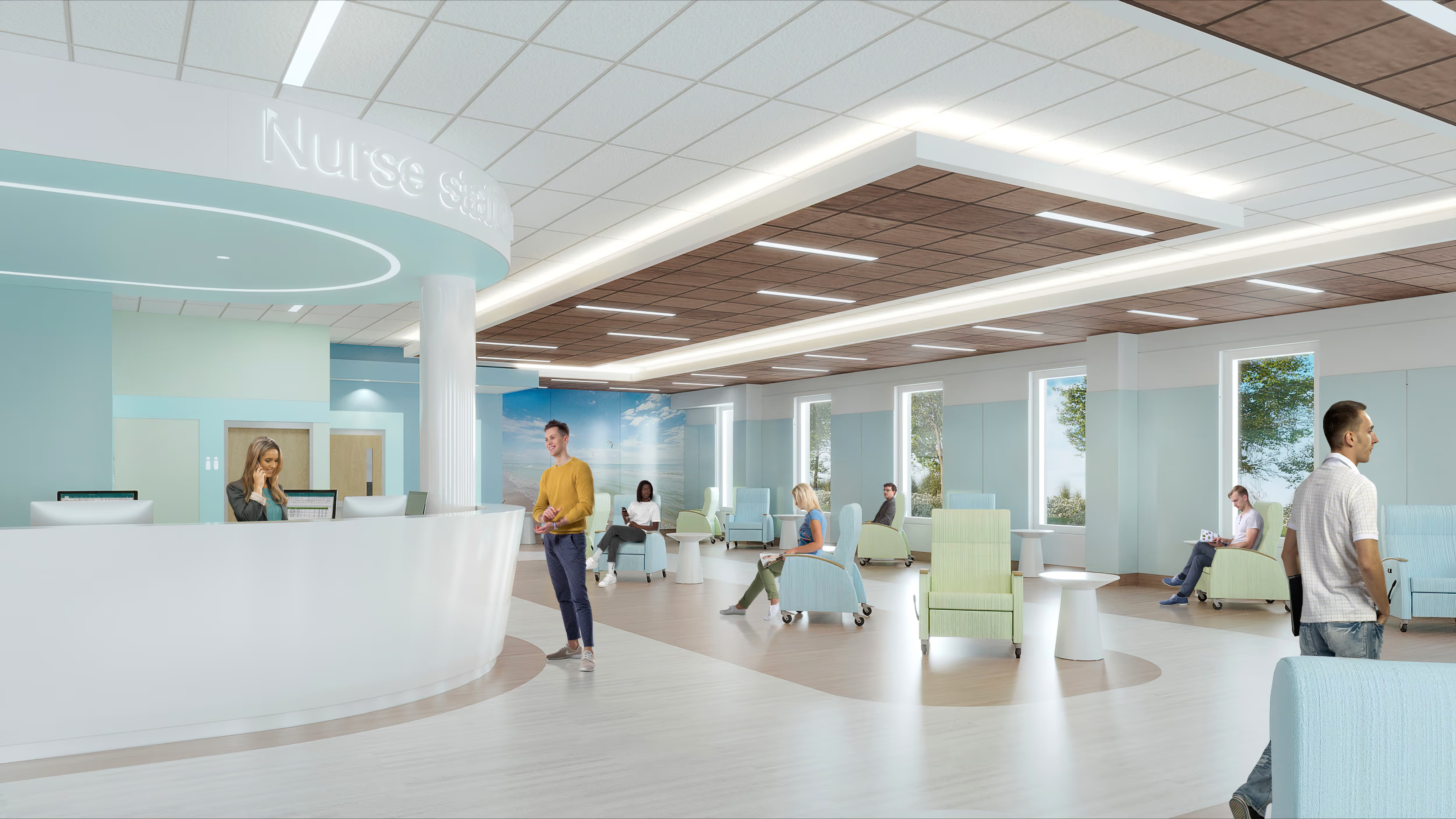
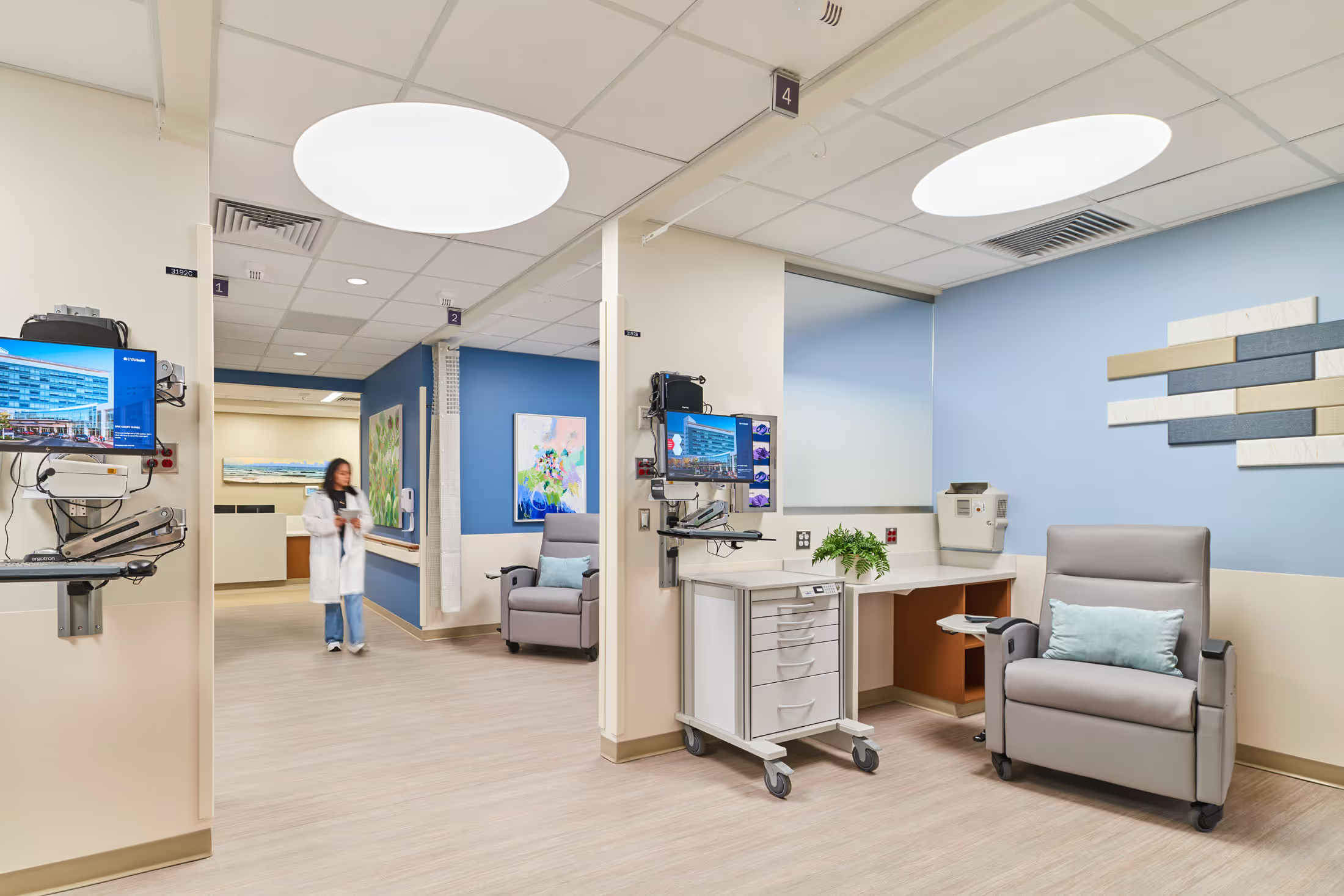
Patients undergoing treatment experience fluctuating energy levels, immune suppression, anxiety, and a deep need for reassurance. Crafting a model requires designing spaces that support both social interaction and quiet isolation, depending on personal preference and the stage of treatment.
Cancer care delivery includes an array of distinct but interconnected services: diagnostics, medical oncology, infusion therapy, radiation oncology, genetics, nutrition, survivorship, palliative care, and more.
A successful cancer center model doesn’t simply co-locate these services—it organizes them into a cohesive, intuitive system that reduces stress, minimizes unnecessary travel distances, and promotes collaboration.
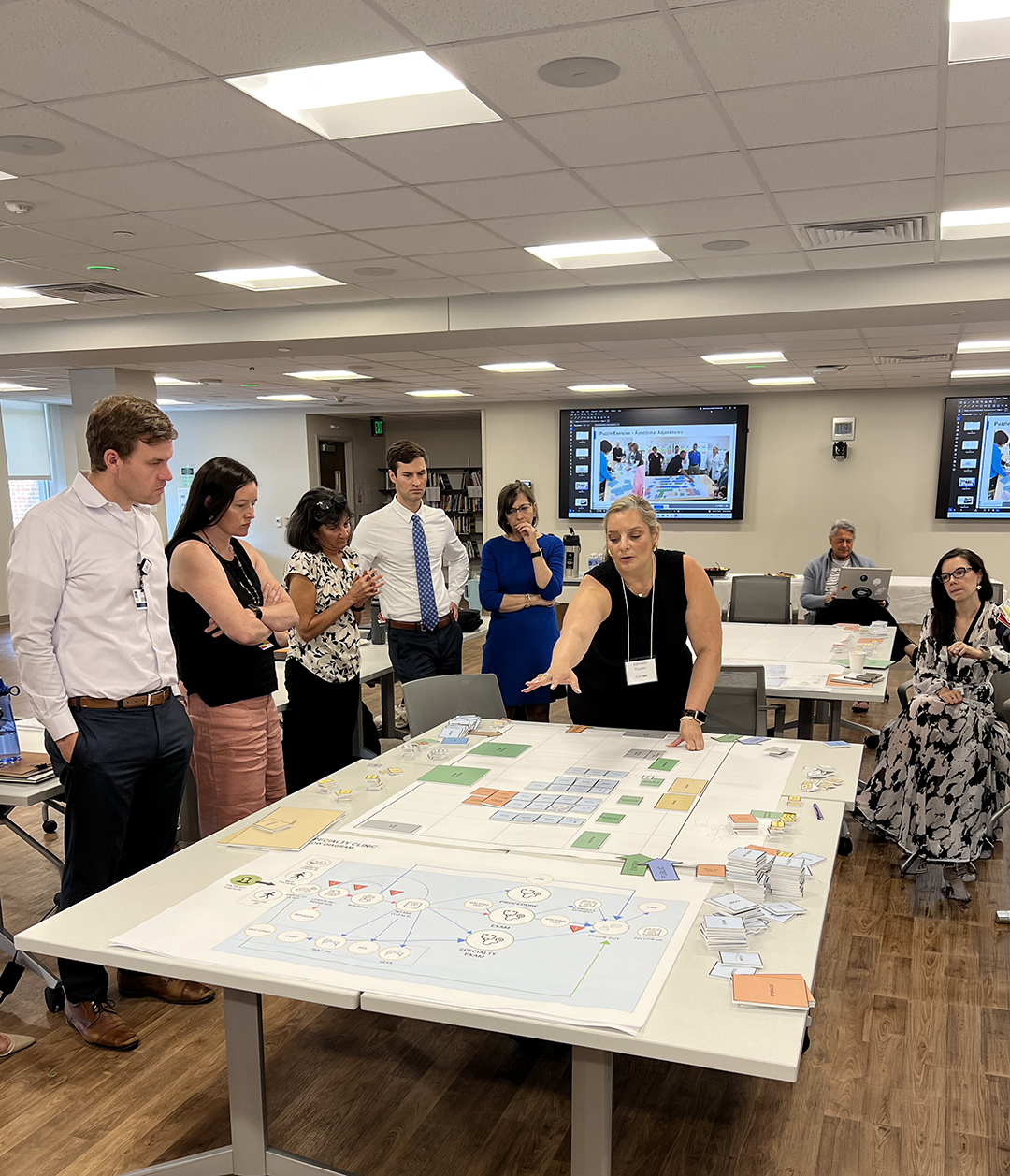
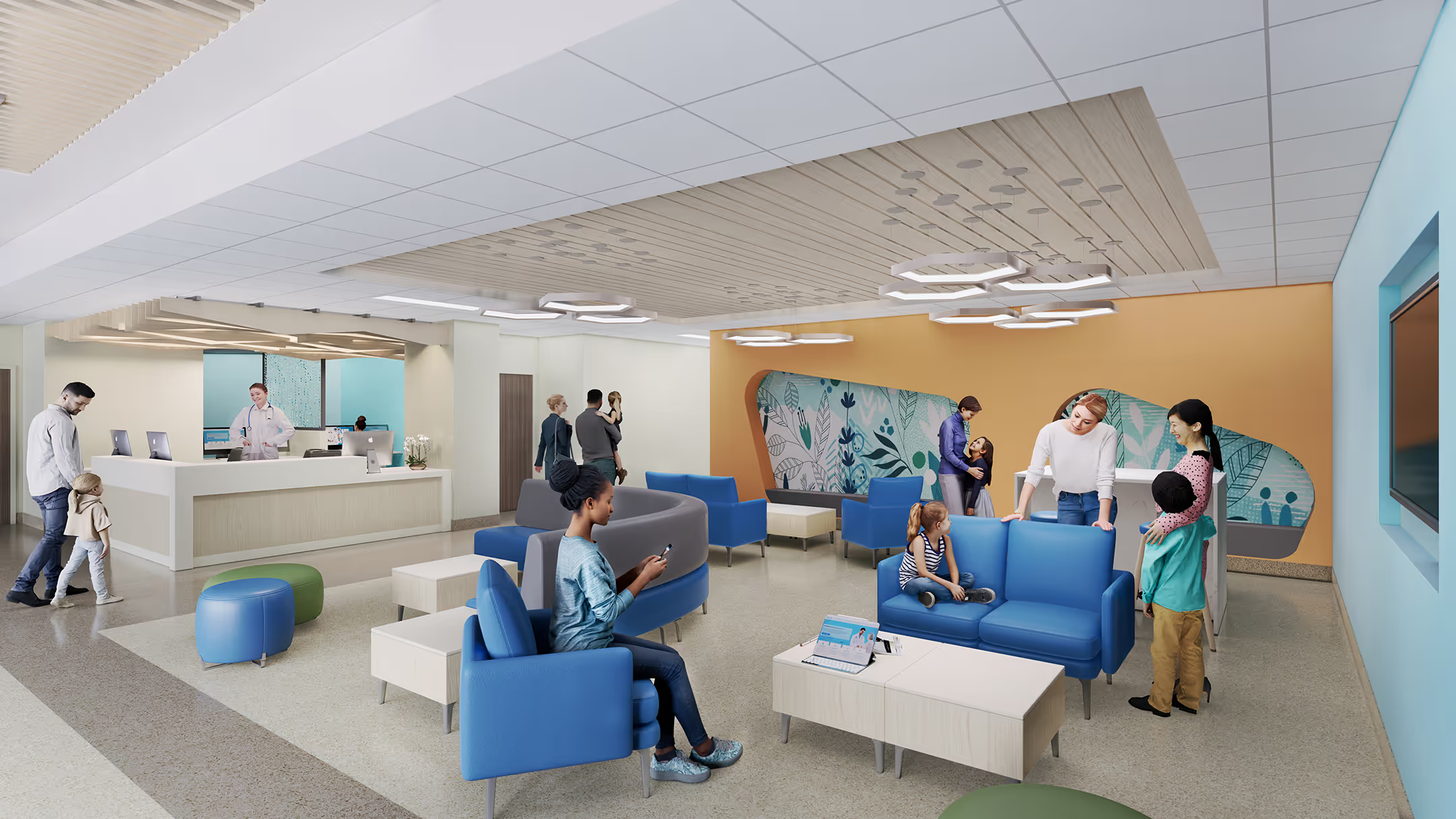
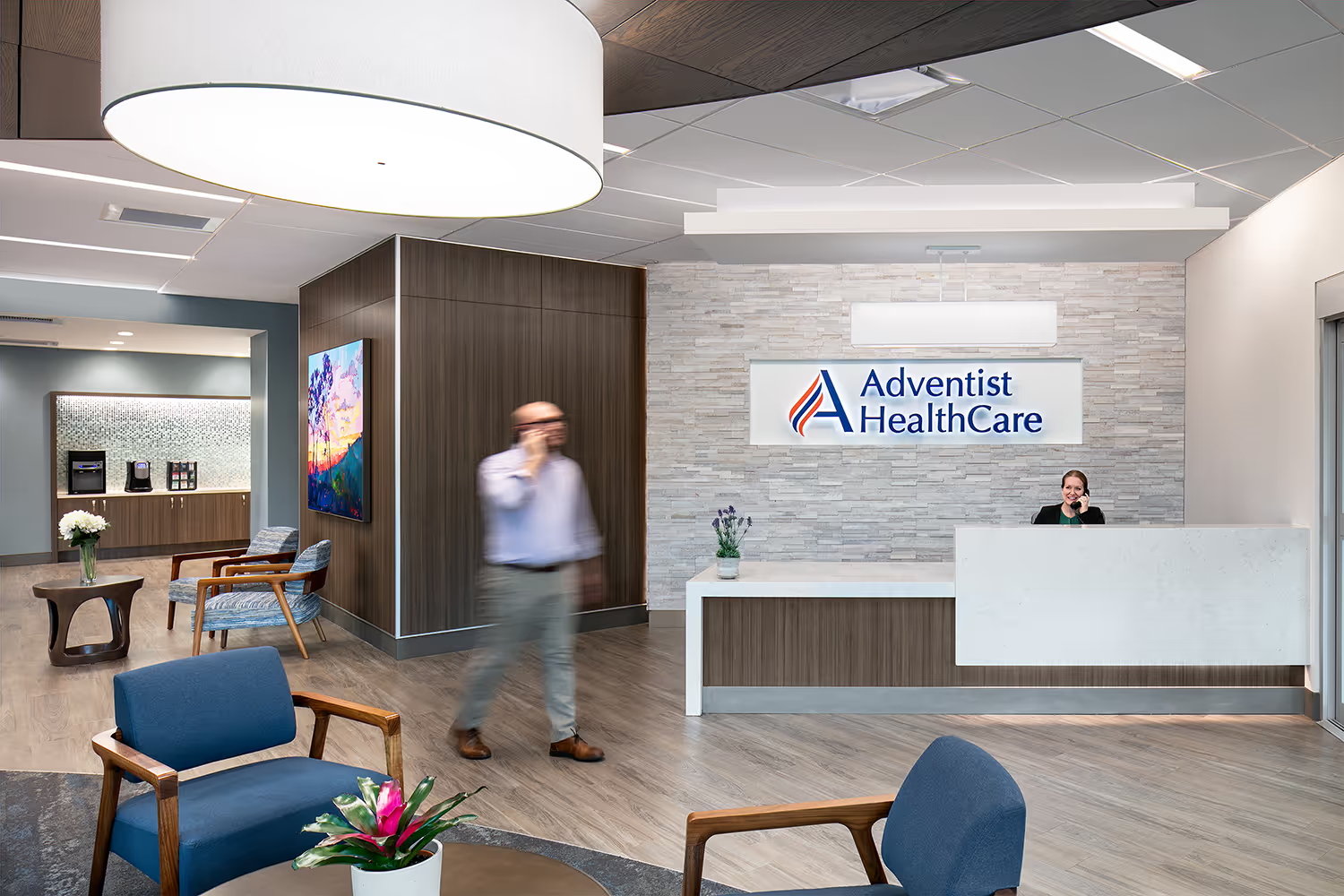
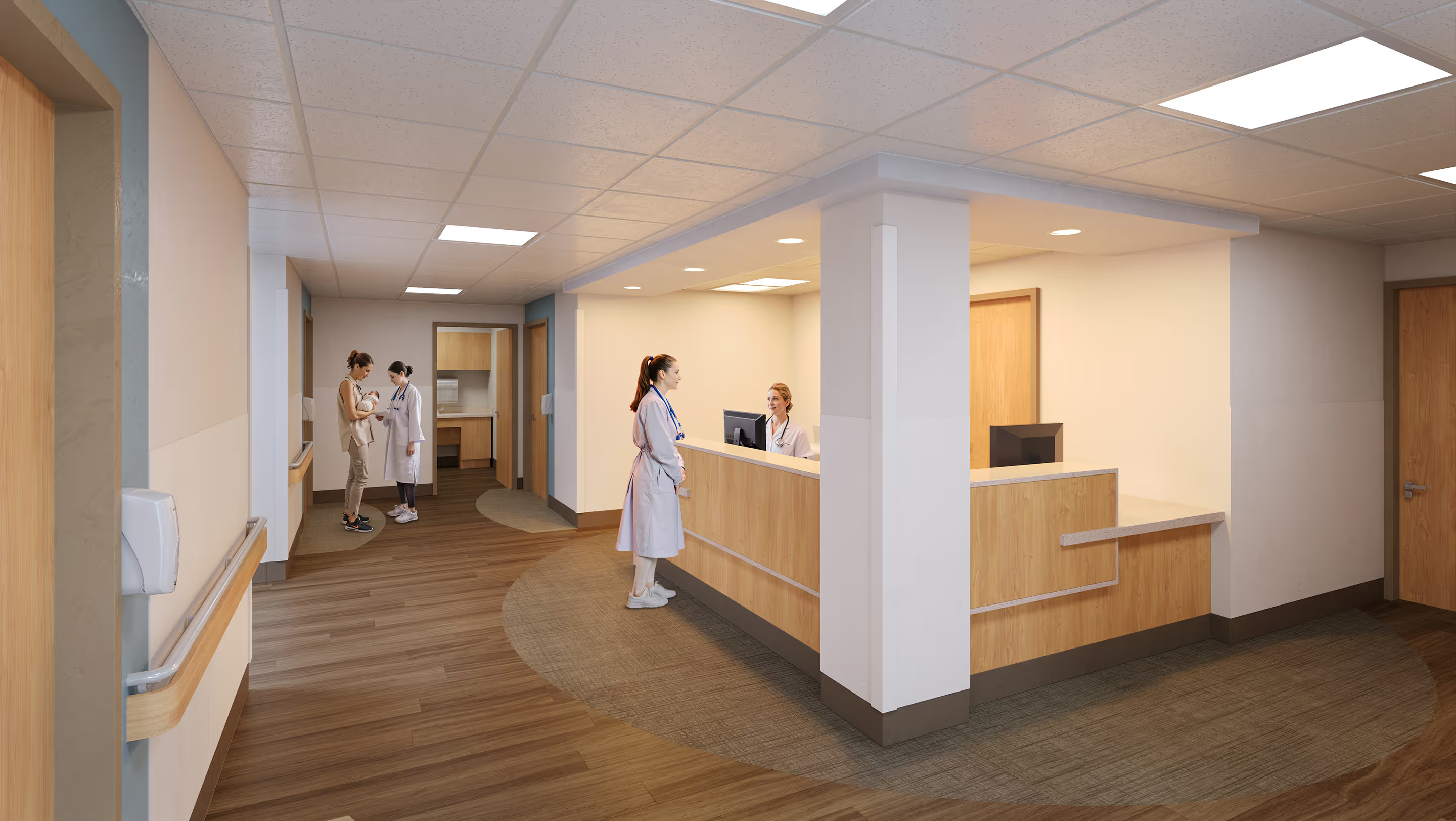
Journey mapping helps visualize how a patient moves from arrival to exam, treatment, pharmacy pickup, and follow-up care. The model emphasizes “patients first,” supported by easy wayfinding, an efficient clinical platform, and a calming, modern environment.
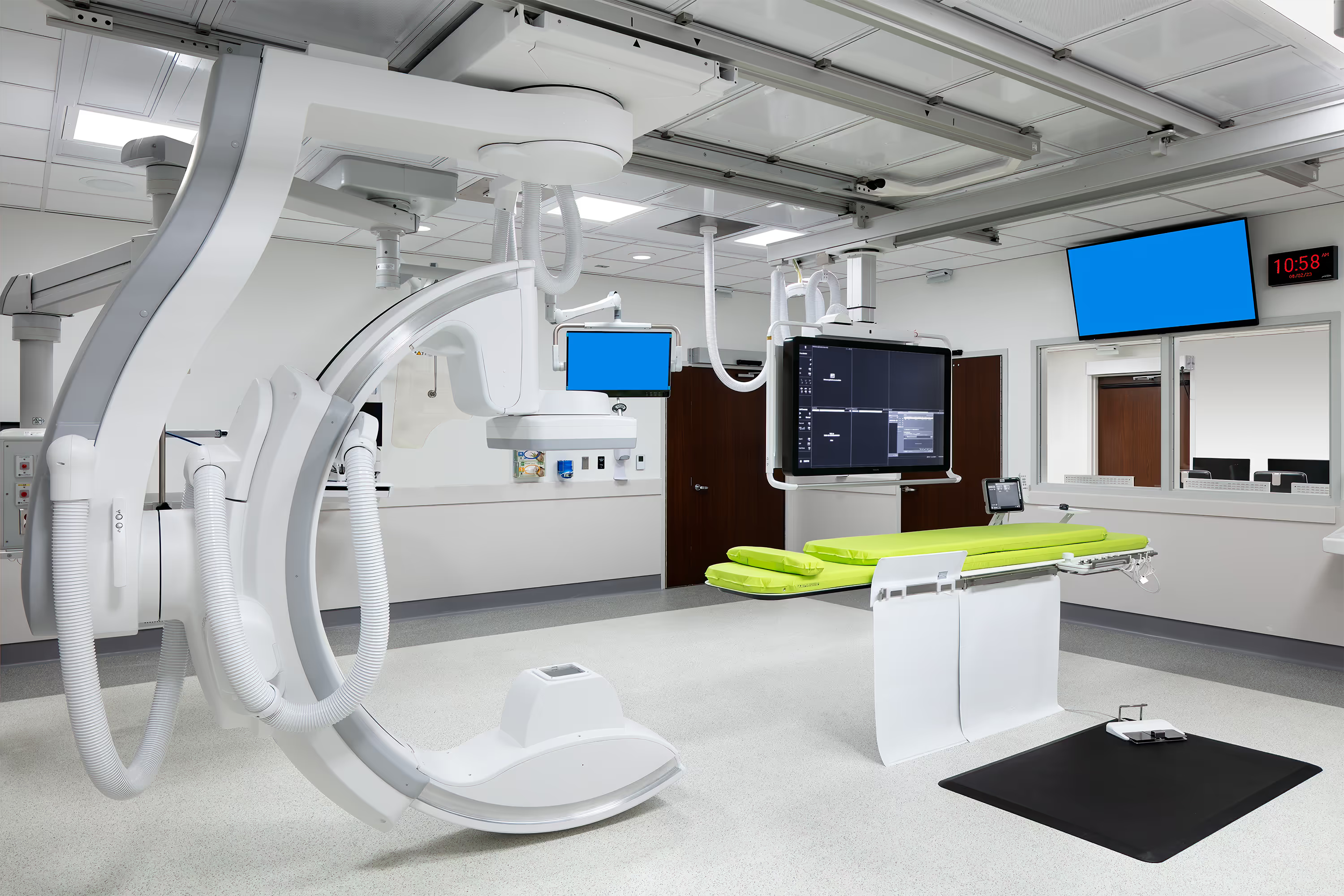
A baseline 30,000-SF program includes core components such as radiation oncology, medical oncology, infusion bays, a compounding pharmacy, clinic spaces, materials management, public amenities, and staff support areas.
Key considerations in planning this model include:
As cancer centers grow more multidisciplinary, optional components—such as alternative medicine, imaging, breast centers, demonstration kitchens, or education spaces—can be added based on community needs.
Commons challenges in older, legacy cancer centers are poor wayfinding, operational inefficiency, cramped layouts, and patient anxiety.
Crafting a new cancer center model means intentionally solving these issues by:
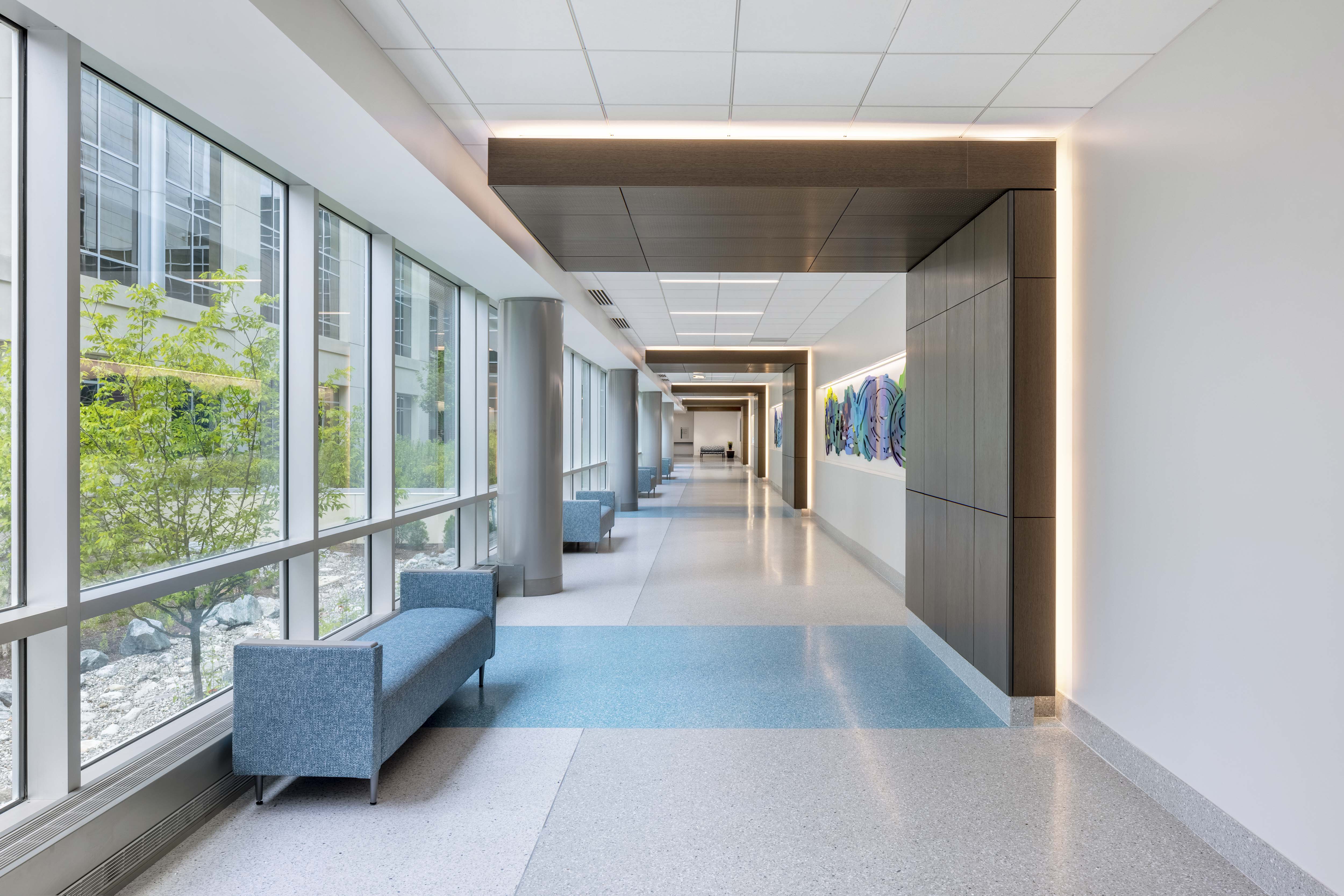
The future state concept—“a modern free-standing cancer center”—focuses on clarity, calmness, and collaboration.
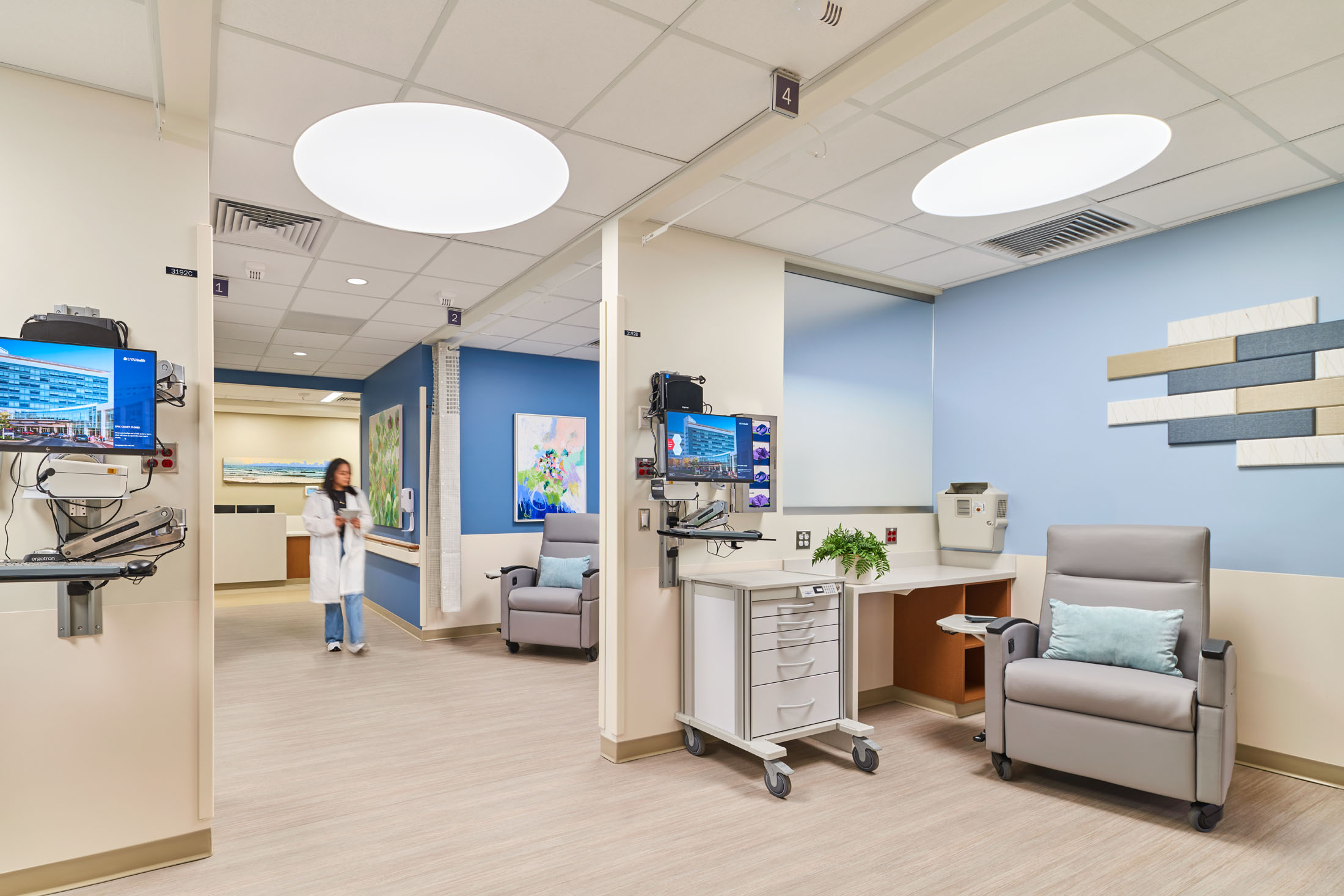
The path to a successful model is iterative and multidisciplinary. The design process includes:
These layers shape a center that can evolve as technologies and treatments do.

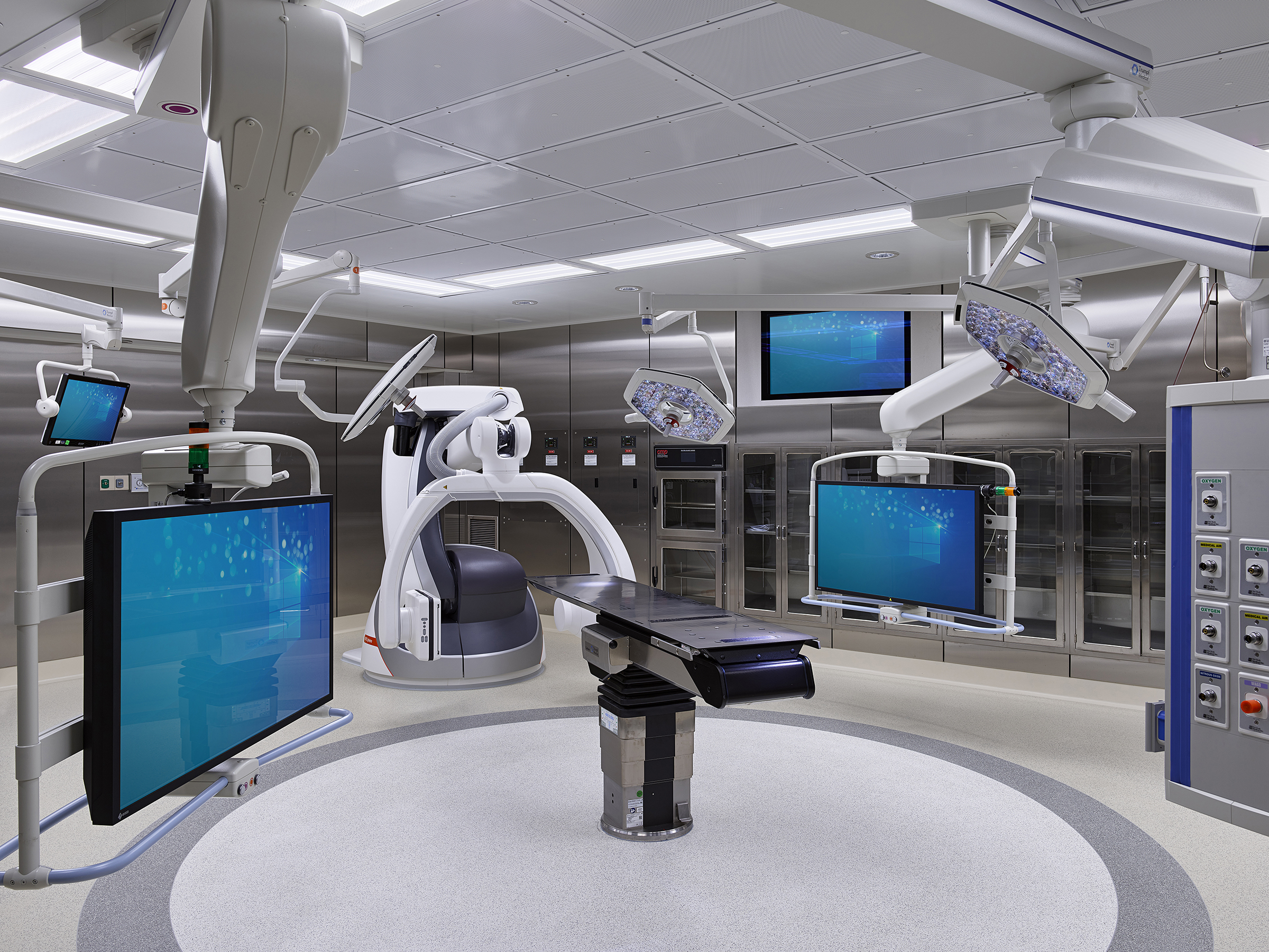
Cancer treatment is demanding, and patient comfort is essential. Mechanical and electrical systems play a critical role in shaping the treatment experience.
Important factors include:
These behind-the-scenes systems are as important to the model as the architectural layout.
Crafting a cancer center model is ultimately about creating a place where compassion meets precision—where patients feel seen, supported, and empowered, and where clinicians are equipped with environments that elevate their work.