Let's Connect
We are ready to talk healthcare design with you.
Thank you! Your submission has been received!
Oops! Something went wrong while submitting the form.

As healthcare continues shifting toward convenience, speed, and consumer choice, outpatient care has become one of the fastest-growing sectors in the industry. But behind the rise in same-day procedures and streamlined appointments lies a complex question that shapes everything from patient bills to staff workflows:
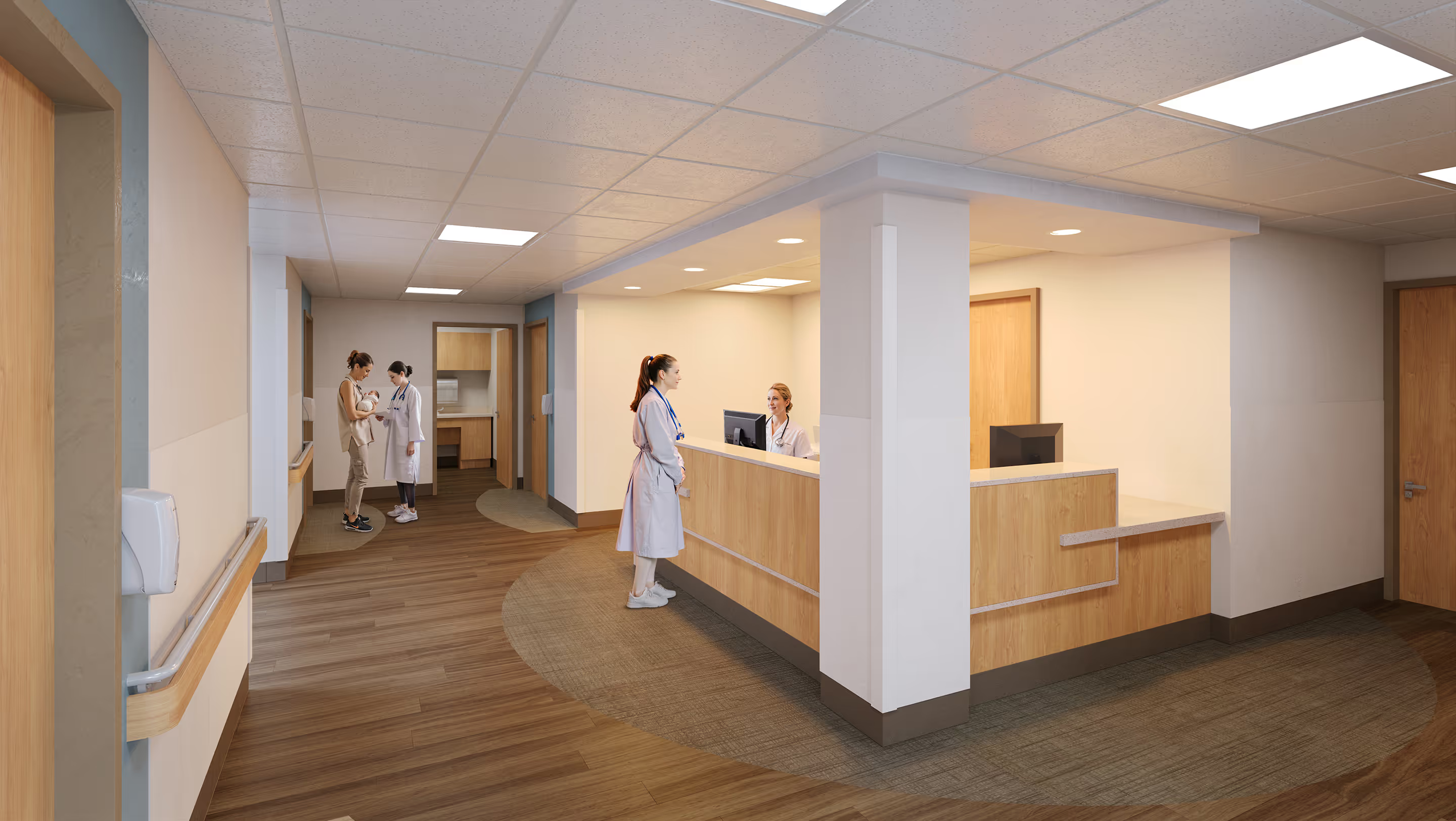
While both facility types provide essential outpatient services, the differences in their design, regulatory requirements, amenities, and operating models have significant implications—for patients, providers, and healthcare systems alike.
In a consumer-driven healthcare landscape, patients want immediate access to high-quality care at affordable prices. Yet the same procedure performed in an MOB can cost substantially less than in an HOPD due to differences in billing classifications and reimbursement structures. These hidden cost disparities can lead to unexpected “sticker shock” for patients reviewing post-procedure bills.
For health systems and designers, this makes the choice of facility type not just a financial question, but a strategic one—shaping patient experience, perception of value, and long-term operational sustainability.
Surgeons increasingly favor MOBs for their autonomy, flexibility, and efficient workflows. These centers can be easier to navigate, simpler to operate, and more adaptable to specialty needs.
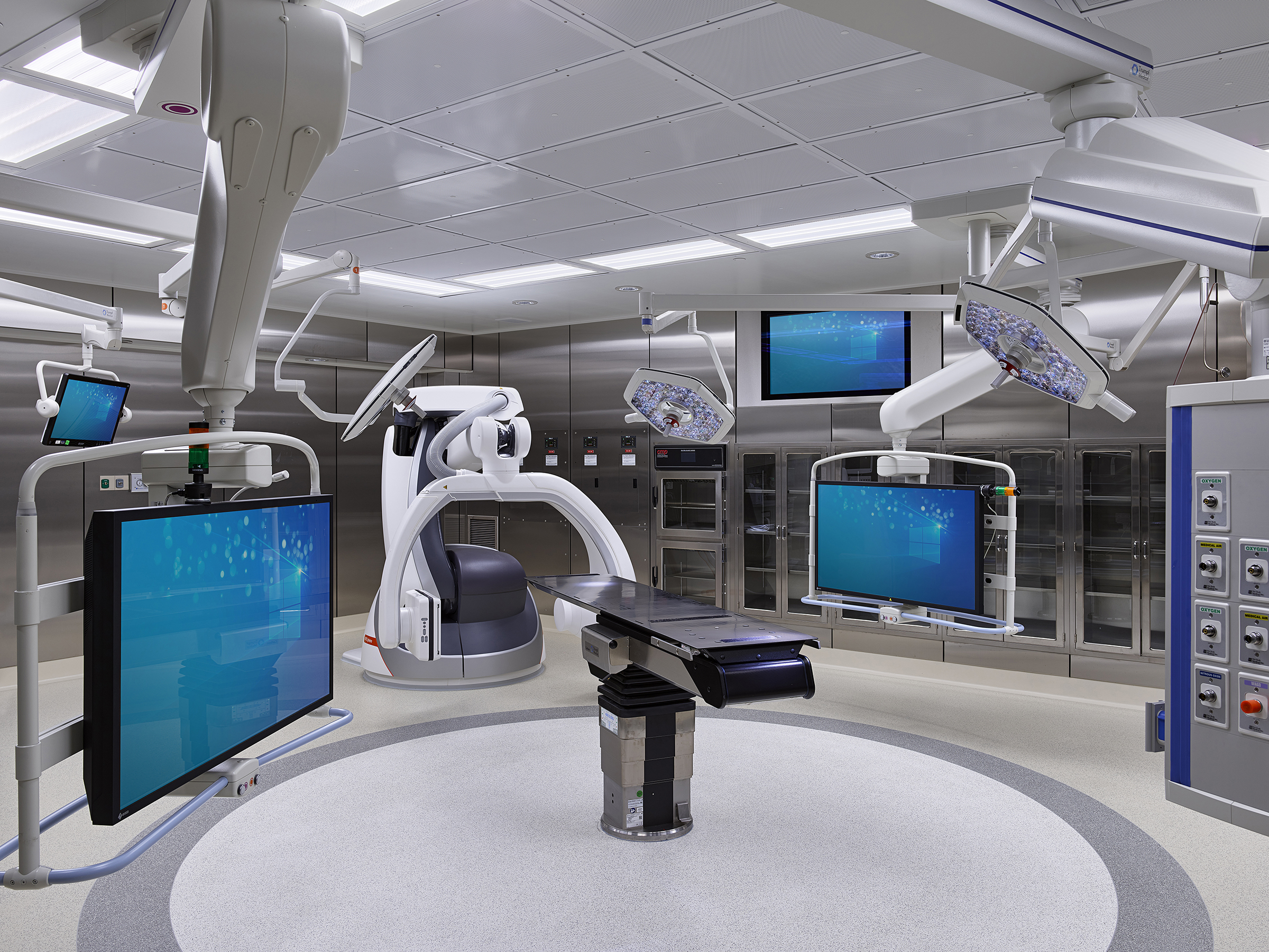
On the other hand, HOPDs offer expanded resources, access to hospital infrastructure, and a broader clinical safety net—advantages that matter for complex cases or patients with elevated risk.
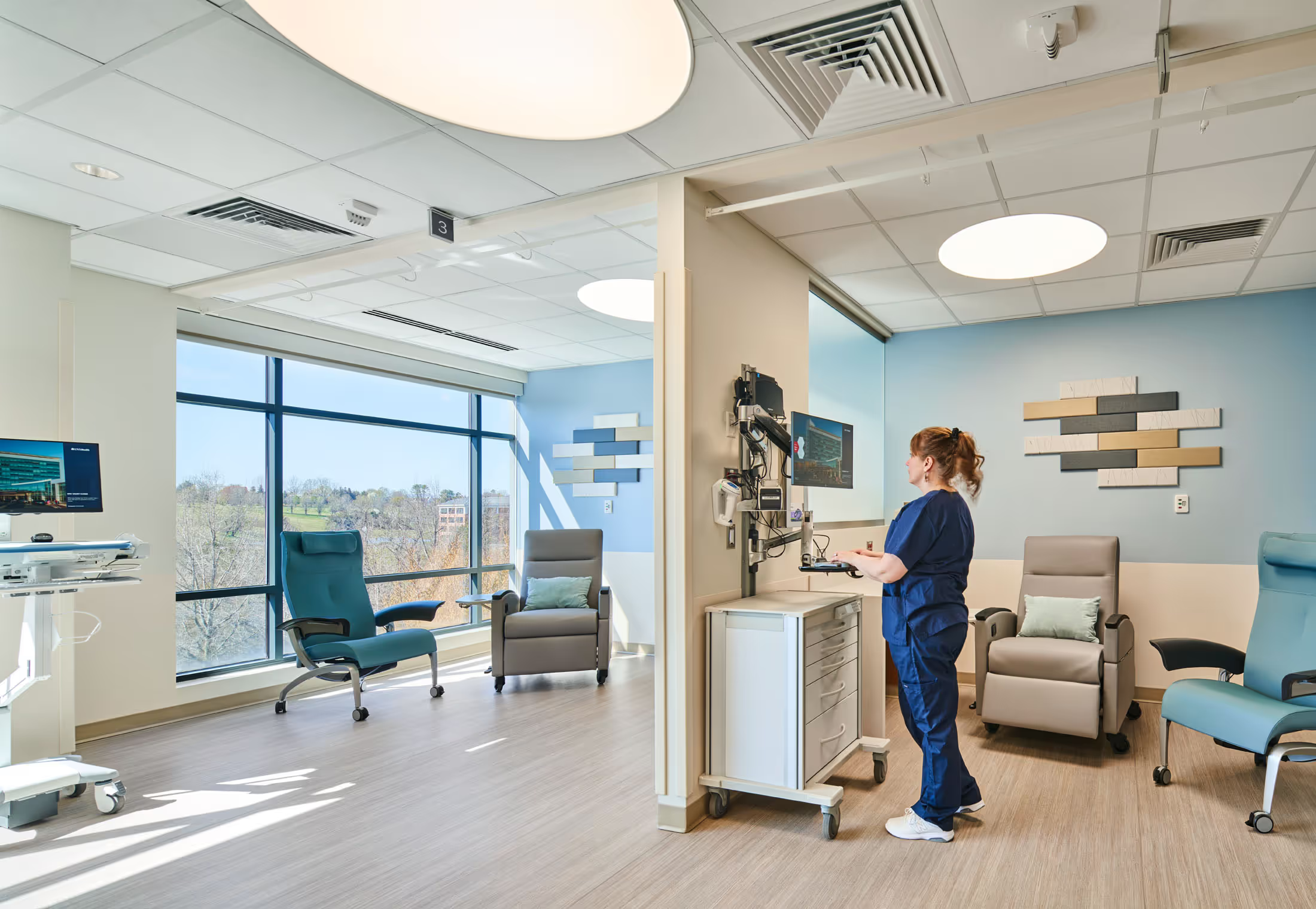
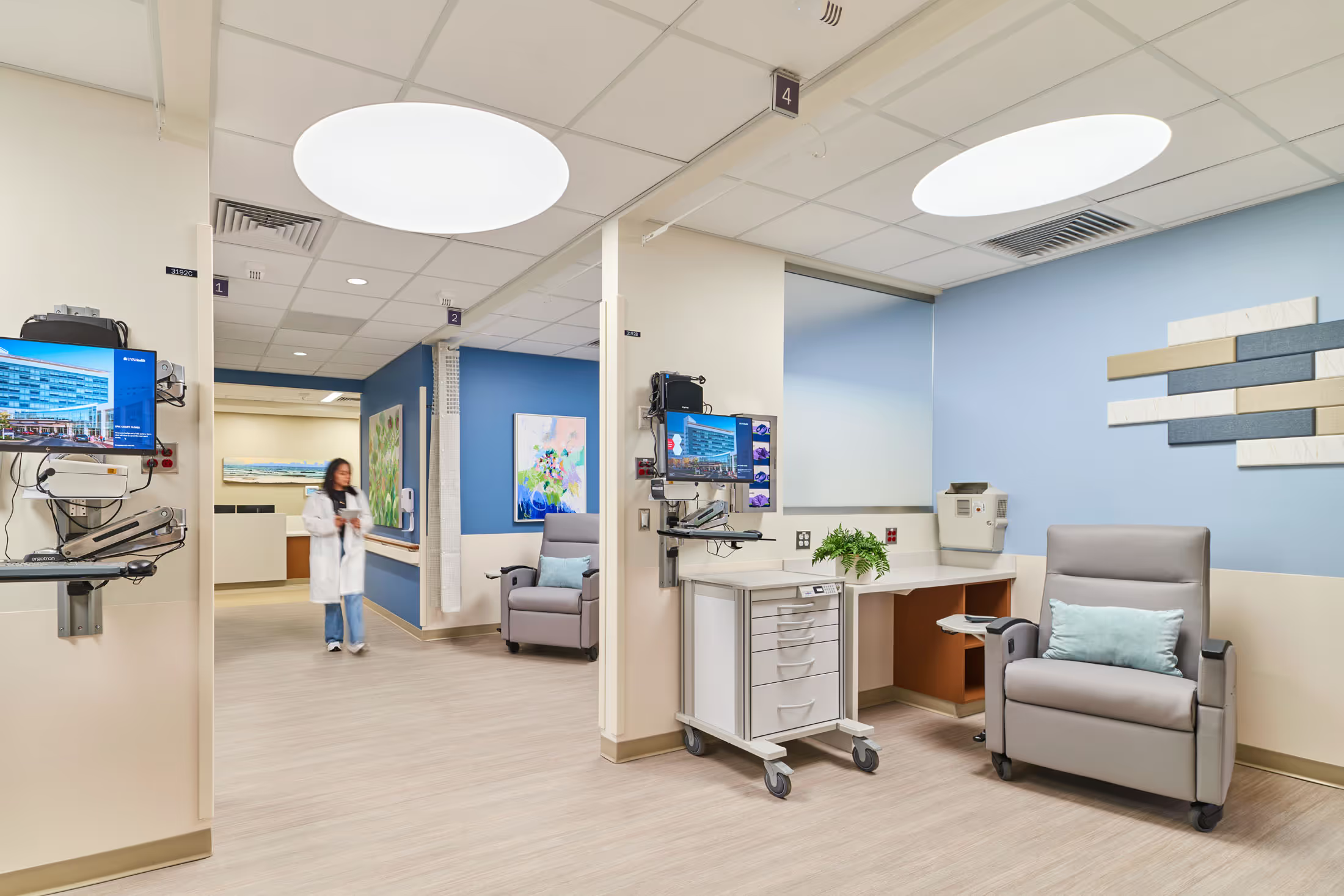
Design plays an essential role in balancing those expectations. Amenities such as staff lounges, technological integration, streamlined circulation, and patient-friendly environments are powerful tools for attracting and retaining top talent. As outpatient care becomes increasingly competitive, these features have become differentiators rather than luxuries.
HOPDs and ASCs have distinct operational and regulatory constraints that directly influence architectural and engineering decisions:
Understanding these nuances early in planning is essential for budgeting, scheduling, and long-term performance.
The choice between an MOB and an HOPD isn’t merely a financial or regulatory one—it’s a holistic decision that impacts every stakeholder:
Each model offers distinct advantages and challenges, and the “right” choice depends on community needs, organizational strategy, and long-term goals.
As outpatient demand continues to surge, understanding the implications of HOPD vs. MOB models has never been more important. Thoughtful planning, strategic design, and informed operational decisions can help healthcare organizations strike the right balance—maximizing ROI while improving outcomes for patients and supporting the clinicians who provide their care.
By looking beyond the surface and examining the true impact of each building type, the industry can continue shaping outpatient environments that are high-performing, cost-effective, and human-centered.