Let's Connect
We are ready to talk healthcare design with you.
Thank you! Your submission has been received!
Oops! Something went wrong while submitting the form.

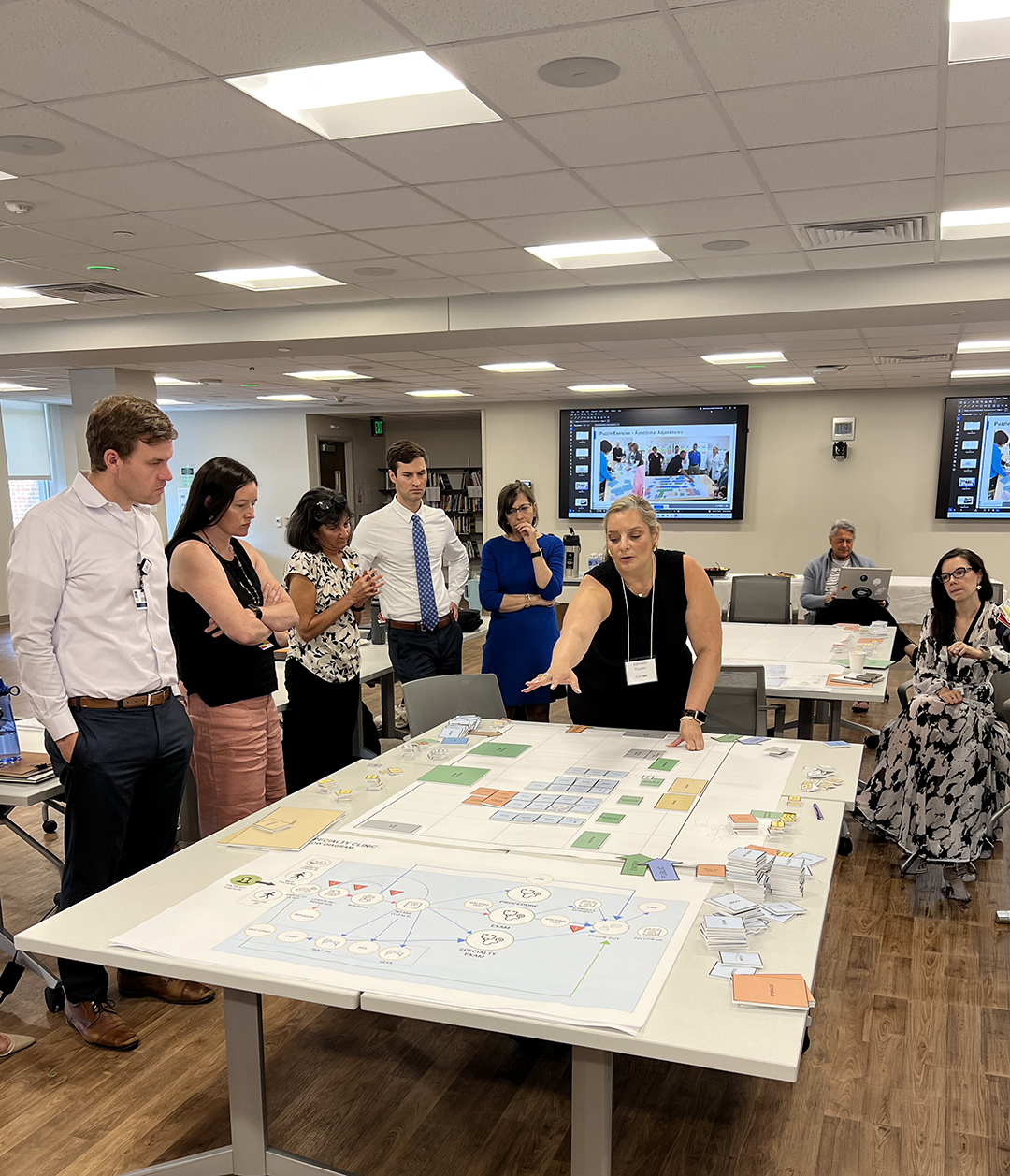
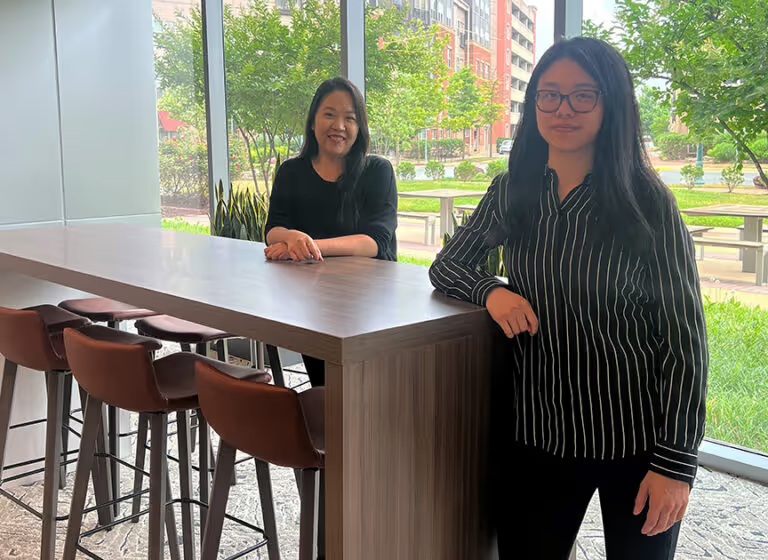
At this year’s Healthcare Design Conference + Expo (HCD), Wilmot Sanz Associate Principal Amanda Ripley, NCIDQ, IIDA, joined Taw North, Principal and Director of Technology Consulting at TLC Engineering Solutions, and Julie Vick, PMP, Vice President of Supply Chain and Program Management at Adventist HealthCare, to present an engaging session titled “Patient of the Future: Understanding Generational Design Impacts from Boomers to Beta.”
This forward-thinking session explored how generational differences—from Baby Boomers to Generation Beta—are reshaping healthcare design. As expectations evolve, so must the built environment, technology integration, and patient experience strategies that support them.
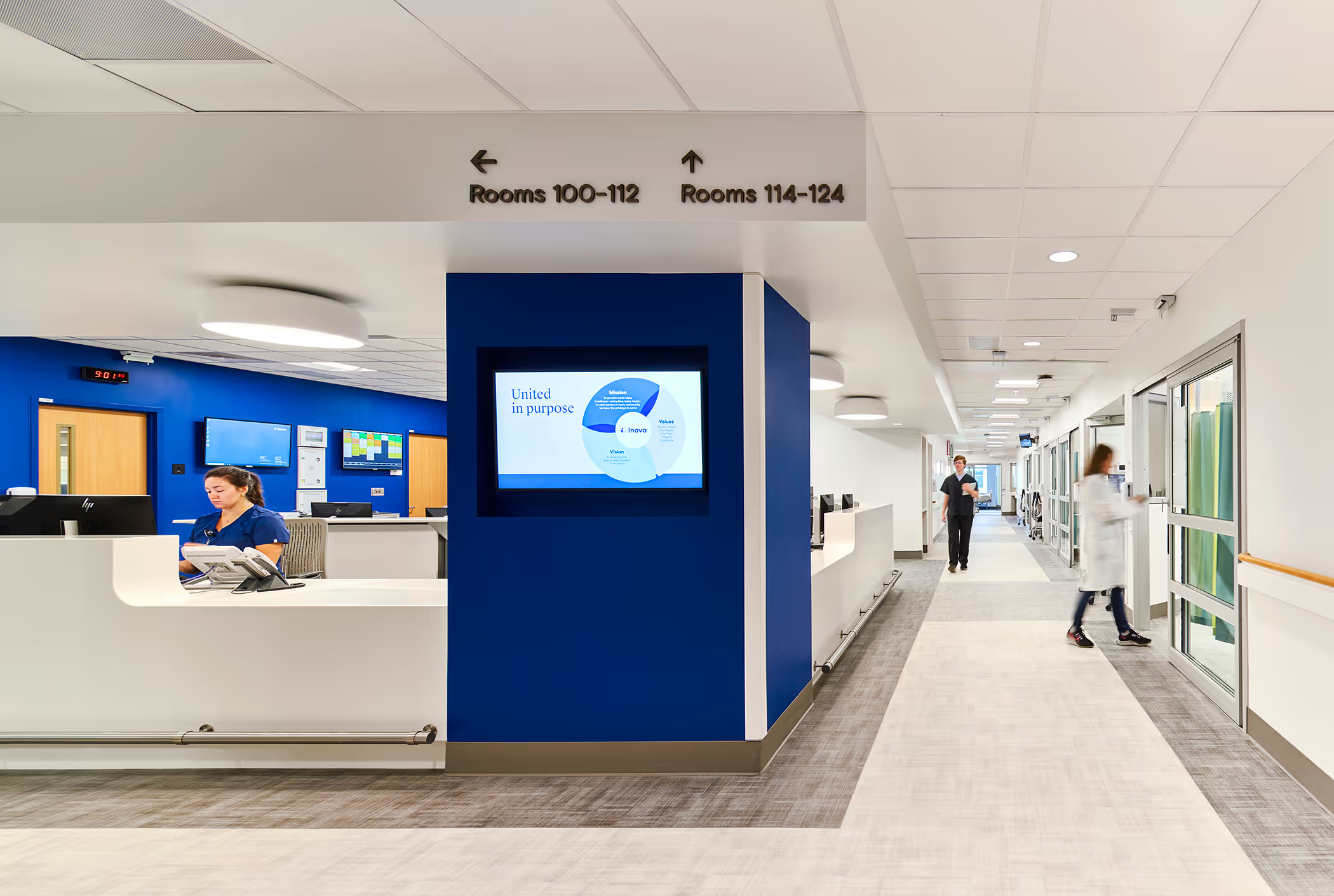
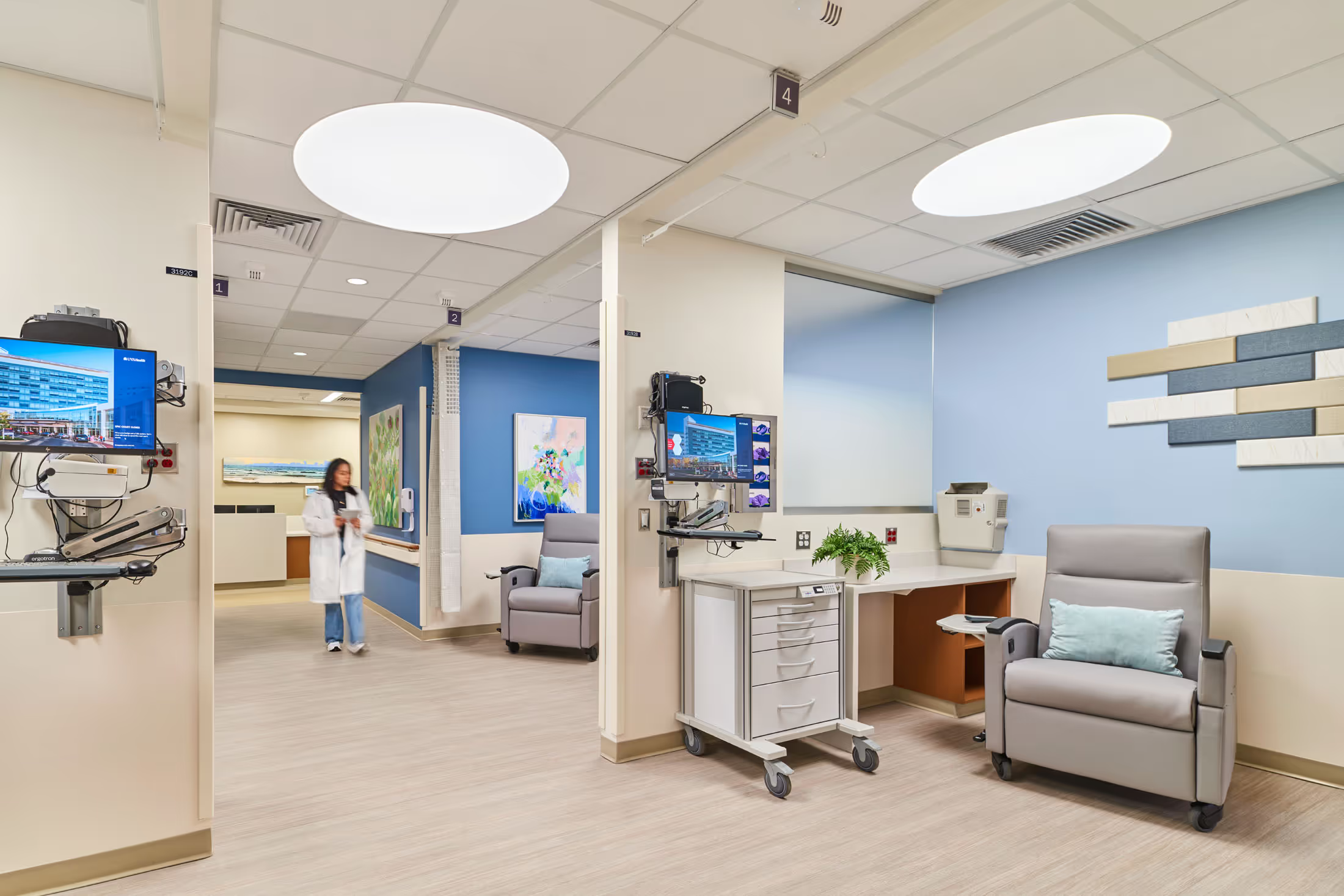
Each generation brings unique perspectives, behaviors, and comfort levels with technology. While Baby Boomers may value hands-on assistance and clear signage, Millennials and Gen Z expect seamless digital engagement—from mobile check-ins to app-based wayfinding.
The presentation emphasized how designers and health systems can balance these expectations, creating inclusive, adaptable environments that serve a wide range of digital literacy and comfort levels. Through data-driven insights and real-world examples, the team demonstrated how design can humanize technology while supporting operational efficiency.
One of the session’s central themes was the “generational digital divide.” The presenters discussed how varying levels of digital fluency—from 60% smartphone adoption among older adults to nearly universal use among younger generations—impact every step of the patient journey.
Attendees explored how strategies like electronic wayfinding, AI-assisted check-in, and telehealth integration can enhance access and experience when thoughtfully implemented. The key, according to the speakers, is designing environments that offer multiple modes of engagement—from physical signage and staffed welcome desks to digital touchpoints that empower self-navigation.
Designing the Journey: From Arrival to Discharge
The session guided attendees through the entire patient experience, analyzing generational preferences at critical touchpoints: arrival, waiting, treatment, and discharge.
To close the session, the speakers shared practical lessons for designing healthcare spaces that work across generations:
As Ripley and her co-presenters concluded, the patient of the future isn’t a single demographic—it’s a continuum of expectations. Successful healthcare design requires understanding how each generation experiences care, communicates, and connects with space.
By blending insight, empathy, and innovation, the next generation of healthcare environments will not only meet patients where they are—but guide them confidently into the future.