Let's Connect
We are ready to talk healthcare design with you.
Thank you! Your submission has been received!
Oops! Something went wrong while submitting the form.

Each year, an estimated 60 million adults in the United States experience a mental illness, underscoring an urgent and growing need for compassionate behavioral healthcare. When individuals face a behavioral health crisis, they’re often taken to an emergency room or, in the absence of proper care facilities, to local jails. These environments—designed for acute medical emergencies or law enforcement, not mental health treatment—create added strain on already overburdened systems while leaving patients without the specialized support they need.
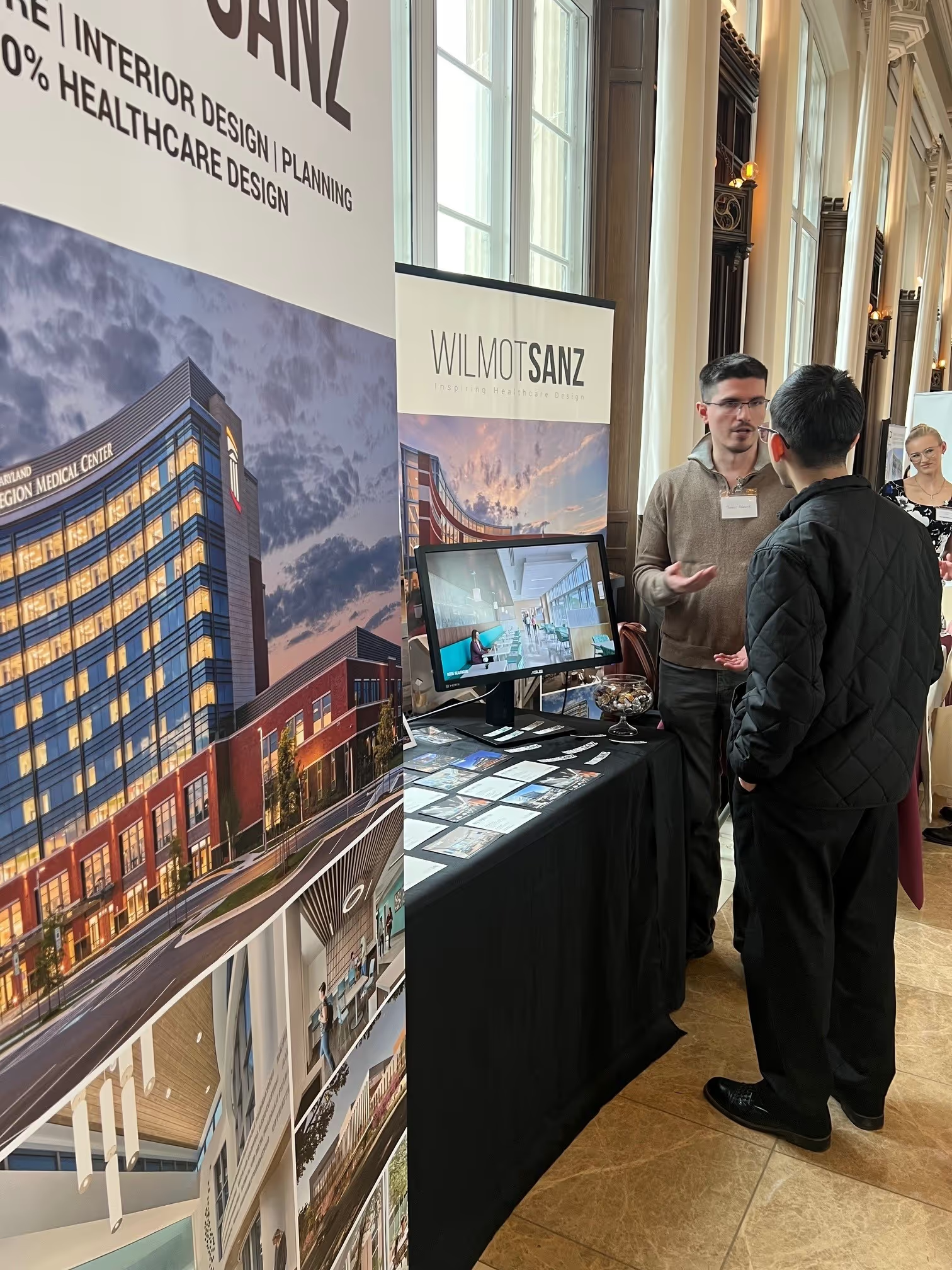
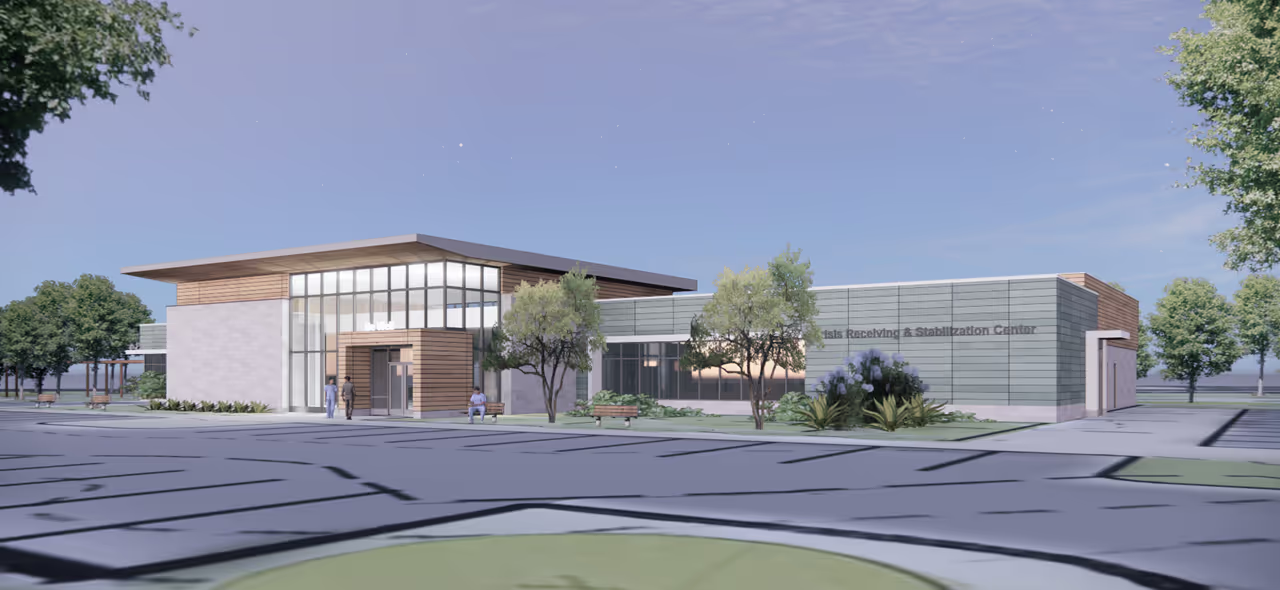
At this year’s Healthcare Design Conference + Expo, Wilmot Sanz Principal Andrew Bowers, AIA, EDAC, LEED AP BD+C, cLSGB, joined Jamie Sellar, MA, LPC (Chief Strategy Officer, RI International) and David Whale, AIA, LEED AP (Principal, Grimm + Parker Architects) to share insights from the team’s work on the Loudoun County Crisis Receiving and Stabilization Center in Virginia—a pioneering model designed to relieve this systemwide “pressure cap” and deliver care in the right setting, at the right time.
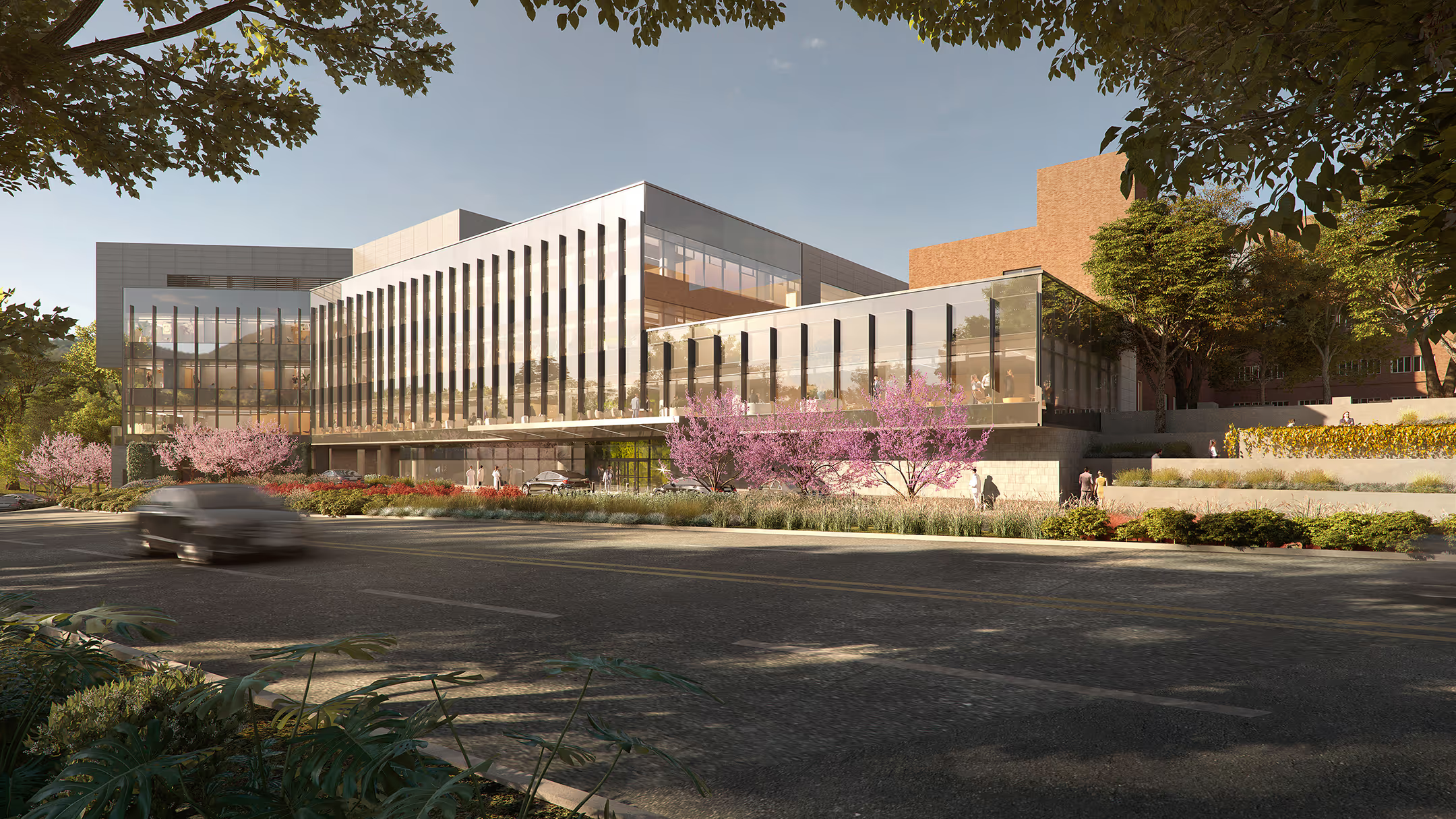
The Loudoun County project demonstrates how local investment and design innovation can transform behavioral health access. The facility creates a continuum of care that serves individuals experiencing acute crises—those who may otherwise end up in emergency departments or police custody.
After working closely with county officials, clinicians, and operators, the project team expanded the program by more than 6,000 square feet from its original plan. This increase made room for critical features, including a dedicated law enforcement entry, enhanced storage areas, and an urgent care clinic to support both the 23-hour assessment unit and stabilization unit.
These additions help ensure that the center operates safely, efficiently, and compassionately—balancing clinical precision with human dignity.
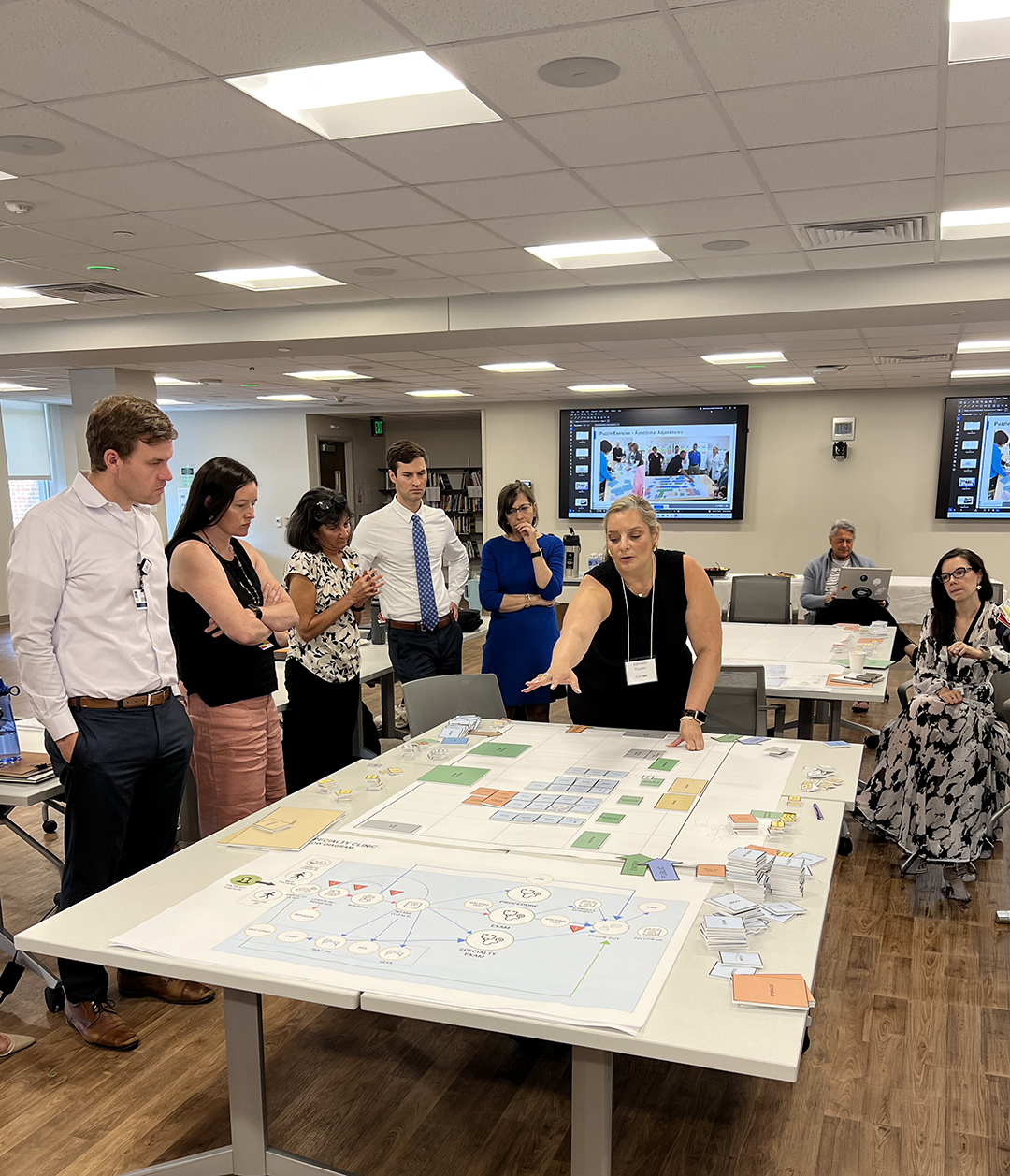
The team’s discussion at HCD highlighted a central truth: meaningful progress in behavioral health design requires early and integrated collaboration. Engaging operators from the project’s outset proved essential to success, helping guide decisions about clinical flows, staffing models, and safety protocols. Providers also played a key role in navigating licensing requirements, zoning hurdles, and program design to ensure compliance without compromising care quality.
“Crisis stabilization centers are still an emerging facility type,” Andrew shared. “By bringing together owners, designers, and operators early, we can right-size programs, overcome uncertainty, and design environments that truly meet patients where they are.”
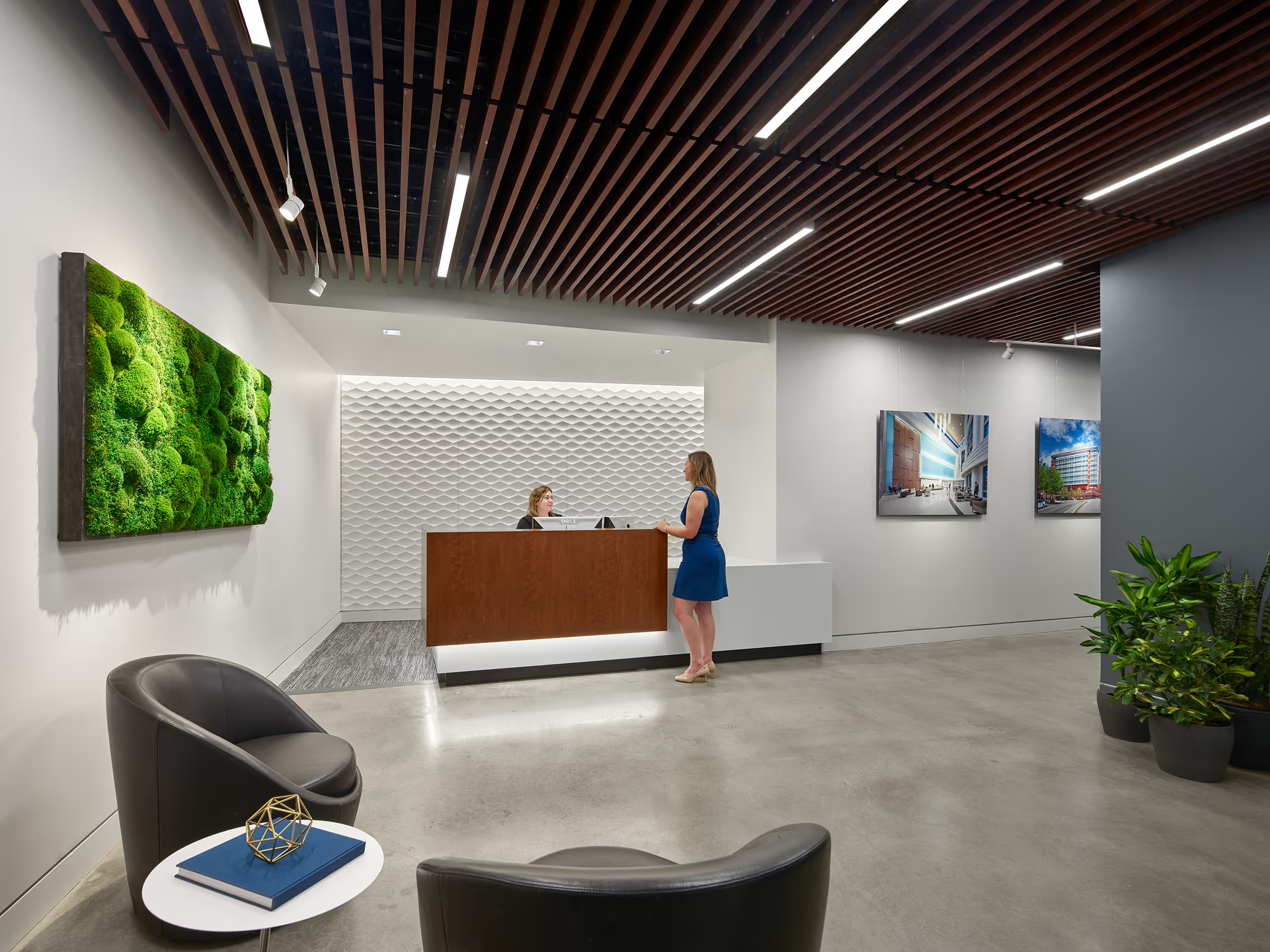
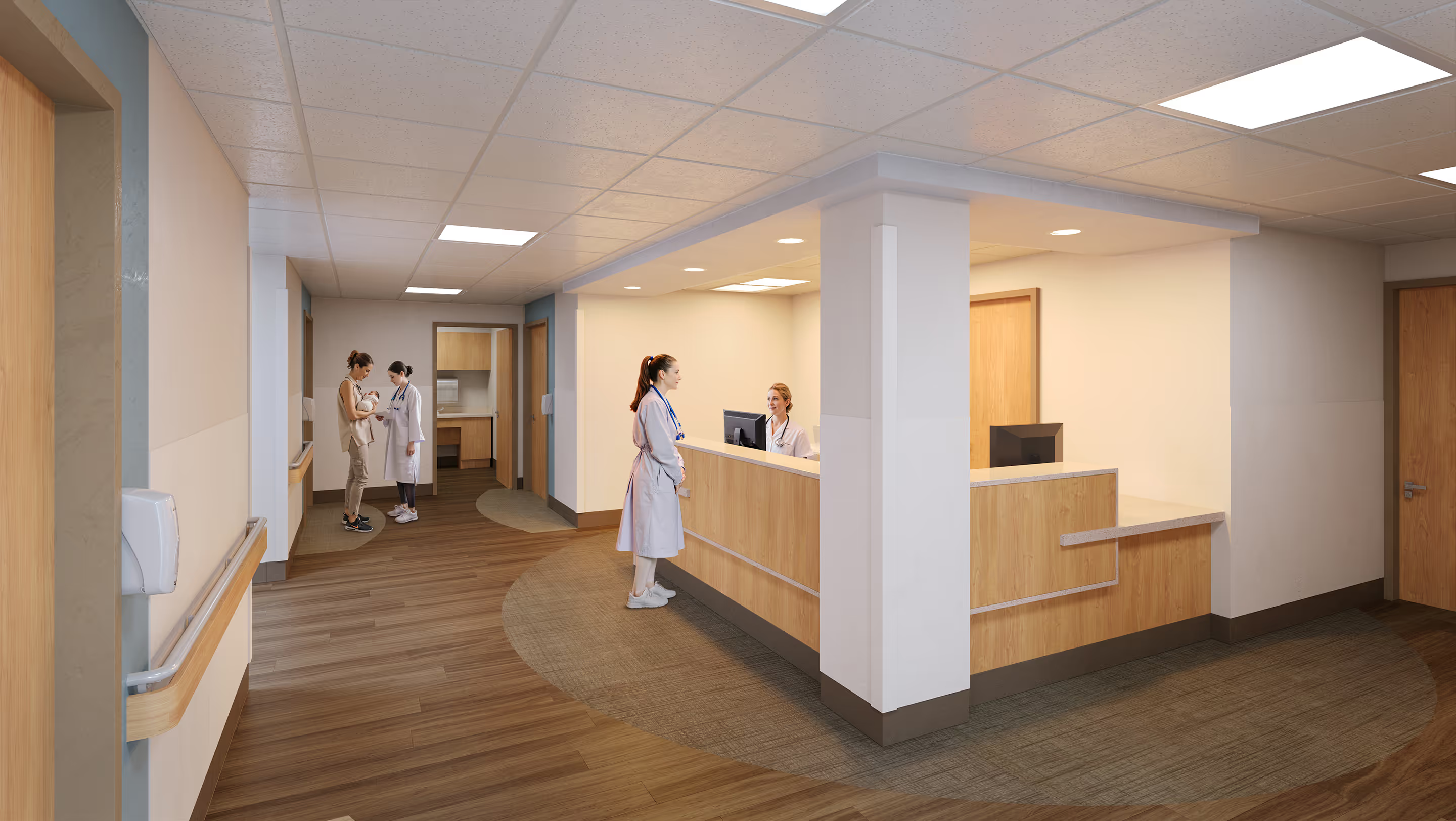
Safety—both for patients and staff—was a defining focus throughout the project. The design integrates ligature-resistant materials, clear sightlines, and open yet secure layouts to prevent isolation while maintaining supervision. Interior spaces leverage natural light, biophilic elements, and soothing materials to promote calm and connection.
From risk assessment mapping to secure circulation planning, every design decision supports a therapeutic, non-institutional atmosphere that reduces stress, mitigates aggression, and fosters healing.
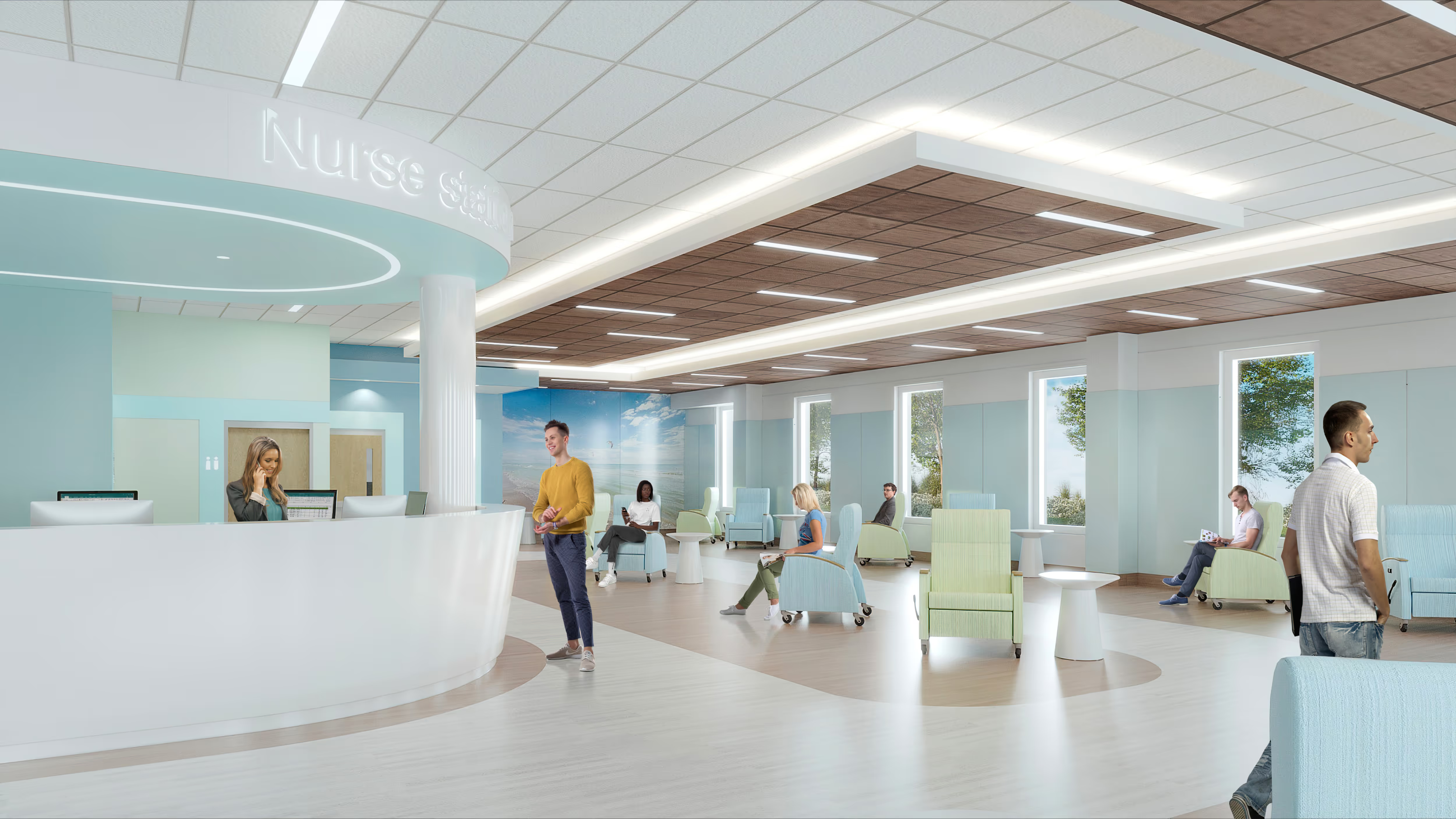
The Loudoun County Crisis Receiving and Stabilization Center represents more than a single project—it’s part of a growing national movement to rethink how communities respond to behavioral health emergencies.
By providing an alternative to jails and emergency rooms, these facilities reduce system strain, improve patient outcomes, and strengthen community trust. As Andrew emphasized, they offer “a blueprint for bringing stabilization, safety, and standards into every community.”
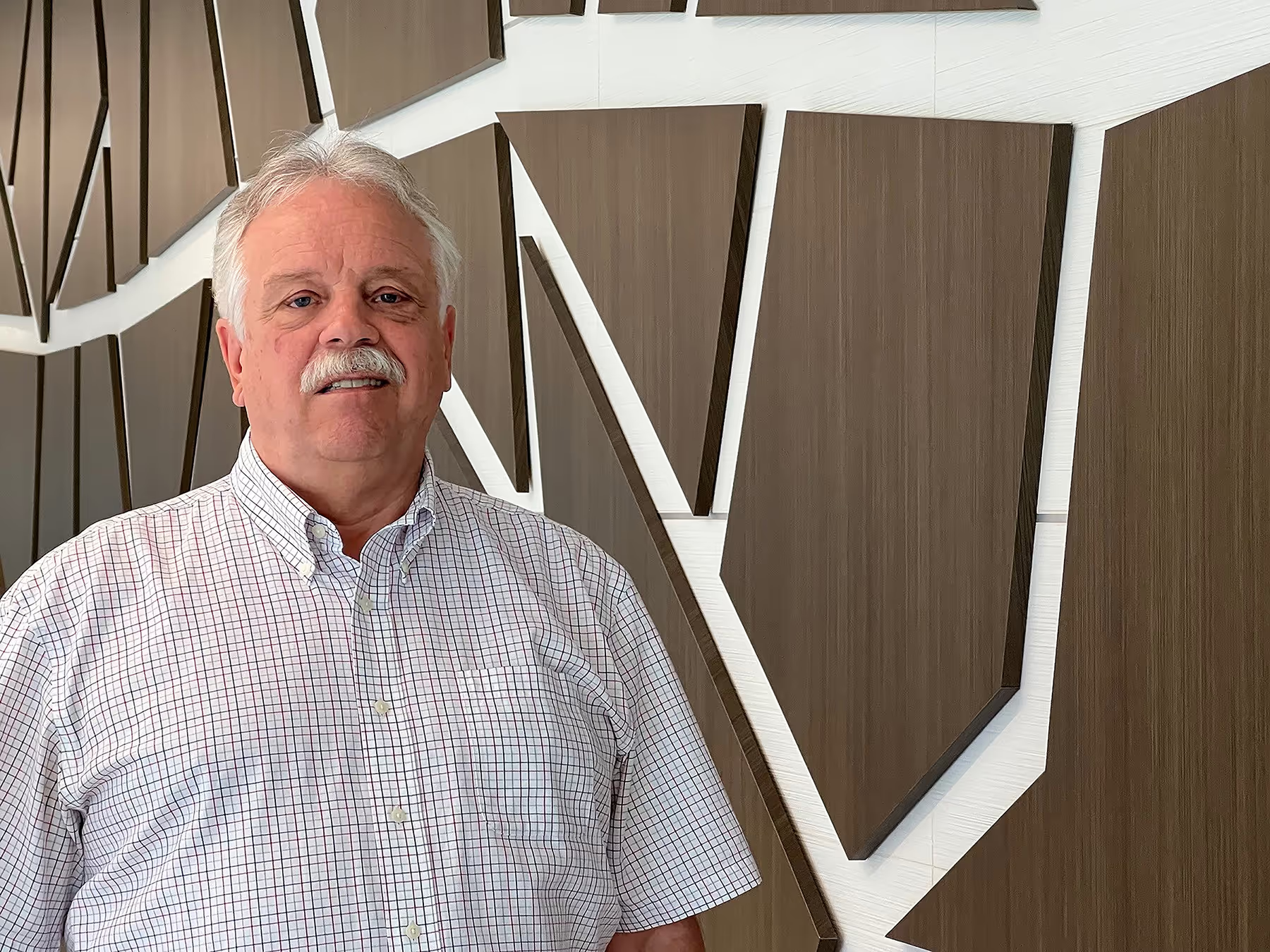
Andrew Bowers, AIA, EDAC, LEED AP BD+C, cLSGB, is a Principal and Medical Planner at Wilmot Sanz, where he specializes in behavioral health and complex healthcare renovations. A 2020 Healthcare Design Rising Star, Andrew is committed to advancing safe, equitable, and human-centered care environments through evidence-based and process-driven design.