Let's Connect
We are ready to talk healthcare design with you.
Thank you! Your submission has been received!
Oops! Something went wrong while submitting the form.

When a child is in cardiac crisis, every second matters. Every decision, every piece of equipment, and every square foot of the care environment plays a critical role in supporting life-saving interventions and long-term recovery. At Children’s National Medical Center in Washington, DC—one of the nation’s top-ranked pediatric hospitals—the design of the Cardiac Intensive Care Unit (CICU) is a reflection of that urgency, compassion, and commitment to innovation.
Originally opened in 2011, the newly renovated 26-bed Cardiac ICU was recently featured in Healthcare Design magazine’s “Transformations” series, which highlights standout renovation projects across the country. With a mission to advance pediatric heart care through both clinical excellence and environmental innovation, Children’s National worked closely with design partners to reimagine the CICU as a space where technology, safety, and serenity converge—supporting not just survival, but healing and hope.
Prior to renovation, the existing unit was constrained by outdated infrastructure and limited space, impeding staff workflow and crowding already stressful patient-family experiences. With demand growing and the complexity of cardiac cases increasing, the need for a purpose-built, technologically advanced, and family-sensitive environment became clear.
The transformation focused on four key priorities:
Each design decision was evaluated through the lens of evidence-based design, real-world clinical feedback, and a deep understanding of the sensitive, high-stakes nature of pediatric cardiac care.
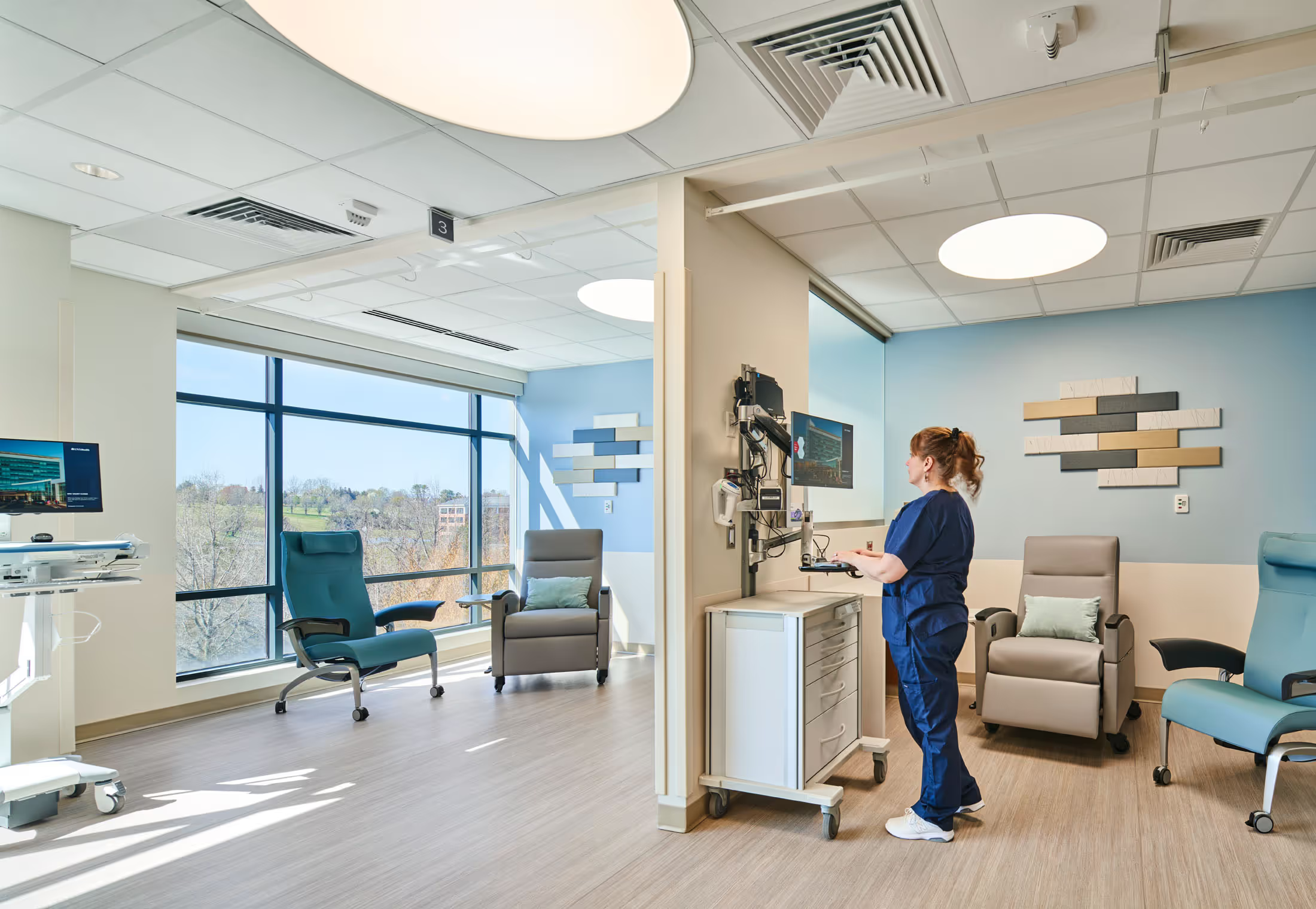
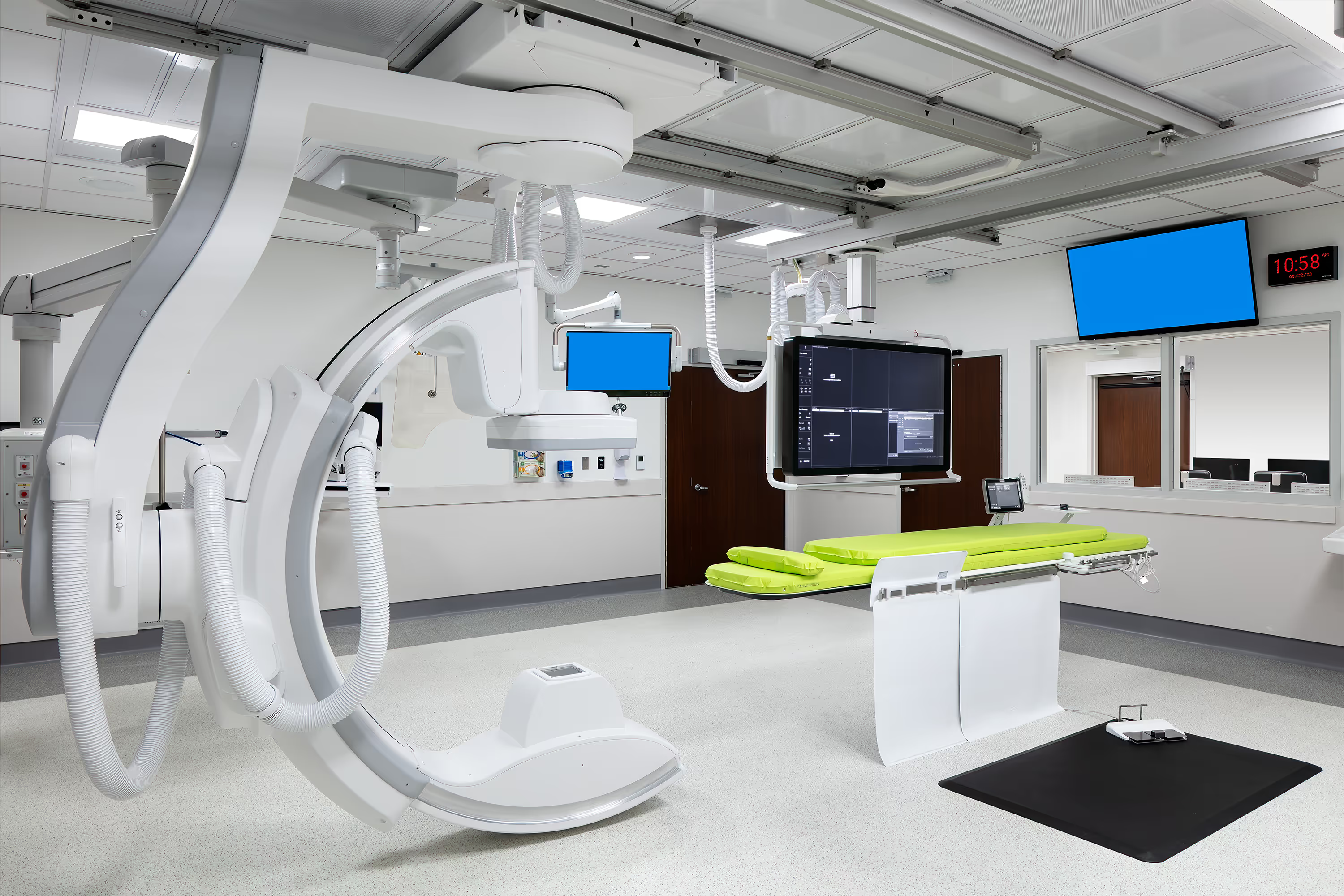
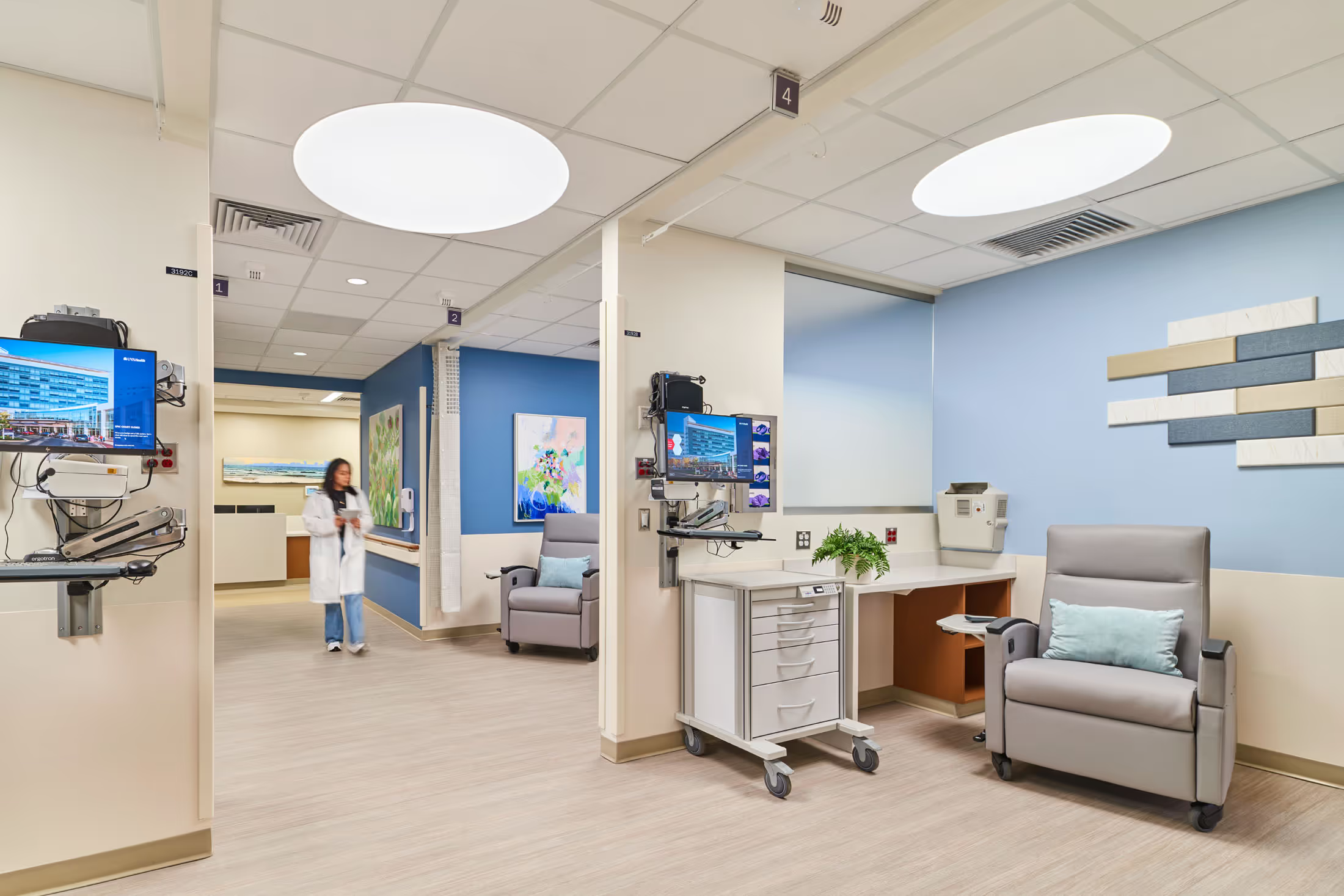
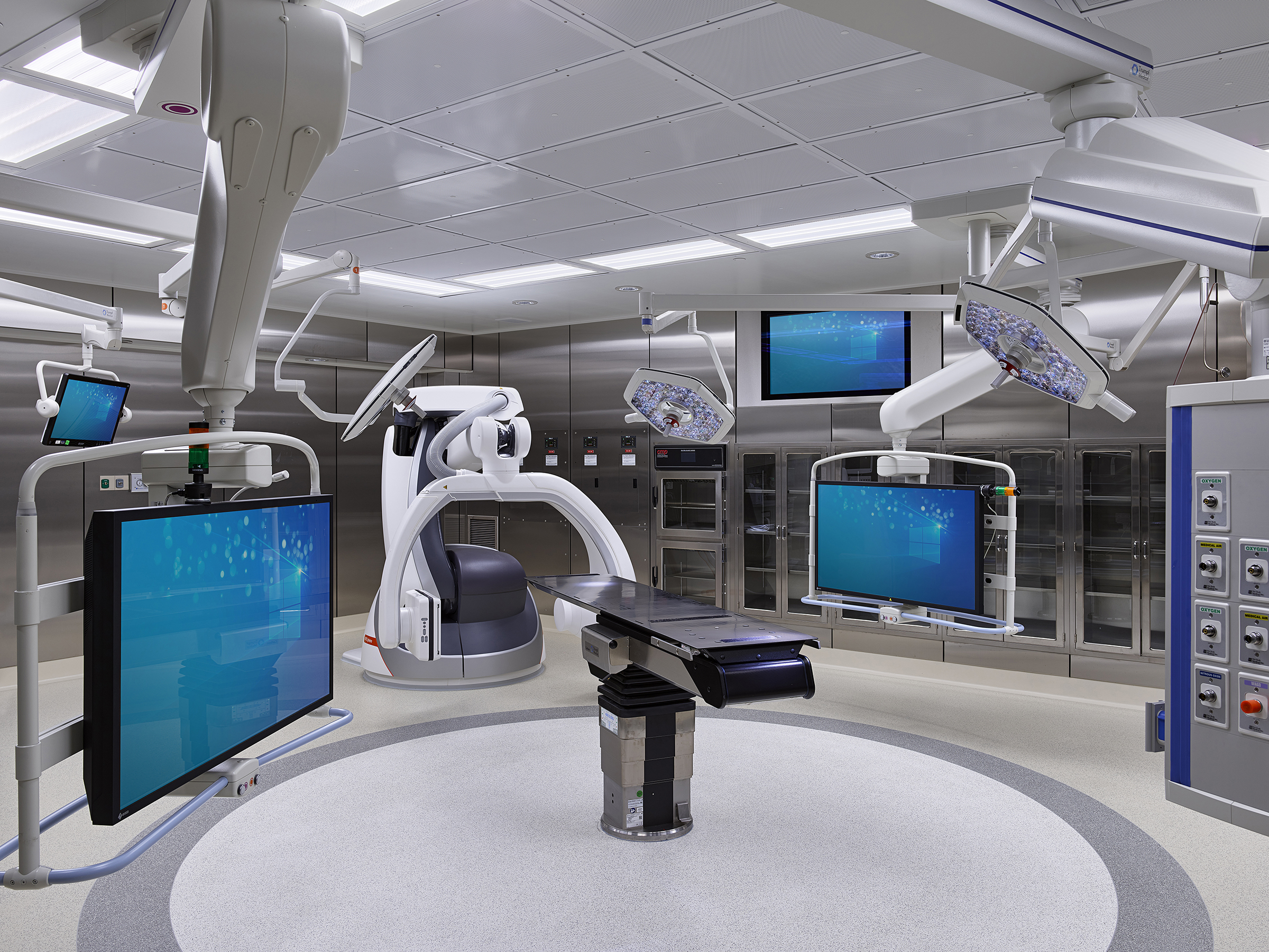
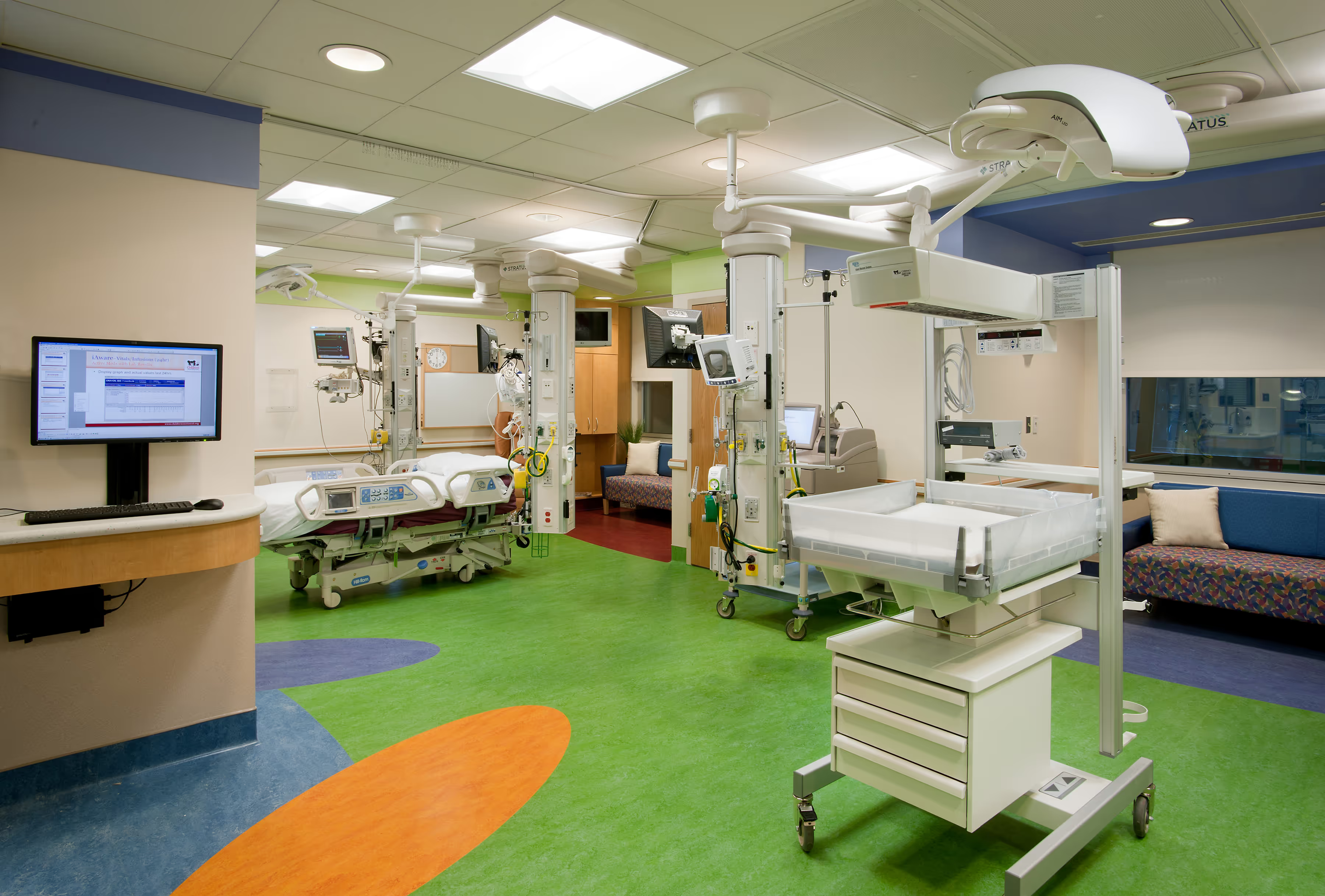
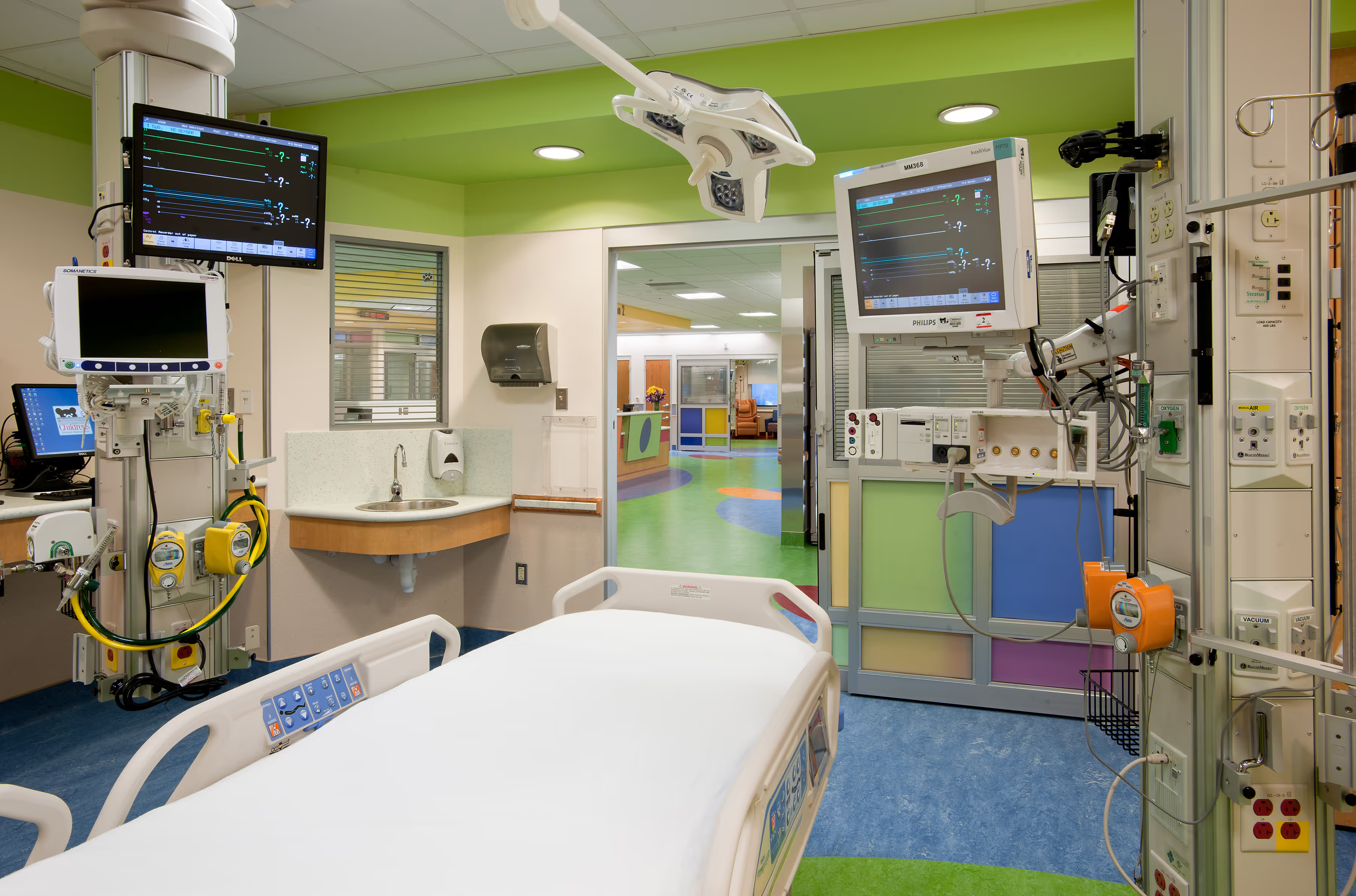
The reimagined unit features 26 private patient rooms, each designed to accommodate the complex equipment and care teams required in critical cardiac cases. Ceiling-mounted equipment booms in every room provide a flexible, uncluttered environment for emergency procedures, eliminating the need to transfer critically ill patients to other parts of the hospital. This approach not only improves safety and response time, but also supports family presence and minimizes patient trauma during interventions.
Corridors were widened to 12 feet, with carefully integrated alcoves for equipment storage—ensuring that patients can be safely transported from the Cardiovascular Operating Room (CVOR) without obstruction. This layout reduces stress for both patients and providers, contributing to a calmer, more controlled atmosphere.
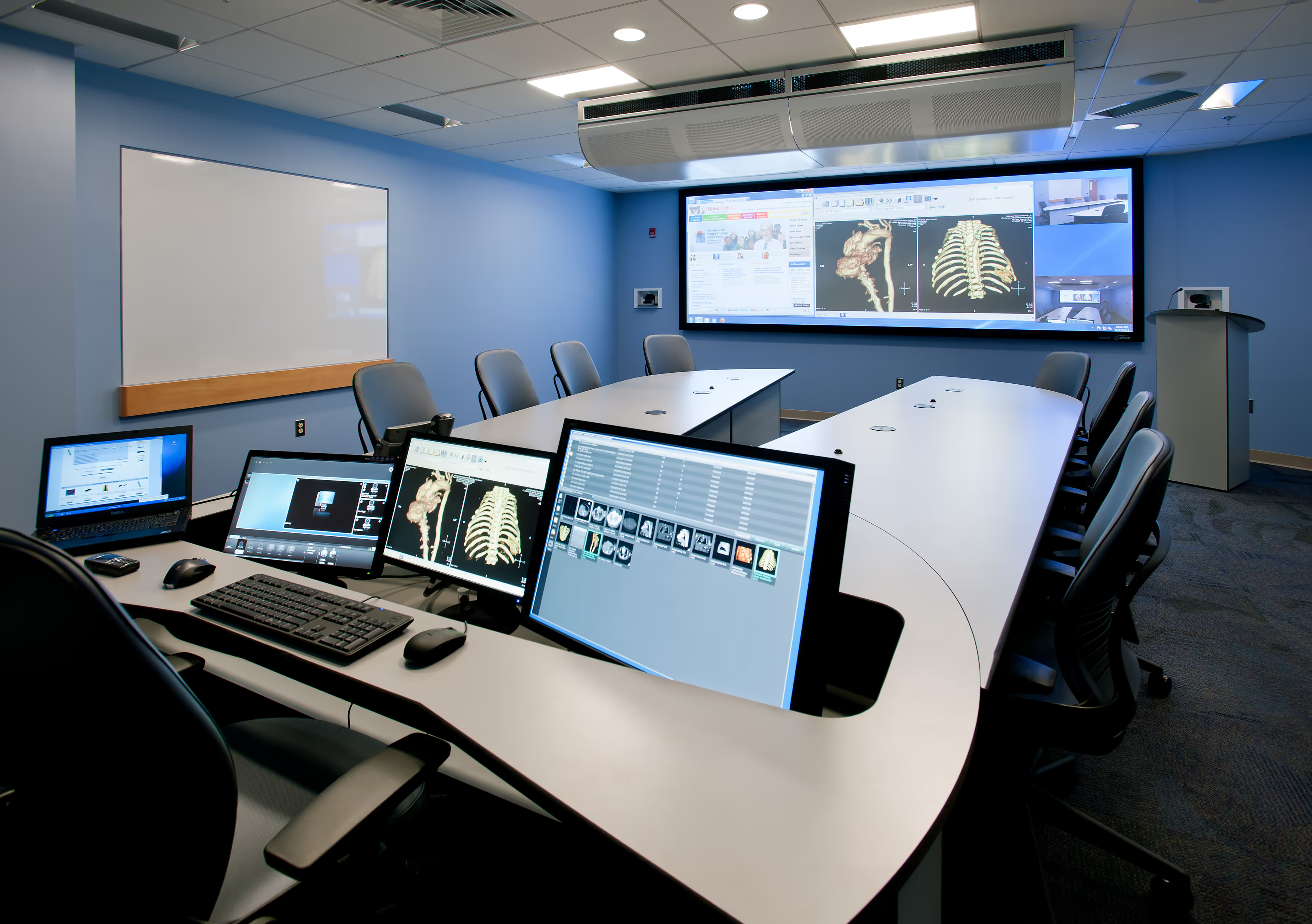
One of the unit’s most forward-thinking additions is a state-of-the-art media room, serving as the technological heart of the CICU. This centralized monitoring space enables staff to remotely observe patient vitals and behaviors in real time, reducing unnecessary interruptions while maintaining vigilance.
The media room is also equipped for global telemedicine collaboration—capable of sending and receiving high-resolution images and video feeds to and from specialists around the world. In an era of increasingly interconnected care, this level of global clinical connectivity provides new opportunities for second opinions, remote consultation, and continual learning.
The renovation of the Cardiac ICU reflects Children’s National’s unwavering dedication to delivering world-class care in an environment that supports clinical excellence, family involvement, and emotional resilience. The thoughtful integration of technology, layout, and architectural elements serves as a model for future renovations within pediatric critical care.
The new unit also supports staff wellbeing and workflow efficiency, reducing environmental stressors and improving visibility and access to patients. These changes have tangible effects—streamlining handoffs, improving interdisciplinary communication, and enhancing the overall quality of care.
Today, the renovated Cardiac ICU is more than a space—it’s a testament to the power of design to impact lives. By transforming outdated facilities into cutting-edge environments of care, Children’s National continues to set a national benchmark for pediatric cardiac services.
As design partners dedicated exclusively to healthcare, Wilmot Sanz is proud to contribute to environments where the most vulnerable patients receive the highest levels of care and compassion. Projects like this CICU renovation at Children’s National demonstrate how renovation and reinvestment—when guided by deep healthcare expertise—can deliver extraordinary results without requiring new construction.
Check out the feature in Healthcare Design Magazine.