Let's Connect
We are ready to talk healthcare design with you.
Thank you! Your submission has been received!
Oops! Something went wrong while submitting the form.

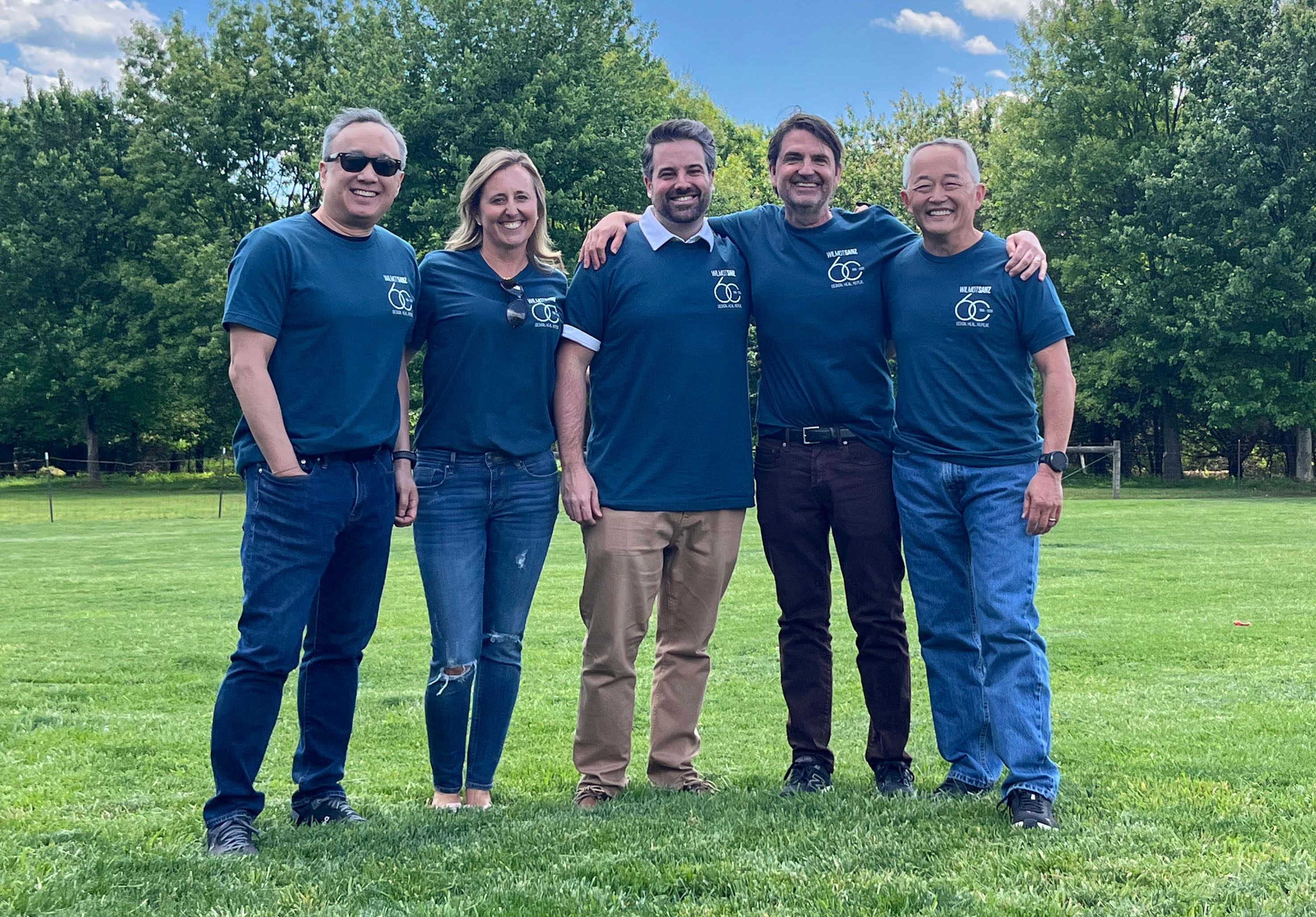
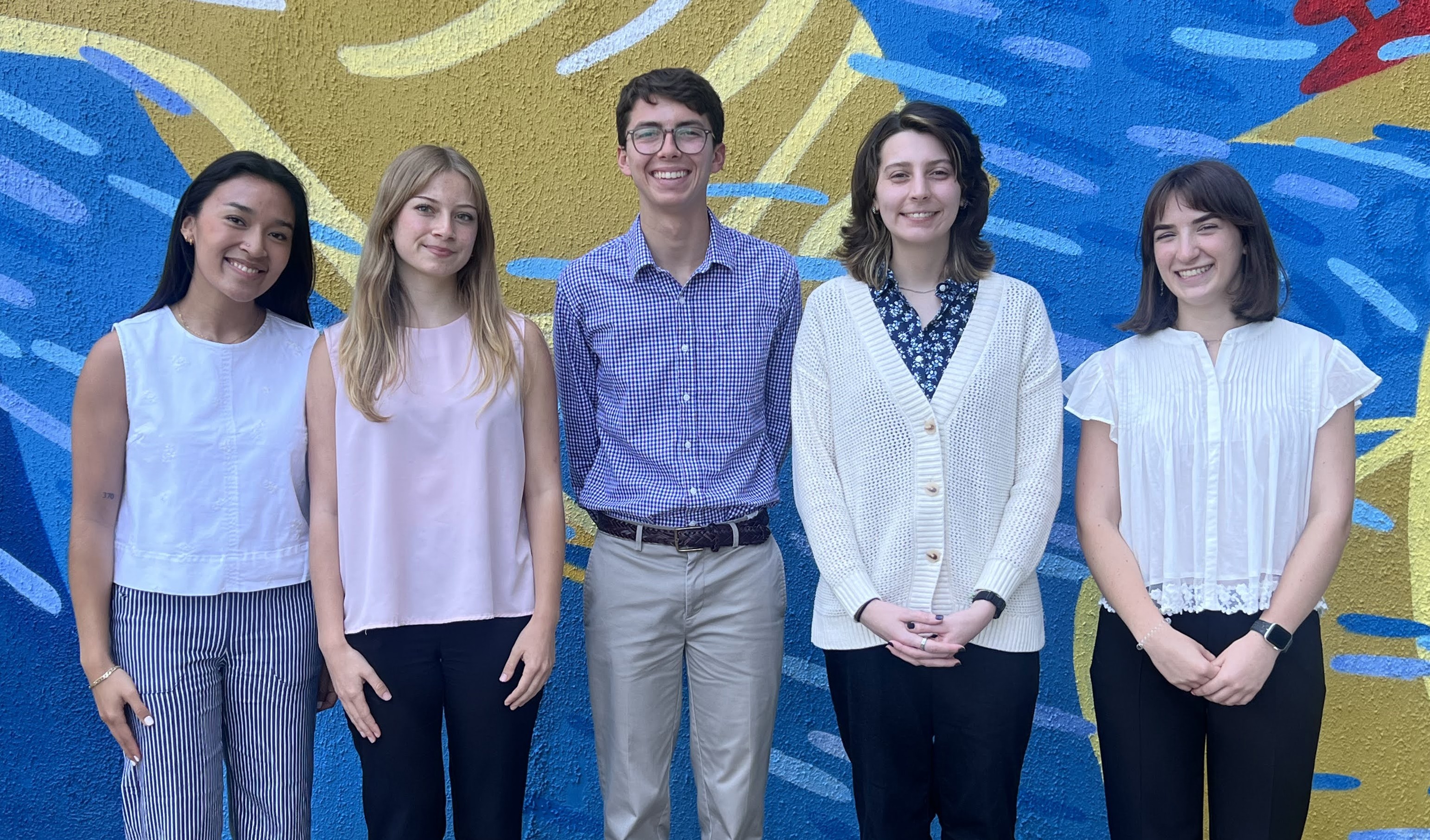
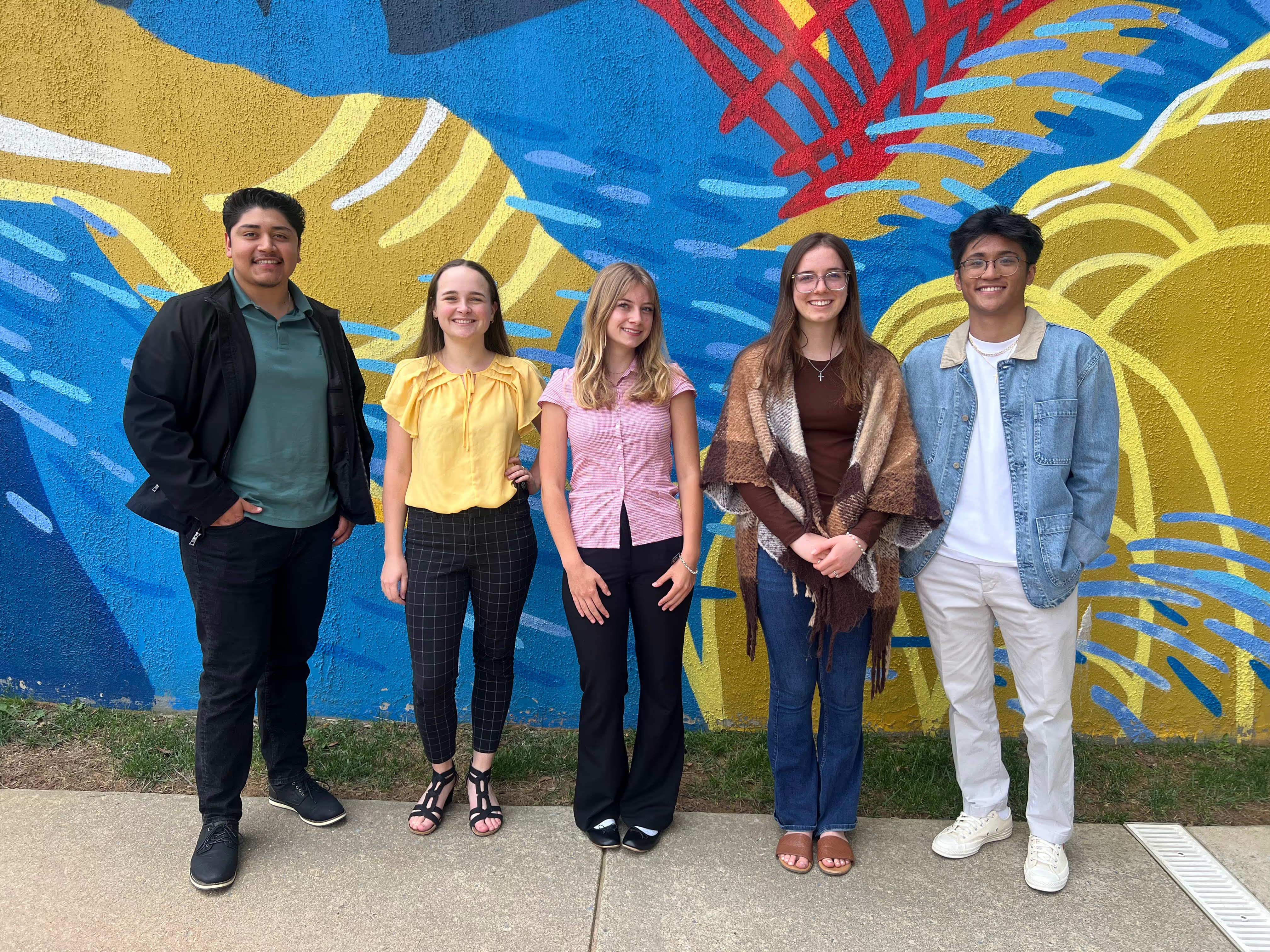
We’re pleased to introduce four new faces joining the Wilmot Sanz team. Each brings unique experiences, creative perspectives, and a shared passion for thoughtful healthcare design.
Together, they strengthen our collaborative approach to creating innovative, functional, and welcoming environments that enhance the experiences of patients, families, and caregivers.
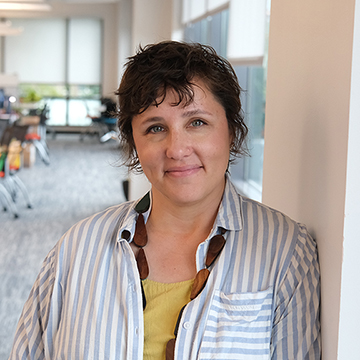
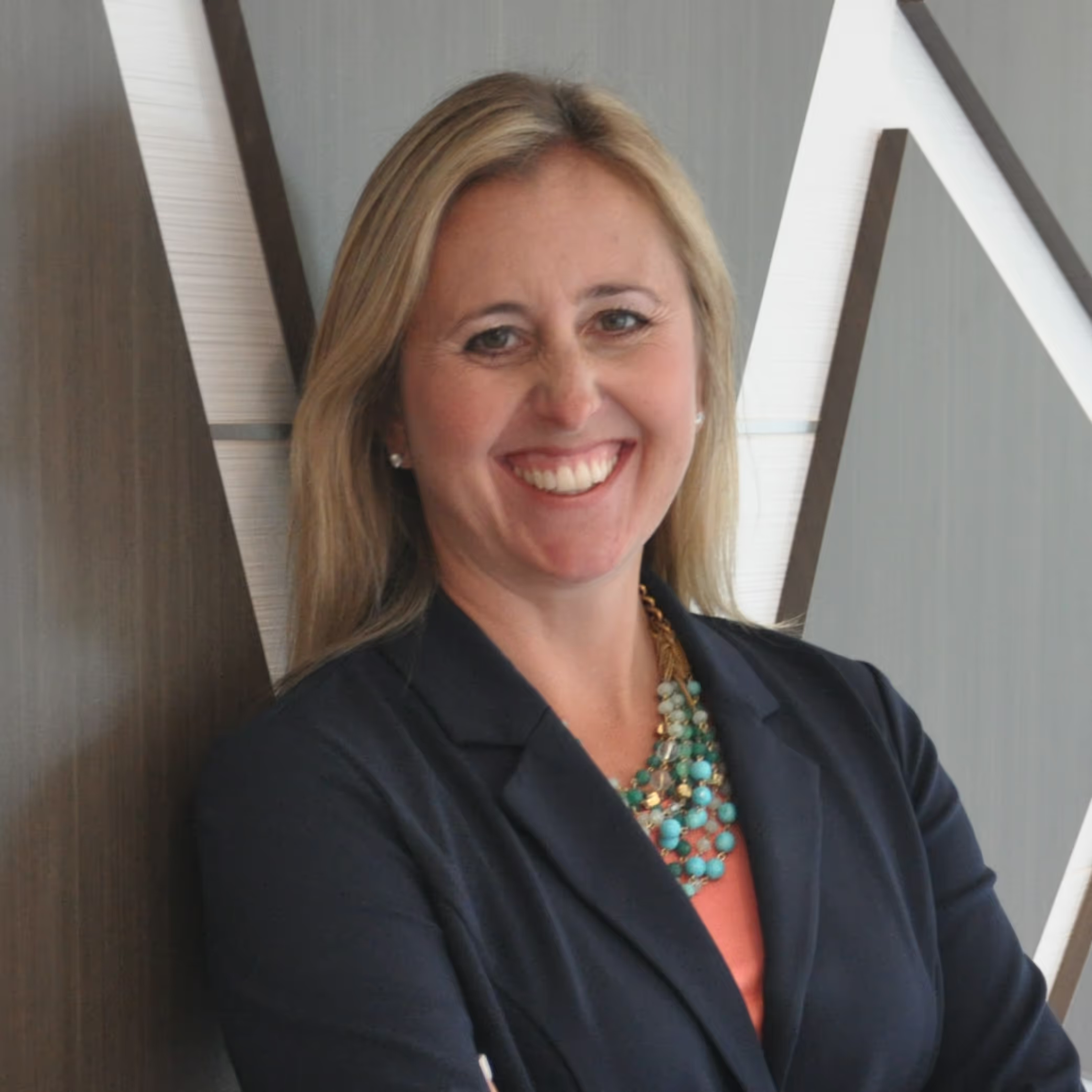
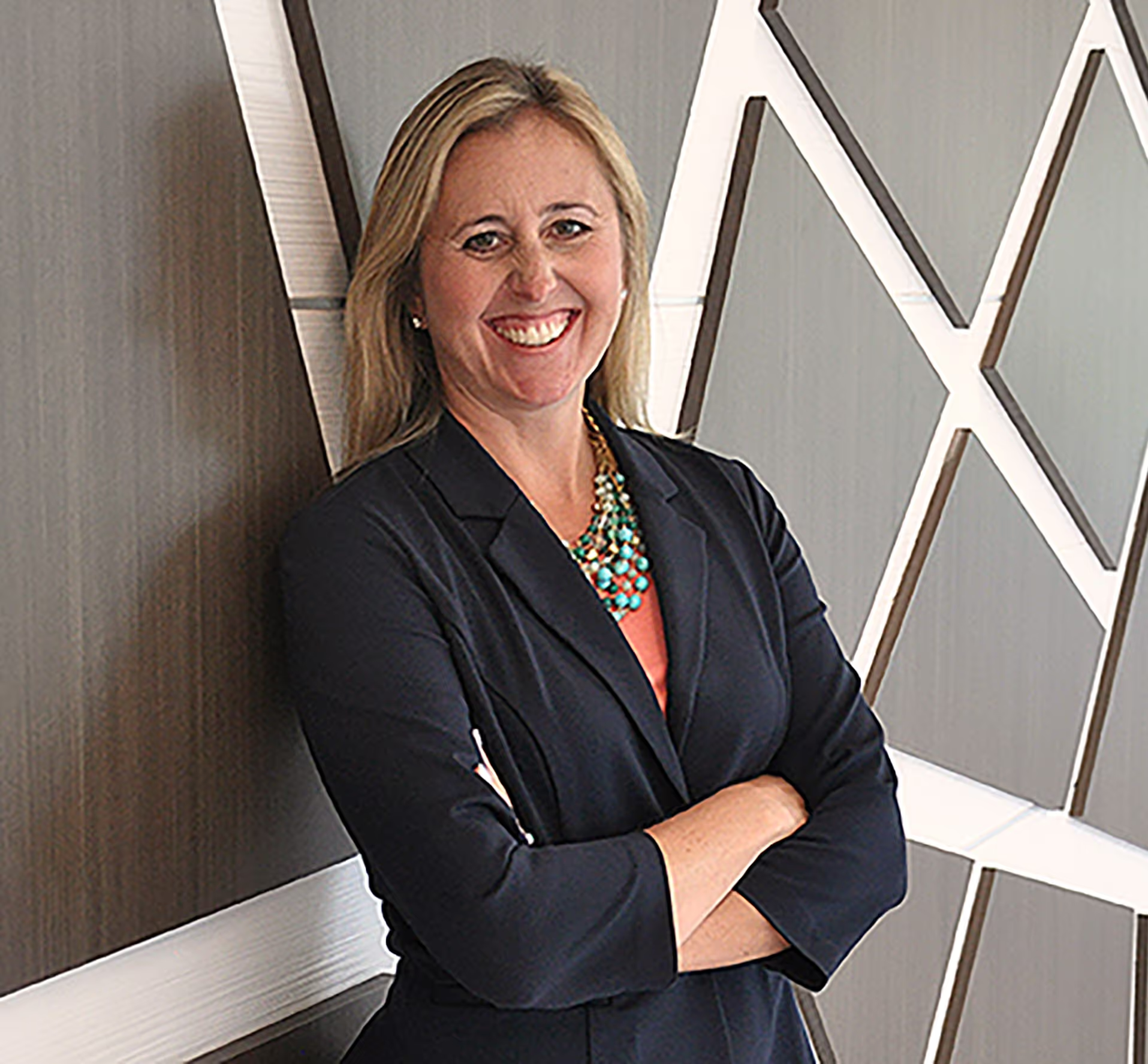
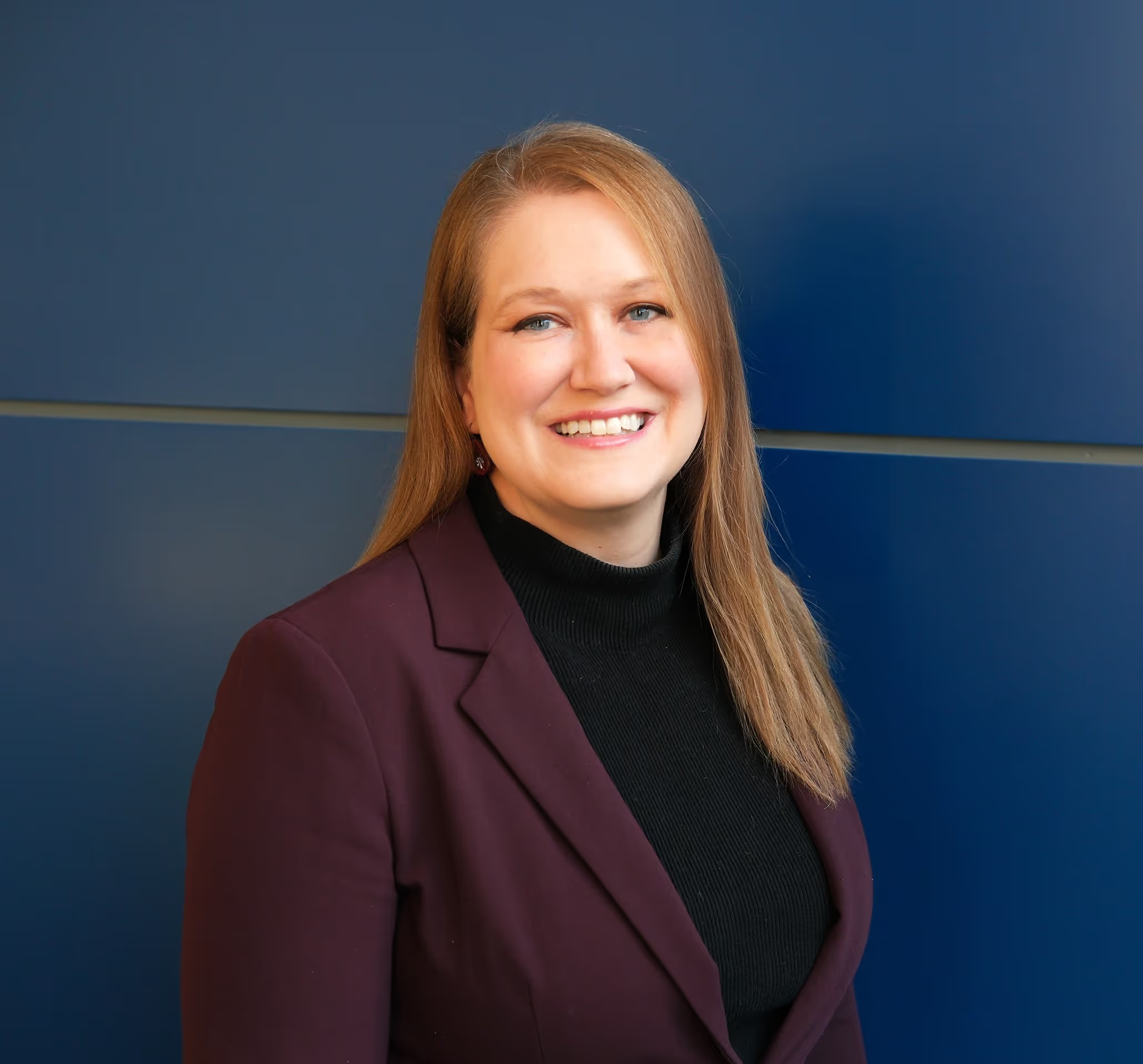
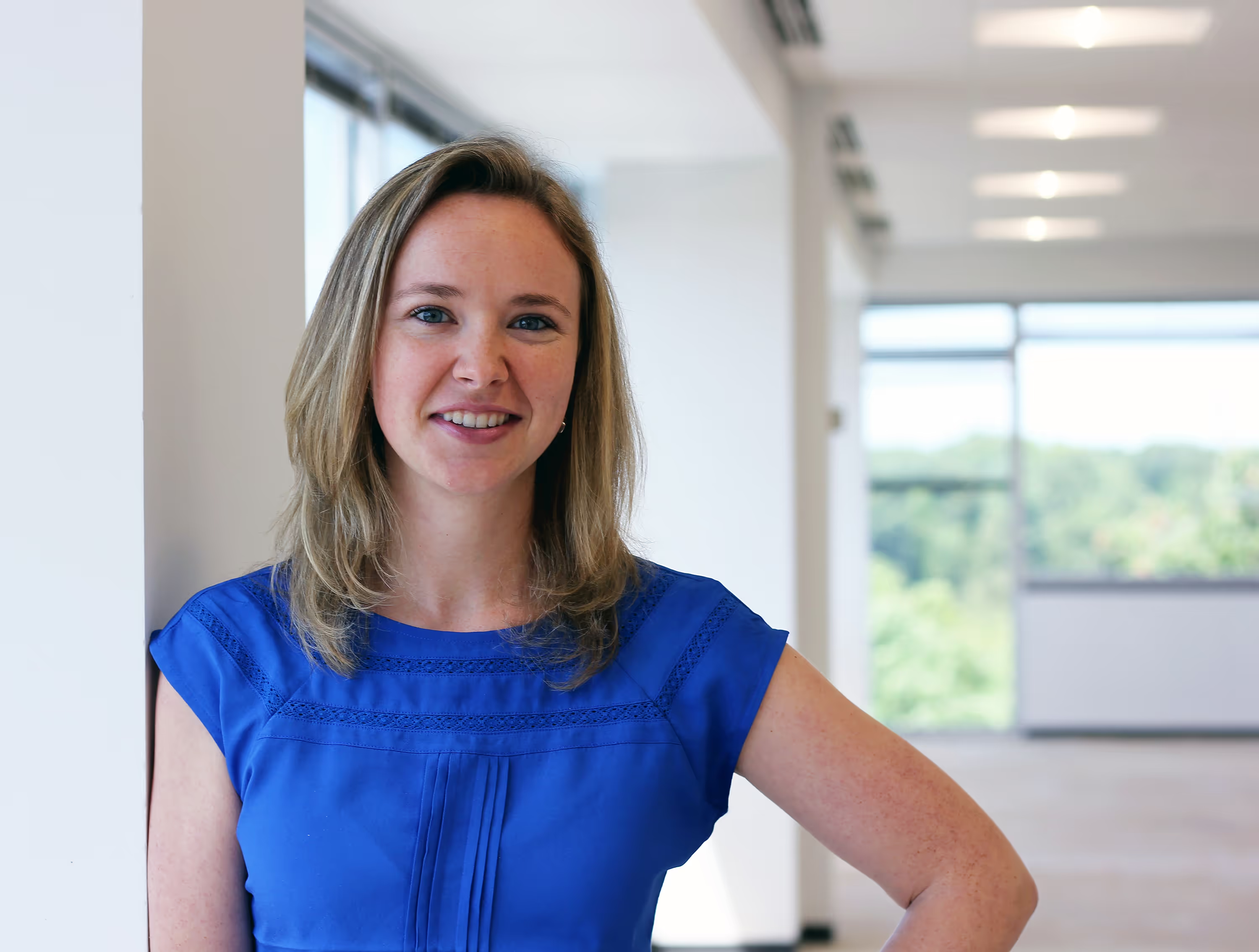
Sarah’s journey to healthcare design began long before she joined Wilmot Sanz. Her graduate thesis at Washington University in St. Louis focused on a cancer center, but nearly 20 years into her career, Wilmot Sanz is the first healthcare-focused firm she has joined. With a lifelong interest in art and several family members working in construction, Sarah grew up appreciating the process of seeing ideas take shape. Her uncles teased her for joining “the dark side” by pursuing architecture, but from her first semester as an undergraduate at the Catholic University of America, she knew she had chosen the right direction.
Sarah approaches architecture from the perspective of the individual user, focusing on human-scale details, sensory experiences, and the ways a space can support comfort, dignity, and well-being. In healthcare settings, where patients and caregivers experience buildings under emotionally heightened circumstances, those details can have a tangible impact.
Her background in commercial, hospitality, and health sciences academic design gives her a guest-experience mindset grounded in technical knowledge with an understanding of the educational environments in which many healthcare professionals are trained. Her work on academic campuses helps her consider how new healthcare spaces can fit thoughtfully within the identity and context of existing hospital campuses.
Sarah encourages new architects to “be a sponge” by following their core instincts while remaining open to the knowledge and connections that other architects can offer as they advance in their careers. She also emphasizes the importance of recognizing what is unique and valuable in one’s own perspective.
Sarah spends most of her time outside of work with her two children. As they get older and she finds more space for hobbies, she enjoys being outdoors, particularly while transforming her lawn into a native plant garden.

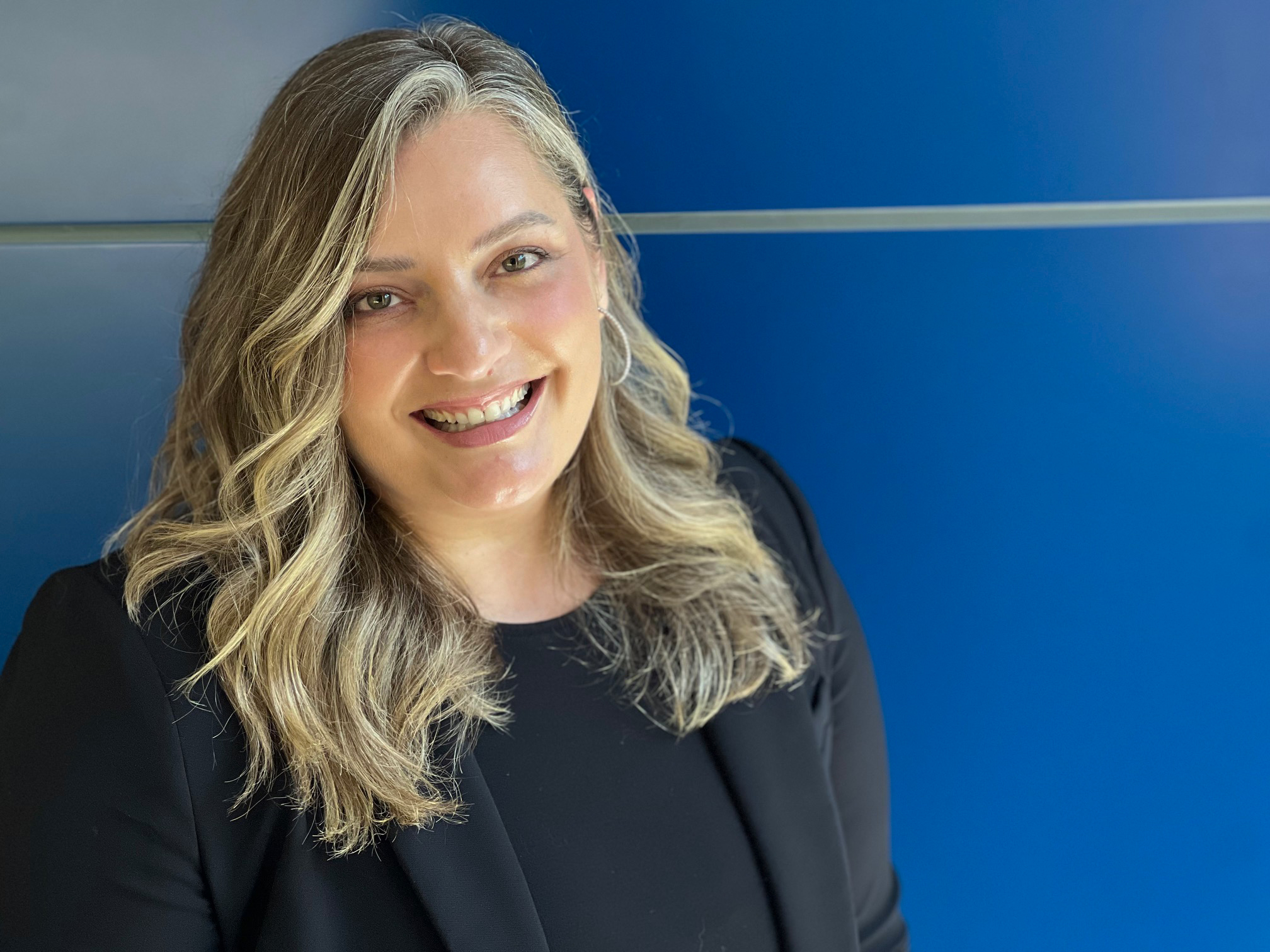
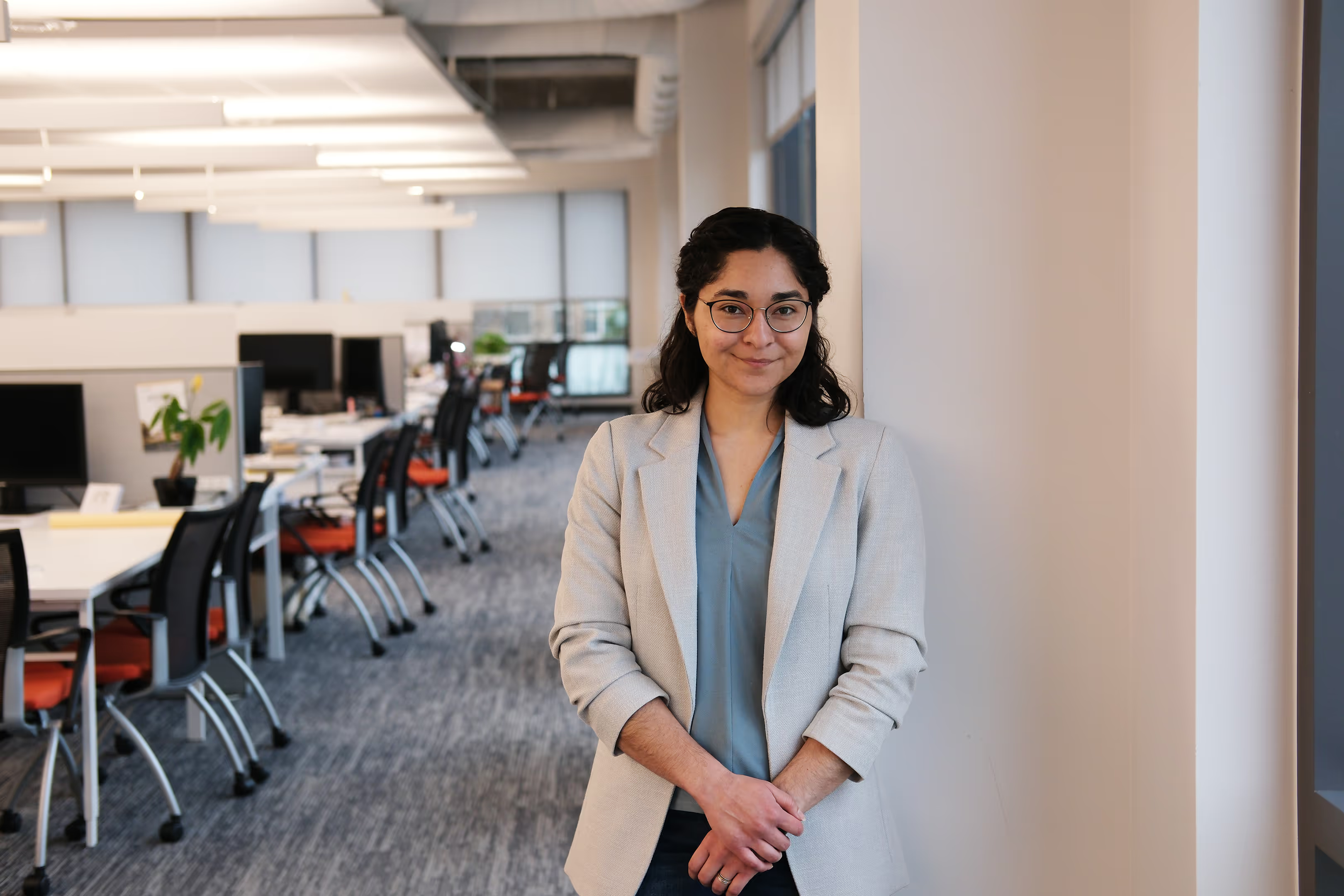
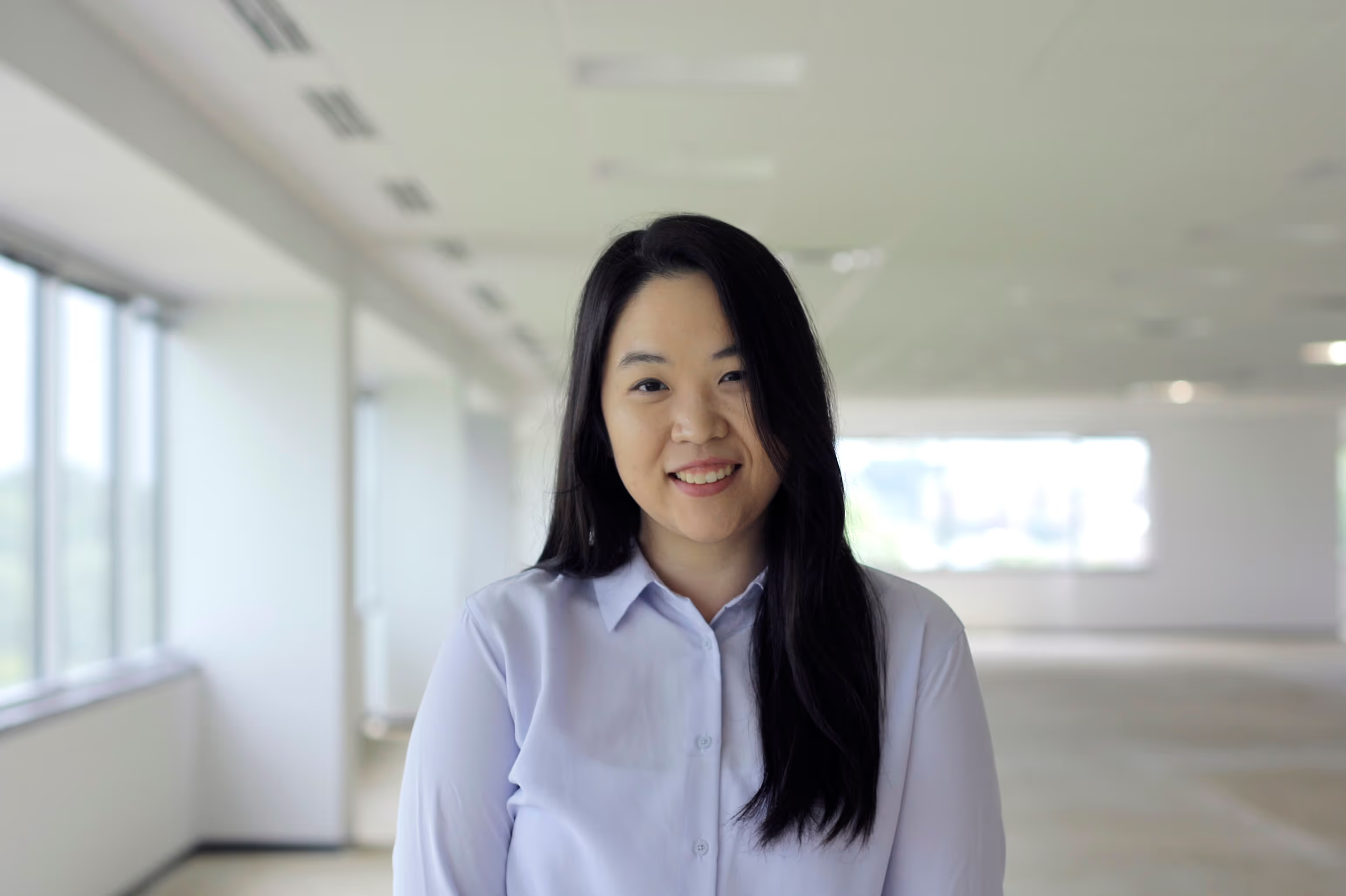
While taking an elective class in high school, Dasanie’s interest in art began to expand into design. She continued to pursue art and design courses throughout her education, including an AP Art class, sewing classes, and pre-college architecture studies at Roger Williams University in Rhode Island. Visiting the work of architects including Frank Gehry and Louis Kahn helped solidify her interest in the profession and led her to focus exclusively on accredited architecture programs. She ultimately earned both her Bachelor of Science in Architecture and Master of Architecture and Master of Science in Net Zero Design from the Catholic University of America.
Dasanie came to Wilmot Sanz, inspired by what she had heard from others about the firm’s approach to mentorship and its willingness to invest in emerging architects. The opportunity to learn through an apprenticeship-style relationship with more experienced professionals particularly resonated with her. Her previous work in K-12, institutional, and community-focused design exposed her to buildings that serve the public and to the complexities of phasing and maintaining operations, experiences that provide a strong foundation for her transition into healthcare.
Healthcare design draws Dasanie in due to the relationship between a building’s purpose and the experience it creates. Healthcare environments can often be associated with stress or uncertainty, and she is interested in how architecture can challenge those expectations by creating places that feel welcoming and support well-being, healing, and rehabilitation.
Professional development is also a major focus for Dasanie. She sees 2026 as a year of growth both inside and outside the workplace and has actively sought opportunities to become involved in the profession. She was recently awarded the 2026 Jason Pettigrew Memorial ARE Scholarship through the Architects Foundation as well as a 2026 Sho-Ping Chin Women’s Leadership Summit Grant, experiences that complement her goal of continuing to grow as an emerging professional.
Dasanie’s curiosity carries into her personal interests enjoying, thrifting and revitalizing, sewing, and creatively reworking clothing. She also shares her time with four pets—two cats and two dogs—and embraces opportunities to learn by doing, whether she is solving a design problem or taking on a new creative project.
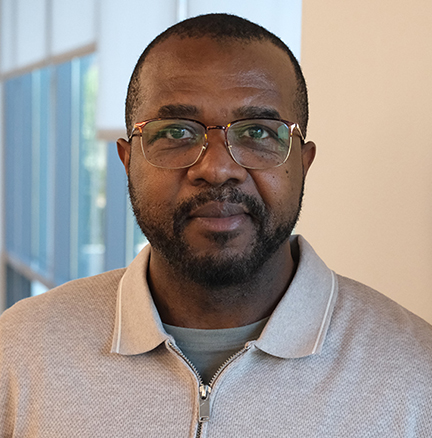
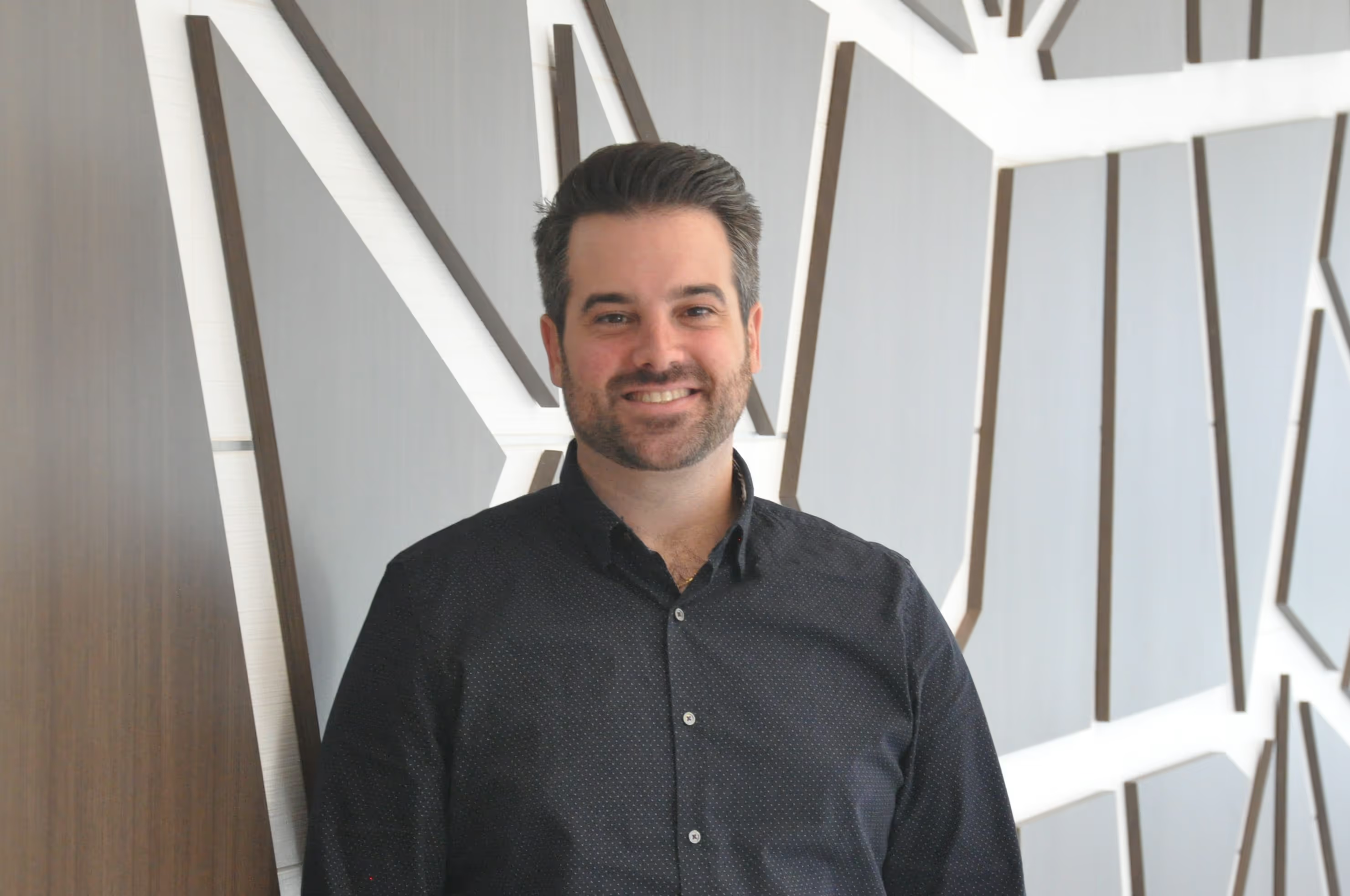
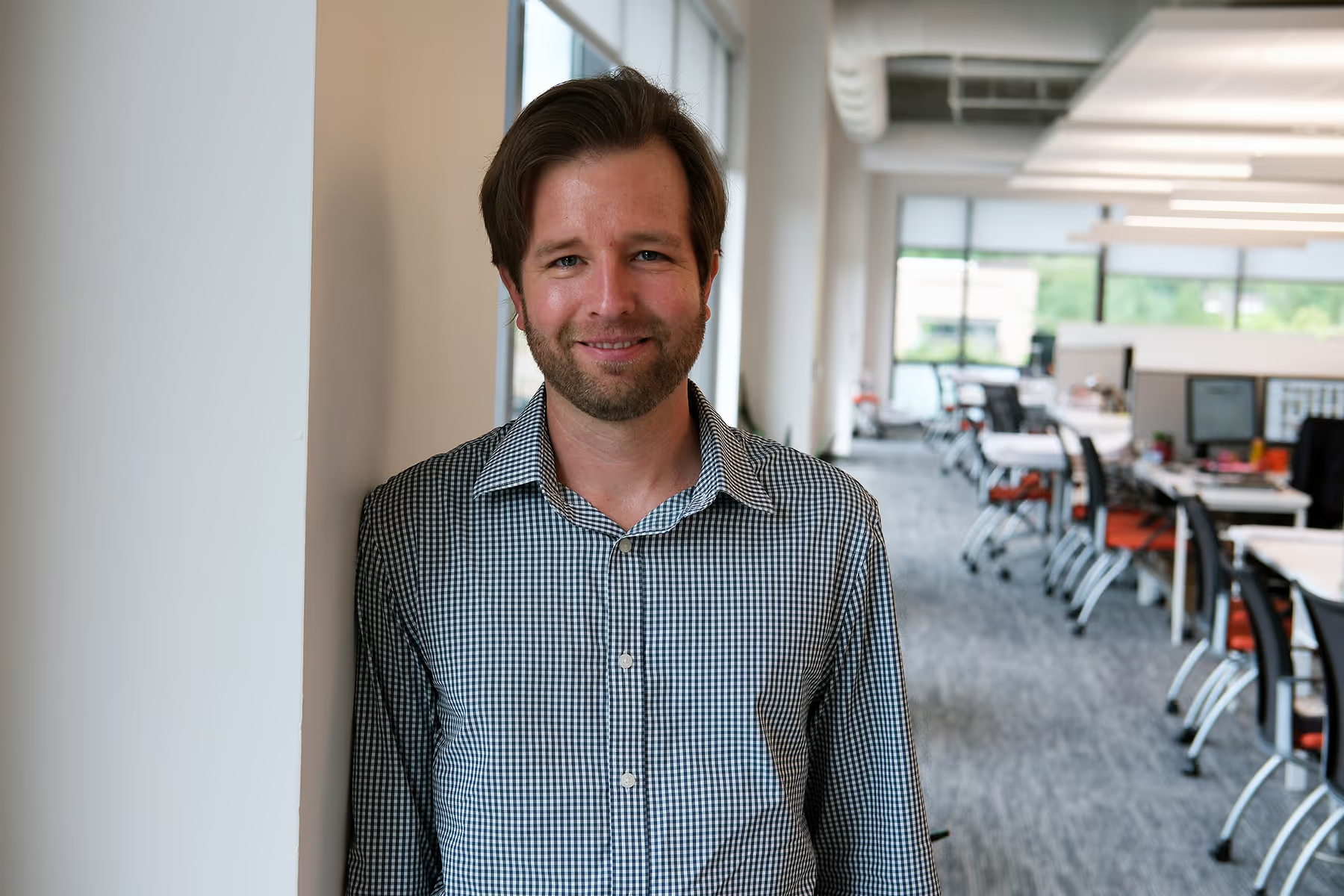
You won’t find a traditional story in Michael. As an Army veteran, Michael first began considering architecture while assigned at Walter Reed National Military Medical Center attending art and poetry workshops as he prepared to transition out of military service. Art had always been part of his life, and an initial interest in construction management eventually led him to ask a larger question: why not architecture? He went on to earn both his Bachelor and Master of Architecture from the Catholic University of America. The journey was challenging, but each step reinforced his determination to pursue a career where creativity and service could intersect.
Michael’s passion for healthcare design stems from his belief that spaces can directly affect people’s health and well-being. As he builds experience in this market, he is motivated by the impact of the work, the opportunity to continually challenge himself, and the people around him who contribute to his learning process. For Michael, architecture remains a journey of lifelong learning, with each project offering opportunities to further develop his skills.
That curiosity also extends to the way Michael thinks creatively. He continues to sketch and draw and even paint (his creative outlet), allowing his ideas to evolve freely as a source of inspiration. His military background has given him another perspective on perseverance and service, and he sees architecture as a new chapter to contribute positively to the lives of others.
You can often find Michael at a nearby playground, with his young daughter, perhaps sporting his Ravens jersey, or planning his next travel destination. The pair have traveled both locally and internationally and are always looking for their next adventure.
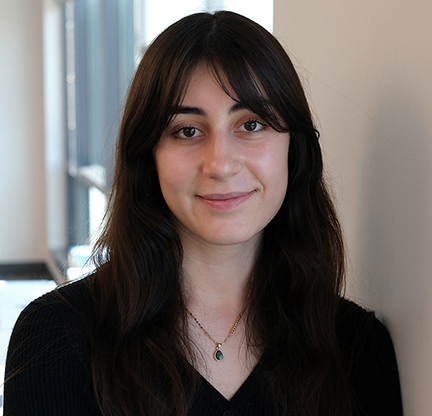
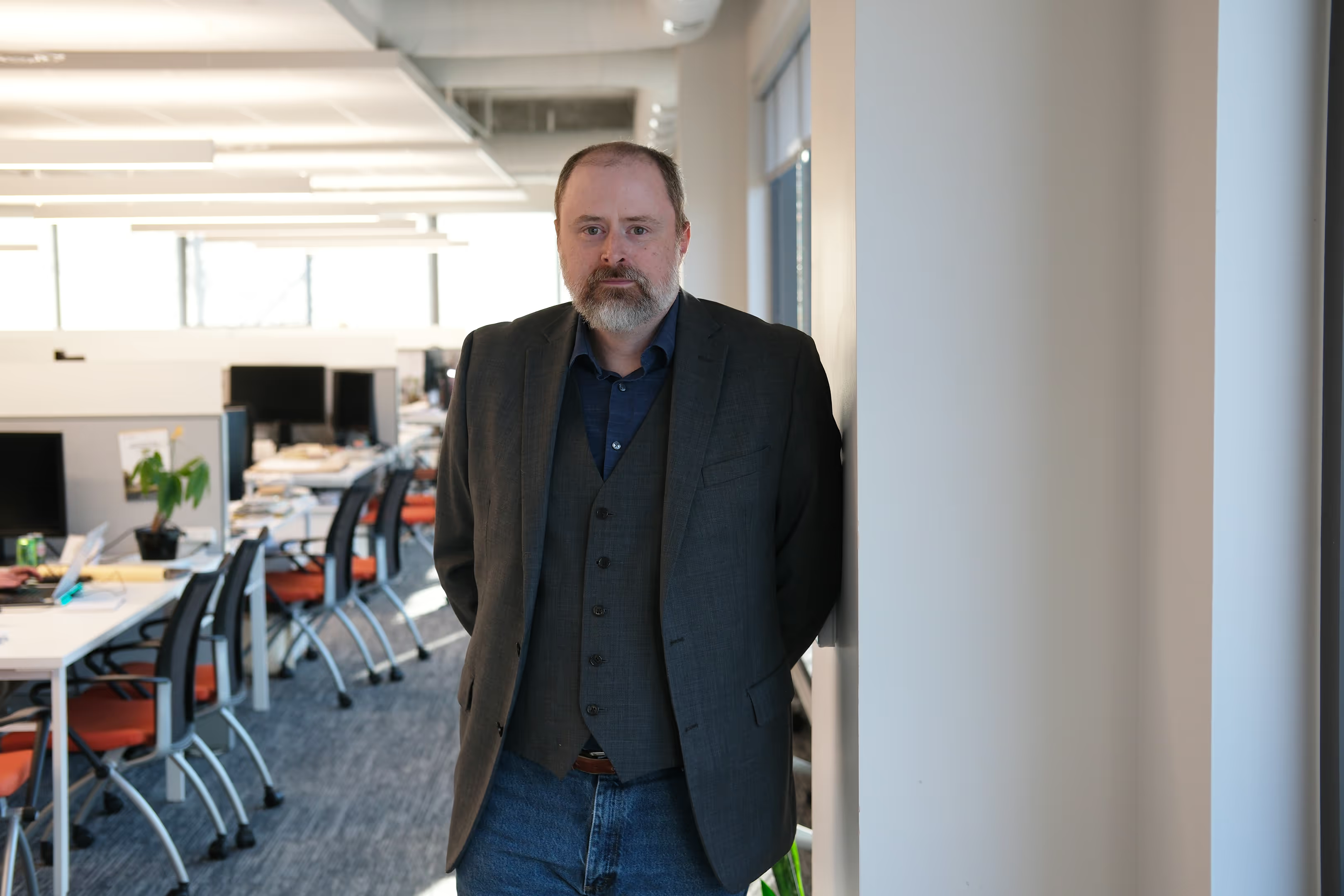
Seta Whitney has always paid attention to how the spaces around her make her feel, which naturally led her to architecture. After earning her Bachelor of Architecture at the University of Maryland, she is excited by the idea of helping create places where people feel comfortable, welcome, and connected. She is also interested in interior design and how both disciplines work together to shape the overall experience of space.
Seta joined Wilmot Sanz as a fall intern after learning about the firm through her neighbor, one of the firm Partners, Greg Chang. Healthcare design quickly caught her interest because of how important the environment can be for patients and families. Having spent time in healthcare settings as a patient and visitor, she has seen firsthand how thoughtful design can help people feel more at ease during stressful situations.
One of her favorite parts of the internship has been seeing how real projects come together. She has enjoyed learning about the logistics, budgets, coordination, and constant evolution that happen behind the scenes, as well as seeing how many different people contribute to design decisions.
As she starts her career, Seta is looking forward to building her industry skills, becoming more proficient in Revit, and gaining a better understanding of the professional design process.
In her free time, Seta enjoys drawing both digitally and on paper, especially characters, abstract creatures, and science-fiction-inspired artwork.